





























































Interview: Ralf Gum discusses working with Hugh Masekela
15 Jul 2015 - 13:13


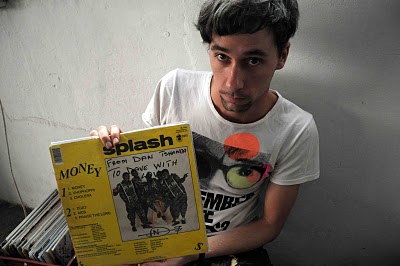
German-born, South African-based producer Ralf Gum is one of the most respected figures in South Africa’s thriving local house music scene, known for his soulful sound, diverse influences and tasteful collaborations. He started creating music in 1993 but waited until 2008 to release his first solo album, Uniting Music, featuring the hit 'Kissing Strangers'. In autumn that year he toured South Africa for the first time, which soon led to bookings in neighbouring Botswana and Swaziland. He fell in love with the house-obsessed land and in 2012 finally decided to settle here permanently. That year he released a new album, Never Leaves You, which gained global critical acclaim and reached gold status in South Africa.
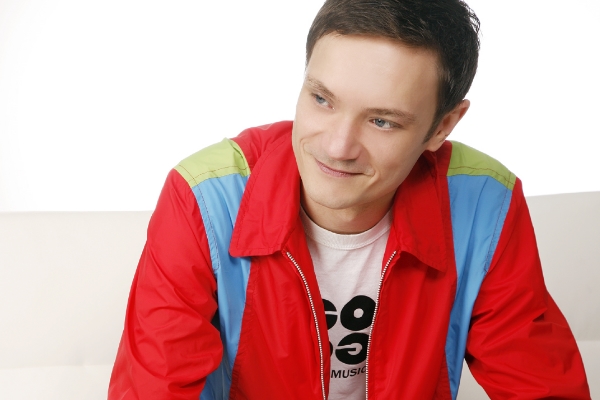
Ralf sat down with Music In Africa recently to talk his love for Mzansi, his latest album, In My City, which features collaborations with two African heavyweights in Hugh Masekela and Dele Sosimi, and to give some tips on the production process.
Asked what drew him to South Africa, Ralf explained: “It’s an energy that I always struggle to put into words. It immediately got me the first time I came here in 2008. It’s a combination of everything that surrounds you here. I find the people very friendly. It’s a bit strange to say that now after the xenophobia attacks here, but still I find people here very friendly, the majority. The country itself is beautiful. The weather changes your mood. And obviously its an excellent music scene for everything soulful here, be it jazz or house, kwaito in a sense is still soulful. So everything combined creates an energy which just gets me and inspires me. Being here is inspiring my music. My music always had world influences. When I started out, actually more Latin, it became more and more African influences over time. So being here it feels like really being in the motherland, musically.”
While some might say the house’s popularity comes at the expense of other genres and makes it difficult for instrumentalists to make a living, Ralf disagrees: “As a house person, house music never can be too dominant to me. I’m actually glad there is one country that appreciates that genre so much, because in other countries it really became a niche market. The nice thing I feel about house music is that you can combine so many different genres or influences in it. It can be jazzy, it can be tribal, it can be soulful, it can be related to RnB. So for me it’s the perfect combination of a lot of genres, and therefore it can’t be too much."
Although he agrees that the DJ scene is so dominant that it “might take away some of the opportunities for live bands”, in recent times he feels this is starting to change, with more opportunities becoming available to live musicians. “More and more live musicians are being incorporated into what used to be a purely DJ festival, or even into DJ performances. So I guess its just a progression into something new. The whole music scene has changed since the 70s into a completely electronic one. What you hear on radio, everything is electronic. But obviously it’s important to create space where musicians can perform, because the main income these days is in performance and not actually recording anymore.”
In August 2014 Ralf released his hotly anticipated follow-up album, titled In My City, a title hinting at the artist’s new sense of home in Africa. A highlight of the album are two collaborations with Hugh Masekela, now aged 76, a musician associated with a previous era in the music industry, who lends his skills to the title track as well as ‘With Her Hand’.
Ralf explains that he had been fascinated by an old album of Masekela’s and wanted to feature the trumpet legend on one of his songs, so he approached the artist via his manager and give him two demos, hoping he would like one of them. “It took a while because Bra Hugh is so busy, always out of the country. But one day the phone rang and it was Bra Hugh and he said, ‘I actually like both tracks. Let’s do both… but I only have one afternoon available’. I was like ‘oh my god!’ He came to my studio, and he just nailed it. To be honest, I was a bit nervous. It was the biggest feature I think I ever did. But in studio it just became two musicians being together, and it worked out well. Since then we are regularly in touch.”
Masekela of course is more than just a trumpeter, and Ralf was keen to get him to contribute vocals too, which he did. “What I mainly knew of him before I started researching is his trumpet playing, knowing him as a famous trumpeter," he says. "But I realized he’s a good singer too, and I wanted to get both of him on a track. One of the tracks, ‘In The City’, he came up with the idea in the studio, I didn’t have a specific idea for that one. The other when he came I presented it to him, hoping he’d like it. He said ‘It’s cool, I like the melody, I like the lyrics, let’s do it.’ Both tracks have him as a lead singer. ” The whole recording session, Ralf estimates, only took three hours to record Masekela’s vocal and trumpet parts for both songs.
Another prominent African artist who features on the album in UK-based Nigerian Afrobeat bandleader Dele Sosimi on ‘Bi 'Na Ba N'jo’. Ralf explained: “A friend of mine, Phil Kullman, who produced a few of the tracks together with me on the album, had worked with him before and had been in touch with him. I wanted to do something Afrobeat influenced. Not completely Afrobeat, but influenced, so he was the perfect fit for it.”
In My City was released in August 2014. So far the reception has been good, says Ralf, albeit not as good as its predecessor. “It might have to do with the decline of the physical market - CDs sales were better with the 2012 album. Plus the album had a huge hit on it, ‘Take Me To My Love’, which became a number one in South Africa. It made the album cross over to people who maybe usually don’t listen to house music specifically. We’re on the third single now. Everything has entered the charts. There was one top 10 with the first single, which was cool, but it wasn’t that super massive hit on it - which is OK, I don’t complain. The reception of the fans is very good. They like it, which is the most important as an artist, I guess - that he gets good feedback from his following. As well I’m very pleased that iTunes South Africa selected it as Dance Album of 2014, which is cool.”
Delving deeper into his production process, Ralf says it’s not about trying to target his tracks towards a specific audience, be it African or European. “I don’t think about audience at all. I try to find my own space in studio, which doesn’t happen every day, and try to do what I feel at that moment. I’m not an excellent musician, I’m more a producer who’s able to do the basics on my own. So I try to create basics which I really feel, and go with them to the musicians I work with, and then we progress and perfect it from there. But I’m not looking at markets when I do music.”
Though not born on African soil, today Ralf Gum is considered one of the premier names in South African house music, an example that countless aspiring producer look up to while churning out beats in the bedrooms in the kasis and suburbs of South Africa. Asked his advice for up and coming producers who are eager to stick out from the many others, Ralf had this to say: “The most important thing - and a lot of people don’t want to accept it - is to be patient. Because nothing happens overnight. Your skills don’t grow overnight. You don’t become the top producer who is at that level for an international market overnight. And only because you have your first music production programme and some loops in your computer, you’re not there yet. You might not need much more than that programme to do good music, but it takes time. It takes time to grow your skills to that level. Also investing enough time in a single production… I know a lot of people – not only in this country, in general – who say, ‘I do a song every day’. You don’t do a song in a day. You keep on reworking it, revisiting it, perfecting it. So patience is the key. You can’t put it in a time frame - it should be the ears of others that decide once it’s at the level where it can go somewhere. Sometimes it takes days, sometimes it takes weeks, sometimes it takes months…”
An unlikely addition to South Africa’s house music royalty, the journey of this German-born producer is evidence of the growing international appeal of South African house music, as well as the openness of local house fans in adopting Ralf as one of their favourite sons, all due to his high-quality, soulful sounds. The longer he decides to call South Africa his home, the healthier the local house music scene will be because of it.
[audio:https://soundcloud.com/ralf-gum-gogo-music/sets/ralf-gum-in-my-city-album-preview-1 autoplay:0]


Most popular

Top Naija songs of 2026
31 Mar 2026

Top Afrobeats songs of 2026
19 Mar 2026

Top amapiano songs of 2026
16 Feb 2026

Open call: CANEX Music Business Lab and Songwriting Camp
15 Oct 2026
Open call: National Arts Festival artistic director in SA
15 Oct 2026

Ghana: Mr Eazi and MOLIY’s ‘Comfort’ earns Urban Music Awards nomination
21 Oct 2026
Disclaimer: Music In Africa provides a platform for musicians and contributors to embed music and videos solely for promotional purposes. If any track or video embedded on this platform violates any copyrights please inform us immediately and we will take it down. Please read our Terms of Use for more.

Subscribe to our monthly Newsletter
Follow us on social media


Please log in to post a comment.