




















































South Africa’s music community is coming out strongly against the state broadcaster, calling for an urgent change in policy to ensure that more local content and less American music is played on local radio.
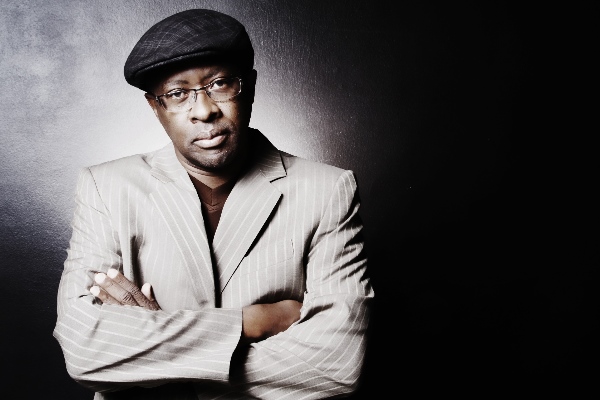
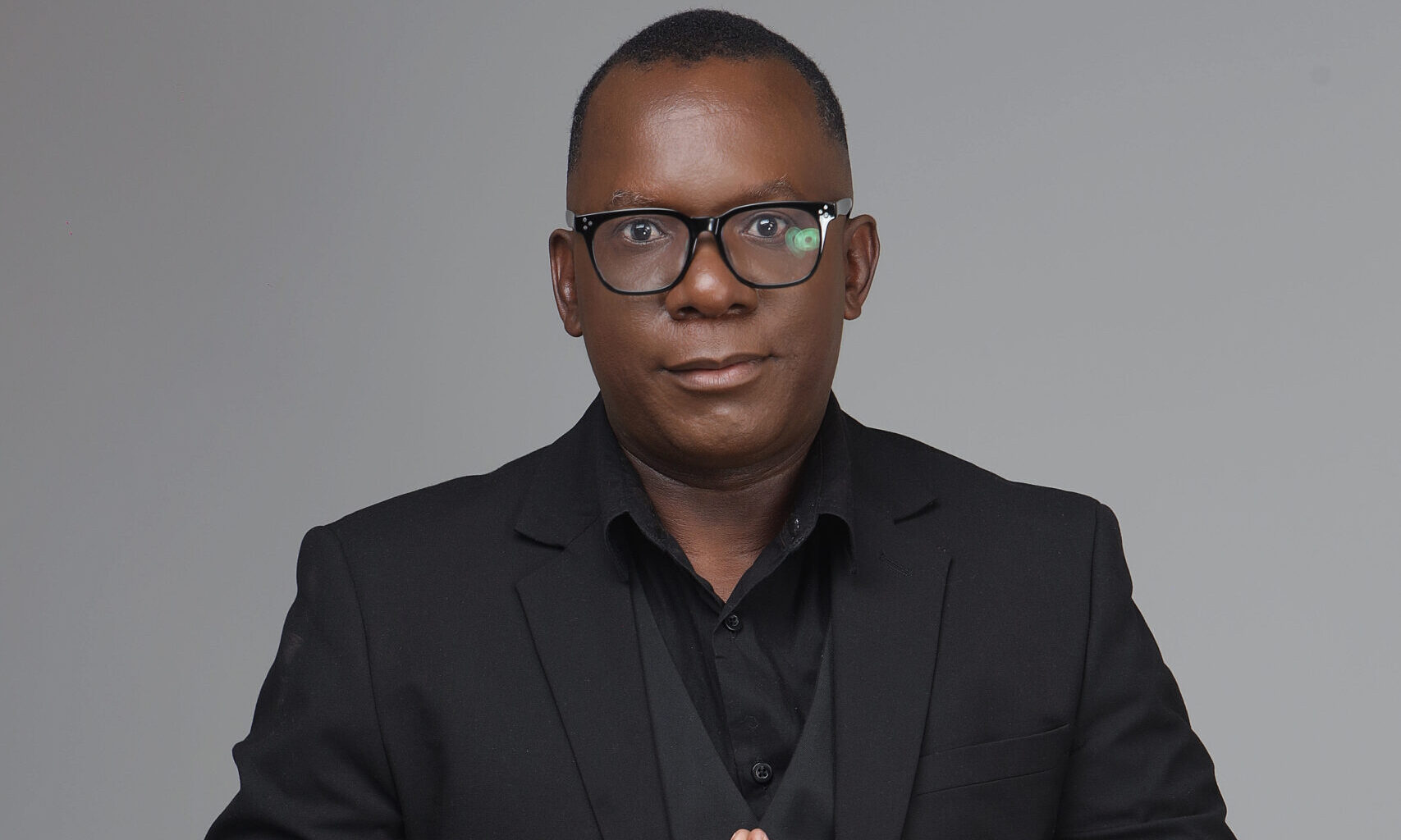
An ongoing issue since the early 1990s, this time the charge is being led by Don Laka, for decades a leading figure in South African jazz, pop and kwaito as a musician, producer and founder of influential label Kalawa Jazmee - and long one of the most vocal advocates for more local music on radio.
Fed up with the situation, Laka has over the past month grown increasingly vocal in his criticism of the SABC, first on social media, and then in the mainstream media. Among other things, he shared his royalties payslip from SAMRO on Facebook, showing just how little he earned from airplay of his songs from his catalogue stretching back some 30 years. In 2013 he earned only about R3000 (roughly US$160) for royalties.
Laka also alleges that the crisis has resulted in the loss of 15 000 direct jobs in the music industry, and that hundreds of millions of Rands leave South Africa every year in royalty payments to foreign artists, money that could have in part gone towards support local acts.
Laka focused his anger on one station in particular, Metro FM, accusing it of being "the single biggest destroyer of our industry and culture, harbouring American agents responsible for most of our royalties leaving this country. It has impoverished our artists and continues to brainwash the community". Laka later went on to single out popular DJs at Metro FM as ‘frauds’, emphasizing that DJs are not musicians – and when they are the ones both releasing and playing the music, this amounted to a conflict of interest.
Speaking this week to Destiny Man, Laka said: “Thousands of people have been left jobless and money is constantly leaving South Africa because of the overplaying of international music and this hasn’t been addressed. People need to understand how the music industry works and how big an impact radio airplay has on an artist’s livelihood…. I need to fix it here and this is why I’m bringing awareness to this issue that’s killing South African musicians.”
Growing public support
Though inflammatory, Laka’s comments clearly caused a stir. His Facebook account was mysteriously shut down this week, apparently to limit the fallout from his ‘nuclear’ posts. Laka simply set up a new account to continue the conversation.
While the DJs in Laka’s line of fire were quick to dismiss his accusations, other musicians have added their voices to the cause. Local rapper Cassper Nyovest, arguably one of the few local artists to be earning decent money at the moment (largely due to live performances and endorsements rather than airplay royalties) took to Twitter on Saturday 20 February, writing: “Last night my Uber driver asked me a question. He asked me if American stations play South African music as much as we play them here… I told him they don't even know we exist at all. Last time they heard of a South African musician it was Lucky Dube."
As a solution, Nyovest called for unity among musicians: “There is something you can do: complain. We have been taught that our voices don't matter but they actually do….We really need to stop fighting each other and start fighting for each other!”
Kwaito act and TV personality Zola, reportedly fallen on tough financial times recently, added to the debate: “Sometimes when you invade a country, you don’t need guns you just need Lil Wayne. Send him with Birdman and Drake and you can change a country completely, mentally… We simply lack patriotism,” he said in the interview recently posted on Facebook.
Outside the music fraternity, the call for more local content on radio has been supported by various commentators in the general public. Commentators Nkokhi Mlangeni and Maruping Phepheng have penned thought-provoking opinion pieces sympathizing with musicians and warning of the implications of the SABC’s policies on the future of the local music industry. Emmanuel Mahlangu commented on Don Laka’s Facebook wall: “We are no longer enjoying the creativity of SA. Our heritage is being killed by South Africans at SABC and other media companies supporting hip-hop and house - that music is not ours.”
Where to now?
In early February, Laka also let a group of prominent musicians, including Simphiwe Dana and McCoy Mrubata, to meet with the SABC top brass to discuss the ‘disappearance’ of jazz from SABC stations. Their concerns appear to have fallen on deaf ears, although one can only hope that they are considering making changes.
The SABC has been the target of ongoing criticism in recent years, not only for the music they play but also for allegations of rampant corruption and mismanagement among its leaders.
SABC spokesman Kaizer Kganyago gave a circuitous non-statement in response to Laka’s recent accusations: "We do not want to comment on that except to say that music played in South Africa is regulated. Again, there is no way that we can misuse any state resources because we are accountable at the end of the day. You know that we are accountable to the people through parliament."
Kganyago also recently appeared to threaten SABC radio DJs who sympathise with the plight of local musicians and might be tempted to stray from the prescribed playlists, warning in an article published in the Daily Sun: "If anyone plays their own music, we will suspend them."
Laka’s grievances call into question the Local Content Policy of the national regulator, the Independent Communications Authority of South Africa (ICASA), which requires community radio stations to play a minimum of 40% South African music and commercial stations like Metro to play 25% local content. According to the Mail & Guardian, ICASA is in the process of finalising a review of local content regulations for radio and TV, a process that is set to be finalised by the end of March.
Metro FM station manager Sibongile Mtyali told the M&G that the station was in fact exceeding its prescribed local quota. “We are governed by the regulator, like any other broadcaster in South Africa, and there are set targets of what we are supposed to deliver in terms of music, especially for local content… On a monthly basis, Metro FM delivers around 50% of local music, and that’s a target we’ve set for ourselves and that’s how compliant we are with local quotas. Of course there will always be complaints that we are not playing enough, but what is enough local music?” asked Mtyali.
South Africa has a unique history and media landscape, shaped by decades of apartheid, during which the SABC actively used radio to enforce its policy of ‘separate development’ by setting up separate radio station for different language groups. Since the dawn of democracy in the early 1990s, the issue of local quotas has been a constant battle for local artists. In 2010, the year the country hosting the FIFA World Cup, for a few weeks radio stations committed to upping their local content - ironically, for the large numbers of foreign visitors to country who were expecting to hear local music on the radio (I wrote this at the time - little has changed).
The issue of American music dominating African airwaves is of course not unique to South Africa. In recent years similar protests have erupted in other African countries such as Kenya and Gambia. Kenyan band Elani recently came out to accuse the Music Copyright Society of Kenya (MCSK) of grossly underpaying airplay royalties to artists.
By comparison, other African countries that have enforced strict quotas for local music, such as Zimbabwe (where at least 75% must be local), have witness the birth of entire genres based on the growing demand for local content – most famously in the case of the Urban Grooves genre. Further afield, Australia is often also hailed as an example of how enforcing quotes for local content (which vary according to the genre and station) can boost the local music industry.
With anger mounting at the SABC’s apparent unwillingess to budge on the issue of local content quotas – and the lack of diversity in what little local content actually is played - it remains to be seen whether local musicians, the music industry in general and the South African public at large will be able to present a unified voice and persuade the powers that be in government that the future of South African music is in their hands. Surely the promotion of local music to ensure the wellbeing of the country’s artists is not too much to expect from the state broadcaster?


Most popular
Open call: 2026 Gender@Work music industry training in Johannesburg
09 Oct 2026

Top amapiano songs of 2026
16 Feb 2026
Gambia: Suntou Susso announce UK tour for ‘The Path of a Griot’
09 Oct 2026

Top Afrobeats songs of 2026
19 Mar 2026

Top Naija songs of 2026
31 Mar 2026
Call for applications: ACCES 2026 Emerging Artist Spotlight Competition
01 Oct 2026
Disclaimer: Music In Africa provides a platform for musicians and contributors to embed music and videos solely for promotional purposes. If any track or video embedded on this platform violates any copyrights please inform us immediately and we will take it down. Please read our Terms of Use for more.

Subscribe to our monthly Newsletter
Follow us on social media


Please log in to post a comment.