


















































African artists left fuming by BET Awards fiasco
02 Jul 2015 - 13:30


The BET Awards - which took place in Los Angeles, USA this past weekend - face a backlash of criticism, with many African artists coming out strongly against the awards for what they perceive to be unfair treatment. Chief among their concerns is that African artists were not given adequate time on stage, unlike their American counterparts. Some feel that the treatment of African artists is nothing short of humiliating and have even called for a boycott of the event.
Despite initial hope following the nominations that Africa would feature strongly, this turned out not to be the case. In the main African category of Best International Act (Africa), Ghanaian dancehall artist Stonebwoy was elected winner ahead of his countryman Sarkodie, Nigerian stars Wizkid and Yemi Alade, South African acts AKA and The Soil, Congolese singer Fally Ipupa and Kenyan Afro-Pop band Sauti Sol. However, the handing over of his award has sparked widespread controversy as it apparently took place backstage hours before the main event.
Nigerian nominee Yemi Alade, who opted not to travel to the US to attend, has spoken out on social media against the awards. “Africa is not a country! It is wrong to nominate huge African stars and publicly try to humiliate Africa. Why on earth is the African category of the awards held hours before the main event?” she tweeted, suggesting that African artists were not considered “worthy”. Alade then went further, calling for the African category to be cancelled if the winners do not get a chance to receive their award at the main event, and urging for greater "credibility".
Fellow nominee and 2012 co-winner Wizkid also declined to attend the BET pre-shows and nominees party, although he later appeared at the main event. He revealed his frustration in a series of tweets directed at the organisers: “I'm hearing BET is mad because I didn't come for the pre-shows and interviews… But I won’t be attending your pre-shows and nominee parties if I’m getting the award at 10am before the main show - same reason I didn't come backstage to pick up the award when I won the first time”. He soon toned it down, however, tweeting: “I love you BET! If I'm in the city when next you're doing the award show, I'll still come to watch!”
Influential Nigerian musician and promoter Ade Bantu also took to social media to express his anger. “So African artists are finally waking up to the fact that the Africa category of the BET Awards is nothing but a farce,” he wrote on Facebook. “Well, if they had done their research and previous winners had shared their horrific experiences and not sugar-coated things, we wouldn't be wasting time on this issue. But young African artists are desperate for global attention, so desperate to break into the American market that they would sell their soul to the devil in a heartbeat. Unfortunately the continent's music market lacks structure and a voice, so the peddlers of hype and fame are having a ball exploiting young impressionable kids promising them photo opps with Nicki Minaj and Jay Z.”
Nigerian Afro-pop artist Imelda J also blasted the organizers. Although she was not nominated, her cousin was reportedly was among the stage technicians that worked on event. She claims that the organizers made African superstars Tiwa Savage and Mafikizolo perform not during the main event in front of invited guests, artists, fans and the media - but instead in an empty rehearsal room in front of technicians, cleaners and workers, “BET organisers keep taking African artists for granted… How can they allow Tiwa Savage and Mafikizolo to perform to a crowd of technicians and crew?” she tweeted this week, before calling for a boycott of next year’s event. “All I am just trying to do is to put my thoughts across in order to activate the self-worth in our African artists,” she added.
Meanwhile, controversial US-based pop star Dencia, who has roots in Nigeria and Cameroon, also joined in: “Focus on the fact that African artists still get awards five hours before the show in front of empty seats, not my outfit”. She elaborated: “While you were worried about my outfit, your faves were waiting to give a speech in front of empty chairs with pictures at an award show made for black people. I wish y’all will be telling BET to fix that… I think African artists should be treated equally (like the American artists). How are you bringing cultures together if you aren’t putting them together officially?”
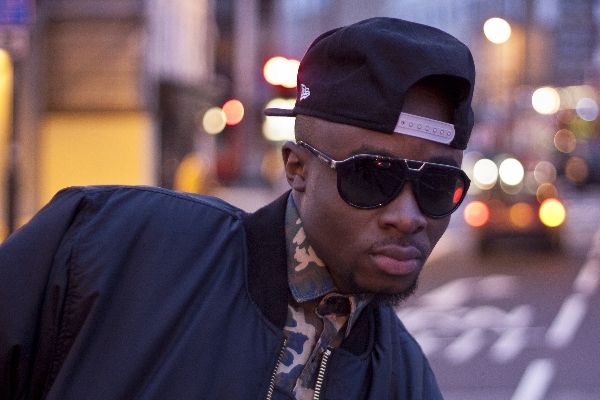
British and American-based artists of African descent were nominated in other categories. Some also came out strongly against the awards. Ghana-born, UK-based musician Fuse ODG, who was nominated in the Best International Act (UK) category, ended up boycotting the ceremony completely. “The reason why I didn’t come is because you give out awards backstage! You have no respect for our hard work and achievements,” he tweeted, referring to his decision to not attend the ceremony but instead to perform at the Glastonbury music festival in the UK.
US-based Nigerian entertainment law expert Uduak Oduok noted that the issue is not new and has been ongoing since 2011. She recently wrote on her website: “In 2010, BET launched the BET Awards’ Best International Act (Africa) category. The African artist nominees footed their own bills and flew over 6 000 miles from the continent to attend the BET Awards. Nevertheless, they received their awards backstage. What was interesting was that fans on the African continent stayed up to watch their stars on the BET stage but never saw that happen…
“After much public outcry, BET graduated from backstage to having our artists receive their awards on stage in front of an empty room. This year, I honestly believed things would be different… Instead, it is the same story five years later… I am unsure why BET continues this pattern and practice but it is good to see the artists themselves now refusing to show up for the awards,” wrote Oduok.
Meanwhile as anger grows, a Facebook group has been formed calling for African artists to boycott the event next year.
The BET Awards expanded to Africa in 2011 with a joint award given to two African acts. It has since been reduced to a single winner. Previous winners include 2face Idibia and D’banj (2011), Wizkid and Sarkodie (2012), Ice Prince (2013) and Davido (2014).


Most popular
Call For Applications : ACCES seeks a UK-based performer
10 Sep 2026

Top amapiano songs of 2026
16 Feb 2026

Top Afrobeats songs of 2026
19 Mar 2026
Open call: Goethe-Institut grants for Southern African creatives
08 Sep 2026
AFRIMA 2026: All the winners
12 Jan 2026
Open call: FAME Week Africa, Pressure Cooker Studios songwriting camp
09 Sep 2026
Open call: Ernst von Siemens Music Foundation 2026 funding programmes
04 Sep 2026
Disclaimer: Music In Africa provides a platform for musicians and contributors to embed music and videos solely for promotional purposes. If any track or video embedded on this platform violates any copyrights please inform us immediately and we will take it down. Please read our Terms of Use for more.

Subscribe to our monthly Newsletter
Follow us on social media


Please log in to post a comment.