










































NEFCISA
NEFCISA

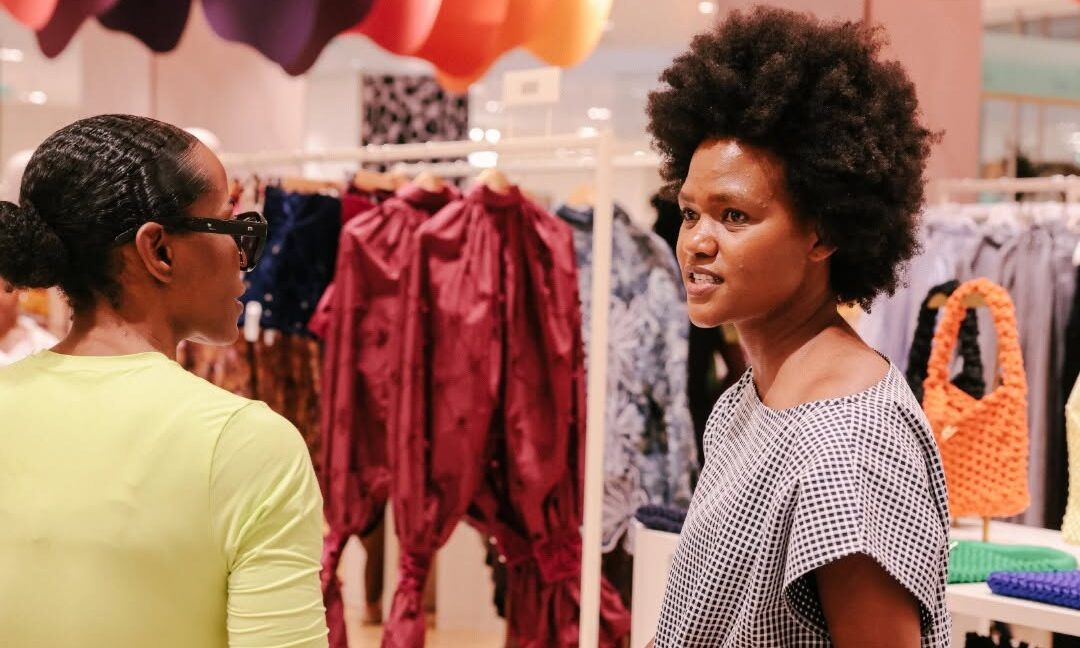
The Music In Africa Foundation (MIAF) is proud of its partnership with the Industrial Development Corporation (IDC) as a Strategic Implementing Partner (SIP) for its Social Employment Fund (SEF). Through this collaboration, MIAF is running a national programme that is creating jobs, addressing skills gaps, and strengthening South Africa's creative industries — in line with the SEF's overarching goal to generate work for the common good and build community value through employment, social contribution, and inclusive economic participation. Operating under the banner NEFCISA (National Employment Facility for Creative Industries in South Africa), the initiative is recruiting and training participants, matching them with host organisations, and has already placed 1 500 workers across the country — surpassing its original target of 1 000. NEFCISA is delivered through a network of 20 host organisations spanning five provinces, who are actively hosting participants and contributing to work for the common good across South Africa's creative and cultural industries. Key Objectives: Support employment and entrepreneurship in the creative industries. Offer skills development and training programmes. Foster partnerships between public and private creative sectors. Promote South African creativity at both provincial and national levels Foster community development through social contribution.

ACCES
ACCES

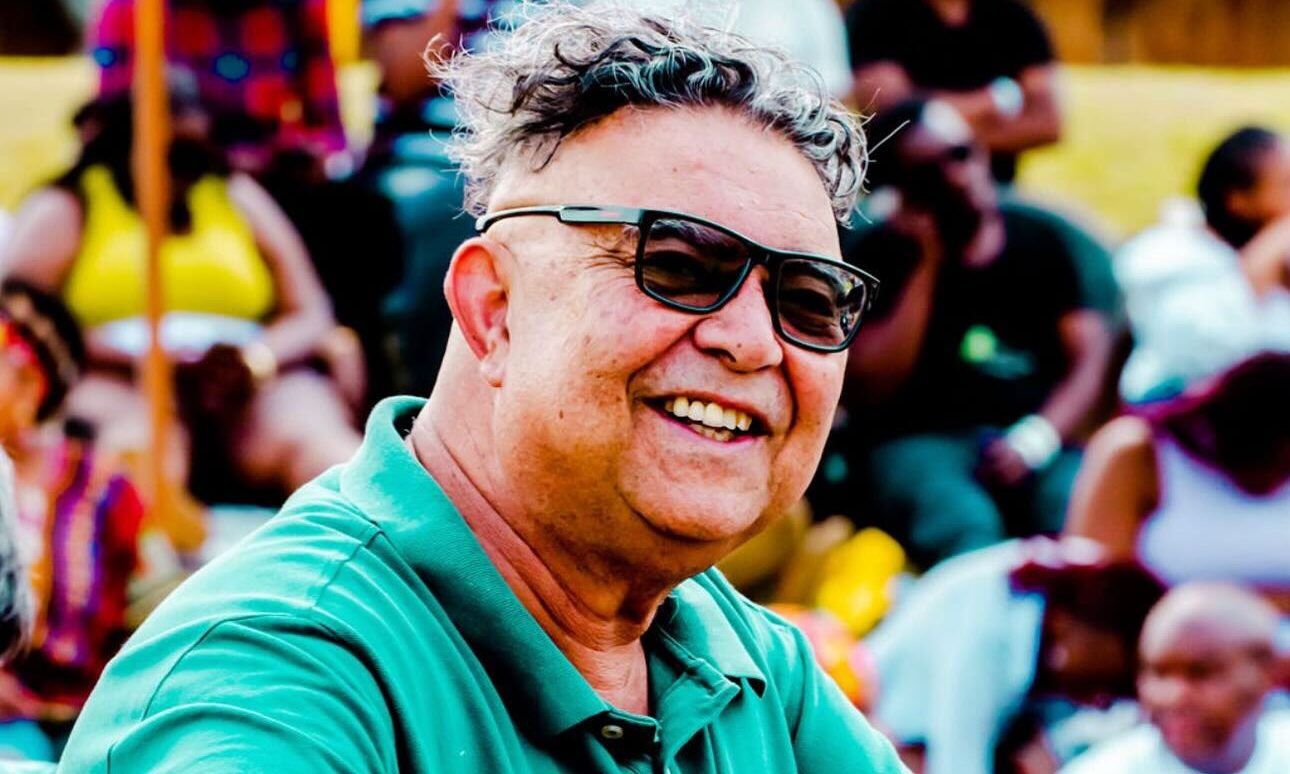
ACCES Conference and Showcase Festival is Africa's leading music industry gathering, bringing together the people shaping the future of the continent's music business. Artists, entrepreneurs, executives, investors, policymakers and cultural leaders from across Africa and around the world come to ACCES to build partnerships, exchange ideas, discover talent and create new business opportunities. Since its launch in 2017, ACCES has become the continent's premier platform for professional exchange and music market development. Combining a high-level conference with a curated showcase festival, networking, exhibitions and industry programmes, ACCES offers a unique space where creativity meets business and where African music connects with the global industry.

Gender@Work
Gender@Work

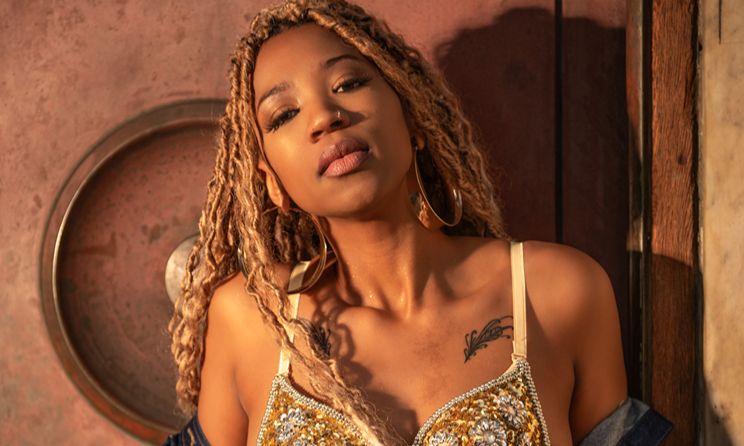
Music In Africa Gender @ Work is a three-year training programme aimed at upskilling and increasing the participation of female professionals in the African music sector. Launched by the Music In Africa Foundation (MIAF) in April 2019, the programme is connected to the MIAF’s ACCES music conference – a pan-African event held in a different African country every year. This connection enables the programme to reach new participants in a different African country every year. The programme marks the beginning of a more concerted effort by the Foundation to support the participation and inclusion of women in all facets of its programmes and the music sector in Africa as a whole. Over the three years, the programme will aim to address gender imbalances in the sector through training, lobbying, facilitating knowledge exchange and dialogues that foster the interest of women. The broader objectives of the programme are to: Provide industry training for women on critical music industry skills, focusing on: Stage management Electronic music production and recording Music business management Technical knowledge Provide an opportunity for both professional and aspiring women to benefit from the Music In Africa network and its broad range of activities in 2019, 2020 and 2021. Provide a solution-based platform in the form of a round table at ACCES with a view to identify challenges, discuss opportunities and lobby for the interests of female practitioners. Offer participants the opportunity to benefit from programmes offered by MIAF’s partners. Increase access to educational materials. Integrate participants in the broader ACCES programme to maximise experience and exposure to the industry. Record and present training materials on the www.musicinafrica.net, including but not limited to tutorials, templates and other best-practice materials. Communicate women-based themes that support the initiatives and messages of the programme. MAIN TRAINING ACTIVITIES Training in first country (Ghana): In the first year, participants will be trained on all aspects of stage management by a team of experienced stage managers from 10 to 17 November 2019. The programme will offer robust classroom training as well as practical, hands-on training in which participants will also be given the opportunity to manage various aspects of the ACCES performance programme. Training in second country: The second training iteration will take place at ACCES 2020 when the programme will diversify its course to include music production lessons and training on other music business topics. A round-table platform will also be introduced to coincide with the ACCES programme. Training in third country: The third training iteration will take place at ACCES 2021 in a different country, offering an advanced course. HOW DO YOU GET INVOLVED?  As a participant, facilitator or trainer: The programme enrolls up to 12 trainees every year. All opportunities are advertised publicly on this website, and will be added to this page. Please keep checking this page for new calls (below under UPDATES & CURRENT OPPORTUNITIES). As a partner Please contact Claire Metais at [email protected]. APPLY The call for applications for 2020 will be announced soon. The Music In Africa Gender @ Work programme is made possible with the support of the Prince Claus Fund, Siemens Stiftung and Goethe-Institut.

Sound Connects Fund
Sound Connects Fund

For cultural and creative practitioners and organisations operating in southern Africa, access to funding remains a major challenge. The COVID-19 pandemic has also had a massive impact on government policy, spending and the economy in general, and has seen spending on culture being moved further down the list of priorities. Further, the cultural and creative industries repeatedly cite four main areas where investment is needed for growth, which are increased visibility, mobility including access to new markets, finance and support structures.

Instrument Building And Repair Project

Experience the Vibrations African Instruments Exhibition online in 3D

Home / Artists & Industry / Jean-Paul Samputu
Jean-Paul Samputu

Jean-Paul Samputu

Solo artists
linkedin

Profile added by Stanley Gazemba on 18 Aug 2014

Claim this profile

flag-img

Kigali, Rwanda

In operation since:

1977

Contact person:

Jean-Paul Samputu

BIO

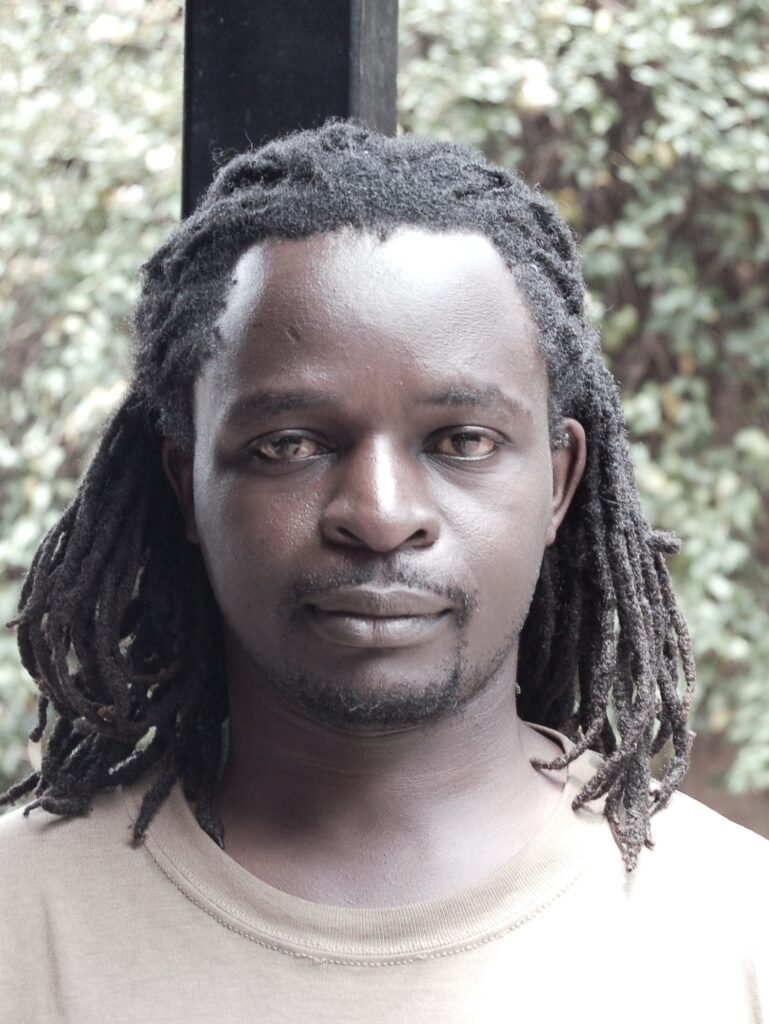
Jean-Paul Samputu (born 15 March 1962) is a singer, songwriter, and musician from Rwanda. Jean-Paul has established himself as one of the most prominent African artists on the world stage. A winner of the prestigious Kora Award in 2003, Samputu travels the world as a cultural ambassador for Rwanda, bringing to his audiences not only traditional African singing, dancing, and drumming, but also a message of peace and reconciliation.

A survivor of the genocide in Rwanda, Samputu takes us to the most positive place of humanity through his spirit and graciousness. More than a talented and inspiring musician, Samputu is a model for anyone who wants to make a difference in this world today.

Samputu began singing in 1977 in a church choir, and was influenced by traditional and contemporary music, including Stevie Wonder, Bob Marley, Jimmy Cliff, and Lionel Richie. After winning the Kora Award for Best African Traditional Artist in 2003, he arrived in the US in 2004 for Ten Years Remembering, an event commemorating the 10th anniversary of the genocide in Rwanda.

He continues his efforts to educate young people about genocide through panel discussions and forums at colleges and universities across the country. Samputu has been honored with the opportunity to share his message and his music at The National Civil Rights Museum for the 2005 Freedom Awards, where he performed in front of honorees Oprah Winfrey, and Ruby Dee, as well as the ceremony's host, Golden Globe Award winner Angela Bassett.

He is one of only two African artists to perform for the World Culture Open at the Lincoln Center in New York, and has also performed for the UN High Commissioner for Refugees for World Refugees Day.

His latest CD, 'Abana', showcases Samputu's versatility. His recordings are steeped in the many rich traditions of Rwandan music and dance, and include influences from Uganda, Burundi, and the Congo, as well as pygmy voices and traditions. It is this deep and fertile mix of songs, instruments, and dances that embodies Samputu's tremendously varied talents.

Samputu sings in 6 languages (Rwanda, Swahili, Lingala, Ganda, French and English), and in styles ranging from soukous, rhumba, vodou and reggae, to traditional Rwandan 5/8, Afrobeat, pygmy, and gospel. He combines unique musical traditions from all regions of Rwanda, among them, Intwatwa, Umushayayo, Imparamba, and Ikinimba. His dance technique and style demonstrates why UNESCO officially declared Rwandan national dance one of the world's Unique Cultural Heritages.

In the 1980s, Samputu was a member of popular Rwandan band Nyampinga, who produced three albums. In 1985 he produced his first solo LP, 'Tegeka Isi'. Throughout the late 1980s he was a member of Orchestra Ingeli. Samputu toured Europe in 1993, and released his 'Twararutashye' LP. During the Rwandan genocide in 1994, he lost his parents and three siblings. In 1998 he moved to Canada.

Photos

Music

Jean Paul Samputu - Ten Years Remembering Rwanda

Music With No Borders
04:16

Videos

Coming soon

Social Networks and Websites

Disclaimer: Music In Africa provides a platform for musicians and contributors to embed music and videos solely for promotional purposes. If any track or video embedded on this platform violates any copyrights please inform us immediately and we will take it down. Please read our Terms of Use for more.

newsletter banner

Subscribe to our monthly Newsletter

Follow us on social media