
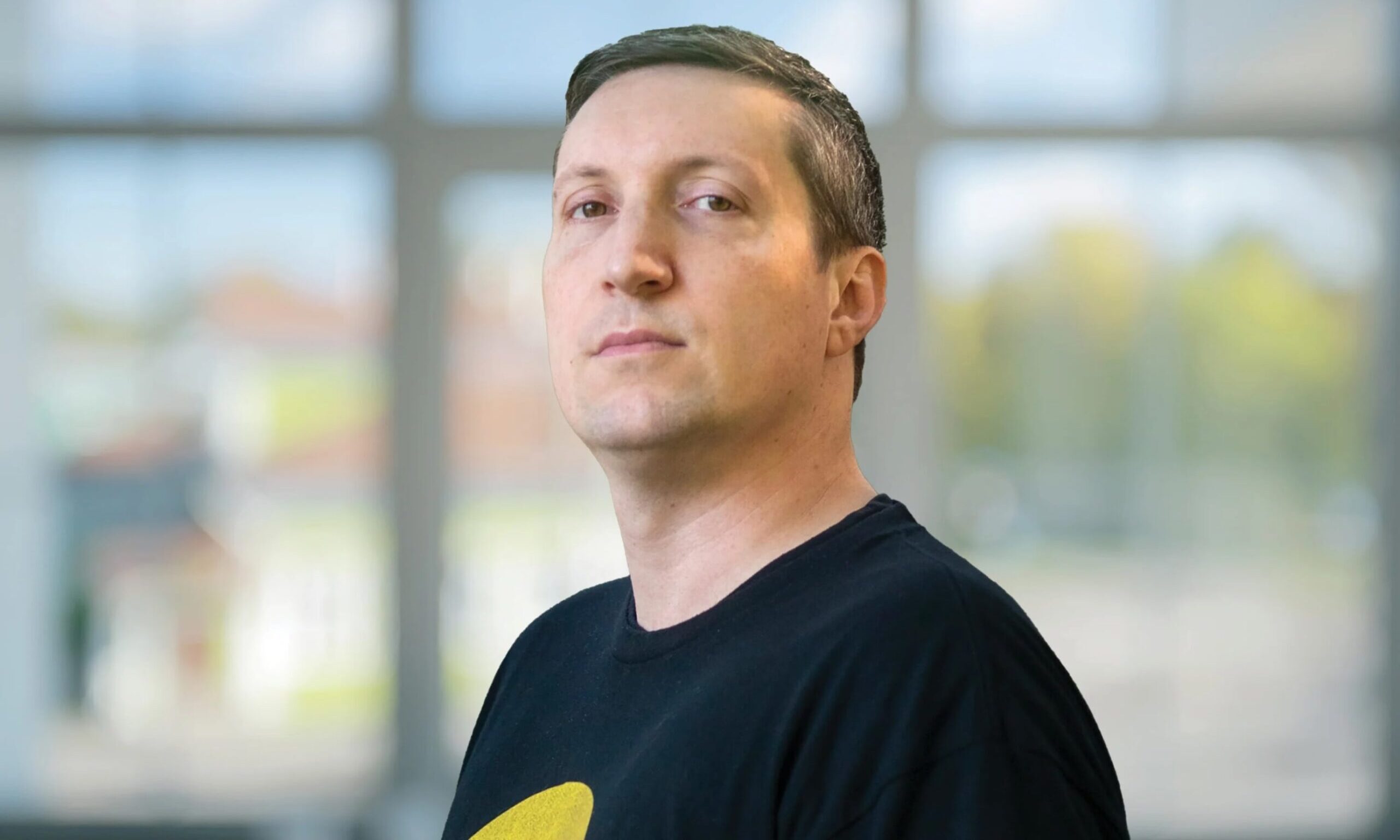
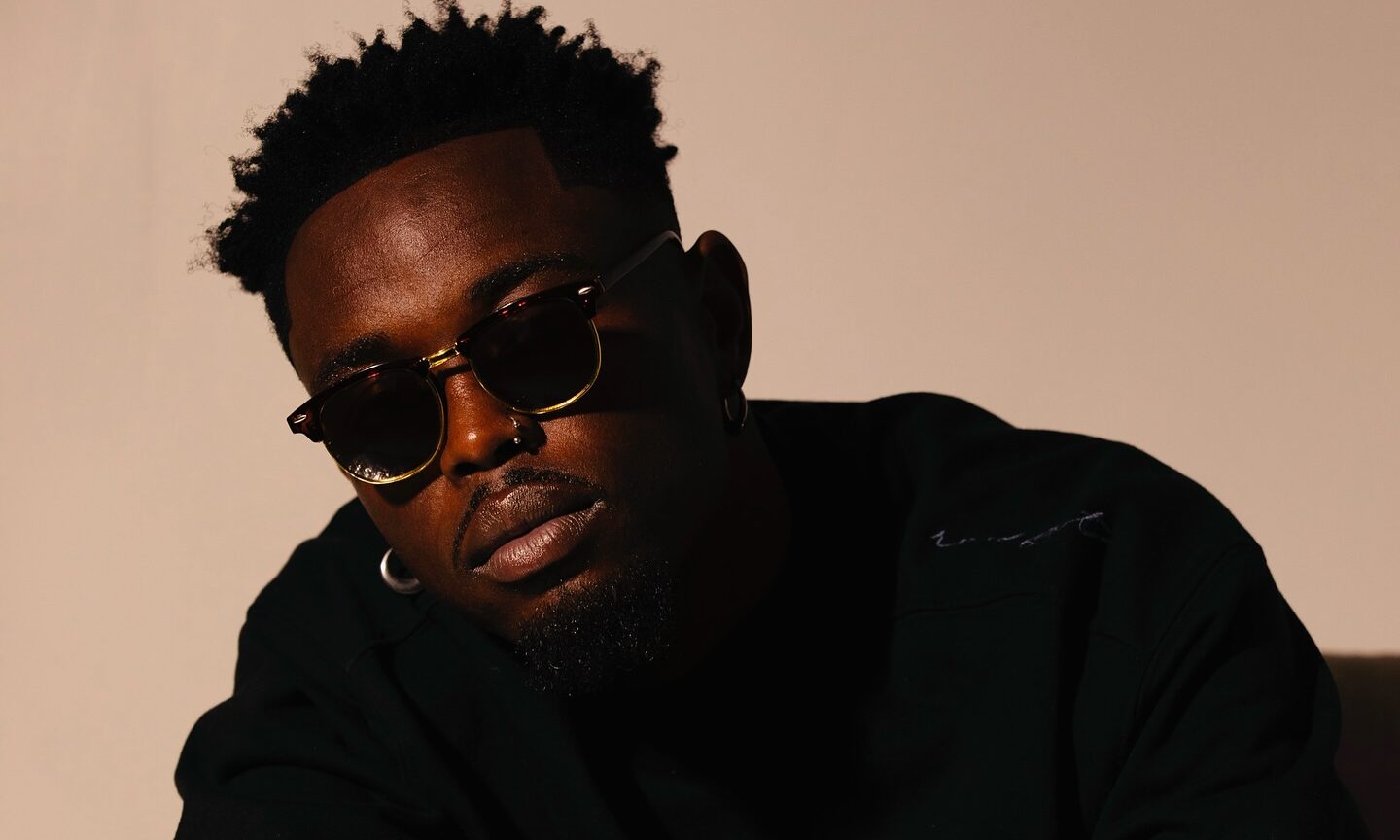
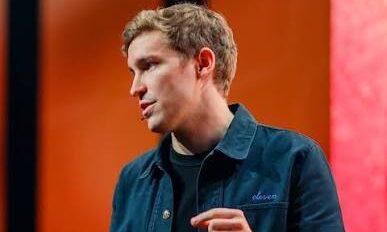















































Loui Lvndn is the kind of charismatic guy who could get into persuasive oratory, like political spinning, speech writing and populist demagoguery, if he so wishes. He could command a room of fence sitters and have them throwing themselves into voting booths like demented lemmings. He could write a 500-word letter to that well-poisoning chemical plant and have the lawyers running for settlement.
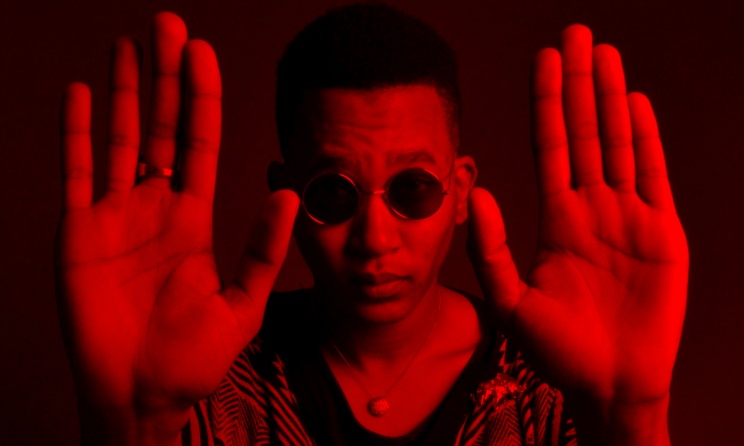
But Loui Lvndn is an artist. An honest SOB addicted to creativity. A progressive combating cultural stagnation. If he's not making some of South Africa's most convincing alternative music, he's working on an album cover for one of his favourite artists. And although I don’t agree that advertising comes anywhere near music as a creative enterprise, Loui Lvndn (pronounced 'London') has good reasons for investing time and energy in that sphere.
He's just released a single off his 2017 album You Princess Is In Another Castle and we're sitting in Johannesburg to talk about what's next. And even though the multidisciplinary artist is very much about the future, he can't help but allude to an emotionally burdensome past that forged the character he is today.
But he's never too specific, leaving an air of elusiveness – an admirable trait for musicians who want to tell their story through music as opposed to pornographic tales of pity disgorged on social media or whenever journalists ask for them. When I ask him when he was born, he sings in a baritone voice, "I was born in 19-never, because a lady never tells her age." His past is a sacred vault that he opens now and again to extract handpicked memories as healing inspiration, and he says big things are coming out of there soon.
Tell us about your latest single. Can we expect a new video along with that?
I just did a new video for 'Fire is the New Black' off my You Princess Is In Another Castle album. It's got this screeching, arresting and alarming guitar. It's a song that's like, 'What did I just put in my CD player?!' It's kinda like my favourite track on the album. It's not a single from the record label or anything like that, I just wanted to put this track out. So I went ahead and collaborated with one of my favourite designers, a cool kid by the name of Lethabo Motlale, who dresses Amanda du-Pont. His style is super rad, so we shot this video that's a moving editorial where we captured models in between poses in this crazy grade with overly blackened faces. It's very heavy and very dark. The video will be coming out next month, so I'm very excited.
What about new music from you?
Yes! I've got a new album. I actually haven’t stopped writing at all. In the last five months I intensified my writing and really got into a different vibe and groove. I really wanted my next project to be a specific type of sound. My writing has gone to a point where obscurity for obscurity's sake is no longer there. I'd rather engage you on the first listen, and as you listen to it more and delve deeper, you pick up certain hues and clues. So it's like blending subliminal and subversive messaging, yet making you jam to the music. There's a song about suicide in there, but it's also the most jiggy track. It's definitely one of my deeper projects.
It must be difficult to work within such contrast, where your psyche says one thing but the output is the opposite.
Definitely. But the idea is that when you're writing it, do you want people to continue to be morose? Let's say I'm writing a song about suicide and I'm speaking to a certain demographic in South Africa that is affected by mental health disorders. Am I going to perpetuate the subject in order for people to fall deeper into that hole? I'm not writing songs to help people to commit suicide to. I can speak about my own experience, but I'd love to get you to that place that helped me get out.
Musicians have a little trick – and I know mental health is a huge topic – but my personal way to deal with hectic problems is to write a song. Then I record it, and when I perform it, it's literally the end of a therapeutic cycle.
How do you feel about having to perform the same song a million times? When is a song's expiration date?
There is no expiration date. You channel it every single time.
Do you add new bits and pieces to a song to make it more exciting for yourself?
Absolutely. I play with a live band, so my guitarist would tell me, 'I've got this idea, I think we should jazz it up a little bit, or add classic rock licks, or we'll go straight hip hop with this.'
How does the audience respond when you've changed certain elements of a song? Many African audiences expect songs to be delivered the same way they are on an album, so a lot of artists just go out there with a backtrack to appease.
You kinda have to to some degree. I use backtracks for backing vocals and a few synthetic elements that you wouldn’t want to reproduce. We've had like eight people on stage [laughs]. After the last show we did, a few people said, 'Yo, that live version you did of 'The House', can we get a live version of that song?' So, you know, it's always different. If we were tasked to play it strictly into the album, it's doable, but it's just not fun.
Do you prefer live or studio?
Live. I mean, in studio I do this thing where I pretend that I'm preforming live [laughs]. So I get behind the mic, even though I'm in this small, small room, and I imagine that I'm preforming for an audience of thousands to get the best vocal take. So live is definitely where the fun is at.
Eight people is quite a big band...
My first Oppikoppi performance we had eight people. I had a dude on a shaker. I had shub-doo-wop girls. You gotta have them [laughs]. Actually, I had a backing singer, two guitars, a crazy drummer, his name is Leagan [Breda], keys, a bassist, and of course someone working with the Logic track. Nowadays we're keeping it tight: me, a bassist, guitarist and a drummer. We're very tight and the guys just tear it up. My guitarist is insane. He's the type of guy you don't tell anything. 'Dude, make some nice things' and he just does it. Similar with my bassist. I think it's cool that they were fans and we linked up and started making music. I mean, they're very excited to be a part of the journey.
When you write the music, is it mostly you?
It's me. It's me with a guitar or a keyboard. I've got this Akai MPK Mini, which I use to fiddle with, and so a lot of the demo production is done on my side now. So I compose a lot of my tracks and a lot of the rhythms and melodies come from the guitarist. We plug that into Ableton and then we start bringing in other people, like a producer, and they take it to another level. If I play a guitar piece, I would bring my guitarist in to improve it. So yeah, a lot of my music is written by me in a dark room at 3am with my sexy girlfriend lying on my lap, cigarette butts and alcohol bottles everywhere [laughs].
What about mind-altering substances?
Yeah, yeah, I love ayahuasca, I take it every day [laughs]. No, not so much. I don't smoke weed anymore, I quit recently. I smoke cigarettes but I used to smoke weed and I had a really weird experience where I ate way too many space cookies. My friend made many cookies. I was hungry. You know that vanilla milk? 'Mmmilk'. It's delicious. These were chocolate brownies so I just went in, all the way in, and I had a supernatural experience, man. Things were falling off the wall [laughs]. I was high for like three days – it was crazy! So I stopped smoking right after then, but I didn’t lose anything in terms of writing ability or my lust for art. So it happens differently now.
Do you feel like you're inspired to make music all the time, or are there times when you don't want to look at music at all?
I think so. I haven’t figured out my pattern yet, but I think it happens in seasons. So I'll definitely have a writing season. I'm currently in my writing season. I think it lasts in spurts of six to eight months, then I will not want to write, I'd want to live, for at least four months to connect back with reality and friends and life. So I'll pick up inspiration, almost absorb and resist the urge to write. If I'm in offseason and an artist wants to collaborate, I'm there. But when it comes to my music, I'd take a bit more time and care to do my eccentric process.
Read part 2 of The Big Loui Lvndn Interview here.


Most popular
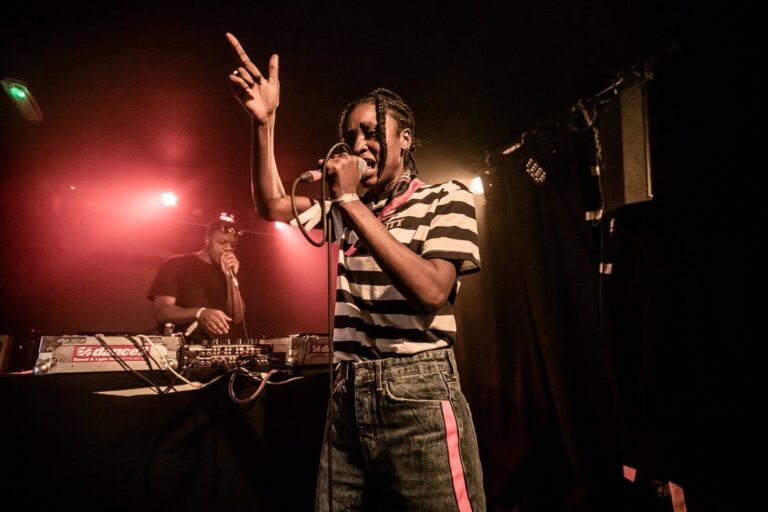
Call For Applications : ACCES seeks a UK-based performer
10 Sep 2026

Top amapiano songs of 2026
16 Feb 2026

Top Afrobeats songs of 2026
19 Mar 2026
Open call: Goethe-Institut grants for Southern African creatives
08 Sep 2026
AFRIMA 2026: All the winners
12 Jan 2026
Open call: Ernst von Siemens Music Foundation 2026 funding programmes
04 Sep 2026
Open call: FAME Week Africa, Pressure Cooker Studios songwriting camp
09 Sep 2026
Disclaimer: Music In Africa provides a platform for musicians and contributors to embed music and videos solely for promotional purposes. If any track or video embedded on this platform violates any copyrights please inform us immediately and we will take it down. Please read our Terms of Use for more.

Subscribe to our monthly Newsletter
Follow us on social media


Please log in to post a comment.