






































NEFCISA
NEFCISA

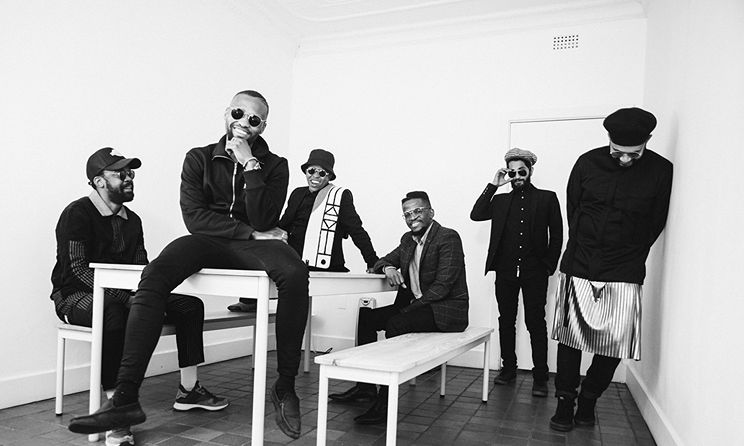
The Music In Africa Foundation (MIAF) is proud of its partnership with the Industrial Development Corporation (IDC) as a Strategic Implementing Partner (SIP) for its Social Employment Fund (SEF). Through this collaboration, MIAF is running a national programme that is creating jobs, addressing skills gaps, and strengthening South Africa's creative industries — in line with the SEF's overarching goal to generate work for the common good and build community value through employment, social contribution, and inclusive economic participation. Operating under the banner NEFCISA (National Employment Facility for Creative Industries in South Africa), the initiative is recruiting and training participants, matching them with host organisations, and has already placed 1 500 workers across the country — surpassing its original target of 1 000. NEFCISA is delivered through a network of 20 host organisations spanning five provinces, who are actively hosting participants and contributing to work for the common good across South Africa's creative and cultural industries. Key Objectives: Support employment and entrepreneurship in the creative industries. Offer skills development and training programmes. Foster partnerships between public and private creative sectors. Promote South African creativity at both provincial and national levels Foster community development through social contribution.

ACCES
ACCES

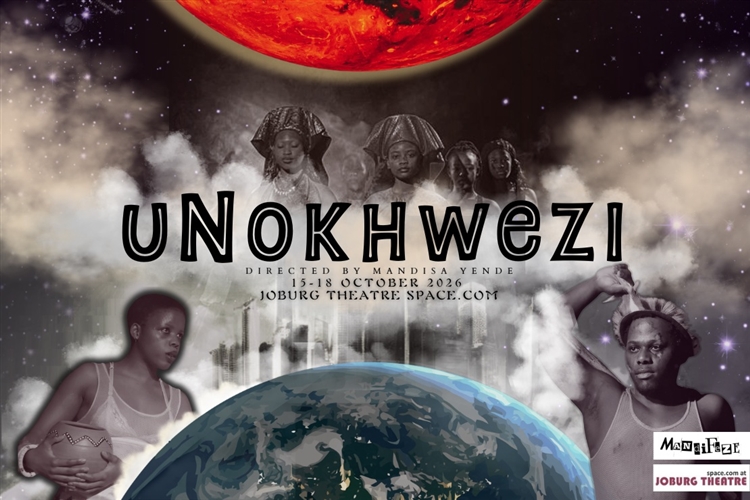
ACCES Conference and Showcase Festival is Africa's leading music industry gathering, bringing together the people shaping the future of the continent's music business. Artists, entrepreneurs, executives, investors, policymakers and cultural leaders from across Africa and around the world come to ACCES to build partnerships, exchange ideas, discover talent and create new business opportunities. Since its launch in 2017, ACCES has become the continent's premier platform for professional exchange and music market development. Combining a high-level conference with a curated showcase festival, networking, exhibitions and industry programmes, ACCES offers a unique space where creativity meets business and where African music connects with the global industry.

Gender@Work
Gender@Work

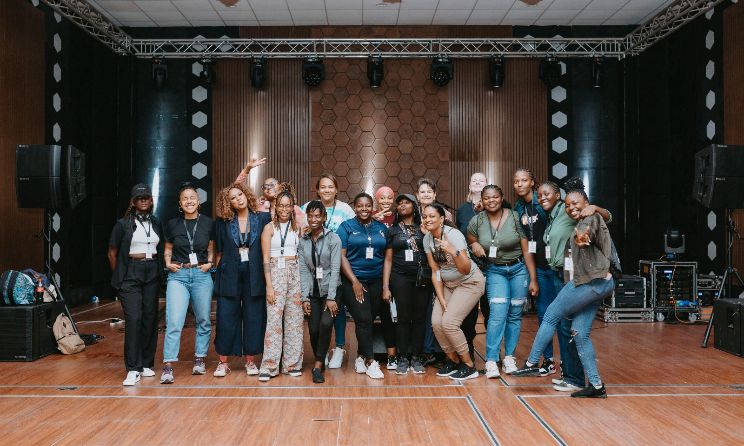
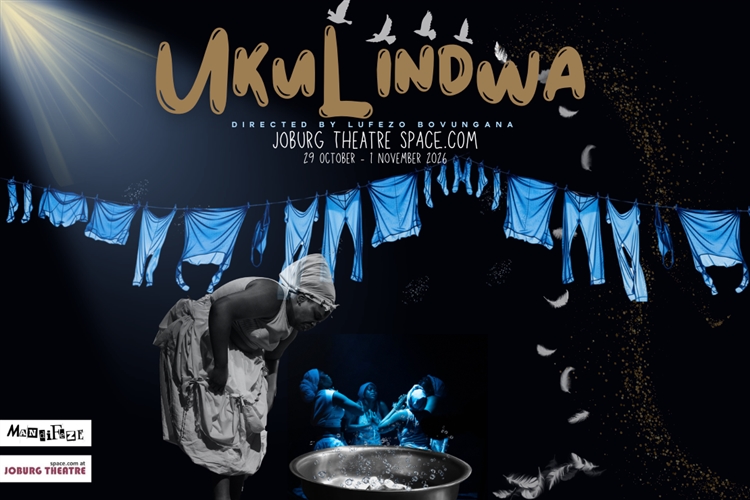
Music In Africa Gender @ Work is a three-year training programme aimed at upskilling and increasing the participation of female professionals in the African music sector. Launched by the Music In Africa Foundation (MIAF) in April 2019, the programme is connected to the MIAF’s ACCES music conference – a pan-African event held in a different African country every year. This connection enables the programme to reach new participants in a different African country every year. The programme marks the beginning of a more concerted effort by the Foundation to support the participation and inclusion of women in all facets of its programmes and the music sector in Africa as a whole. Over the three years, the programme will aim to address gender imbalances in the sector through training, lobbying, facilitating knowledge exchange and dialogues that foster the interest of women. The broader objectives of the programme are to: Provide industry training for women on critical music industry skills, focusing on: Stage management Electronic music production and recording Music business management Technical knowledge Provide an opportunity for both professional and aspiring women to benefit from the Music In Africa network and its broad range of activities in 2019, 2020 and 2021. Provide a solution-based platform in the form of a round table at ACCES with a view to identify challenges, discuss opportunities and lobby for the interests of female practitioners. Offer participants the opportunity to benefit from programmes offered by MIAF’s partners. Increase access to educational materials. Integrate participants in the broader ACCES programme to maximise experience and exposure to the industry. Record and present training materials on the www.musicinafrica.net, including but not limited to tutorials, templates and other best-practice materials. Communicate women-based themes that support the initiatives and messages of the programme. MAIN TRAINING ACTIVITIES Training in first country (Ghana): In the first year, participants will be trained on all aspects of stage management by a team of experienced stage managers from 10 to 17 November 2019. The programme will offer robust classroom training as well as practical, hands-on training in which participants will also be given the opportunity to manage various aspects of the ACCES performance programme. Training in second country: The second training iteration will take place at ACCES 2020 when the programme will diversify its course to include music production lessons and training on other music business topics. A round-table platform will also be introduced to coincide with the ACCES programme. Training in third country: The third training iteration will take place at ACCES 2021 in a different country, offering an advanced course. HOW DO YOU GET INVOLVED?  As a participant, facilitator or trainer: The programme enrolls up to 12 trainees every year. All opportunities are advertised publicly on this website, and will be added to this page. Please keep checking this page for new calls (below under UPDATES & CURRENT OPPORTUNITIES). As a partner Please contact Claire Metais at [email protected]. APPLY The call for applications for 2020 will be announced soon. The Music In Africa Gender @ Work programme is made possible with the support of the Prince Claus Fund, Siemens Stiftung and Goethe-Institut.

Sound Connects Fund
Sound Connects Fund

For cultural and creative practitioners and organisations operating in southern Africa, access to funding remains a major challenge. The COVID-19 pandemic has also had a massive impact on government policy, spending and the economy in general, and has seen spending on culture being moved further down the list of priorities. Further, the cultural and creative industries repeatedly cite four main areas where investment is needed for growth, which are increased visibility, mobility including access to new markets, finance and support structures.

Instrument Building And Repair Project

Experience the Vibrations African Instruments Exhibition online in 3D

Features

Celebrating 10 years of ‘Spotlight on Kenyan Music’

21 Sep 2015 - 13:28

cc-img flag-img

On 19 and 20 September, music enthusiasts were treated to an array of great songs with wide-reaching appeal at the grounds of the Kenyatta International Convention Centre (KICC) in Nairobi. 'Spotlight on Kenyan Music', a programme initiated by Alliance Francaise de Nairobi in 2005, was celebrating its decade-long musical journey of discovering, developing and promoting distinctive, contemporary Kenyan music.
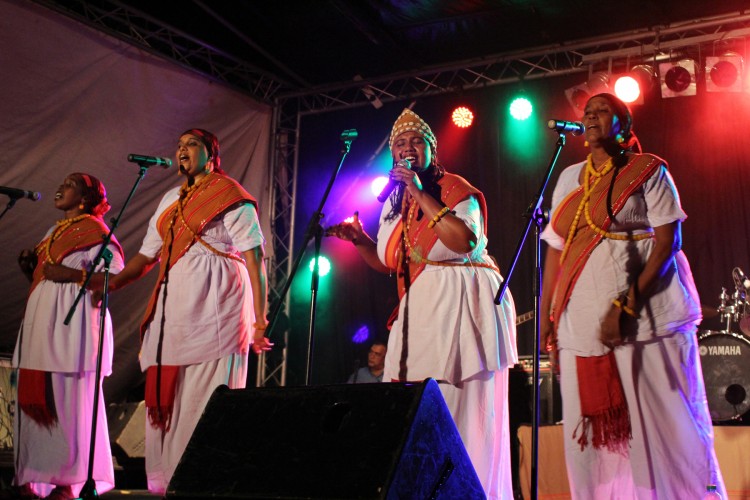
Gargar band from North-eastern Kenya. Photo: www.zuqka.nation.co.ke

A fusion of tunes from around Kenya was on offer during the two afternoons of live performances by several 'Spotlight' stars. Walter Koga set the pace with his music that echoes the nyatiti sounds in its celebration of African issues, defining the mood for the next two days. Unique percussive-filled danceable songs by Mzee Mwatela and his dancers from the Kenyan coast got fans on their feet, while tunes by the Gar Gar band from Kenya’s north-eastern region provided fans with music that is not commonly heard in most mainstream media in Kenya. Other artists that provided entertainment at the 10 year celebration of the music programme included Winyo, Makadem, Mohammed Guyo, Lelele Afrika, Chepchumba, Juma Tutu, Ontiri, Gargar and WOMEX-bound Sarabi.

Mutinda’s music traversed through space and time. Addressing day to day issues, Mutinda pelted some of his well-known songs, including ‘Nyumba Yangu’, ‘Pombe Kikombe’ and ‘Valavandu’. Mutinda’s music is a blend of modern African rhyhtms, ambient moods, rock and Afro-jazz. It contains the rare sounds and rhythms of Kenya's traditional music meeting modern world influences. He sings in Kiswahili and Kamba, a Kenyan local dialect among people from parts of eastern Kenya. For Mutinda, this was not just any other celebration. Speaking to Music In Africa, the artist said this was a special occasion for him too, as it was around the same time (2005) that he started to ply his trade as an artist. “It has been a fruitful journey for me. It was a coincidence that I was starting out my musical career when 'Spotlight on Kenyan Music' was launched. The platform provided me with the much needed exposure and financial support," he explained. "This celebration for me says a lot: I have been in the industry for 10 years now.”

Following his participation at the inital 'Spotlight' event, Mutinda was able to hold his first solo concert in 2006 before he went on to participate at major festivals such as Sauti Za Busara in Zanzibar in 2009 and a Europe tour in 2010. In 2011, his song ‘Simama’ won in the World Music category for Best Song at the prestigious International Songwriting Competition (ISC) in the USA. The artist, who grew up in Eastleigh, says he is now working on a new album, the working title of which is Hisia. “This album will be a way of marking my 10 years in the Kenyan music industry. It will comprise 10 tracks and I will re-work some my earlier music releases, such as ‘Valavandu’. Fans should expect the album in the first quarter of 2016,” said Mutinda.

The evolution of 'Spotlight on Kenyan Music' is a discovery of Kenya’s musical diversity, born of a cross-pollination of modern, contemporary music and local, traditional influences. Ketebul Music in Nairobi was instrumental in identifying and providing production support to the artists who were part of the programme. Tabu Osusa, the founding director at Ketebul, notes that 'Spotlight on Kenyan Music' has been a way to bring together artists.

Whatever the future holds for the programme should not be the point of focus, says Osusa. 'Spotlight' was one way to reach out and promote music that is not often heard much. Osusa elaborates: “In essence, what we should ask ourselves is what the future of Kenyan music is and not the future of 'Spotlight on Kenyan Music'. 'Spotlight' is just a way to embrace the various musical offerings that Kenya has. For instance, we should ask ourselves why music talent searches only focus on Nairobi.”

Ten years on, the programme has seen the production of six 'Spotlight on Kenyan Music' compilation albums featuring music from all corners of the country. In addition, it saw the production of Weapon of Mass Reconciliation, a film documenting the 'Spotlight' national tour to promote unity in diversity following the post-election crisis of 2007/8.

When asked about the future of Kenyan music, Osusa says that artists have a vital role to play: “I believe artists have the opportunity to take Kenyan music to the next level. South Africa has done that - they have embraced their traditional sounds such as kwaito to use it in house music. This can’t be said of Kenya. I am convinced that if the current crop of artists were more industrious, they would adopt traditional beats such as momboko and infuse it with genres like jazz.”

The 10-year celebration was just a glimpse of an important initiative that has been around for a long time now, compared to many other talent searches that end before people can even appreciate what they were all about. 'Spotlight on Kenyan Music' has indeed brought together Kenyan artists and developed some of them into superstars. However, much important work still lies ahead, and it remains to be seen what direction the Kenyan music industry will take in the coming years.

Please log in to post a comment.

Most popular

Disclaimer: Music In Africa provides a platform for musicians and contributors to embed music and videos solely for promotional purposes. If any track or video embedded on this platform violates any copyrights please inform us immediately and we will take it down. Please read our Terms of Use for more.

newsletter banner

Subscribe to our monthly Newsletter

Follow us on social media