


















































Disappearing income: The impact of COVID-19 on the creative industry

19 Mar 2020 - 19:57


Growing up in the '80s and '90s, popular culture movies were dominated by doomsday thrillers, where a heartthrob hero would save the day from an unknown virus that threatens humanity. Fast forward to 2020 and the globe is in the grips of a tumultuous panic because of coronavirus (COVID-19), with the scale and rate of infections rapidly growing, preceding those of SARS, and hurtling towards another global economic recession.
Where is the heartthrob to save the world from COVID-19? And what does it mean for the creative sector across the globe and it reliance upon gatherings of people to earn an income?
As the first cases of COVID-19 were raising public eyes in China in late January 2020, I, as a creative entrepreneur based in Johannesburg, South Africa, could not foresee that within weeks the short-term viability of businesses in the music industry would be decimated. Due to the rapid rate of infections, governments are playing it safe by closing their borders and banning gatherings as small as 100 people, as is the case in South Africa. This has led to mass cancellations affecting all aspects of the value chain within the music industry.
Within just a few weeks of the first coronavirus cases on the African continent, the scale of the impact of COVID-19 can already be felt. Major announcements were made about the cancellation of large-scale annual events such as the Cape Town Jazz Festival (South Africa), MTN Bushfire Festival (eSwatini), Atlantic Music Expo (Cape Verde) and Blankets & Wine (Kenya), as well as the short-term closure of venues such as Untitled Basement in Johannesburg, Republic Bar in Accra and Muze in Nairobi, among many others. All sectors of the music industry will struggle over the next few months.
The reality in 2020 is that most players in the music industry make their income from live performances, which generally require live audiences. Artists, managers, booking agents, venue owners, sound engineers, lighting engineers, publicists, bar staff, security, production companies, and so on, are all seeing their income disappear with these cancellations.
As an artist manager, booking agent, programmer, promoter and hobby DJ, I wear many different hats across the industry. With artists based on the African continent and diaspora, the first pinch was felt for those based or touring in the US and Europe. These cancellations started to hit in early March, with key markets such as France and the US being the first to feel the ramifications of COVID-19 on the creative industry.
The second wave of cancellations was close to home and hurt the most: the postponement of MTN Bushfire Festival and the Cape Town Jazz Festival meant that months of work will go unpaid for the time being, as these events made what must have been an incredibly difficult but wise decision to postpone.
In the world of music in southern Africa, musicians and their managers and booking agents pay their bills from music festivals – due to the lack of music venues, the unviability of staging shows without sponsorship and the decrease in earning income from the shift from physical sales to streaming. They build tours around music festivals in the smaller venues to play to audiences that cannot make the festivals.
The third wave (there may be more to come) of COVID-19-related disturbances was the recent banning of gatherings of more than 100 people in South Africa, essentially confining us to our homes for the short term. With January and February being slower months on the southern African music calendar, we look forward to the March-to-May window. However, across the globe, I have lost income from the cancellation of more than 40 bookings between now and the end of May – in addition to lost investment in flights, visas and publicity.
What are we all going to do? Most artists, managers, booking agents, DJs, sound engineers and bar staff have little or no savings, relying on regular gigs to cover their living costs. People are quick to suggest live streaming shows, or promoting your music on social media or on streaming platforms such as Spotify, Apple Music and Tidal. However, the dismally low royalty rate means that you would need to have circa 1 million streams to equate to the performance fee of a mid-tier artist at a large music festival.
The National Arts Festival in South Africa will go digital to save income for artists. However, the loss of 11 days of foot traffic in Makhanda will have a knock-on effect on the hospitality industry.
Some will say managers will be fine, as they buy into the Hollywood myth that managers live the good life of champagne and yachts. The reality is that most of us live lower middle class lives. Many of us are overworked and on the brink of burnout from working most weekends and not having the luxury annual or sick leave like those who work the usual nine-to-five. We choose to be in the music industry because we love what we do. We love the artists we work with, we love the venues and festivals we book our acts into. We love watching audiences being entertained, healed and transported by the power of music.
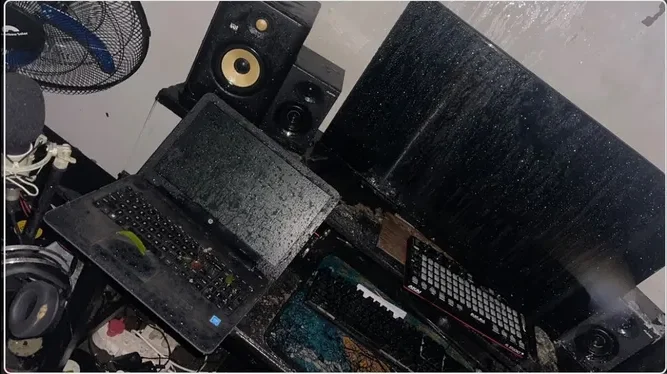
Most venues, promoters, production companies, publicists and security companies will not be able to cover their losses with insurance, if they're covered. A venue that needs a certain bar spend to cover its overheads has no option other than to close for the short term. What are the bar staff, cleaners and security to do? Production companies that have invested in backline, lighting and staging, now gathering dust in warehouses, are seeing their way of making ends meet vanishing – for the time being anyway – and are left with nothing but fear and uncertainty. A government bailout for our industry is unlikely.
The music industry brings people together, as the arts so often do. It accommodates real jobs that contribute massive income to any country's GDP. As governments look at how to contain the spread of the coronavirus, they must not forget the entertainment and tourism industries, which are significant components of any economy.
Scientists will find a cure for COVID-19 and we will be allowed to go outside again to celebrate the beauty of music and art together. Until then, the music industry is going to need support. Whenever there is a natural disaster, the music industry gets behind a cause and organises fundraisers for those affected. We are always the first on the frontline to support those in need. Now is the time to support us back.
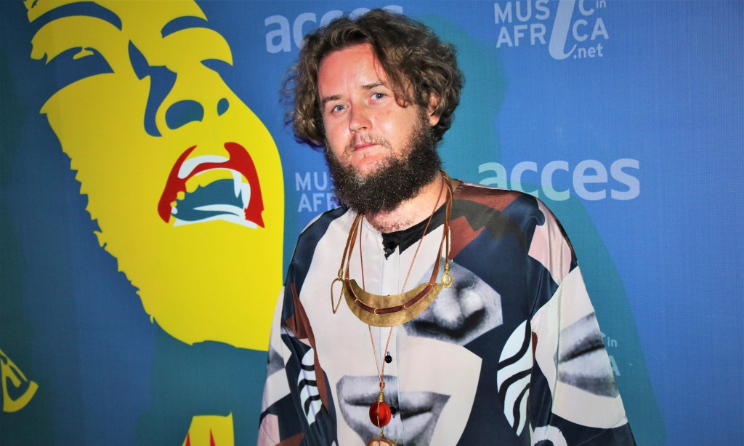
Jess White is the director of Akum Agency.


Most popular
Open call: 2026 Gender@Work music industry training in Johannesburg
09 Oct 2026

Top amapiano songs of 2026
16 Feb 2026

Call for applications: ACCES 2026 Emerging Artist Spotlight Competition
01 Oct 2026

Top Naija songs of 2026
31 Mar 2026

Top Afrobeats songs of 2026
19 Mar 2026
AFRIMA 2026: All the winners
12 Jan 2026
Disclaimer: Music In Africa provides a platform for musicians and contributors to embed music and videos solely for promotional purposes. If any track or video embedded on this platform violates any copyrights please inform us immediately and we will take it down. Please read our Terms of Use for more.

Subscribe to our monthly Newsletter
Follow us on social media


Please log in to post a comment.