
























































What is freestyling or 'coming off the top'? You’ve might have seen rappers showing off this amazing ability on radio, in the school playground and on shows like MTV Cyphers. It’s an exercise that, when done right, leaves the audience in awe of a rapper’s talent. For some, the ability to freestyle is second nature and for others it is learnt and perfected through years of practice. Some even say that freestyling is a prerequisite ability if one wants to be regarded as a true rapper. However, some are indifferent about this particular art.
Straight off the dome (improvised freestyle)
Freestyling 'off the top' requires an emcee to be aware of their surroundings and also use prior knowledge to construct a verse. Because they’re improvised, freestyle verses might not always be coherent and unsuited words are sometimes used to fit a rhyme and foster flow. Being aware of the surroundings allows a rapper to come up with witty lines and contextual references. Prior knowledge also makes it possible to augment what is being said. A rich vocabulary, general knowledge and attention to detail contribute to being a good freestyle rapper.
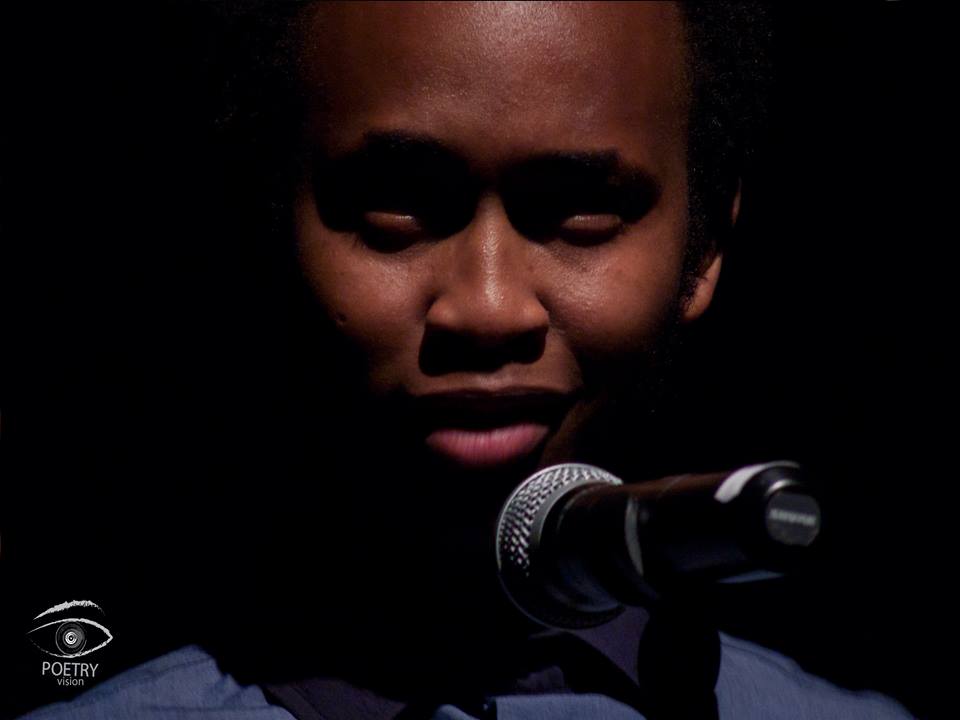
Speaking about the philosophy of freestyling, South African rapper and Johannesburg tour guide Bongani ‘25th Magic’ Mathebula says that for a rapper such as himself the words almost exist outside of his being – almost floating around freely – and all he has to do is order them in an intelligible manner to make sense.
Freestyling is essentially the relationship the emcee has with words in the moment of improvisation.
In this video, 25th Magic performs a typical freestyle 'straight off the dome'.
Written freestyle
Written freestyles are verses created without the intention of recording them, and are presented in cyphers, which are gatherings of rap artists who freestyle among each other. Such verses can be written to boast the emcee’s writing abilities. Awareness of one’s surroundings is the one element that isn’t required because the subject matter has already been established. A rich vocabulary, however, is always important.
Emcees who opt to freestyle about their immediate surroundings often do so to prove to the audience and their peers that they’re improvising on the spot, while those who choose a more cerebral approach are sometimes charged with premeditating their rhymes.
There are also those who are such masters of freestyle rapping it’s often almost impossible to tell whether their compositions are improvised or written. Written freestyles can easily be passed off as ‘off the top’ when they’re delivered flawlessly. The problem, however, is when the same verse is recycled for different settings. This could lead to the performer losing their street cred, as it were. Rappers are most likely to get away with using the same verse if they perform for different audience members who don’t always frequent the same spaces, and also provided that a verse has not been recorded.
Here is an example of written freestyle by South African rappers Rouge, Maraza and Priddy Ugly:
South African rappers on Sway in the Morning
South African rappers AKA, Nasty C, Kwesta and Cassper Nyovest have appeared on the popular American radio show Sway in the Morning. The show’s host, Sway, is known for asking his guests to freestyle on air. When AKA made an appearance on Sway’s show, he stated that what he was about to ‘spit’ was “not a free[style]” and proceeded to read from his phone. Nasty C also did the same but after the first verse he continued without reading. Kwesta and Nyovest also presented prewritten verses but they recited from memory. The advantage of prewritten verses is that they add quality and limit the possibility of an emcee being too repetitive when appearing on radio or TV.
Here is Nasty C on Sway in the Morning:
Battle rap
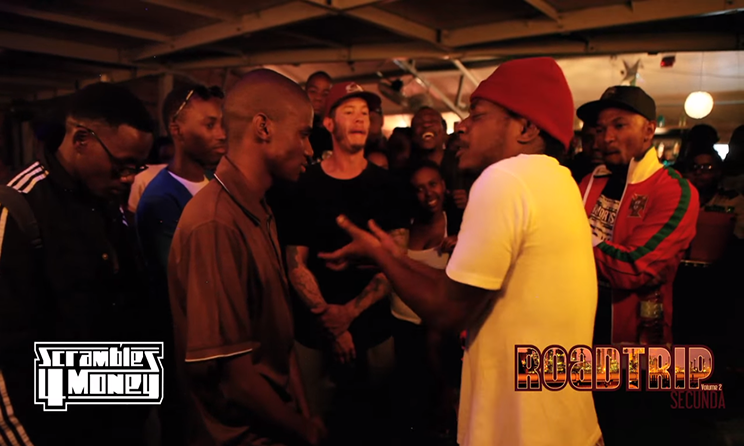
Freestyling is also popular with battle rappers. In recent times, however, a written format of battle rap has been adopted to improve the quality of recorded battles.
In its purist form, freestyling in battle rap is about perception and how best to ridicule your opponent without having to prepare. This often happens with unplanned battles. In the event that a battle is planned and the participants are known, the emcee will prepare his roast beforehand. Statik Black who is often involved battle rap says: “With written battles people prepare a show for a flawless rap performance. Freestyling and writing go hand in hand when it comes to the development of the emcee.”
One notable freestyle battle was between Adamus and Prokid in 2004. In what rappers call ‘reverse psychology', the two would use each other’s diction to create an ongoing narrative throughout the battle, which proved to the audience that the rappers were freestyling without the aid of prewritten verses.
Freestyling in cyphers
There are many formats emcees can use to freestyle during cyphers. The cipher can be free-flowing where each emcee recites for as long as deem necessary. Another format that can be adopted during a cypher is when the emcee who is next in line builds his verse based on the last word that the previous rapper used, much like the Adamus-Prokid example. The audience can also be brought into the cypher to ‘throw’ words and names for the emcees to rap about. Preplanned cyphers such as MTV Cyphers, which features various South African rappers, give the emcees time to prepare their freestyles. This practice is regarded as rigid because it doesn’t give the emcees freedom to engage with each other the same way improvising does.
Freestyling is an element of rap that displays a rapper’s aptitude with words. However, not every rapper, including some well known names, can freestyle straight off the top. Freestyle is an intrinsic part of the hip hop culture. Every once in a while, a rapper will recite material that won’t make it onto an album, for the sake of entertainment and to show off his or her writing and improvisational skills.


Most popular

Top Naija songs of 2026
31 Mar 2026

Top Afrobeats songs of 2026
19 Mar 2026

Top amapiano songs of 2026
16 Feb 2026
Ghana: Mr Eazi and MOLIY’s ‘Comfort’ earns Urban Music Awards nomination
21 Oct 2026
Open call: CANEX Music Business Lab and Songwriting Camp
15 Oct 2026
Nigeria: CANEX WKND unveils 2026 programme
21 Oct 2026
Disclaimer: Music In Africa provides a platform for musicians and contributors to embed music and videos solely for promotional purposes. If any track or video embedded on this platform violates any copyrights please inform us immediately and we will take it down. Please read our Terms of Use for more.

Subscribe to our monthly Newsletter
Follow us on social media


Please log in to post a comment.