
















































Interview: Sony Music West Africa head Oluwaseun Lloyd

02 Aug 2022 - 09:38


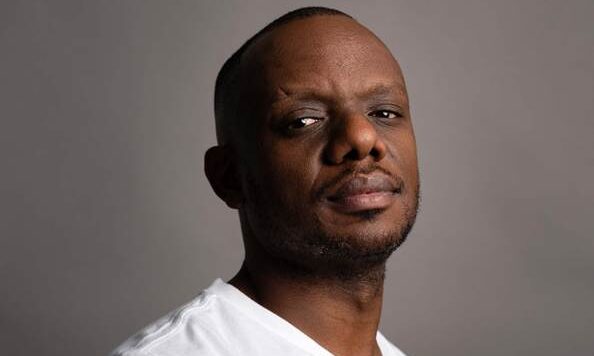
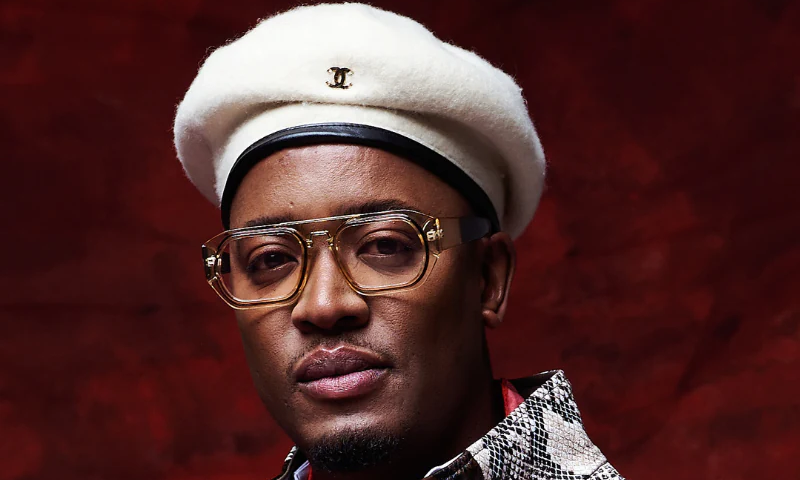
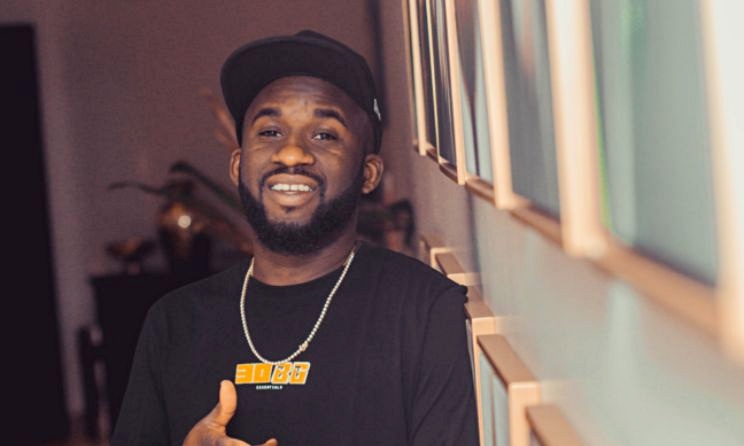
Before his appointment as Sony Music West Africa (SMWA) head of operations in 2019, Oluwaseun ‘Banko’ Lloyd headed up Davido’s DMW label, where he was central in driving the Afrobeats explosion. In his role at SMWA, Lloyd’s goal is to build a strong company and roster, and forge global stars in the process.
Among the label’s major achievements since its launch is the signing of Ghanaian pop act Gyakie, who has gone on to become a sought-after name across the continent and beyond. Recently, the label announced Canadian-Ghanaian talent R.O.Z as its latest artist in the hope of fostering collaboration between Ghanaian creatives and their counterparts in the African diaspora.
“If you look at where we started from and where we are right now, there’s been a lot of growth,” Lloyd told Music In Africa. “The Sony Music West African office, due to the successes of our artists, has now become a go-to. So we have many internationals that hit us up and we also have a lot of requirements to fulfil. We want to be able to do more of that.”
The music exec also discussed SMWA’s expansion efforts in the sub-region, including the opening of its Ghana office and the construction of a state-of-the-art studio in the country to shore up local production to meet international standards and keep up with the growing music market. The studio, Lloyd says, will not only provide a home for West African artists but also international artists when they visit the country. In terms of investment, Lloyd revealed that the launch of the Ghana office would mean employment opportunities for local music professionals, such as A&R scouts.
As label head, much of Lloyd’s work involves the discovery of exciting new talent, which requires a lot of listening. At SMWA, the technique is to first understand the market it is venturing into. To achieve this, the Sony team has had to rely on local expertise to connect with the artistic community and settle on prospective signees.
Gyakie, for example, was brought to Lloyd’s attention by Boomplay, a platform that prides itself in supporting local artists and which Lloyd believes is always on the button to uncover the next big star. “We have a good partnership with some of the guys over there, and they recommended her. So we reached out to Gyakie and her management, and we got into a conversation.”
In the beginning, nobody knew where this would go, Lloyd admits. Today the deal is paying off. “Gyakie is a superstar and one that has good charisma. She’s the one that shines through wherever she is. And we’re so proud of her as an artist we’re working with, and we look forward to a lot of great things.”
A renewed global scramble for African music has meant the arrival of every major record label on the continent, but the West African music market is still largely built on the back of independents. Additionally, there is a general distrust of the major labels by the local music community, especially regarding contracts. As a major coming into the region, how did Sony ease itself into the space?
“When we first started, we noticed that for the local artist community to understand us more and for us to understand them, we had to go via local independents,” Lloyd says, adding that artist education was vital. “They trust their locals before the big labels. So we’ve been able to penetrate the market that way, and now we’re beginning to expand and doing a lot more. We’re hoping that they’ll see our business and trust us. That’s what we have in our approach, where we work with local expertise to be able to unlock the artist.”
“The best deals, I’d say, are with the majors because the major is not looking for a 360 from an artist, but an independent for 360 deals, and now they license the music to us. So we’re very flexible and hopefully, the artist community will start to understand our mission and goals. We’re Sony Music West Africa, not Sony Music US. So we use a local approach to attack the business.”
Looking into the crystal ball, Lloyd envisages that African music will soon be the most popular in the world. “We’ve started to see this,” he says. “We’ve seen Black Sherif have the most shazammed song worldwide. We’ve seen artists like Burna Boy breaking records and bounds in different places. We’ve seen artists like Davido being on the Coming 2 America soundtrack. There’s a whole lot going on showing that Afro music is becoming popular and also a very popular genre in the whole world.”
Lloyd says that artists can expect more revenue, especially with the arrival of digital service providers in Africa. “Ghana has about 50 000 subscribers on Apple Music, and this is just within a year. What’s going to happen in five years? We are going to see Ghana hit 250 000 to 300 000 subscribers, which turns automatically into more revenue.”
Still, Lloyd wants local artists to aim for international fame. “The international market is listening to the music more and bringing more money to the artists, and also the local markets are growing, bringing revenue to the artists. So in terms of revenue, there is a whole lot that isn’t going to end anytime soon. It’s only going to get better.”


Most popular

Call For Applications : ACCES seeks a UK-based performer
10 Sep 2026

Top amapiano songs of 2026
16 Feb 2026

Top Afrobeats songs of 2026
19 Mar 2026
AFRIMA 2026: All the winners
12 Jan 2026
Open call: Goethe-Institut grants for Southern African creatives
08 Sep 2026

Open call: Ernst von Siemens Music Foundation 2026 funding programmes
04 Sep 2026

Top Naija songs of 2026
31 Mar 2026
Disclaimer: Music In Africa provides a platform for musicians and contributors to embed music and videos solely for promotional purposes. If any track or video embedded on this platform violates any copyrights please inform us immediately and we will take it down. Please read our Terms of Use for more.

Subscribe to our monthly Newsletter
Follow us on social media


Please log in to post a comment.