



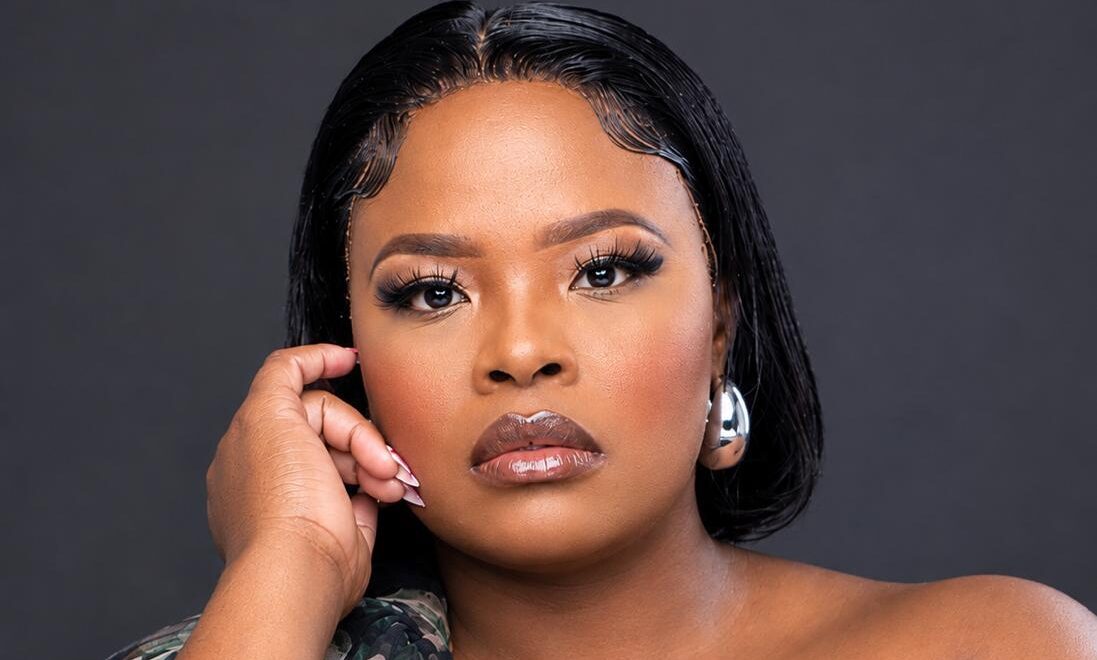

























































One year after her passing, Ghanaian act Ebony has been celebrated, in writing, for her contribution to the sexual liberation of African women.

In an essay titled The Legacy of Ebony and Female Sexuality, the novelist Bisi Adjapon says Ebony “shattered what remained of female coyness in many West Africans”.
Adjapon, the author of the novel Of Women and Frogs, writes that before Ebony’s emergence, such acts as Mzbel had been open about female desire but Ebony was more radical. "In 'Poison', Ebony languidly intones the addictive power of sex," Adjapon writes. "Call it poison, she says, knowing what society would say to a woman unleashing the full force of her sensuality."
Elsewhere she discusses the moral divide put in place by Ghanaians: “Not long ago, there was a clear delineation between good girls and bad girls in Ghana and many other countries. Good girls went to school, preferably all girls’ secondary schools. During holidays, they mostly stayed at home. They were ladies, or in the Fante word, ‘akatasia’, a portmanteau of the words 'cover' and 'hide'. Thus good girls weren’t exhibited except during puberty rites in villages. Women of good morals dared not demonstrate desire, much less luxuriate in it. In her short life, Ebony blurred the gap between good girl and bad girl.”
Ebony, who died a week before her 21st birthday, was both loved and ridiculed for the sexual content in her songs and videos. Her popularity led to pastors making pronouncements on her music; it also caused fans to defend her. Nonetheless, upon her death, much of Ghanaian media seemed to have agreed on her musical talent.
“Ebony shares the fate of female musicians, including Mzbel and Mz Vee, who have been vilified for their honesty,” Adjapon writes. "When a woman expresses herself through her dressing, other women are likely to give her the evil eye. In several Facebook posts after Ebony’s death, although they expressed sorrow for her, many churchgoing women talked about feeling guilty for loving her music, as though Ebony had caused them to indulge in sin.
"While we are experiencing a shift towards a more positive view of female sexuality, there is room for growth. Some in society, particularly the clergy, criticized Ebony’s parents for allowing her freedom of expression. So-called prophets prophesied her impending death, almost wishing for it, and when it did occur, they gleefully claimed validation. No one has attacked male musicians in the same way. ”
Read the full essay here.


Most popular

Top Naija songs of 2026
31 Mar 2026

Top amapiano songs of 2026
16 Feb 2026

Top Afrobeats songs of 2026
19 Mar 2026
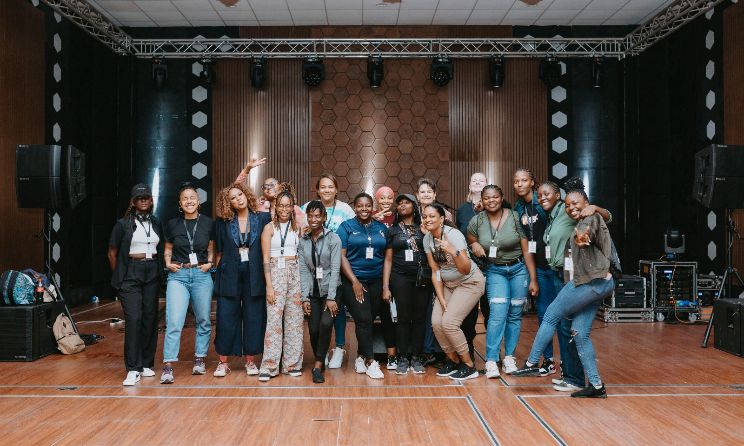
Open call: 2026 Gender@Work music industry training in Johannesburg
09 Oct 2026

ACCES unveils stellar programme for 2026 edition
17 Oct 2026

The big interview: Temwa Gondwe on CANEX WKND 2026 – part 1
19 Oct 2026
Disclaimer: Music In Africa provides a platform for musicians and contributors to embed music and videos solely for promotional purposes. If any track or video embedded on this platform violates any copyrights please inform us immediately and we will take it down. Please read our Terms of Use for more.

Subscribe to our monthly Newsletter
Follow us on social media


Please log in to post a comment.