















































Sauti za Busara entertains global audience
23 Feb 2015 - 08:31


From 12 to 15 February 2015, Sauti za Busara once again brought people from across the world together in a sea of humanity displayed at Stone Town, Zanzibar to celebrate the wealth and diversity of African music. The theme for this 12th edition was “Together as One; Amani Ndio Mpango Mzima!”. The message was received loud and clear: with peace and unity, Africa is the Future!
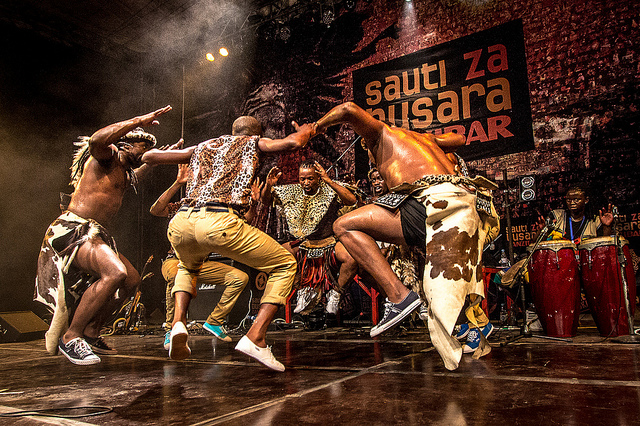
On the opening day of the festival, Stone Town was brought to a standstill with the colourful parade consisting of the local police brass band, umbrella women’s group, stilt-walkers, reki warriors and the traditional kilua ngoma. The parade went on passing through various arteries of Stone Town and ended by unleashing a series of cultural displays at the heart of the action: Forodhani Park and inside the Old Fort.
Suddenly Africa was meeting in Zanzibar with Bonaya Doti from Kenya and DCMA Young Stars from Zanzibar warming the stage up to see Culture Musical Club fill the air with the beautiful sounds of traditional taarab music. The programme was wonderfully crafted with the screening of More Than a Festival by Sauti za Busara and Tanganyika about Msafiri Zawose at the amphitheatre. At the other side of the Old Fort in Mambo Club, Erik Eliana from Cameroon was treating the audience to a multi-instrumental gig shaking up the musical traditions of his homeland with his unique voice and original rhythms emphasizing. While screen lovers were being treated to the premier of I Shot Bi Kidude by Andy Jones, Msafiri Zawose was following in his father’s footsteps, displaying the Gogo traditional music rich in local Tanzanian sounds and taking these in new and exciting directions.
The atmosphere was ripe and the first day was well attended. The gifted Isabel Novella from Mozambique did what she does best, impressing the audience with her wonderful voice, which got the crowd not only dancing but singing along. Alikiba put on an enthralling performance, which the local dailies soon reported on with daring headlines such as ‘Ali Kiba steals the show at the 12th edition of Sauti za Busara’. Local music fans managed to step out and show support for Tanzanian and other East African groups. This year the festival had about 50% local and East African audiences, thanks largely to the 19 groups representing Tanzania.
The second day kept the pace going with Mwahiyerani and Shirikisho Sanaa from Tanzania opening the day’s proceedings. The gorgeous Aline Frazao from Angola took to the stage with an acoustic show that kept the audiences on the edge of their seats before Kiki Kidumbaki claimed their rightful place in history as the most active and respected kidumbak group in Zanzibar. Rwanda was represented by Liza Kamikazi’s powerful voice while Zee Town Sojaz and Rico Single from Zanzibar mesmerized the crowd at the second stage in the amphitheatre with live band performances.
Tsiliva, a Malagasy musician who performs the raunchy sounds of kilalaka, hopped to the stage and created a different mood altogether. His groovy beats left the audience on a high, only to be taken even higher by South Africa’s king of maskandi, the energetic Ihhashi Elimhlope, and Kenyan new Afro-fusion group Sarabi Band, the last act of the Friday programme. The young musicians took over the festival with their powerful music that addresses social injustice and corruption, putting on a show that connected deeply with the full-to-capacity audience, an inspirational set that closed the second day.
Day 3 kicked off with the nomadic Ifa Band from Tanzania taking to the stage, launching another great day of rich and diverse cultural experiences. They were followed by the poetic rhythms of the Comoros and France-based group, Ahamada Smis’ Origines Trio. Before they could even digest the beautiful sounds, festival-goers were brought back home when legendary taarab musician Mohamed Ilyas with Nyota Zameremeta from Zanzibar took to the stage, filling the air with melodies of peace.
Meanwhile the varied programme continued on the second stage, which showcased the supremely talented Tanzanian dancers and musicians known as Cocodo African Music and Mabantu Africa. Temperatures in the main stage venue rose even further with rousing sets by Leo Mkanyia & the Swahili Blues Band from Tanzania and Tsiliva from Madagascar, who played twice, leaving festival audiences screaming for more.
The festival finale continued with a fun-packed and inspiring programme. Tunaweza Band proved that disability does not mean inability, as they sent revelers from all over the world nodding and dancing. Mgodro Group from Tanzania raised the bar of live music fused with contemporary dance moves. Before one could imagine the next act of Swahili Encounters, with island styles of music from around Indian Ocean, the Songs for Peace awards paid tribute to exemplary productions that echoed messages for peace. Culture Music Club stole the Gold award with their unique taarab sounds and lyrics, Tunaweza Band bagged the Silver award, while Zanzibari hip-hop icon Rico Single won Bronze and Leo Mkanyia’s efforts were recognized with an outstanding runner-up award.
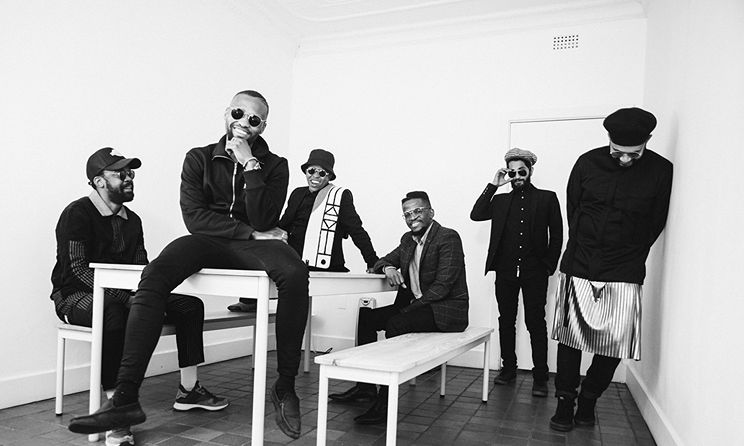
Soon after, Tcheka from Cape Verde filled the Old Fort with his uniquely powerful acoustic sounds. The stage was too hot to handle but Djmawi Africa did not disappoint. All the way from Algeria, the group electrified the audience with their energy. While the screening of a music documentary from Mali titled The Last Song before the War was being screened in the adjacent amphitheatre, others were treated to the thrilling, progressive sounds of The Brother Moves On from South Africa. Swiss-born Thais Diarra, with roots in Senegal and Mali, went on stage featuring Noumoucounda Cissoko on kora. Every audience member opened their hearts and bounced to the beautiful, unifying sounds on offer.
Shortly before the 12th edition was about to come to a close, Ghanaian-born, New York-based hip-hop artist Blitz the Ambassador shook the rocky venue with his Afropolitan vibes. Blitz provided Sauti za Busara’s most powerful finale ever, with a tight backing band setting the groove while Blitz sent out a flow of lyrical consciousness on the microphone, ensuring that the festival ended on a high.
Sauti za Busara proved once again that music trully is a universal language. It communicates to all of us, rich or poor, regardless of language, religion, gender or politics. Music teaches us to respect our differences and value diversity. Through music and art, the world can see that Africa is positive, vibrant and rich in culture and forms of expression. The festival's organisers wholeheartedly thank all the artists, crew, donors and sponsors, media partners and the audience, all of whom helped make the 12th edition the most successful Sauti za Busara to date.


Most popular
Open call: 2026 Gender@Work music industry training in Johannesburg
09 Oct 2026

Top amapiano songs of 2026
16 Feb 2026

Top Naija songs of 2026
31 Mar 2026

Top Afrobeats songs of 2026
19 Mar 2026
Gambia: Suntou Susso announce UK tour for ‘The Path of a Griot’
09 Oct 2026
Call for applications: ACCES 2026 Emerging Artist Spotlight Competition
01 Oct 2026
Disclaimer: Music In Africa provides a platform for musicians and contributors to embed music and videos solely for promotional purposes. If any track or video embedded on this platform violates any copyrights please inform us immediately and we will take it down. Please read our Terms of Use for more.

Subscribe to our monthly Newsletter
Follow us on social media


Please log in to post a comment.