
































The big interview: Temwa Gondwe on CANEX WKND 2026 – part 1

19 Oct 2026 - 11:21


The African Export-Import Bank (Afreximbank) is positioning the creative economy as a driver of trade, investment and employment through its Creative Africa Nexus (CANEX) programme, which will hold its 2026 edition in Lagos, Nigeria, from 5 to 8 November. The initiative connects African creative businesses with financing, international markets and commercial partners across sectors including music, film, fashion, literature, gastronomy and sport.
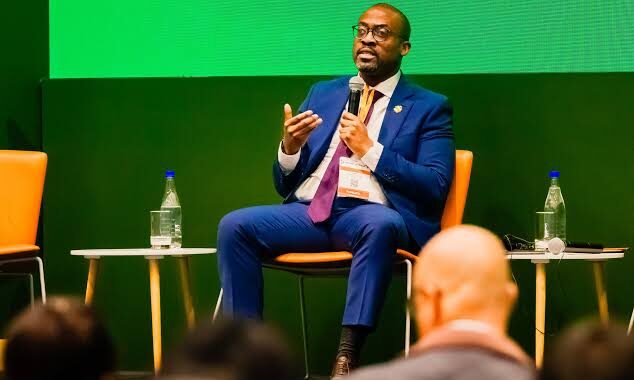
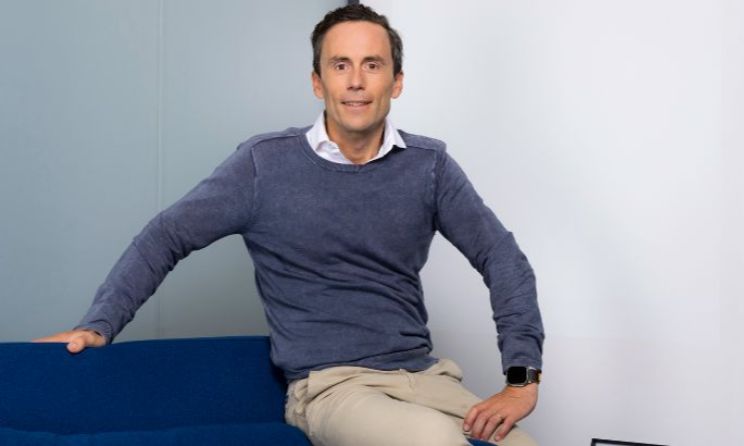
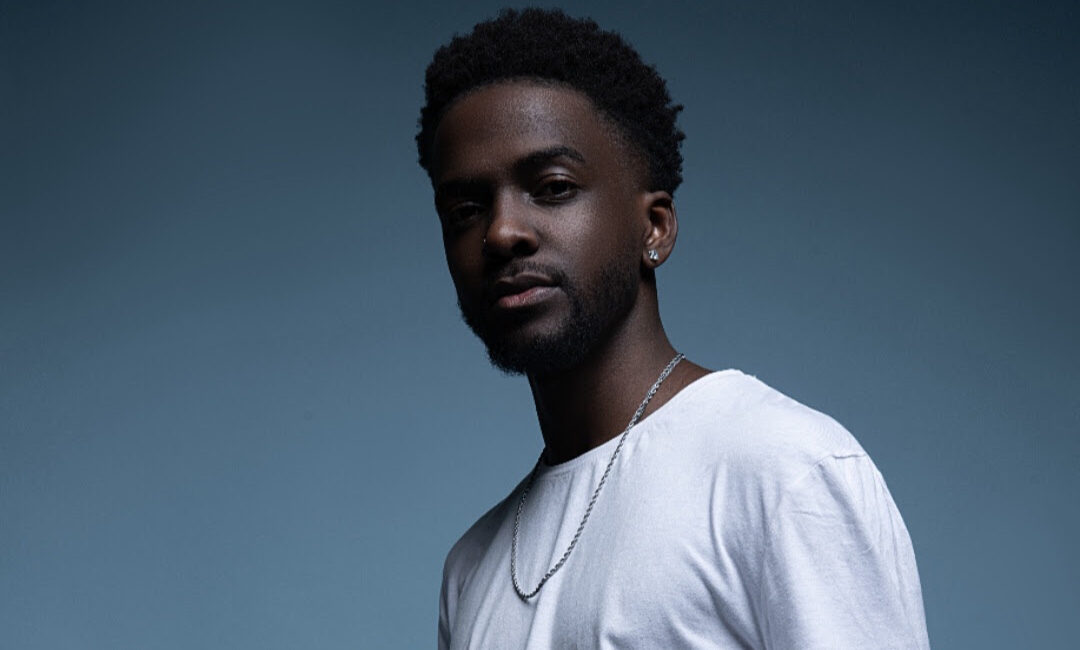
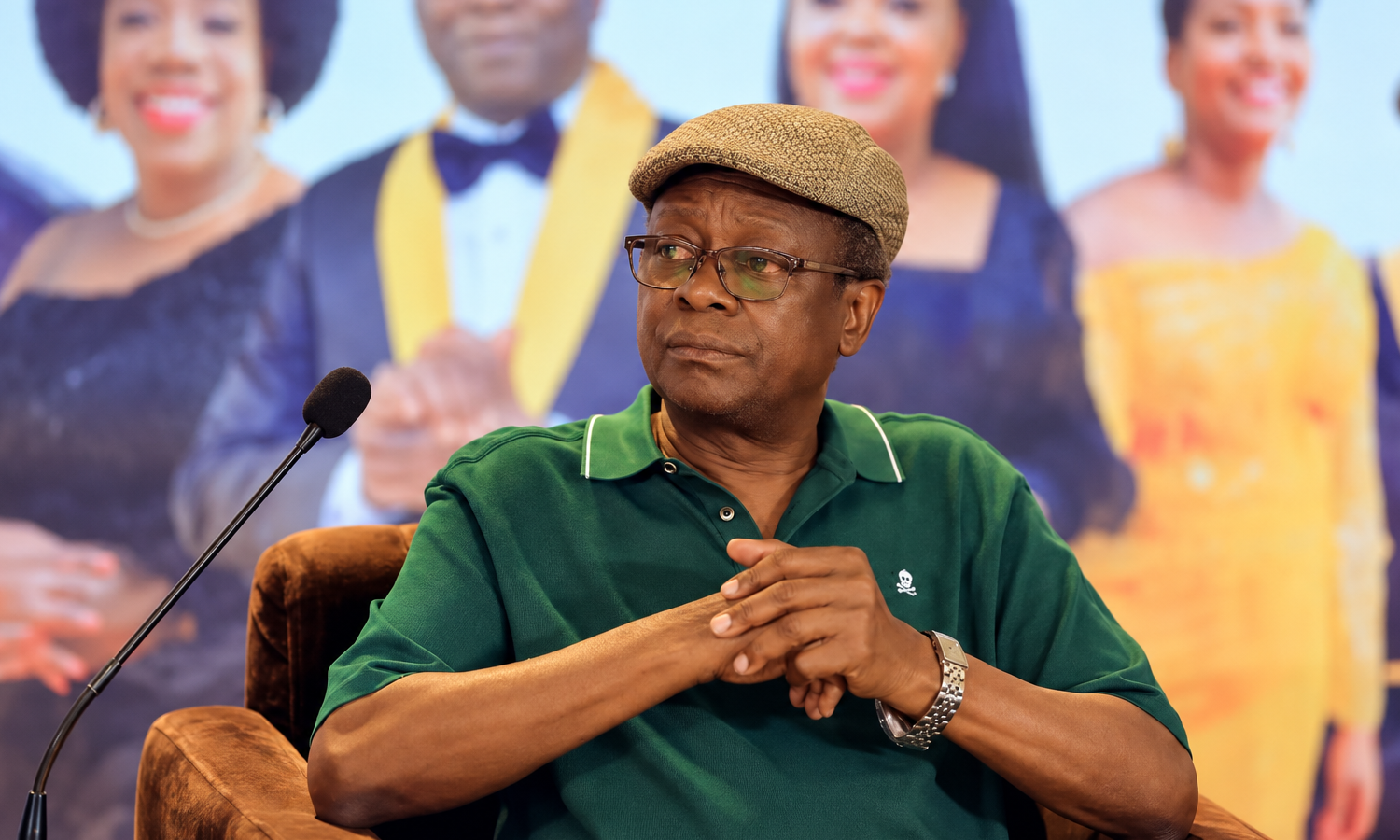
Afreximbank director of creatives and diaspora Temwa Gonde.
In this interview with Music In Africa, Temwa Gondwe, Afreximbank’s director of creatives and diaspora, discusses CANEX’s progress since its launch in 2020, including the bank’s increased financing commitment to the creative economy and business deals facilitated at CANEX WKND 2024 in Algiers. He also outlines how lessons from that edition are shaping the Lagos programme, with a focus on investment readiness, targeted matchmaking and turning industry connections into commercial opportunities.
Gondwe also explains the challenges African creatives face in accessing finance and retaining ownership of their intellectual property, and the role of CANEX in helping businesses develop the skills, networks and infrastructure needed to compete internationally. With CANEX WKND 2026 approaching, he discusses the practical opportunities available to delegates and what creative entrepreneurs can do to prepare for investment, partnerships and entry into new markets.
Since the launch of the Creative Africa Nexus, what would you identify as CANEX’s most significant achievements in strengthening Africa’s creative and cultural industries, and what measurable impact has the programme had so far?
CANEX’s most significant achievement has been to help reposition Africa’s creative and cultural industries as a serious economic proposition. We have moved the conversation beyond talent and cultural expression to questions of enterprise, intellectual property, trade, investment and scale.
That shift is supported by measurable results. Afreximbank’s financing commitment to the creative economy has increased from US$500 million at the programme’s launch in 2020 to $2 billion for 2024 to 2027. CANEX WKND 2024 convened more than 4 000 participants from 81 countries and 108 exhibitors, while its Deal Room facilitated approximately $540 million in transactions, compared with $412 million in 2022.
The deeper achievement, however, is the ecosystem CANEX is building: one in which African creative enterprises can access capital, strengthen their commercial capabilities, enter international markets and retain greater value from their intellectual property. We are demonstrating that Africa’s creative economy is not peripheral to the continent’s development; it is an increasingly important driver of trade, employment, innovation and global influence.
Beyond financing, CANEX has built a pan-African platform that equips creative and cultural enterprises with the skills, market access and commercial networks needed to scale. Through initiatives such as CANEX Presents Africa, and partnerships with global platforms including Tranoï Paris Fashion Week and COTERIE New York, more than 200 African fashion and creative businesses have accessed international markets and new commercial opportunities. CANEX has supported food entrepreneurs through export-readiness and market-intelligence programmes that have enabled participation in leading global trade exhibitions such as ANUGA, Americas Food & Beverage Show and Food Africa.
Through AFRACAD, entrepreneurs across film, fashion, music and gastronomy have benefited from business management training, while specialised programmes such as the Creative Writing and Jewellery Masterclasses, CANEX Music Factory, Basketball Africa League professional development initiatives, and CAF-supported grassroots football management programmes are strengthening the continent's creative and sports ecosystems.
Together, these initiatives are helping to build a more connected, investment-ready African creative economy, one in which entrepreneurs can attract capital, expand into new markets, retain ownership of their intellectual property and compete globally. CANEX is demonstrating that Africa's creative economy is not only a cultural asset, but a growing engine of trade, jobs, innovation and economic transformation.
The 2024 CANEX WKND in Algiers generated millions in business deals. What lessons did Afreximbank take from that edition, and how will those lessons shape CANEX WKND 2026 in Lagos?
Algiers validated one of our key premises: when credible creative enterprises are matched with appropriate capital, buyers and institutional partners, significant transactions can emerge. The US$540 million facilitated through the 2024 Deal Room demonstrated both the depth of opportunity and the growing confidence of investors in Africa’s creative economy.
It also reinforced three important lessons. First, investment readiness must begin well before an enterprise enters the room. Second, engagements must be curated around clear commercial objectives rather than left to chance. Third, the quality of post-event follow-through is as important as the initial introduction.
These lessons are shaping Lagos. We are placing greater emphasis on project preparation, targeted matchmaking, buyer engagement, and pathways from discussion to due diligence. The CANEX Finance Summit, Deal room , The CANEX Pitch Competition, sold out exhibition place and other platforms at CANEX WKND 2026; demonstrate that our ambition is not simply to convene a larger audience; it is to create a more productive marketplace capable of generating transactions, partnerships, and sustained commercial relationships.
What does CANEX hope to achieve by bringing the 2026 edition to Lagos, and what specific outcomes would make this edition a success for Nigeria and the wider African creative economy?
Lagos is a natural home for this edition. It is one of the world most influential creative capitals and a globally recognised centre for music, film, fashion, literature, visual culture and entrepreneurship.
Our ambition is to harness that energy and connect it with finance, markets, infrastructure and policy. We want viable projects to progress through the Deal Room, creative businesses to establish distribution and investment relationships, and participants to build partnerships across Africa, the Caribbean and the wider diaspora.
For Nigeria, success must extend beyond hosting a major event. It should translate into greater international visibility for Nigerian enterprises, stronger technical and production capabilities, and new opportunities throughout the creative value chain. For the continent, success will mean demonstrating that African creativity can be organised into globally competitive businesses that retain ownership, generate exports and create durable economic value.
CANEX covers sectors ranging from music, film and fashion to literature, visual arts, gastronomy and sports. How important is it to bring these sectors together, and are you seeing more cross-sector collaborations emerging through the CANEX platform?
The decision to bring these sectors together is deliberate because the creative economy does not operate in silos. Film draws on music, fashion, design, technology and intellectual property. Sport creates opportunities in broadcasting, entertainment, merchandising and tourism. Gastronomy intersects with culture, hospitality, branding, packaging and export trade.
The greatest value is often created at these points of convergence. CANEX provides a platform on which a designer can meet a filmmaker, a publisher can engage a screen producer, or a technology company can help creators distribute and monetise their work.
We are seeing increasing evidence of these cross-sector relationships. More importantly, financiers and policymakers are beginning to view the creative economy as an interconnected industrial ecosystem rather than a collection of fragmented activities. That change in perspective is essential if the sector is to attract capital and achieve scale.


Most popular

Top amapiano songs of 2026
16 Feb 2026

Top Afrobeats songs of 2026
19 Mar 2026

Top Naija songs of 2026
31 Mar 2026
Open call: 2026 Gender@Work music industry training in Johannesburg
09 Oct 2026

Open call: AFRIMA 2027 in Nigeria
12 Oct 2026
The big interview: Temwa Gondwe on CANEX WKND 2026 – part 1
19 Oct 2026
Disclaimer: Music In Africa provides a platform for musicians and contributors to embed music and videos solely for promotional purposes. If any track or video embedded on this platform violates any copyrights please inform us immediately and we will take it down. Please read our Terms of Use for more.

Subscribe to our monthly Newsletter
Follow us on social media


Please log in to post a comment.