



























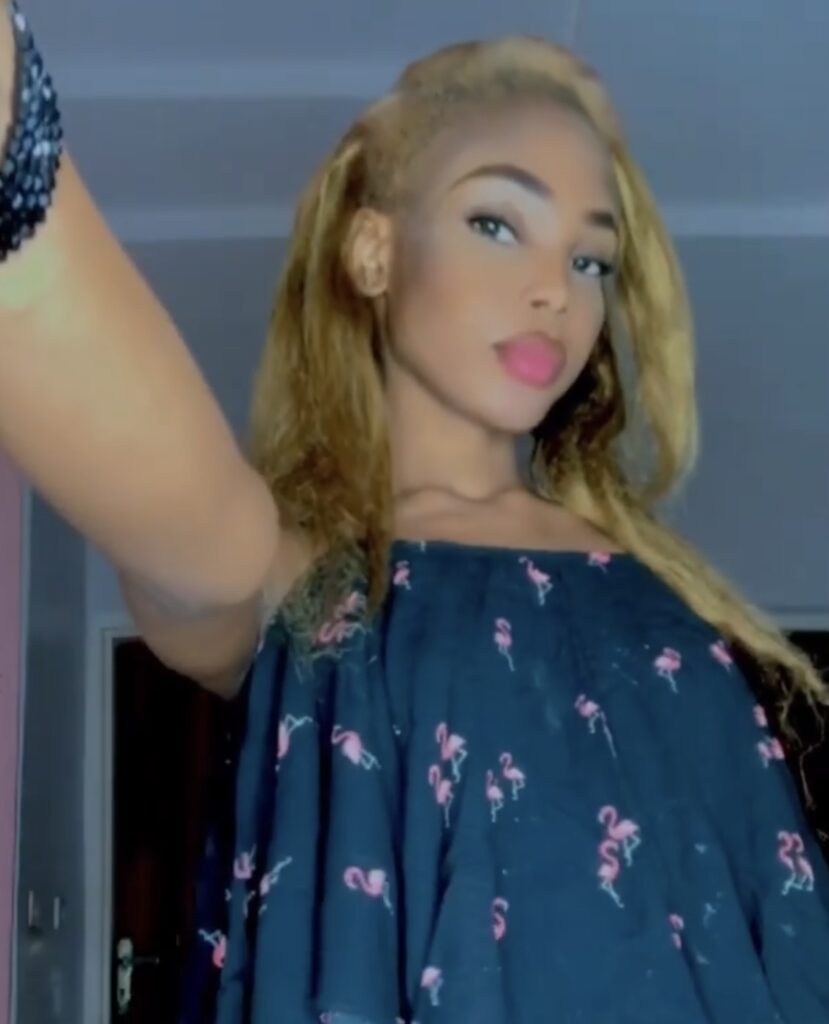

BIO
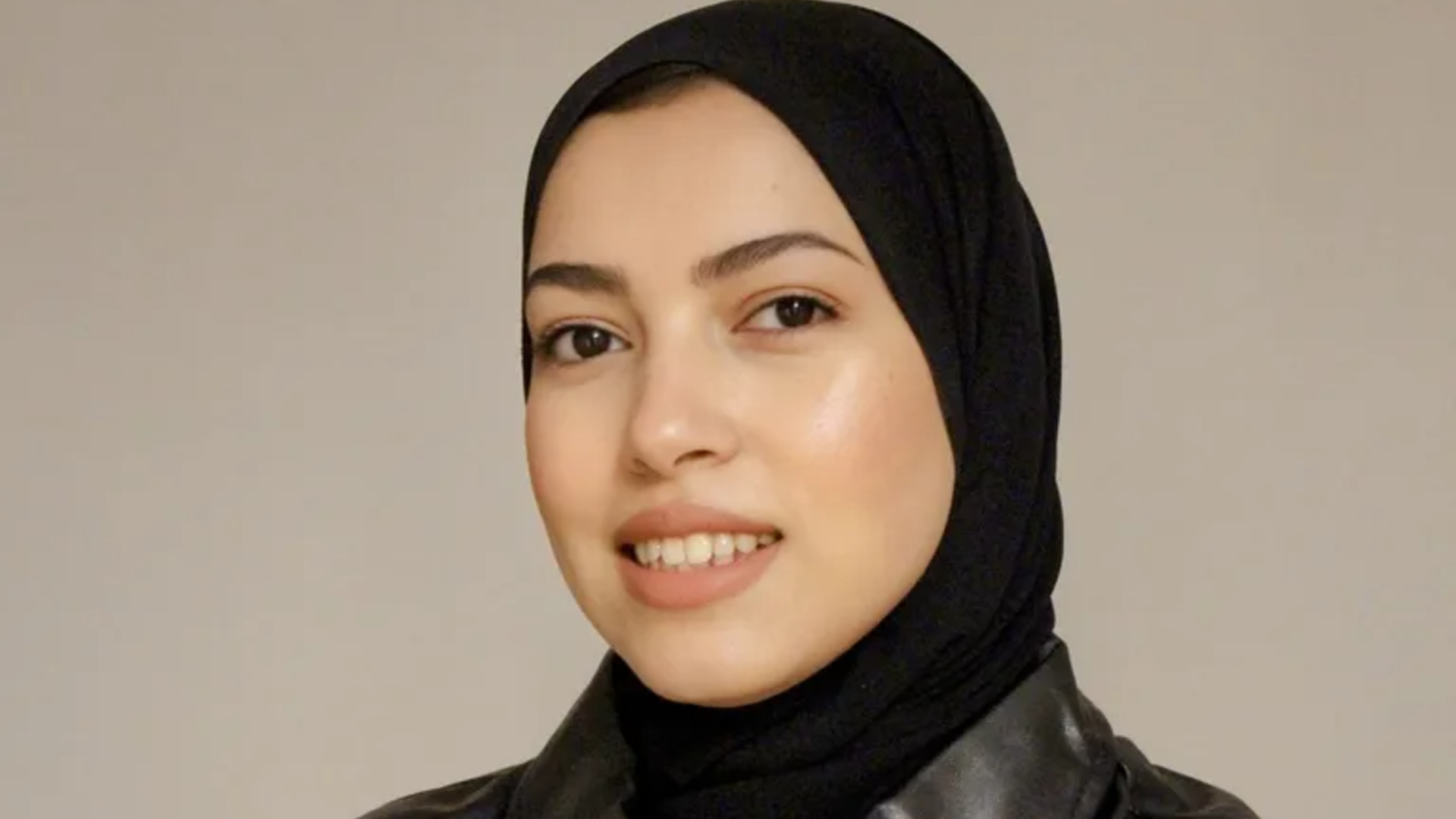
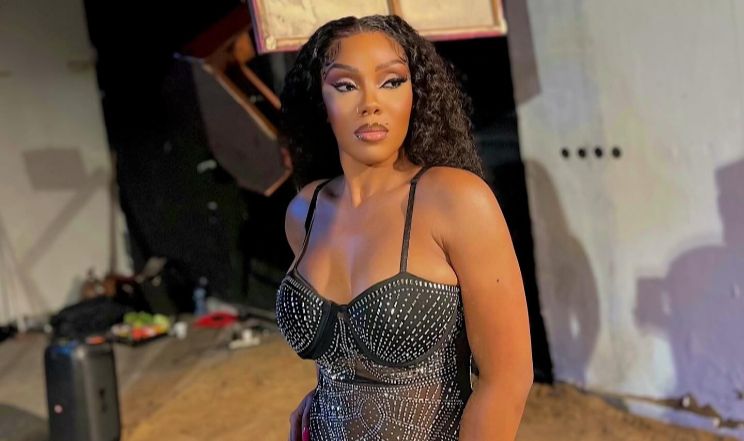
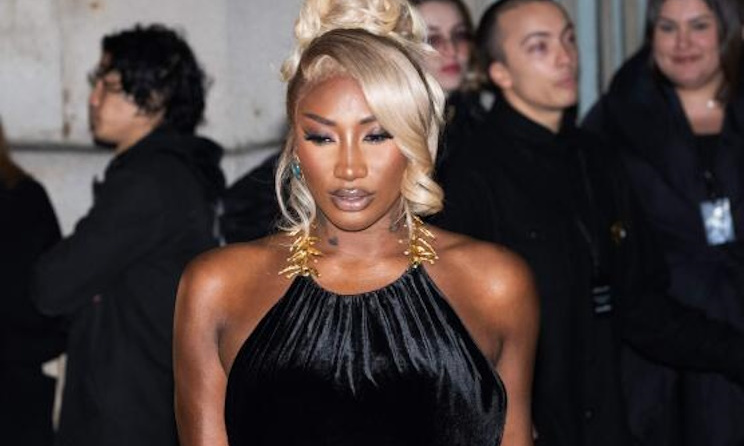
Eniola Isioma Hashim aka Chylde (pronounced Child) is a Nigerian musician, writer, producer and professional Art Creator who has a repertoire of distinct genres and an amazing vocal range.
Eniola plays the guitar, but sees her voice as her greatest instrument. Chylde is one of a kind versatile artiste, and has something phenomenal for everyone. She started singing and writing songs at the age of 5, but only released her first single; Victorious, a pop song at the age of 15.
From performing at middle school events, she released a music project called ‘Crystal’. After the release of Crystal, Chylde started experimenting with different sounds and accents for her music and thus the afroasian fusion genre was born.
In 2017, she released ‘Unradaroactive’, a moombahton song that was recorded over Alan Walker’s royalty free beat. Notable songs written and performed by Chylde include ‘Unradaroactive, Zone and Clocks, a song she was featured on by Johnny Drille, and Song of our time ft TC Peruzzi.
In 2020, she pioneered a movement called AfroAsian trap with the song Koshi Kuro’, and in March 2021, she released a mini EP called ‘The Lost Files’ a compilation of some of her already released songs. Chylde’s musical influences come from all over the world hence her diverse taste in music and the ability to perform any genre.
A University graduate and a former human resource manager.
EARLY LIFE AND CAREER
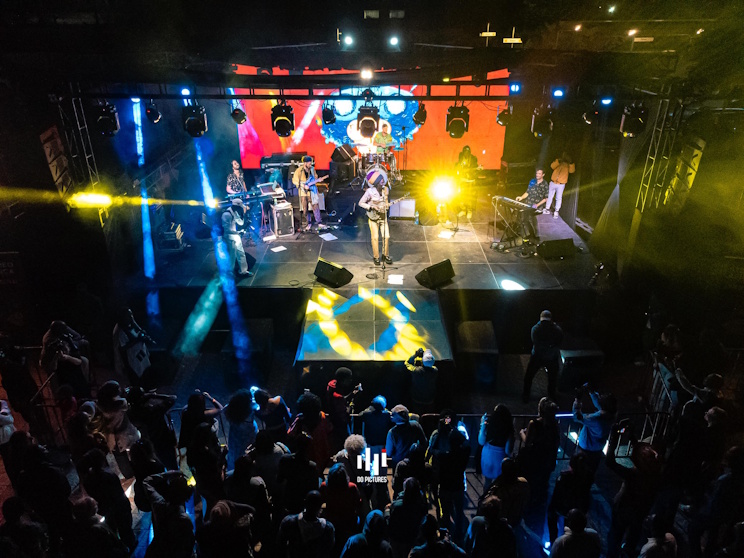
Born on the 18th of March, 1997 in Satellite town, Lagos state; Nigeria to prolific journalist/ human rights activist Grace Awodu and former PDP secretary general and 2019 Nigerian presidential candidate Gbenga Olawepo Hashim, Eniola Isioma Hashim is a vocalist, bookwright and painter. She is the second of three children from her mother and the second of seven from her father. Chylde's parents moved to Abuja with her older brother and herself when she was two years old. At this time, the political state of Nigeria was brutal towards human rights activists that spoke up against the government, hence her father had his documents seized by making it hard for them to cope as the family of four relied on her mother for upkeep. After the death of the then head of state; Sani Abacha who had her father's papers seized, he was able to make a name for himself in politics and hence they were able to move to the more urban part of Abuja city. Chylde started singing at the age of five and wrote her first song at six. At this age, her parents got divorced and her mother held custody of the children. She began to draw, sing, write poems braid hair, compose music and repair spoilt electronic devices around the house at the age of eleven. However, a sickly child, Chylde more often than naught spent her time in hospitals and hence found it difficult to catch up with the more social life her mates had. At 9 she joined her elementary school's literary and debate team. She went on to represent her elementary school in the finals against the High school division of the same institution. At 10 she served as the class captain in sixth grade. At age 13, Chylde won a local children's beauty contest. In high school at the age of 14, she won an award for the best vocals in her High school, Thomas Adewumi College. At the age of 15, she released her first single 'Victorious' with the stage name 'Eni' which got a wide number of airplays, criticism, and pending sponsorships including one from the controversial Nigerian musician Charly boy. Months later, she released a trial mixtape featuring her older brother Tedmilez, Uc da great and Peruzzi. At this age, she also wrote the SAT's planning to use her high score of 1620 to study abroad. At the age of 16, she won the high school overall award for the best behaved female student. She went on to study communication in a University inside her country instead. At the age of 16, she published her first book 'insomnia ' under the name 'Eni' which she often uses interchangeably with 'Chylde' for writing, singing and painting. At the age of 17, she began to produce instrumentals and music with the FL studio software. At 19, she opened her first Instagram account and began her series of opening and deleting accounts, using each account as a suicide hotline to reach out to suicidal people. At the age of 20, she won a departmental award for 'most creative student' in the university. At the age of 21, she phoned in for a Saturday radio show at cool FM . Chylde performed at weddings, open events and did off the radar collaborations, having a 'no feature ' policy. At age 21,she released 'Zone' and 'Unradaroactive , Ojo and Binu' at 22. At 22, Chylde released other singles. In July, 2019, she moved from Abuja to Lagos as she had previously done to pursue her music career. The words 'unradaroactive', 'robomalfunctioning' and 'Humanish' are terms Chylde came up with to describe unavailability, instability and 'the art of becoming human'. Chylde is a nature advocate and likes solitude, quietness and being unperturbed. Her music revolves around these topics.
CHYLDE : ORIGINS
CHYLDE : ORIGINS Chylde (a pseudonym for Child) is Eniola Isioma Hashim’s artistic name used because of her fascination with old English and the Wiccan society. A personal acronym for ‘Courage. Had. Your. Lowered. Dreams. Established’, she uses the term as a motto to drive her to accomplish her goals. She falls under the category 'genreless'. However, her predominant genre is Nirasian/ Afroasian trap: a genre she pioneered, seconded by Moombahton; a reggae subgenre with infused dancehall. She raps, sings, writes songs, novels, drama pieces, dances, paints and does comic books, illustrations and voice overs. She also acts, does character development for stories, hairdressing, wig making, perfumery and is a sommelier in practice. She sings in English, Fulfulde (her native language), Hausa, Yoruba, Igbo, French, Japanese, Jamaican Patois, Chinese, Korean and Spanish. Chylde is well versed in the English Language and was raised in a Christian society in Abuja town, Nigeria. Chylde picked up Japanese from the unsubtitled version of Dragon ball Z, an anime she snuck into the living room to watch with her brother when they were children. She went on to learn more about the language from the Japanese learning channel NHK. At 12, she was introduced to a new anime ‘Naruto’ which helped her practice her Japanese better. Chylde is fluent in English, French and Jamaican patois. Chylde is of Nigerian descent with her mother being a Delta Igbo, her father Kebbi Fulani and her father's mother Osun Yoruba. Her first introduction to Language was in English, then French, which she was exposed to during her early years in a French branch of The Redeemed Christian Church of God named 'Maison de la paix' interpreted as 'House of peace'. She started singing in the choir in Maison de la paix at the age of four. Later on, she moved to her father’s frequented church Dunamis where she spent some time in the children’s choir and drama department. As an adolescent, she subsequently joined the Church’s ushering, choir, sanctuary keeping and creativity departments. She joined her high school’s choir team and often led praise and worship and some solo verses during chapel events. She was part of a duo (Vanucci and Eni) which was made up of herself and a close A level student friend at the time. She went on to sign her first record deal “Brickcity entertainment”, (now “1216 street”) at 14 which was owned by her brother Tedmilez (known then by the stage name ‘Scary’) and his best friend Blakes. She released her first single ‘Victorious’ at 15 years which was produced by IQ shotta and mixed and mastered by Sandaz black. However, the credits wrongfully went to TC Peruzzi (now just Peruzzi). From this single she got pending sponsorships from various individuals including Charly Boy. The single trended on twitter causing an unprecedented backlash from her high school. She decided to put music aside and focus on academics. In her final year in high school, she was given an award for the best vocalist in the entire school. In the University, Chylde hardly sang and did more drawings and writing. In her first year at age 16, she published a horror book named “Insomnia”. On holidays in Abuja, she went for shows and performed at wedding events. She also refused a lot of recording deals because at this point she had a good idea of the terrain and what it entailed. She took courses in Entertainment and Perfumery alongside her Communication major. Chylde applied for many jobs before concluding her university to save the stress of unemployment however on getting the appointments, she was always told she was too young for the position or not adequately certified. She sold virtual paintings and did voice overs for money. At 21, she had completed her University education and got a job as a HR manager in a private firm in Abuja. However, this clashed with her service time where she had to work at the National Centre for Arts and culture so she resigned. ‘The Centre was a haven for happy people who just wanted to do music.’ She recorded “Unradaroactive”, “Zone” and some other songs with her producer Dreemboi and put them on Soundcloud. Not wanting publicity yet still reaching out to suicidal people on the social media, she sparked some talk online which led her to delete her internet presence, she would then recreate an account. On each account, she amassed a decent crowd because of her singing, comedy and talk videos and get called on to do shows, features and collaborations. She was reached out to by various Nigerian artistes especially Abuja artistes. However, due to her introverted nature she refused. This caused a backlash of artistes terming her “hot headed and proud” and as always, an instagram account deletion. She went on to delete other social media accounts because of ill informed comments about her father who ran for the 2019 Presidential elections. Offline, she was introduced to The Brains Company by a mutual friend who gave her a show contract which she refused. After her 13th ig account creation which coincided with a performance of her Afro jam. ‘Binu’ at the Presidency, she was invited to work in Lagos by the first Lady’s delegate Mrs Joy Nunieh and given a public honor by doing so. This coincided with Producer Leriq and Dj big N’s requests for her to come and work in Lagos and also, an animation gig, so she moved there when her service was over. She lived with her mother’s younger sister and her family on the mainland in Lagos but all her engagements were on the island and this made things difficult coupled with the change of environment. In Lagos, she started working with Marshall, Mrs Joy’s producer and he engineered Black Sun for her which she decided to use as a basis for her style. After two studio sessions only a week after her arrival at Lagos, Marshall informed Chylde that the studio equipment had already been moved to Port Harcourt, a different Nigerian state which neither of them were pre informed of. They both decided to not let the situation get to them and focus on other things. Everyone who invited her to Lagos suddenly became ‘busy’, earning her six whole months in Lagos. Chylde focused on building a perfume brand with zero funds but some experience from a perfumery course she took in the University. Later on, she was approached by a record label owner for music which she subsequently refused. Due to the Lagos stress, she decided to put all her music work online and ‘disappear’. Her friend Laide helped her put her songs on other music platforms.
In 2020, Chylde started the AfroAsian Trap movement.
Photos
Aucune photo disponible
Musique
Vidéos
Réseaux sociaux et sites web



Disclaimer: Music In Africa provides a platform for musicians and contributors to embed music and videos solely for promotional purposes. If any track or video embedded on this platform violates any copyrights please inform us immediately and we will take it down. Please read our Terms of Use for more.



