











































NEFCISA
NEFCISA

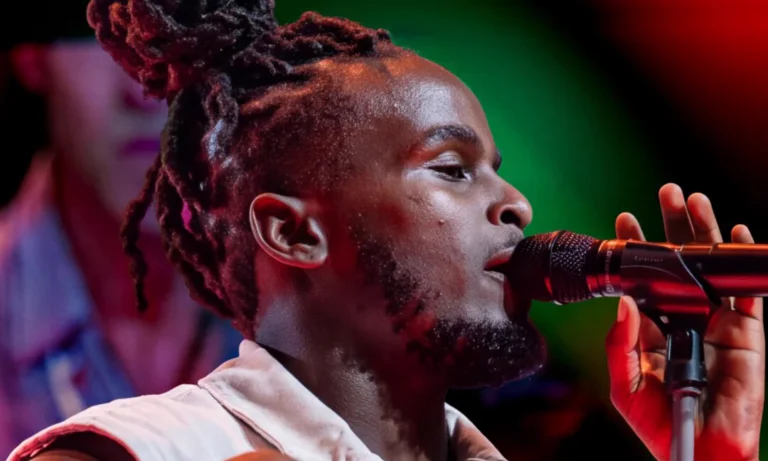
The Music In Africa Foundation (MIAF) is proud of its partnership with the Industrial Development Corporation (IDC) as a Strategic Implementing Partner (SIP) for its Social Employment Fund (SEF). Through this collaboration, MIAF is running a national programme that is creating jobs, addressing skills gaps, and strengthening South Africa's creative industries — in line with the SEF's overarching goal to generate work for the common good and build community value through employment, social contribution, and inclusive economic participation. Operating under the banner NEFCISA (National Employment Facility for Creative Industries in South Africa), the initiative is recruiting and training participants, matching them with host organisations, and has already placed 1 500 workers across the country — surpassing its original target of 1 000. NEFCISA is delivered through a network of 20 host organisations spanning five provinces, who are actively hosting participants and contributing to work for the common good across South Africa's creative and cultural industries. Key Objectives: Support employment and entrepreneurship in the creative industries. Offer skills development and training programmes. Foster partnerships between public and private creative sectors. Promote South African creativity at both provincial and national levels Foster community development through social contribution.

ACCES
ACCES

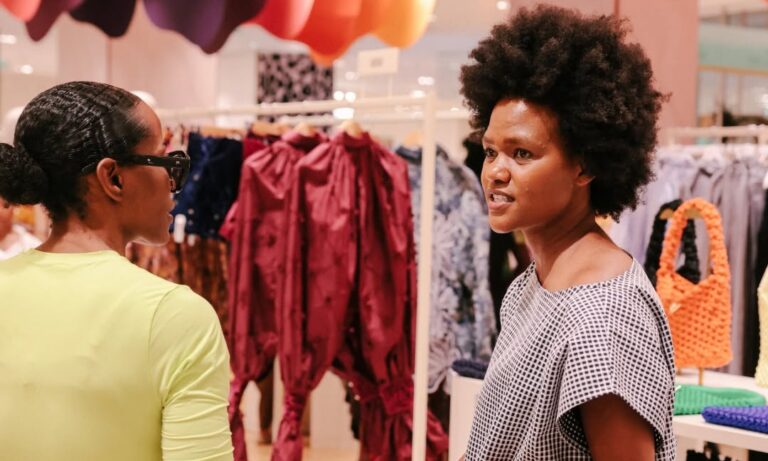
ACCES Conference and Showcase Festival is Africa's leading music industry gathering, bringing together the people shaping the future of the continent's music business. Artists, entrepreneurs, executives, investors, policymakers and cultural leaders from across Africa and around the world come to ACCES to build partnerships, exchange ideas, discover talent and create new business opportunities. Since its launch in 2017, ACCES has become the continent's premier platform for professional exchange and music market development. Combining a high-level conference with a curated showcase festival, networking, exhibitions and industry programmes, ACCES offers a unique space where creativity meets business and where African music connects with the global industry.

Gender@Work
Gender@Work

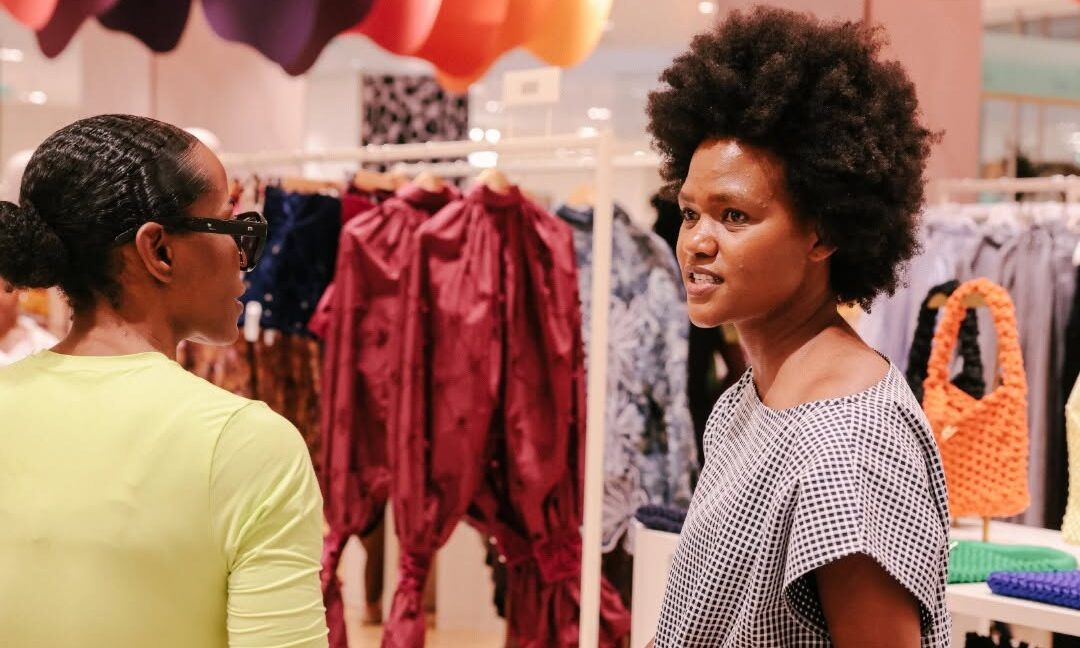
Music In Africa Gender @ Work is a three-year training programme aimed at upskilling and increasing the participation of female professionals in the African music sector. Launched by the Music In Africa Foundation (MIAF) in April 2019, the programme is connected to the MIAF’s ACCES music conference – a pan-African event held in a different African country every year. This connection enables the programme to reach new participants in a different African country every year. The programme marks the beginning of a more concerted effort by the Foundation to support the participation and inclusion of women in all facets of its programmes and the music sector in Africa as a whole. Over the three years, the programme will aim to address gender imbalances in the sector through training, lobbying, facilitating knowledge exchange and dialogues that foster the interest of women. The broader objectives of the programme are to: Provide industry training for women on critical music industry skills, focusing on: Stage management Electronic music production and recording Music business management Technical knowledge Provide an opportunity for both professional and aspiring women to benefit from the Music In Africa network and its broad range of activities in 2019, 2020 and 2021. Provide a solution-based platform in the form of a round table at ACCES with a view to identify challenges, discuss opportunities and lobby for the interests of female practitioners. Offer participants the opportunity to benefit from programmes offered by MIAF’s partners. Increase access to educational materials. Integrate participants in the broader ACCES programme to maximise experience and exposure to the industry. Record and present training materials on the www.musicinafrica.net, including but not limited to tutorials, templates and other best-practice materials. Communicate women-based themes that support the initiatives and messages of the programme. MAIN TRAINING ACTIVITIES Training in first country (Ghana): In the first year, participants will be trained on all aspects of stage management by a team of experienced stage managers from 10 to 17 November 2019. The programme will offer robust classroom training as well as practical, hands-on training in which participants will also be given the opportunity to manage various aspects of the ACCES performance programme. Training in second country: The second training iteration will take place at ACCES 2020 when the programme will diversify its course to include music production lessons and training on other music business topics. A round-table platform will also be introduced to coincide with the ACCES programme. Training in third country: The third training iteration will take place at ACCES 2021 in a different country, offering an advanced course. HOW DO YOU GET INVOLVED?  As a participant, facilitator or trainer: The programme enrolls up to 12 trainees every year. All opportunities are advertised publicly on this website, and will be added to this page. Please keep checking this page for new calls (below under UPDATES & CURRENT OPPORTUNITIES). As a partner Please contact Claire Metais at [email protected]. APPLY The call for applications for 2020 will be announced soon. The Music In Africa Gender @ Work programme is made possible with the support of the Prince Claus Fund, Siemens Stiftung and Goethe-Institut.

Sound Connects Fund
Sound Connects Fund

For cultural and creative practitioners and organisations operating in southern Africa, access to funding remains a major challenge. The COVID-19 pandemic has also had a massive impact on government policy, spending and the economy in general, and has seen spending on culture being moved further down the list of priorities. Further, the cultural and creative industries repeatedly cite four main areas where investment is needed for growth, which are increased visibility, mobility including access to new markets, finance and support structures.

Instrument Building And Repair Project

Experience the Vibrations African Instruments Exhibition online in 3D

News

Article 13: European Parliament passes controversial copyright rules

27 Mar 2019 - 09:50

cc-img flag-img

The European Parliament has approved new copyright rules for the Internet.
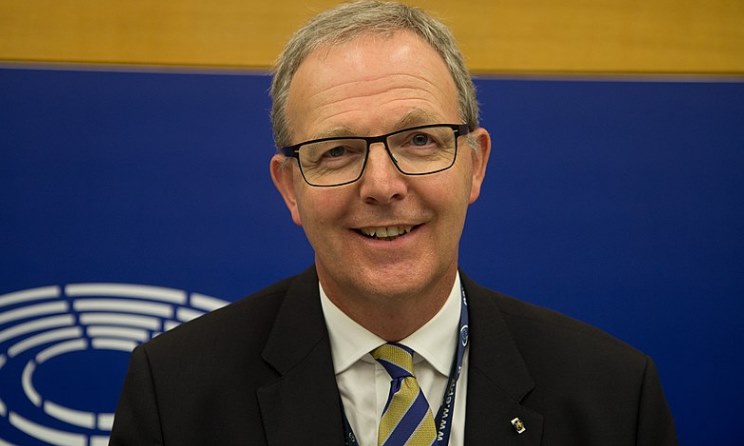
Axel Voss: New copyright rule "is an important step towards" compensating creators.

Yesterday, the new rules, including the controversial Article 13, received 348 votes in favour, 274 against and 36 abstentions.

This comes despite intense pressure from online giants like YouTube. The platform claimed that the new rules would limit the creativity of the online population.

By going ahead, the European Parliament has rejected that claim. The reforms, according to the Parliament, will strive to maintain the Internet’s ethos of free information while upholding the rights and obligations of copyright law. The sweeping reforms affect both artists and journalists.

“The directive aims to enhance rights holders’ chances, notably musicians, performers and script authors, creatives as well as news publishers, to negotiate better remuneration deals for the use of their works when these feature on Internet platforms," the European Parliament said. "It does this by making Internet platforms directly liable for content uploaded to their site and by automatically giving the right to news publishers to negotiate deals on behalf of its journalists for news stories used by news aggregators.”

Axel Voss, the member of the European Parliament most synonymous with Article 13, agreed. He said the "directive is an important step towards correcting a situation which has allowed a few companies to earn huge sums of money without properly remunerating the thousands of creatives and journalists whose work they depend on".

Although Wikipedia had joined the protests against Article 13, the Parliament has exempted uploads to online encyclopedias, like Wikipedia, which are done “in a non-commercial way”. While uploading files containing music, films and scripts will be monitored, newer platforms will be less penalised than established ones in the event of infringement.

Upon news of the decision reaching the public, YouTube issued a statement, saying the final wording of the new rules were better than before but had some reservations. "Article 13 could still have unintended consequences that may harm Europe’s creative and digital economy. We urge EU member states to keep these concerns in mind as they move to implement the new rules.”

As expected, the approval has been met with warmth by many, including CISAC president Jean-Michel Jarre. “I am delighted that, after three years of intense deliberation, the European Parliament has voted for a fairer deal for creators in the digital world,” he said.

“This is the 'yes to copyright' that hundreds and thousands of creators have been asking for in order to preserve their livelihoods, and European culture, in the future. I want to say a huge thank you to the European Parliament for listening and understanding creators’ concerns.

“This is a really important decision that has enormous implications worldwide. It recognises that a 21st-century Internet needs a 21st-century level of protection for creators. It confirms that the big tech companies which use creative content must be made to negotiate fairly with the creators who fill their pipes and cables with their works. And it sets up a more just, balanced and responsible partnership between the creative community and the vast and powerful technology goliaths that increasingly dominate our digital world.”

Critics of the new rules have expressed dismay, even as EU countries have two years to make the rules into binding national laws. The Internet, they say, could become more fragmented along geographical lines and increased pressure on digital platforms to ensure copyright purity could lead to censorship of content uploaded by users. Fears concerning the banning of memes have proven unfounded as the final draft of the rules provides an exemption for memes and parodies.

Please log in to post a comment.

Most popular

Disclaimer: Music In Africa provides a platform for musicians and contributors to embed music and videos solely for promotional purposes. If any track or video embedded on this platform violates any copyrights please inform us immediately and we will take it down. Please read our Terms of Use for more.

newsletter banner

Subscribe to our monthly Newsletter

Follow us on social media