


























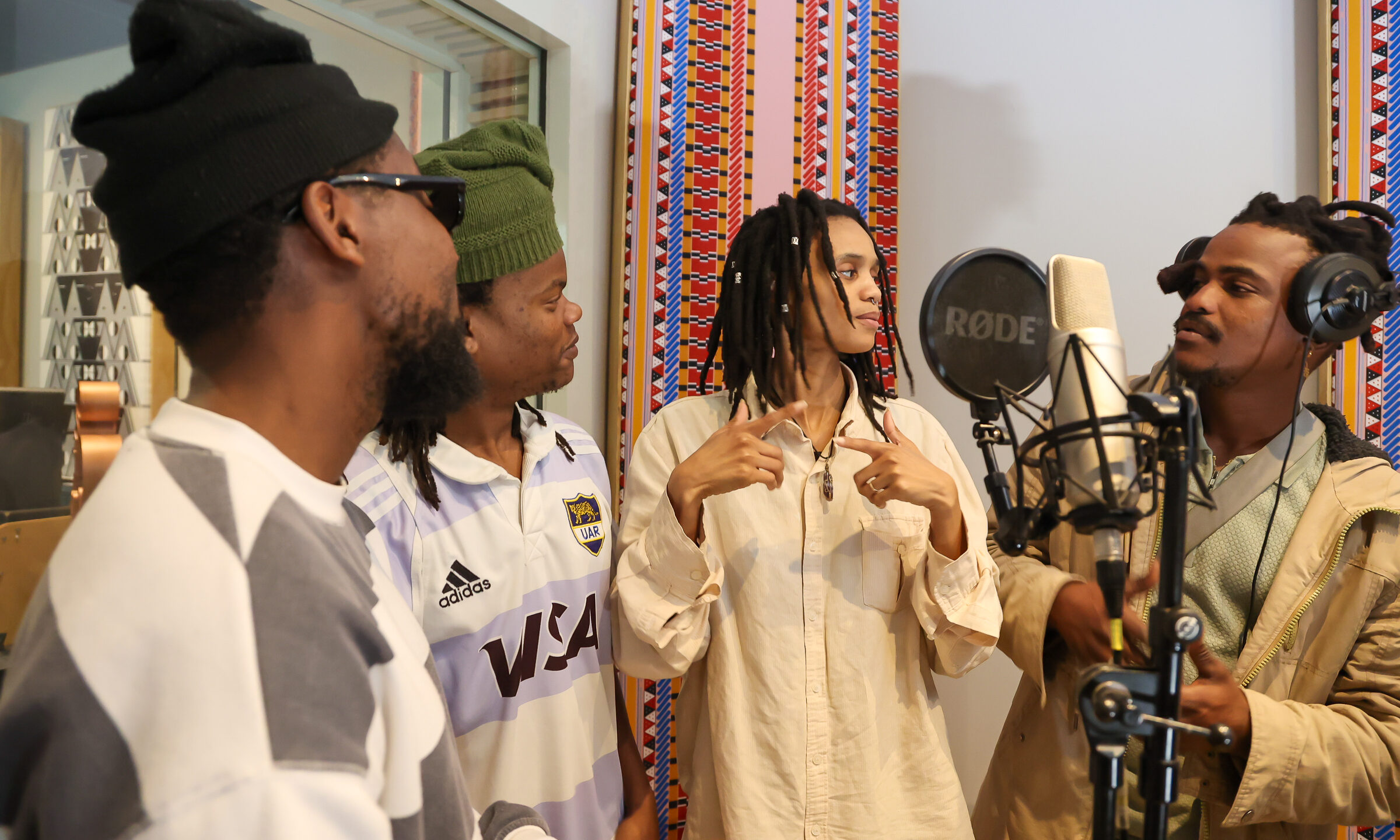
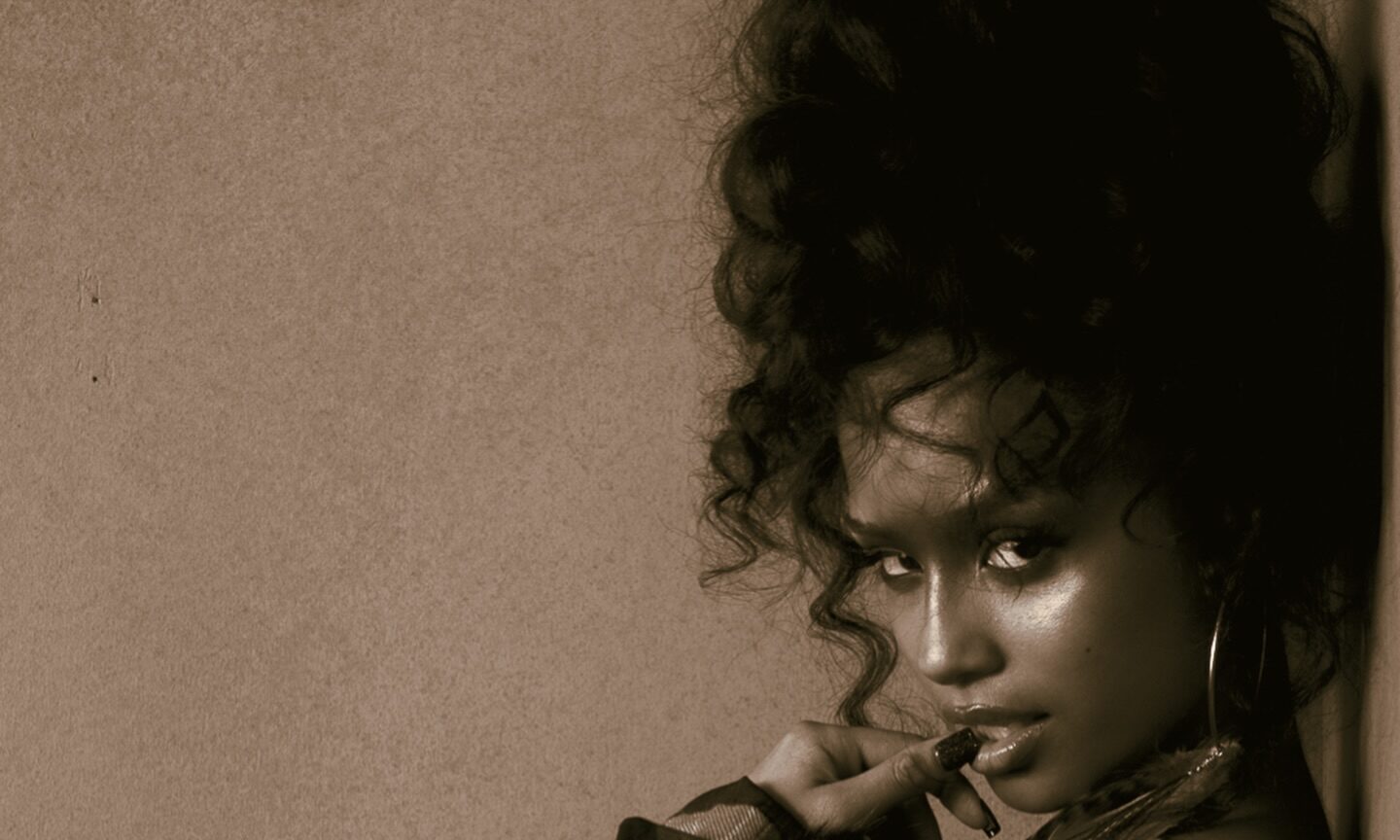


























In the 1990s, DJ Rachael Kungu was one of the pioneer local female DJs in Uganda. Since then she has gone on to become one of the top DJs and has carved out a prolific career in a male-dominated industry.

The tomboy in her is unmistakable. The dreadlocked DJ walks with a spring in her relatively heavy boots, wears pants and hardly carries handbags like the average girl does. She likes to travel light and if need be, she will carry a backpack. DJ Rachael Kungu is one of Uganda’s pioneer female DJs in the country, whose career spans two decades. When she cut her teeth in the trade - in late 1994 - female DJs were almost unheard of. She would escape from home, tell a lie, just to go learn how to mix music and handle the music equipment.
The genesis
This is a passion that was ignited by DJ Spinderella (Deidra Muriel Roper), an American DJ who came to play at Hotel International in Muyenga. Rachael was only 13 and admired the way this turntable ace did her thing. On top of spinning the wheels of steel, Spinderella would rap. The combination of the two and how she pulled off a fused act of rap and mixing music made the little girl look on in awe. “I could not imagine a girl spinning discs. But then again I wanted to rap, not DJ,” she recalls, running her hands through her neat dreadlocks. She kept in school but the desire to get her musical abilities known kept burning inside her.
At the time, Hotel International Muyenga was popular for its daytime parties that were frequented by teenagers. Rachael was one of many teenagers that attended the groovy get-togethers. She became part of Muyenga Youth club. That is where she was introduced to big acts back then, such as Salt-n-Pepa, Roxanne Shante, MC Lyte, Run-DMC and Kid N Play. She did not just dance to the music; the youngster also started internalising the lyrics of these international stars’ songs and raps.
One step at a time
Little did she know that rapping would earn her a place behind the DJ’s box at a top club in town. She would tell her mother lies in order to go to Club Pulsations and learn DJing from DJ Wasswa Junior. “I would tell her that I was going out to visit my friends,” she recollects. At night she was accompanied by her cool uncle to club, so her mother was sure she was safe. Even then, she was still too young to be doing night gigs. “It was crazy but I was crazier and I knew what I wanted,” the lanky DJ adds. However, Wasswa and the other in-house DJs scolded her when she initially visited but began treating her better like their young sister, with time. This was after she went behind the turntables and mixed for revellers for the first time. She held her forte and the crowd got excited seeing a small-bodied girl smiling their way as she did her thing.
Naturally, for a young girl, and the only one at that working in a nightclub, there were men who wanted to take advantage of Rachael. Her defense was her tomboy demeanor that made her come off as just one of them - the men. She further recounts, “Instead of hitting on me, they confided in me about their conquests and we would have a good laugh. I teased the few who wanted to take advantage. They realized I was no push-over and so made me their friend in the end.”
[audio:https://soundcloud.com/djrachael4raynsom/masese-kimbotito-dj-rachael-scraych-mix autoplay:0]
Working with others
Whereas DJ Wasswa taught her almost all she knows, DJs Alex Ndawula, Kato, the late DJ Berry and Junior all helped mentor the young DJ. When she could stand on her own, other club owners started offering her opportunities to work at their clubs.
When she left Pulsations she joined Club Silk, where she honed her craft officially and more professionally. She was there for more than eight years. During the long tenure, she would be would get contracts to play at parties, public and private parties. She would also play at Club Sombreros in Jinja, be hosted at Florida 2000, at Carnival in Nairobi and Stone Club in Mwanza.
Her firsts
There were some firsts too. “I was the official DJ at the launch of the Fanta Bamboocha brand in East Africa. I was honoured to play at the Akina Mama wa Africa ‘African women’s conference’ in Munyonyo too in early 2000.” She featured at the Red Rat concert and was the official DJ at Wayne Wonder and Demarco's concert in Kampala.
On the side, Rachael has also tried her talent as a singer. She made 'Tumuwe Akalulu', a song for the presidential campaign in 2010. “I have done anti-malaria songs with the Ministry of Health which were featured on the Malaria Days in 2009 and 2010,” she says.
She has been host DJ for the Irish St. Patrick’s Day for two years and has played for the Italian ambassador on several official Italian days since 2012. DJ Rachael is also a DJ at the Bayimba International Foundation and she has played on several of the Silent Discos at Uganda National Cultural Centre (National Theatre). She is currently part of the Nairobi-based Santuri Safari East Africa DJs. “We produce and remix East African sounds and perform the songs at festivals all over East Africa. We are re-identifying reinventing and reinvigorating East African musical sounds,” she says. She has also mixed music at the Sondeka Festival in Kenya, DOADOA – the East African Performing Arts market and Nyege Nyege Festival in Jinja last year.
What makes her continuously relevant
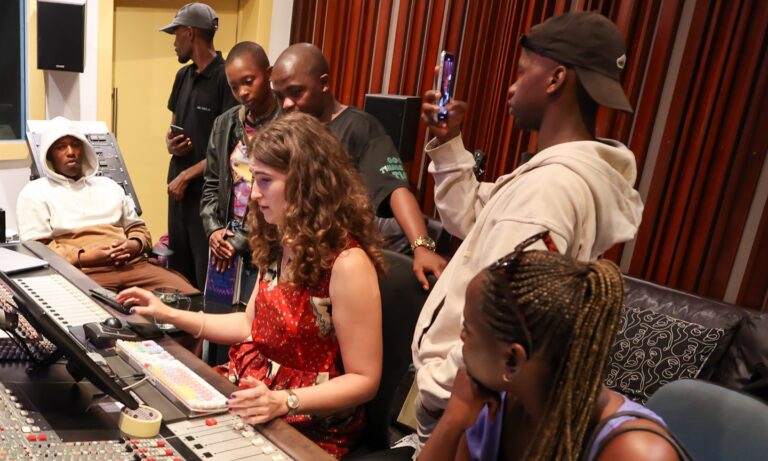
DJ Rachael says she is constantly reinventing herself. She goes with the trends while keeping her focus on the good music. She is now a music producer. She trains with others to further her ambition to grow. Still in the same line, she is starting a new workshop with the German Zentrum to teach girls DJing and pass on production skills. She connected with the German Goethe-Zentrum through the Santuri brand, a collective of DJs and music producers in Uganda, Kenya and Tanzania. She explains that under Santuri, they create spaces for musicians to come together and play their local instruments or sing. The songs are then remade for the clubs. Many DJs have been trained in music production. Rachael is certain the efforts undertaken will change the way the world listens and looks at East African music since it will get identity. DJs Ivo, Dark Meme and producer Jude are the other beneficiaries of the project. Joel Sebunjo, Giovanni Kremer Kiyinji and Bantu Clan are also being trained under the project.
Working with Kenyan artist Makadem, Sarabi Band and Zawose Band from Tanzania are the other projects Rachael lists as her other career highlights. She is grateful that DJing can put food on the table and also enable her achieve more. She has a mobile sound system and owns Scraych Rekords, an audio studio. Rachael handles sound and provides music at events such as weddings where she commands her own DJ fees. “I built the sound system slowly bit by bit but I think I have invested around Shs 20m ($5814) in it. As a DJ, I charge depending on the event, from Shs 250000 ($73) to more than Shs 1m ($290). I also assembled the studio in bits but I think it has cost me around Shs 15m ($4360),” she reveals.
The travel opportunities continue to come her way. She is soon embarking on a European and American tour. Away from DJing, Rachael is a fun-loving person. “I play football with my boy, produce music and watch football, Discovery Channel and animated movies. I also enjoy swimming, doing sundowners, just chilling by the lakeside or inviting friends for karaoke at my place,” she says. She is in a relationship but prefers not to say much about it since she likes her privacy.
Challenges
DJ Rachael thinks DJing is a more respectable profession today than it was back in the day. She adds that it needs to be beaten into a progressive line. “New DJs frustrate the more established ones by taking peanuts as pay in order to fit into the system and make a name. There is no recognized minimum wage for DJs so employers take advantage of this. It is still growing but there is hope,” the veteran turntable queen observes.
Her preferred music genres are Afro-house, hip-hop and dance because of the hype and energy. She continuously tries to keep up with the technological advancements by reading various e-books on music production
What others say about DJ Rachael
“She is a hardworking woman and a legend. I have heard of her since I was in school. We have never met in person but she has been popular since back then. She is a good DJ. I have learnt from her to stay focused since she has been around for some time and is still standing tall. Nothing puts her down. She is a fighter. She laid a foundation for us female DJs. Thumbs up for her,” says DJ Pofia.
“I do not exactly remember the year we met but what I recall is that I met her at Club Silk. She was and is still good at what she does- deejaying. She is friendly. At the time, she never interacted closely. I was playing in Silk Royale while she played in the Oxygen section. She is respected as a pioneer female deejay. She has a really good music selection," says DJ Emma.
“She is good at her job. Even when she was starting out at Club Pulsations, she was one person that was very quiet. She was not loud but when she started doing music, she did very well. We don’t hang out together anymore but I know she is doing well,” says DJ Alex Ndawula .
Her favourite DJs
As a veteran, Rachael has her favorite DJs from new blood. “I like DJ Roja because he is very versatile and he is a crowd puller. Slick Stuart is much organized and has focused on his own path. Dark Meme strays from the norm and dares the Ugandan crowd and plays into his own style of Afro-eclectic sounds,” she says of her favorites.
* Originally published on 7 February 2016 in the Monitor


Most popular

Call For Applications : ACCES seeks a UK-based performer
10 Sep 2026

Top amapiano songs of 2026
16 Feb 2026

Top Afrobeats songs of 2026
19 Mar 2026
Open call: Goethe-Institut grants for Southern African creatives
08 Sep 2026
AFRIMA 2026: All the winners
12 Jan 2026

Open call: Ernst von Siemens Music Foundation 2026 funding programmes
04 Sep 2026
Open call: FAME Week Africa, Pressure Cooker Studios songwriting camp
09 Sep 2026
Disclaimer: Music In Africa provides a platform for musicians and contributors to embed music and videos solely for promotional purposes. If any track or video embedded on this platform violates any copyrights please inform us immediately and we will take it down. Please read our Terms of Use for more.

Subscribe to our monthly Newsletter
Follow us on social media


Please log in to post a comment.