



































NEFCISA
NEFCISA

The Music In Africa Foundation (MIAF) is proud of its partnership with the Industrial Development Corporation (IDC) as a Strategic Implementing Partner (SIP) for its Social Employment Fund (SEF). Through this collaboration, MIAF is running a national programme that is creating jobs, addressing skills gaps, and strengthening South Africa's creative industries — in line with the SEF's overarching goal to generate work for the common good and build community value through employment, social contribution, and inclusive economic participation. Operating under the banner NEFCISA (National Employment Facility for Creative Industries in South Africa), the initiative is recruiting and training participants, matching them with host organisations, and has already placed 1 500 workers across the country — surpassing its original target of 1 000. NEFCISA is delivered through a network of 20 host organisations spanning five provinces, who are actively hosting participants and contributing to work for the common good across South Africa's creative and cultural industries. Key Objectives: Support employment and entrepreneurship in the creative industries. Offer skills development and training programmes. Foster partnerships between public and private creative sectors. Promote South African creativity at both provincial and national levels Foster community development through social contribution.

ACCES
ACCES

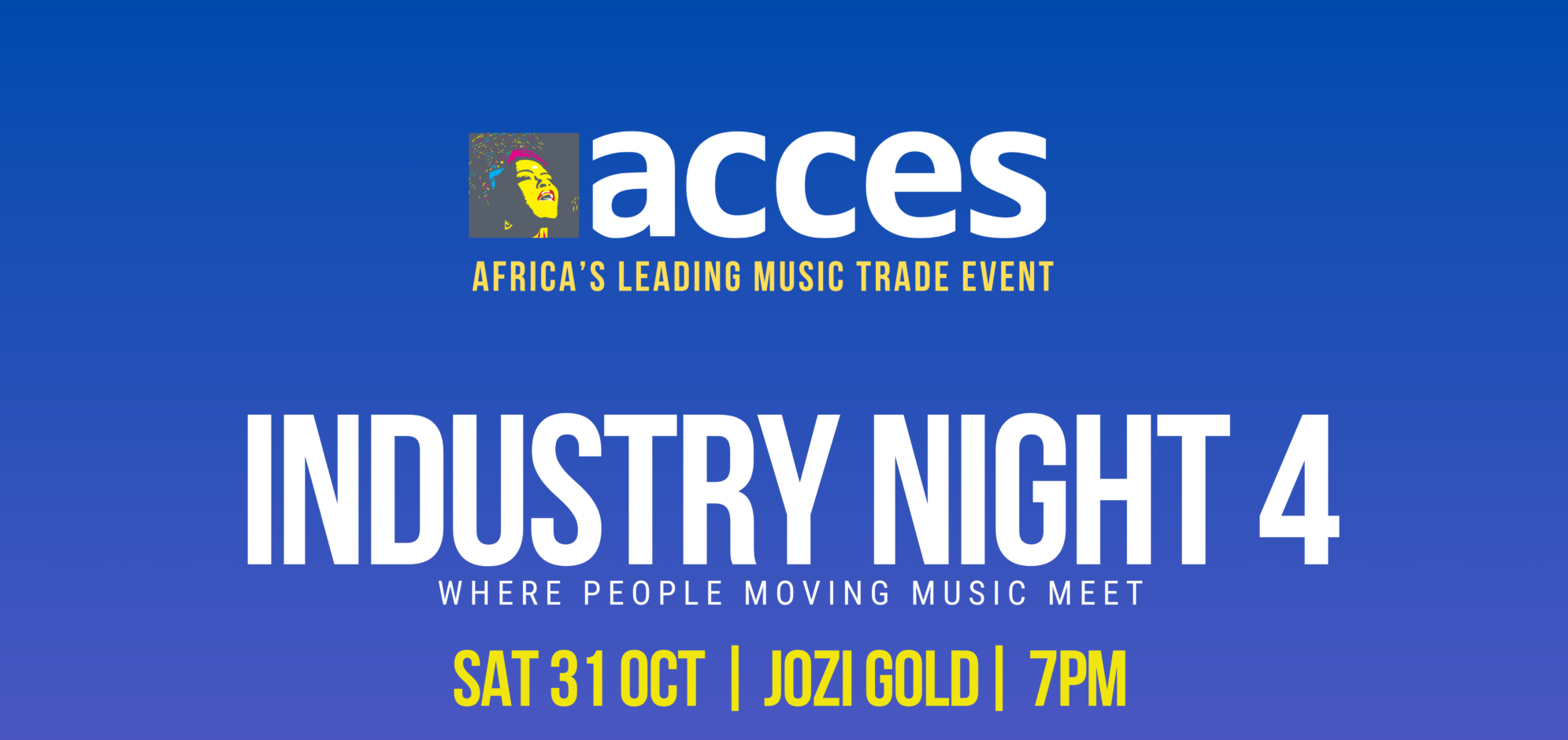
ACCES Conference and Showcase Festival is Africa's leading music industry gathering, bringing together the people shaping the future of the continent's music business. Artists, entrepreneurs, executives, investors, policymakers and cultural leaders from across Africa and around the world come to ACCES to build partnerships, exchange ideas, discover talent and create new business opportunities. Since its launch in 2017, ACCES has become the continent's premier platform for professional exchange and music market development. Combining a high-level conference with a curated showcase festival, networking, exhibitions and industry programmes, ACCES offers a unique space where creativity meets business and where African music connects with the global industry.

Gender@Work
Gender@Work

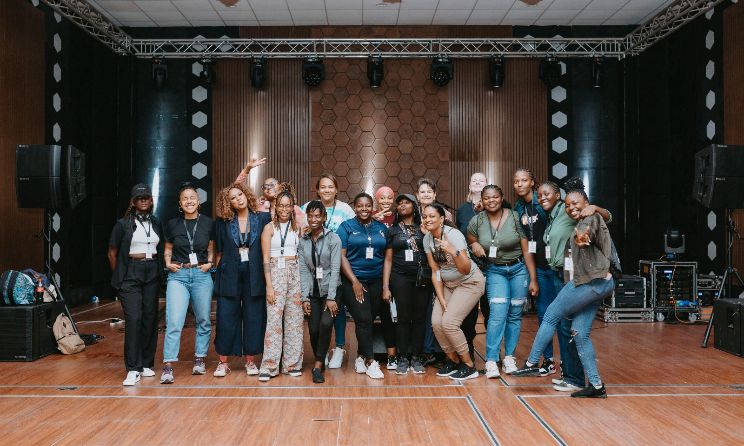
Music In Africa Gender @ Work is a three-year training programme aimed at upskilling and increasing the participation of female professionals in the African music sector. Launched by the Music In Africa Foundation (MIAF) in April 2019, the programme is connected to the MIAF’s ACCES music conference – a pan-African event held in a different African country every year. This connection enables the programme to reach new participants in a different African country every year. The programme marks the beginning of a more concerted effort by the Foundation to support the participation and inclusion of women in all facets of its programmes and the music sector in Africa as a whole. Over the three years, the programme will aim to address gender imbalances in the sector through training, lobbying, facilitating knowledge exchange and dialogues that foster the interest of women. The broader objectives of the programme are to: Provide industry training for women on critical music industry skills, focusing on: Stage management Electronic music production and recording Music business management Technical knowledge Provide an opportunity for both professional and aspiring women to benefit from the Music In Africa network and its broad range of activities in 2019, 2020 and 2021. Provide a solution-based platform in the form of a round table at ACCES with a view to identify challenges, discuss opportunities and lobby for the interests of female practitioners. Offer participants the opportunity to benefit from programmes offered by MIAF’s partners. Increase access to educational materials. Integrate participants in the broader ACCES programme to maximise experience and exposure to the industry. Record and present training materials on the www.musicinafrica.net, including but not limited to tutorials, templates and other best-practice materials. Communicate women-based themes that support the initiatives and messages of the programme. MAIN TRAINING ACTIVITIES Training in first country (Ghana): In the first year, participants will be trained on all aspects of stage management by a team of experienced stage managers from 10 to 17 November 2019. The programme will offer robust classroom training as well as practical, hands-on training in which participants will also be given the opportunity to manage various aspects of the ACCES performance programme. Training in second country: The second training iteration will take place at ACCES 2020 when the programme will diversify its course to include music production lessons and training on other music business topics. A round-table platform will also be introduced to coincide with the ACCES programme. Training in third country: The third training iteration will take place at ACCES 2021 in a different country, offering an advanced course. HOW DO YOU GET INVOLVED?  As a participant, facilitator or trainer: The programme enrolls up to 12 trainees every year. All opportunities are advertised publicly on this website, and will be added to this page. Please keep checking this page for new calls (below under UPDATES & CURRENT OPPORTUNITIES). As a partner Please contact Claire Metais at [email protected]. APPLY The call for applications for 2020 will be announced soon. The Music In Africa Gender @ Work programme is made possible with the support of the Prince Claus Fund, Siemens Stiftung and Goethe-Institut.

Sound Connects Fund
Sound Connects Fund

For cultural and creative practitioners and organisations operating in southern Africa, access to funding remains a major challenge. The COVID-19 pandemic has also had a massive impact on government policy, spending and the economy in general, and has seen spending on culture being moved further down the list of priorities. Further, the cultural and creative industries repeatedly cite four main areas where investment is needed for growth, which are increased visibility, mobility including access to new markets, finance and support structures.

Instrument Building And Repair Project

Experience the Vibrations African Instruments Exhibition online in 3D

News

‘Every day looks like Sunday now’ – Deezer on COVID-19 streaming behaviour
31 Mar 2020 - 20:02

cc-img flag-img

Deezer yesterday released a report on streaming behaviour on its platform from 2 to 22 March.
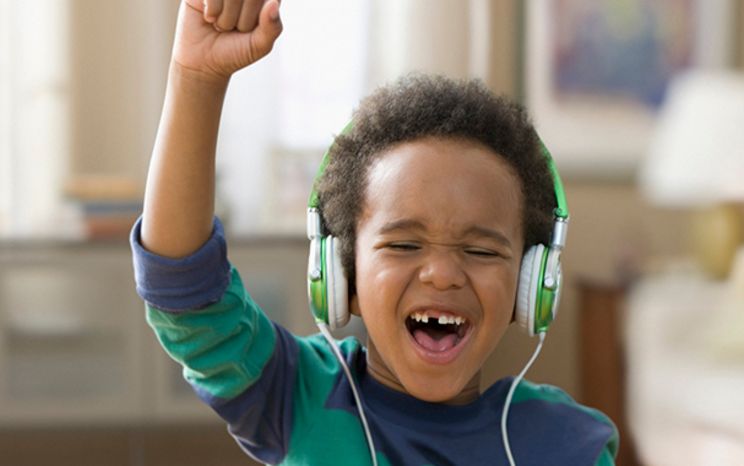
The consumption of children's content has seen an increase on Deezer.

The report, which includes activity for music, podcast and radio, reveals new audio consumption habits that are emerging amid the coronavirus (COVID-19) pandemic.

The usual weekday streaming peak shifted from 7am to 9-10am. Fridays used to have the highest number of streams in the week, but with limitations on social activities due to the crisis, every day now looks the same.

“Our data shows us how people are adapting," Deezer chief data and research officer Aurélien Hérault said. "You have to keep your kids entertained, make sure to stay fit and still balance work and personal time. And the difference between weekends and weekdays is more or less gone. Every day looks like Sunday now.”

Deezer says contextual playlists and podcasts for activities like cooking and fitness are set to become even more relevant.

In the week following the launch of the Stay at Home channel, playlists like 'Mellow Days' increased by 335% while 'Feel Good' is the second most streamed playlist globally. The 'Happy Hits' playlist saw a 53% global increase.

There's also an uptick in sports content with ‘Sports Motivation’ being the top streamed playlist on the channel worldwide, while children's and meditation content climbed significantly.

The report also indicated a positive shift in streaming from mobile devices towards home appliances such as smart TVs and speakers. Xbox was the most popular device with a 60% increase followed by Android TV at 59%. Streaming on tablets (+20%) is still preferred to using desktops (+15%), which showed the least growth.

The coronavirus is creating an appetite for developing news that is being filled with an increased consumption of live radio. Although music decreased, overall live radio listening boomed by 19% globally in the last two weeks.

Deezer says people need about 10 days to adapt to their new solitary life. In Italy, data showed that although engagement levels dropped initially, they levelled out after the first week of lockdown. A similar pattern followed in France where there was an initial decrease after President Emmanuel Macron announced a lockdown on 16 March. However, engagement levels on the platform increased again a week later.

In contrast, Spotify last week posted its lowest numbers in Italy with 91.7 million plays in seven days on its Top 200 stream count of 2020, representing a 4.9% decrease week-on-week, according to Music Business Worldwide. However, global cumulative streams are up 3% week-on-week.

To support users through this difficult time, Deezer is also throwing in free three-month subscriptions for its HiFi and Family plans.

“Right now, we are focused on meeting the needs of our users,” Deezer head of global public relations Alice Suh told Music In Africa. “We want our service and content to help people cope with the current situation. Many of our users are confined to their houses right now. We’ve adapted our product to this reality and we're curating content to help users weather the storm.”

Meanwhile, Boomplay told Music In Africa it might consider dropping its subscription prices amid the pandemic.

Please log in to post a comment.

Most popular

Disclaimer: Music In Africa provides a platform for musicians and contributors to embed music and videos solely for promotional purposes. If any track or video embedded on this platform violates any copyrights please inform us immediately and we will take it down. Please read our Terms of Use for more.

newsletter banner

Subscribe to our monthly Newsletter

Follow us on social media