
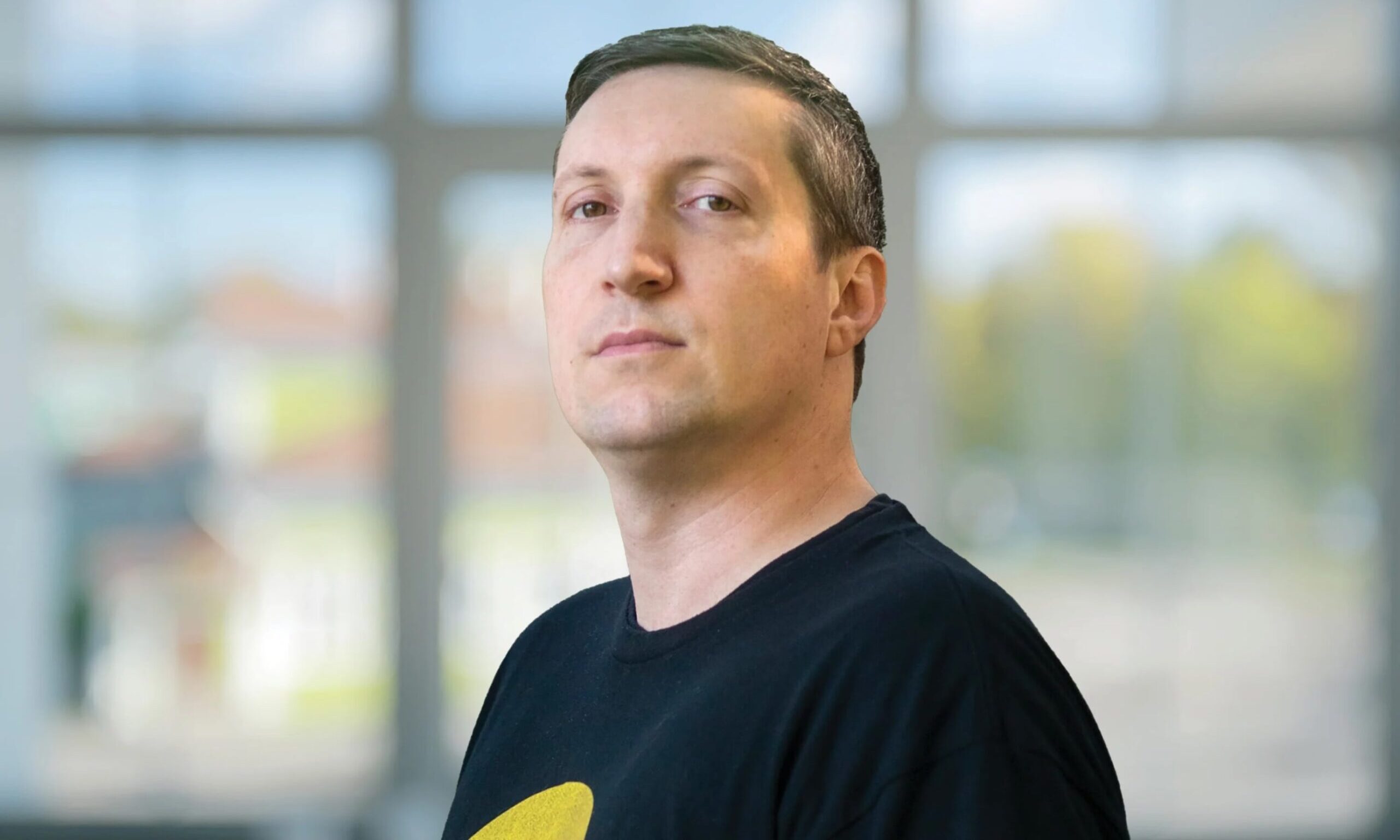










































Gabriel Myers Hansen: Music journalists are an endangered species
22 Nov 2023 - 14:35


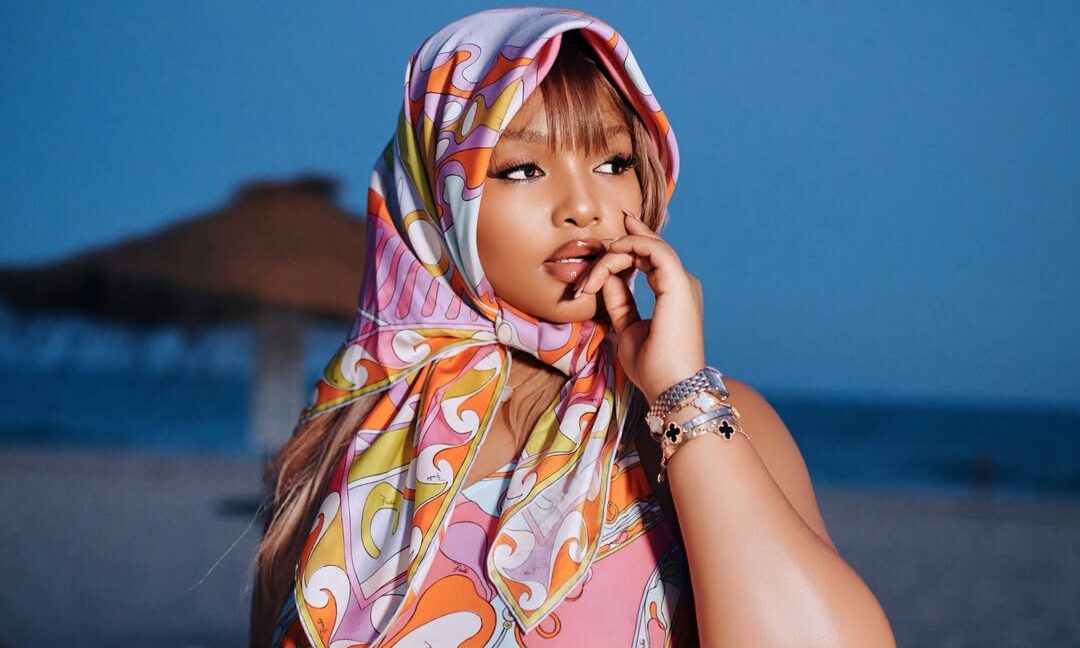
G, wearing a sheer white ensemble held together by golden rings at the cleavage and waist, spends a full hour posing for photos in front of the corridor of the glass-and-greenery-encased Lagos restaurant we have arrived at.
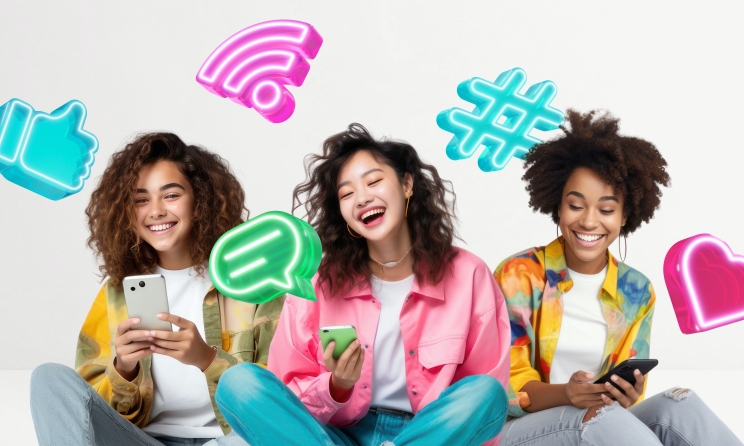
A 24-year-old Ghanaian influencer whose relevance hinges on how well she looks online, she is keen on curating her perfect digital persona – around her youthful curvy figure and an exquisite lifestyle. M, a partner in the trade, volunteers to be her cameraman for the night, capturing the play of light on the marble floor. G settles into more poses: one foot in front of another, stroking her bone-straight wig, turning her head this way and that way. M takes several shots, holding a pocket-size mini LED above. The goal is to get every angle, every detail. Still, something is missing, for G descends from her spot on the steps, wearing a dissatisfied look on her face, to offer direction.
She concludes that the flashlight has to be held higher. They point the iPhone’s bright screen to my face for my opinion. With my limited photography command and social media expertise, I fail to diagnose any defects. M takes more shots, holding the light higher. G smiles at the outcome. I marvel at this specific interaction: the sheer patience and dedication at play.
“You’re a very patient man,” I turn to Eric, our calm protocol officer. “You learn that by spending time with the missus,” he smiles, sensing my growing unease. “It’s better to be patient in a moment than get in an argument afterwards,” he adds, stroking the straps of his knapsack. I quickly learn that with influencers, as with significant others, tolerance is a virtue. There’s a game being played here, and I must learn the rules if I am to survive.
When we finally make it inside, we are greeted by the sound of cutlery and soft chatter. The place also exudes a cosmopolitan ambience, fit for bourgeoisie mingling. Soft music floats from speakers hiding in the ceiling: Grover Washington Jr, The Temptations. Waiters and waitresses, in black long sleeves and hair nets shuffle about. A group files out with a small cake and a single lit candle, singing ‘Happy Birthday’.
My Lagos trip, at the invitation of a digital streaming platform to celebrate the global rise of Afrobeats, is attended by creeping panic about the fate of my profession. I’m the only journalist in our group from Ghana. The rest are digital creators. In my decade-long profession, I’ve never felt as endangered as I do today. Since we arrived days ago, I have watched with keen interest the activities of content creators, G in particular. Right from the airport in Accra, she consistently had a camera in hand, recording bathroom or elevator scenes, or exotic meals before digging into them, volunteering many stories about what brand sent her what product, what happened in Kenya and Dubai, and bellyaching about the stress of being complimented about her beauty, and how many services, even at a high-end hotel, could improve.
Later, at a party, I watch with the horror of an introvert as the likes of G, armed with colourful fashion choices, thrust themselves into the focus of flashing lights and cameras. One evening many months ago, flipping through a little notebook of essay ideas and random passages and pondering my fate, I concluded, or decided in a fit of desperation, that even in the TikTok-verse, the original, well-written and compelling story will always win. The panic that informed this was rooted in how increasingly blurred the line between traditional reporting and influencer content is becoming – the latter often replacing the former. In these parts, like elsewhere, influencers have become the new cultural icons, shaping public discourse and steering brand narratives. Their leverage: digital followers – the most valuable currency on social media.
I’ve never quite registered with the influencer tribe. For a long time, I’ve felt that if my writing is good enough, I wouldn’t have to be an influencer, or, as my Nigerian colleague Kelvin puts it, I wouldn’t have to “play the game.” I first met Kelvin more than five years ago over email, bonding over Afropop and prose. Since then, we’ve physically met twice in Accra during his visits. Now, I’ve encountered him in his backyard, his dark humour and firm personality intact. “Chairman, I want to complain,” he insists, before sending his waiter back to the bar with his daiquiri for more alcohol. Explaining his behaviour to me moments later, he attributes his assertiveness for “quality service he is paying for” to a well-to-do ex-girlfriend. “Sexually transmitted assertiveness,” I joke.
I resume sipping my virgin mojito (or ‘Nojito’ as they’ve put it on the menu). Kelvin resumes his reflection on the changing dynamics of the digital age. This is the time when the pursuit of attention is especially paramount, he says. Everything thrives on notice, and influencer content gets results. In Ghana, a curious, stiff protectionism by an older journalism peer group – particularly the cohort preceding TikTok – may be fuelling a growing impulse to wave off contributions by Gen Z influencers and content creators as digital noise and little else. Maybe I belong to a generation that doesn’t quite understand that documenting your own life, or “main character syndrome”, can be a profitable vocation. Maybe watching the people who will put an end to my profession makes my stomach turn...
Whether digital dinosaurs like me get it fully or not, content creation demands an often understated work ethic, encompassing photography and editing, sleep-deprived dedication to always post, and regular fan engagement. Every couple of hours, an alarm on M’s phone goes off, to remind him to make a social media post. There’s also a case to be made for mental fortitude and perseverance, and that beyond technological advancement, relevance and financial independence are driving the growth of the influencer industry.
On average, Ghanaian influencers like G will achieve million-cedi success in their early 20s, much earlier than any generation of professionals before them. It was only a matter of time before social media influence translated into monetisable capacity. Predominantly a result of digital democratisation, it also underscores the emergence of a new route to financial empowerment.
Statista reports that global spending on influencer marketing has surpassed $34bn this year, with the US contributing $26bn to this total. Ghanaian culture journalist Kenneth Awotwe Darko pins the change locally on harsh economic conditions, forcing Gen Zs to find alternative income sources. “With limited opportunities in the conventional job market for graduates, the only seemingly viable way for content development through social media influencing is up. After all, they are already online sharing bits of their lives for free.”
The World Bank’s June report projects a significant deceleration in economic growth for the country, estimating it to be 1.5% in 2023 and a subdued 2.8% in 2024. The Ghana Statistical Service also puts the country’s unemployment rate for young adults (15 to 24 year olds) at about 32.8%. Given this, Darko finds it unsurprising that young people are actively seeking such avenues to overcome economic hardship. “Unfortunately, it comes at a cost, such as misinformation and saturation of a media industry already grappling with fake news. However, with well-tailored efforts in training digital creators in the principles of basic reporting and fact-checking modalities, some sanity can be injected into the space.”
An emphasis on visual appeal and marketability may be overshadowing real artistic value. This shift might mean we’re losing the deep and nuanced conversations about artistry and an embedded cultural context. And yet, is it not in the interest of art itself that art critique remains foundational? Are the dangers of this evolving paradigm not becoming conspicuous, starting with the glaring pitfalls of lack of expertise? The big challenge, I believe, resides in finding a balance between fleeting online excitement and the real heart of the music: a symbiotic relationship where both the promotional influence of digital platforms and the critical examination of musical artistry can coexist without compromising depth and richness. It’s about making sure that music discussions don’t just focus on what’s popular but also on what makes the music special and connected to culture.
The power of journalism must contend with the digital numbers of social media influencers, Kelvin stresses before raising his glass for another sip during our meeting. True, there is the danger of losing the essence of authentic reporting, he admits, “but even if your writing is good enough, you still have to play the game.” I heave a heavy sigh, lifting a glass to my lips, too.


Most popular
Call For Applications : ACCES seeks a UK-based performer
10 Sep 2026

Top amapiano songs of 2026
16 Feb 2026

Top Afrobeats songs of 2026
19 Mar 2026

AFRIMA 2026: All the winners
12 Jan 2026
Open call: Goethe-Institut grants for Southern African creatives
08 Sep 2026

Top Naija songs of 2026
31 Mar 2026

Open call: Ernst von Siemens Music Foundation 2026 funding programmes
04 Sep 2026
Disclaimer: Music In Africa provides a platform for musicians and contributors to embed music and videos solely for promotional purposes. If any track or video embedded on this platform violates any copyrights please inform us immediately and we will take it down. Please read our Terms of Use for more.

Subscribe to our monthly Newsletter
Follow us on social media


Please log in to post a comment.