


































NEFCISA
NEFCISA

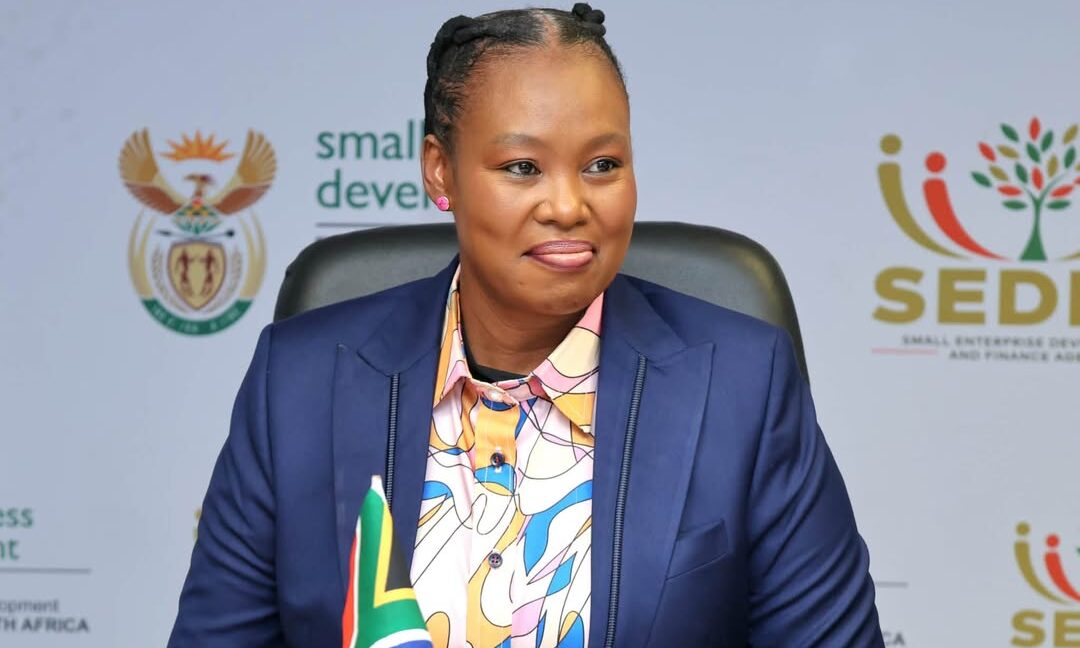
The Music In Africa Foundation (MIAF) is proud of its partnership with the Industrial Development Corporation (IDC) as a Strategic Implementing Partner (SIP) for its Social Employment Fund (SEF). Through this collaboration, MIAF is running a national programme that is creating jobs, addressing skills gaps, and strengthening South Africa's creative industries — in line with the SEF's overarching goal to generate work for the common good and build community value through employment, social contribution, and inclusive economic participation. Operating under the banner NEFCISA (National Employment Facility for Creative Industries in South Africa), the initiative is recruiting and training participants, matching them with host organisations, and has already placed 1 500 workers across the country — surpassing its original target of 1 000. NEFCISA is delivered through a network of 20 host organisations spanning five provinces, who are actively hosting participants and contributing to work for the common good across South Africa's creative and cultural industries. Key Objectives: Support employment and entrepreneurship in the creative industries. Offer skills development and training programmes. Foster partnerships between public and private creative sectors. Promote South African creativity at both provincial and national levels Foster community development through social contribution.

ACCES
ACCES

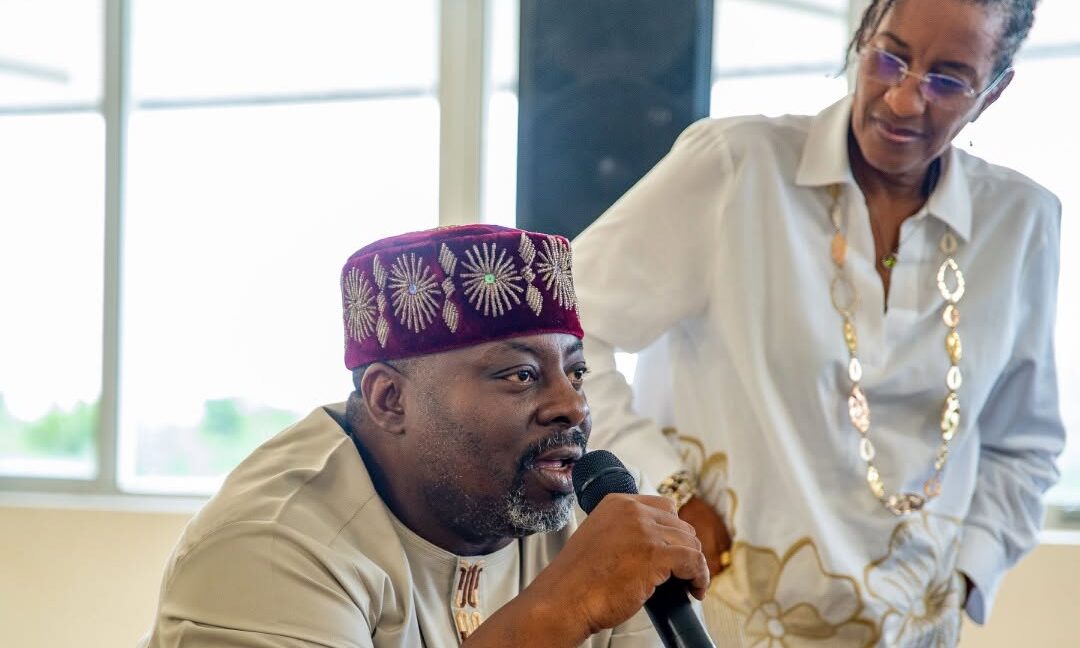
ACCES Conference and Showcase Festival is Africa's leading music industry gathering, bringing together the people shaping the future of the continent's music business. Artists, entrepreneurs, executives, investors, policymakers and cultural leaders from across Africa and around the world come to ACCES to build partnerships, exchange ideas, discover talent and create new business opportunities. Since its launch in 2017, ACCES has become the continent's premier platform for professional exchange and music market development. Combining a high-level conference with a curated showcase festival, networking, exhibitions and industry programmes, ACCES offers a unique space where creativity meets business and where African music connects with the global industry.

Gender@Work
Gender@Work

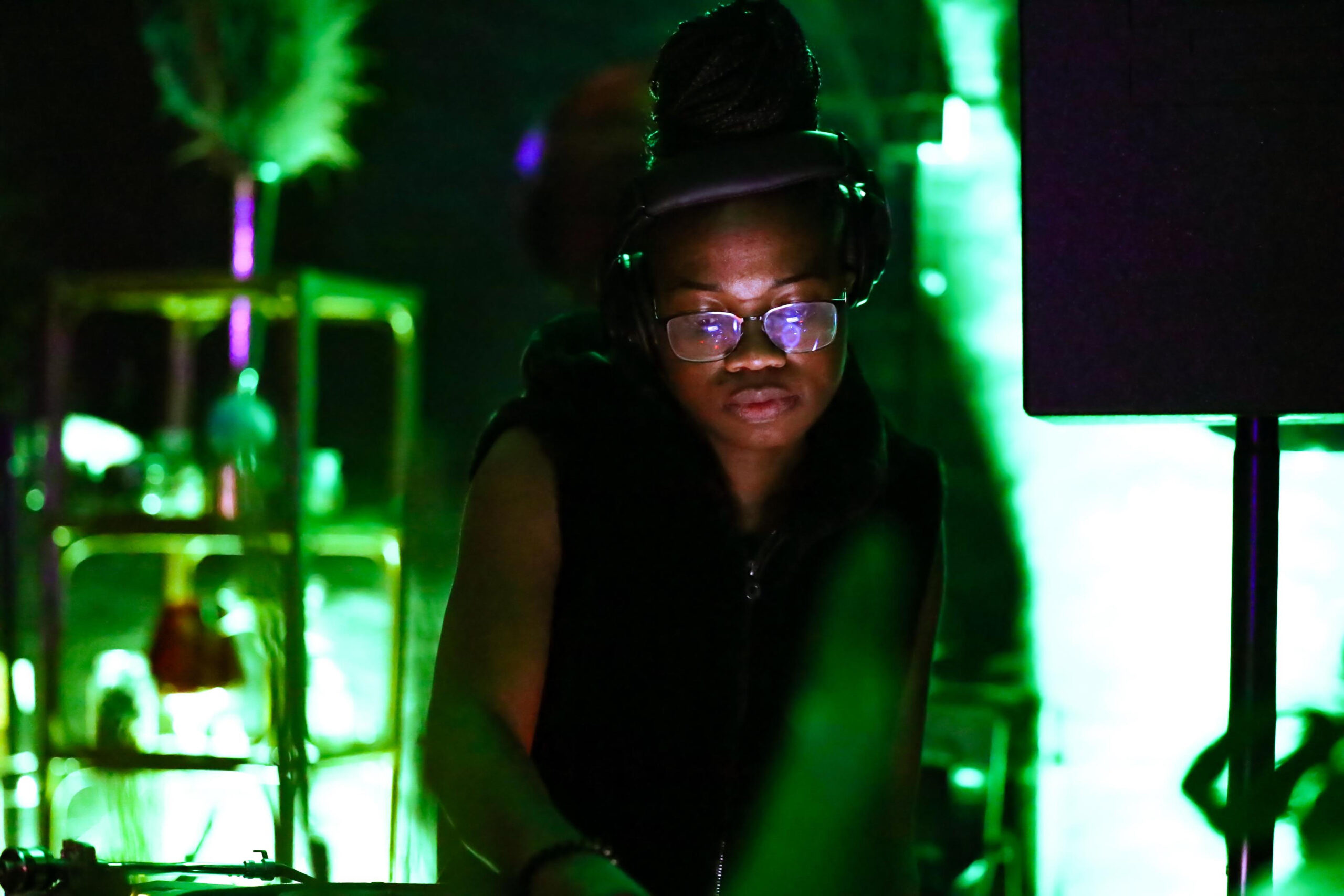
Music In Africa Gender @ Work is a three-year training programme aimed at upskilling and increasing the participation of female professionals in the African music sector. Launched by the Music In Africa Foundation (MIAF) in April 2019, the programme is connected to the MIAF’s ACCES music conference – a pan-African event held in a different African country every year. This connection enables the programme to reach new participants in a different African country every year. The programme marks the beginning of a more concerted effort by the Foundation to support the participation and inclusion of women in all facets of its programmes and the music sector in Africa as a whole. Over the three years, the programme will aim to address gender imbalances in the sector through training, lobbying, facilitating knowledge exchange and dialogues that foster the interest of women. The broader objectives of the programme are to: Provide industry training for women on critical music industry skills, focusing on: Stage management Electronic music production and recording Music business management Technical knowledge Provide an opportunity for both professional and aspiring women to benefit from the Music In Africa network and its broad range of activities in 2019, 2020 and 2021. Provide a solution-based platform in the form of a round table at ACCES with a view to identify challenges, discuss opportunities and lobby for the interests of female practitioners. Offer participants the opportunity to benefit from programmes offered by MIAF’s partners. Increase access to educational materials. Integrate participants in the broader ACCES programme to maximise experience and exposure to the industry. Record and present training materials on the www.musicinafrica.net, including but not limited to tutorials, templates and other best-practice materials. Communicate women-based themes that support the initiatives and messages of the programme. MAIN TRAINING ACTIVITIES Training in first country (Ghana): In the first year, participants will be trained on all aspects of stage management by a team of experienced stage managers from 10 to 17 November 2019. The programme will offer robust classroom training as well as practical, hands-on training in which participants will also be given the opportunity to manage various aspects of the ACCES performance programme. Training in second country: The second training iteration will take place at ACCES 2020 when the programme will diversify its course to include music production lessons and training on other music business topics. A round-table platform will also be introduced to coincide with the ACCES programme. Training in third country: The third training iteration will take place at ACCES 2021 in a different country, offering an advanced course. HOW DO YOU GET INVOLVED?  As a participant, facilitator or trainer: The programme enrolls up to 12 trainees every year. All opportunities are advertised publicly on this website, and will be added to this page. Please keep checking this page for new calls (below under UPDATES & CURRENT OPPORTUNITIES). As a partner Please contact Claire Metais at [email protected]. APPLY The call for applications for 2020 will be announced soon. The Music In Africa Gender @ Work programme is made possible with the support of the Prince Claus Fund, Siemens Stiftung and Goethe-Institut.

Sound Connects Fund
Sound Connects Fund

For cultural and creative practitioners and organisations operating in southern Africa, access to funding remains a major challenge. The COVID-19 pandemic has also had a massive impact on government policy, spending and the economy in general, and has seen spending on culture being moved further down the list of priorities. Further, the cultural and creative industries repeatedly cite four main areas where investment is needed for growth, which are increased visibility, mobility including access to new markets, finance and support structures.

Instrument Building And Repair Project

Experience the Vibrations African Instruments Exhibition online in 3D

Features

How Niniola exploits Yoruba to sing about sex

17 Jan 2018 - 16:00

cc-img flag-img

Contemporary Nigerian pop albums are often characterised by shoddy songwriting and the presence of a token inspirational track. The latter usually appears at the end of the album like a benediction—or at the opening like an invocation.

Sex has always featured in Niniola’s music. Photo: Facebook

Niniola's debut has one of the two characteristics described above. This Is Me opens with ‘Moyo’, a song about penitence and the joy of salvation. ‘Bale’, the third track, is a song of praise about the goodness she has received from God. Between the two, however, is ‘Oyin’, a song unshy about sex.

Sex has always featured in Niniola’s music. Her description of oral sex in ‘Maradona’ is so stark it’s a surprise the song hasn’t been censored by the authorities. In a world where songs are bleeped off for errant mentions of the f-word, the key to Niniola’s subversive sexual freedom lies in her use of the Yoruba language.

The increasing use of local languages like Yoruba, Igbo and pidgin is one of the factors that led to the rise of contemporary Nigerian music. Hip hop artists like 9ice used elaborate Yoruba idiomatic expressions and found success. But there’s arguably no other contemporary pop artist who has explored the explicit nature of the Yoruba language like Niniola.

English, for all the inventiveness it affords, is a prudish language. It’s so squeamish it has meta-euphemisms for banal acts. For instance, it is considered taboo in many places to mention genitalia in public speech, so milder words are invented to reduce the moral abrasion of anatomical descriptions. Those words then have to be written with symbols to make them even less offensive on page. But in Yoruba, “euphemisms” are the scandal. Substitute words are designed not to coddle listeners but to exclude unskilled users.

Niniola is, of course, not the first artist to embrace Yoruba’s relative lack of inhibition. That honour goes to Fuji act Obesere, whose equally subversive act was predicated on unabashed vulgarity. But where Obesere is brash, Niniola is subtle. Her videos contain just enough sensuality to suggest the intent behind her words to those who do not understand her language, while hiding their real meaning until they find a translator.

Rather than present a linear narrative, Niniola often writes with an expressionist style, an aural collage of easy hooks and enigmatic verses that combine samples of folk songs with nursery rhymes, Yoruba idiomatic expressions and even Western myths spoken in her own language.

On ‘Jigi Jigi’ from 2016, she splices “Mirror mirror on the wall” with the Oluronbi myth to sing about vanity. “Kokoro ti n je fo idi efo lo wa” she sings in ‘Oyin’. This is a Yoruba expression for how those who betray us are often closer than we think. But the meaning of the sentence can become a metaphor for sex once its words are stripped to their literal origins: “The insect that’s eating the vegetable lies at its root.” Idi, the Yoruba word for “root”, can also be used to describe the human backside.

There are few Nigerian artists today—male or female—whose embrace of sex positivity can rival Niniola’s. The men are dull in their obsession with endowed women and even adventurous women artists rarely stray into unexplored territory. In Sugarcane, for instance, Tiwa Savage applies the trite food-as-phallus formula her male counterparts have overused.

Niniola finds diverse ways to express desire. In ‘Magun’, she appropriates a patriarchal practice of placing a hex on a woman’s body to keep her faithful by applying the curse on her own body. “O lewu fun anybody to ba fe gun mi / mo fi magun sara to protect body,” […] she sings, announcing the danger in having sex with her.

She adds: “Ere gele, on a surface level / only foreplay is allowed for you.” She goes from describing the utility of arming herself with a curse—it ensures sex is strictly on her terms—then proceeds to show she isn't motivated by just fear, but a need to be in charge of her own pleasure.

For an artist who once said sex is overrated, its centrality in Niniola’s oeuvre might look like a contradiction. But her continued performance of it in song shows she considers banal this activity many hold sacred. And she’s not sentimental about it like R&B artists—the usual merchants of sex—often are.

For all the deficiencies of English earlier described, it's still possible to write excellent songs with it, subject notwithstanding. Mastery of the language, access to a wide array of references and the wit to make poetry out of available material is required to achieve this exellence. And that is a tall order for many—even professional Nigerian writers—so, perhaps criticism of Nigerian songwriting should be done with this handicap in mind.

This linguistic crutch, however, isn't sufficient excuse for the lazy lyrics typical of Nigerian pop. Nigerian artists already sing in local tongue, what remains is increased effort in exploiting these languages for their inherent possiblities. Many have shown this with humour in pidgin, and now Niniola has done same with sex in Yoruba.

Please log in to post a comment.

Most popular

Disclaimer: Music In Africa provides a platform for musicians and contributors to embed music and videos solely for promotional purposes. If any track or video embedded on this platform violates any copyrights please inform us immediately and we will take it down. Please read our Terms of Use for more.

newsletter banner

Subscribe to our monthly Newsletter

Follow us on social media