
























































By Jess White
What is an EPK?
An Electronic Press Kit (EPK) is essentially your resume as a musician. Your EPK helps music festivals, promoters, venue managers and journalists to understand who you are, what you’ve done, and why they should care about you.
Why do I need an EPK?
Creating an electronic press kit is your first step to better press coverage and more bookings. A well-presented EPK can prove to be a big boost to your career.
How do I build an EPK?
Traditionally, EPK were submitted as pdf documents. However, artists are increasingly moving to online EPKs. For example, Music In Africa is an online platform where artists can host their EPKs.
Don’t forget: creativity is key! Put yourself in the shoes of the press corps – what would make you want to book you?
Include anything you can to make yourself stand out from the crowd.
What’s inside your EPK?
1. Your EPK should include links to stream and (optionally) download your music. It is best to only include finished and mastered audio files. If you are including mp3s, they should be of a high-quality bit rate (preferably 320kbps).
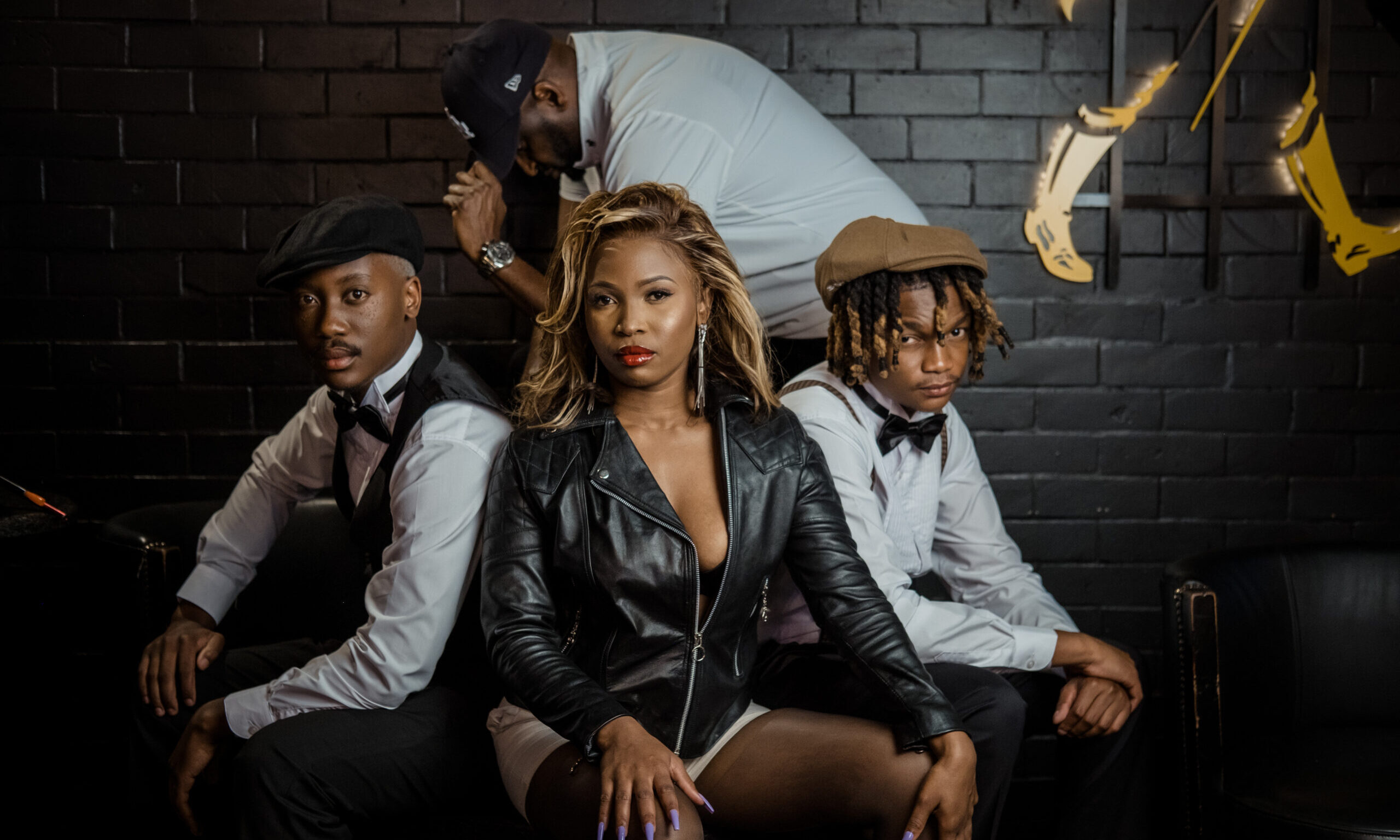
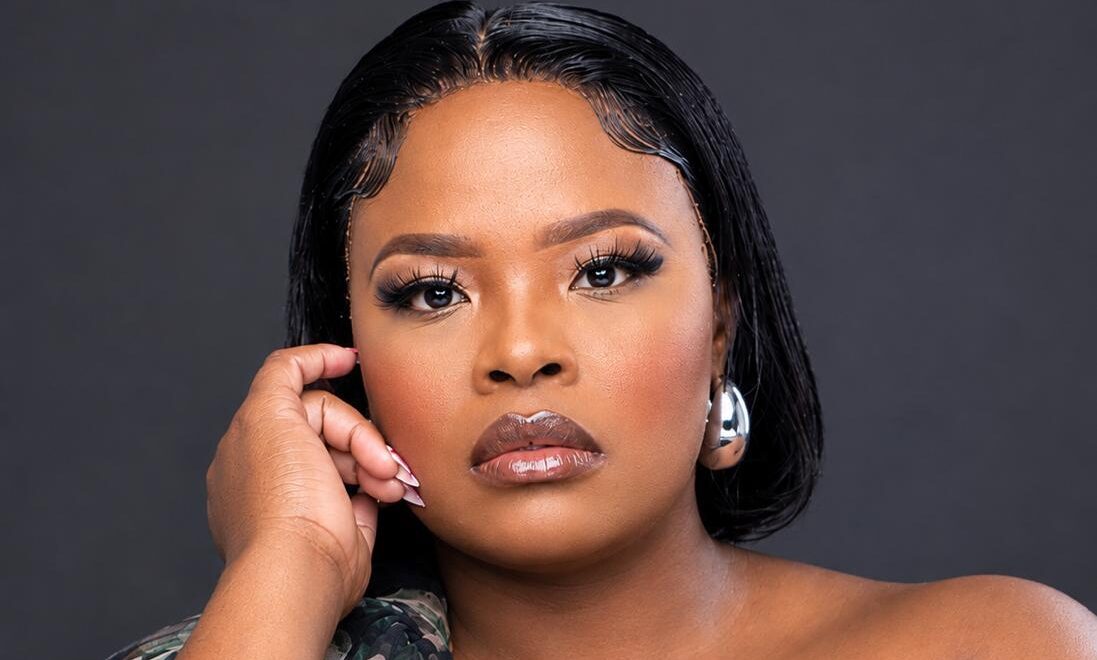
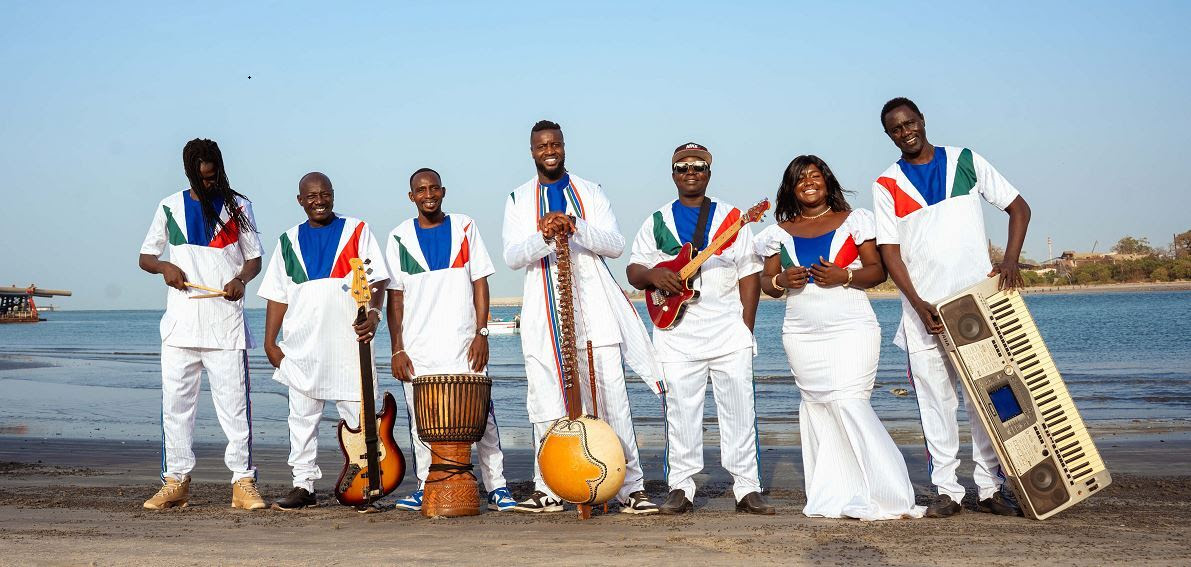
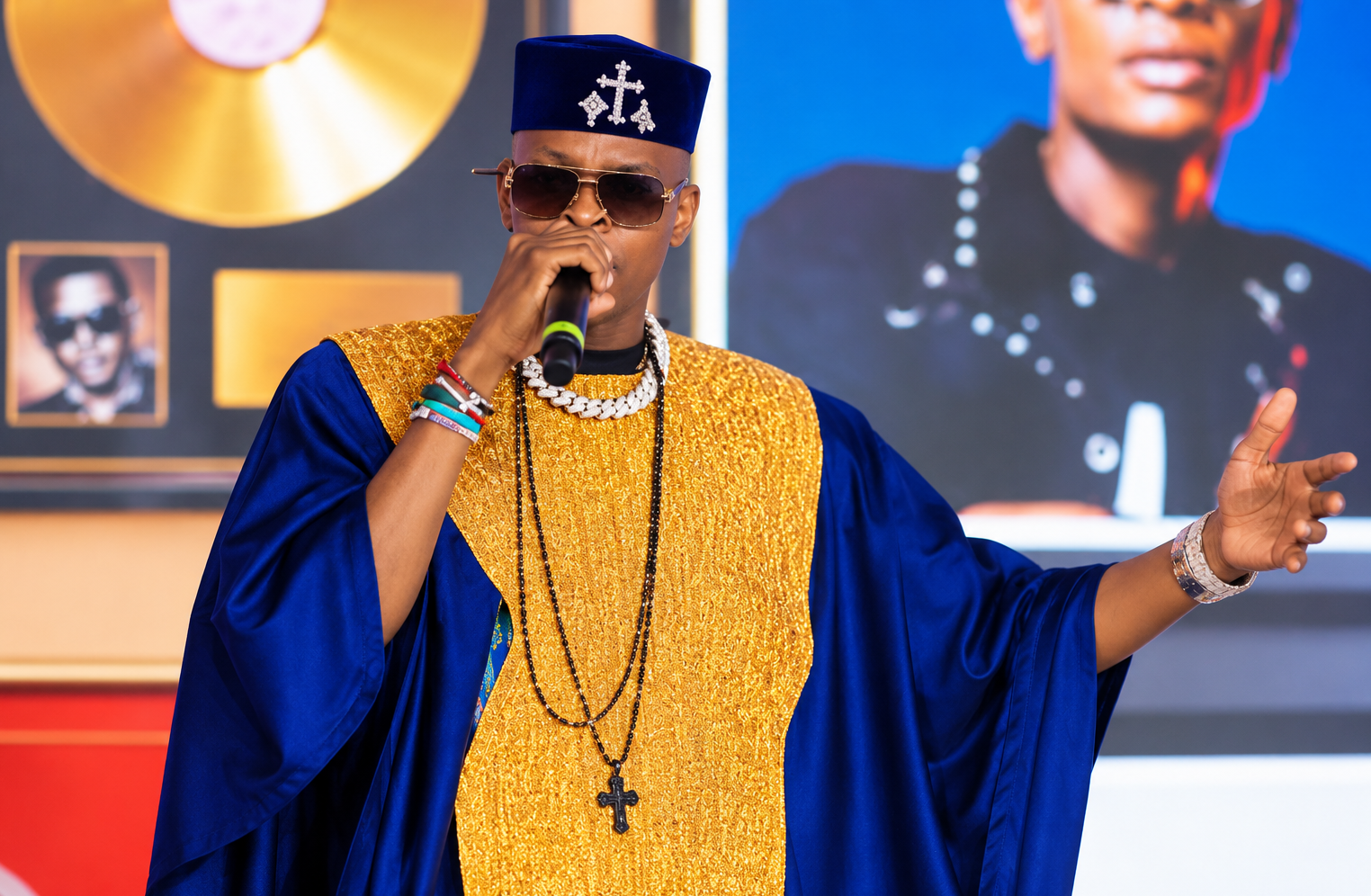
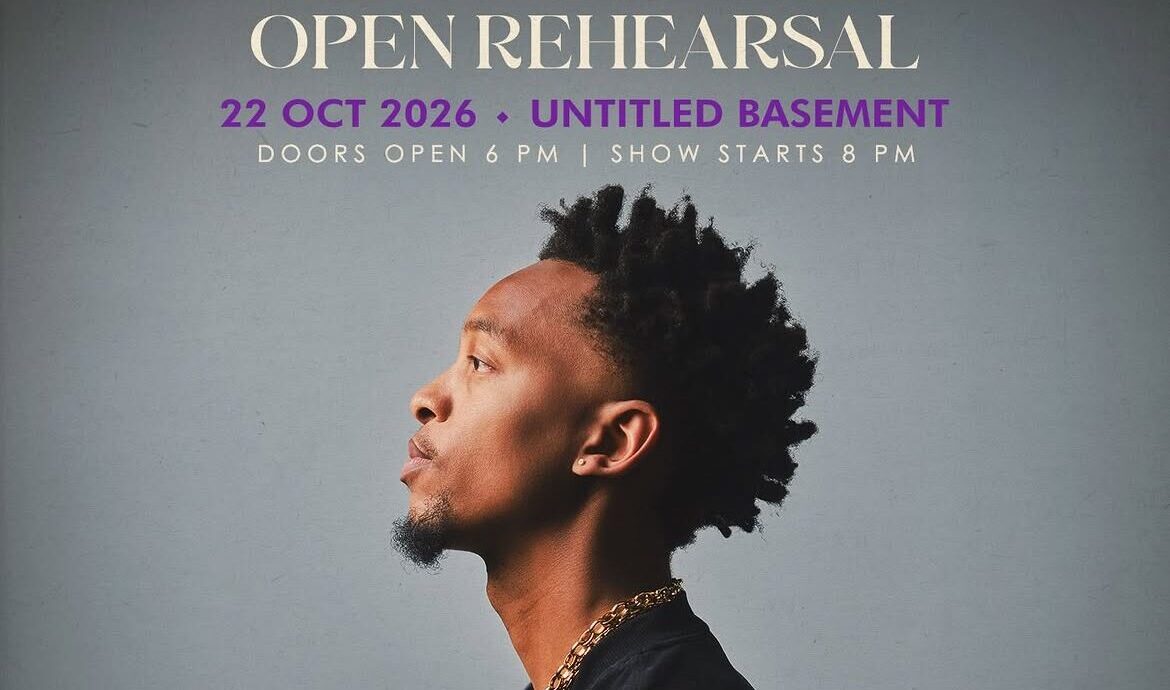
2. Your EPK should also include your photos and artwork. Music industry professionals are not solely focused on the music of an artist, but also their image. Having a diverse range of promotional photos is very important in helping you take your music career further.
EPK photograph dos:
- Invest in a professional photo shoot
- Include photos which show your artistry and personality
- Including images from your live shows would be great as well, especially if they capture the “vibe” of your music and performance style
- Have both portrait and landscape photos in colour and black and white
- Use different locations and outfits in your photos, refrain from busy backgrounds
- Consider the different social media-sized images when you are cropping your photos
- Credit the photographer
- Make sure to include your album art and logo as well
EPK photograph don’ts:
- Include photos with old band members
- Include only one-dimensional photos (i.e. all black and white shots)
3. Your EPK also needs to include your biography.
Who are you, exactly? That’s what your readers will be asking. Your bio is an opportunity to convince the press of how unique you are. Think of it as your chance to present an “elevator pitch" for your band.
Your bio needs to include some background info on yourself, describing your sound and if there are any key messages in your music, your latest releases, your milestone career achievements and what the future might hold. Try to include unique content that would sound interesting in a magazine or on a blog. Remember: the press is also trying to sell their own product.
We recommend having two bios: one short and one long.The short bio is meant to sell your band to the press in only a paragraph. They’re busy people, so they are likely to have very little time to read your life story. The long bio, on the other hand, can include more detail about your 'backstory' as a musical act.
4. Music Videos are a great way to show the artistry of your music or performance. In the digital age, promoters look to video views on YouTube as a reference for the band's popularity. YouTube videos are easily watchable and shareable, and are an essential part of an EPK. If you have any high-quality videos of your live performances, include these, too. Show footage is great for convincing promoters to book you for a gig.
5. Media or industry quotes are another important feature of an effective EPK. Having a media platform or a music industry professional speak about your live performances, LP or EP releases, videos or overall artistic quality is one of the best ways to help promote your music. Since these sources don’t have a vested interest in your music and are not obliged to write something positive, their words carry extra weight.
6. Your EPK should also include links to your website, social media pages, YouTube channel, Bandcamp profile and online platforms (e.g. Spotify, iTunes, etc.).
7. It is always a good idea to include your tech rider, showing all the technical requirements of your performance. Make sure this tech rider is separately downloadable (such as via a pdf document), in case it needs to be shared with sound engineers.
8. Don't forget to include your (updated) contact information, ensuring that your management and/or booking agency details are clearly visible.
9. For international touring bands, a hospitality rider can also be included, including a tour party list (with dietary requirements) and copies of relevant travel documents (such as passports/visas).
10. If you are creating a PDF version of your press kit, ensure the file size of your EPK is small enough that it will not bounce back when sent via email. We suggest you keep it under 10 MB, and preferably under 5 MB, if possible.
11. It is perhaps safer, though, to use a cloud storage platform such as Dropbox or Google Drive to store all your promotional, technical and travel assets. Nobody has unlimited storage in their inbox, and sending multiple emails with large attachments can easily lead to them bouncing back.
To summarise, any effective EPK should include:
- Links to your music
- Photos and artwork
- Biography (short and long)
- Links to music videos
- Links to websites/social media pages
- Tech rider
- Contact information
Jess White is the founder of Akum Agency.
About ACCES
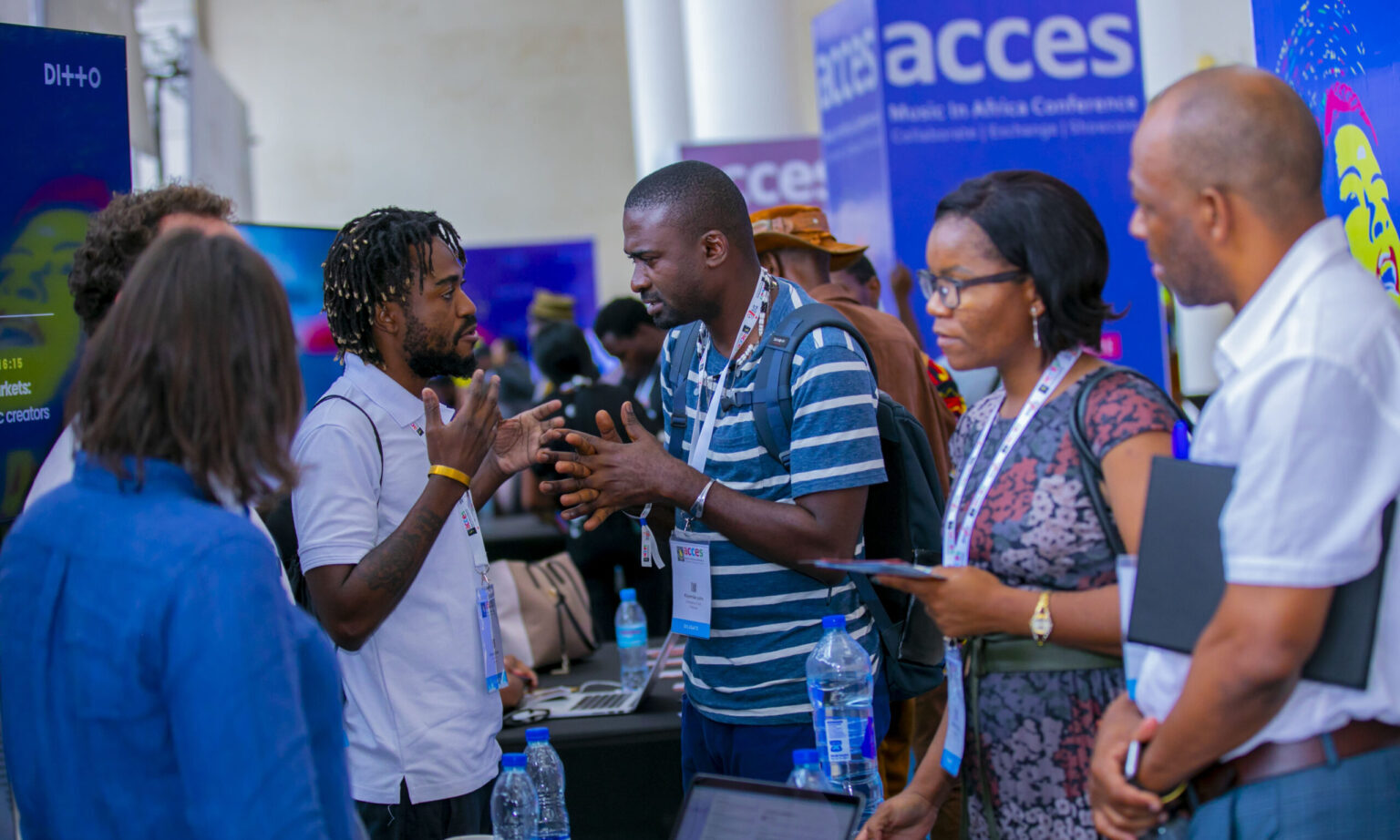
ACCES is a pan-African event for music industry players to exchange ideas, discover new talent and create business linkages. ACCES is held in a different African city every year, attracting active music industry players from across the globe.
ACCES is organised by the Music In Africa Foundation, a non-profit and pan-African organisation, in partnership with Siemens Stiftung, Goethe-Institut, Alliance Francaise, Kenya’s Permanent Presidential Music Commission (PPMC), MagicalKenya and the Kenya Cultural Centre.
For more information, including registration and sponsorship opportunities, visit the ACCES website or download the ACCES 2018 brochure here.


Most popular

Top amapiano songs of 2026
16 Feb 2026

Top Afrobeats songs of 2026
19 Mar 2026

Top Naija songs of 2026
31 Mar 2026
Open call: 2026 Gender@Work music industry training in Johannesburg
09 Oct 2026

Open call: AFRIMA 2027 in Nigeria
12 Oct 2026

ACCES unveils stellar programme for 2026 edition
17 Oct 2026
Disclaimer: Music In Africa provides a platform for musicians and contributors to embed music and videos solely for promotional purposes. If any track or video embedded on this platform violates any copyrights please inform us immediately and we will take it down. Please read our Terms of Use for more.

Subscribe to our monthly Newsletter
Follow us on social media


Please log in to post a comment.