


















































By Elbow Chuol
Africa’s youngest nation, South Sudan, has faced instability since it broke away from Sudan in 2011. Music has remained the vehicle through which young people continue to voice their concern and advocate for peace. This text explores South Sudan’s popular music.
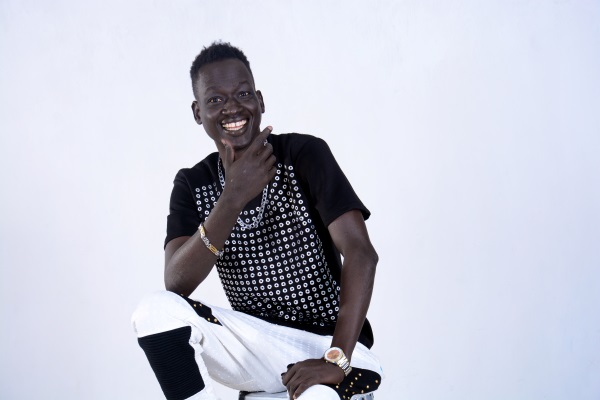
Peace remains the most common theme in most songs. Whether it is hip-hop or gospel, artists continue to voice the importance of peace for South Sudan to forge ahead. In August 2016, the country witnessed a major musical collaboration when artists performing different genres united under the Ana Taban campaign. Gen. Manasseh Mathiang Ayak, Coozos Clan (Menimen), Natty P, Tutu Baibe, L.U.A.L, Mr.Lengs, Lomerikson and Ras Kayne released the single ‘Ana Taban’ (loosely translated I am tired) which has become popular around the country. ‘Ana Taban’ was dedicated to all those who have lost their lives as a result of the war. The song has enjoyed considerable airplay within the country, attracting more than 5,000 views on YouTube.
Abul Oyay[i], an artist and one of the founders of the Ana Taban campaign, said the song was created as part of an effort to bring South Sudanese artists together and to echo the will of South Sudan’s people. The artists met in Naivasha in Kenya, to write, compose and produce the song. The town was symbolic because it was the site where the agreement that set South Sudan on the path to independence was signed.
While peace remains a common message in most songs, a few years ago this was not the case. In the past music from the country was dominated by famous musicians who sang songs of war. The country however is yet to create its signature sound. Its pop music is still heavily influenced by the sounds of the places where most of its artists are based in exile.
Afro-beat
To begin with, Afro-pop is considered the most popular musical genre in South Sudan. Internationally recognized artists like Yaba Angelosi are among those who continue to popularize the genre outside of the country. Born Angelo Maku in South Sudan’s capital city of Juba, the artist immigrated to the US in 2000 and has been keen on developing his musical career. Angelosi’s music mixes catchy African traditional sounds with Western dance. He uses modern instrumentation and arrangements. He has performed internationally, including at The White House, during Sudan’s Comprehensive Peace Agreement (CPA). His well-known singles include ‘Junubia’ and ‘Egoba’.
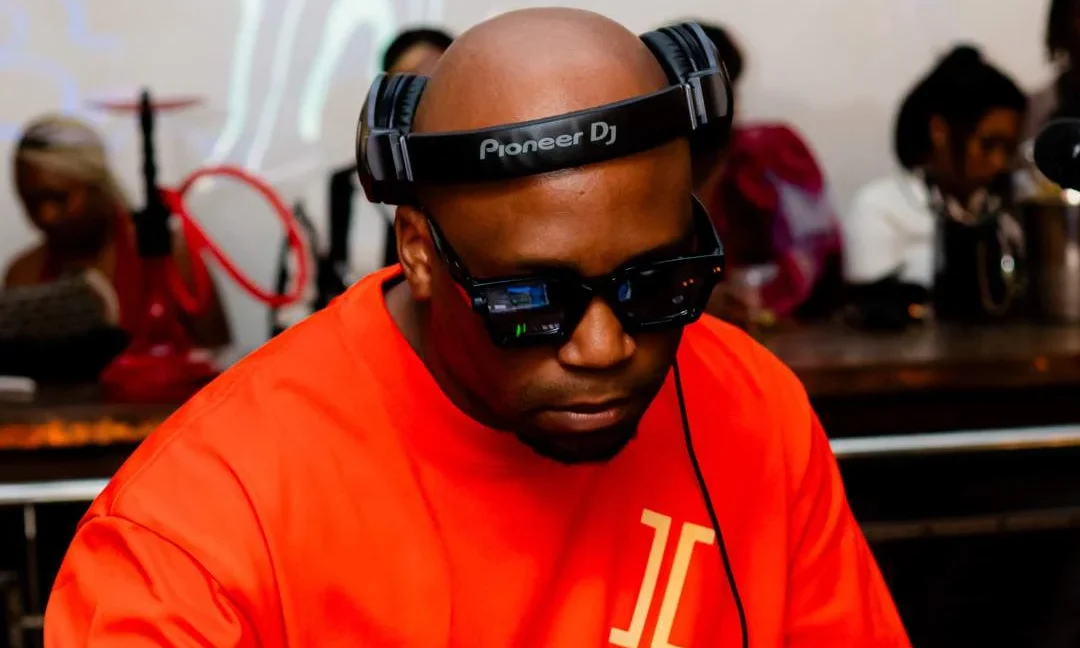
Khor DJ is another popular Afro-beat artist. Khor’s sound is always evolving. Born Khor Deng Jang in 2008, the artist was awarded the Best Male Award for his single ‘Abibi’ at the now defunct Miraya FM Awards. Following this recognition Khor embarked on national tours singing in clubs and touring many regions in the country. He was the only artist living outside South Sudan who was invited to perform at the South Sudan independence celebrations in 2011.
Khor has continued to maintain his popularity within South Sudan even though living in Ethiopia. Beyond the fans’, Khor has also been recognized by South Sudan’s Ministry of Youth, Culture and Sport. In an interview with Music In Africa Khor revealed that he is working on a new album, One Republic, which he says fans should expect to be out before the year ends. He is also planning to stage concerts in Australia.
His latest single ‘Tuok Thare jin’ (You began it) continues to enjoy airplay. The song advises people to be cautious of tribalism and any other issues that may cause differences among them and disrupt the peace.
Mr. Leng and Mary Mboyo are other outstanding artists who perform Afro-beat music in South Sudan. Emmanuel Kembe has earned a reputation for his unique style. Kembe sometimes fuses folk music with reggae.
Dance Hall and Reggae
Dance hall is most popular among young people. MC Ghetto is the genre’s leading artist. Currently based in Nairobi, Kenya, MC Ghetto is known for having effectively mastered the art of dance hall. As many would say, MC Ghetto knows what he is doing. Some of his hits include ‘Dinka Girls’ and ‘Monyinyer’.
Kawaja Revolution is another dance hall artist who emerged on the music scene three years ago.
On the reggae front artists such as Dynamq and WJ De King continue to impress fans with their songs. Dynamq is popularly known for his reggae release ‘Those Days in Nairobi’. His other release is ‘Nobody’. Jere Jere was recognized by the Grammy Awards two years ago as promising Upcoming Artist.
WJ De King impressed the industry with his reggae message of peace. His latest single ‘Peace’ was released in August 2016 and has been at the top of charts on most radio stations, including Miraya FM.
Hip-Hop
With internationally recognized acts such as Emmanuel Jal, hip-hop in South Sudan continues to witness new talents emerging on the scene. Jal’s unique brand of hip-hop, layered with African beats, has led him to be considered one of the rising stars on the world music scene. Before Jal emerged on the scene, rapping in South Sudan was primarily in the local language of Nuer and artists used sticks and clapping hands in place of instruments.
On the home front artists such as L.U.A.L are keeping hip-hop alive. With the initials L.U.A.L implying Lyrically Untouchable African Legend, he cites 2Pac as among his earliest influences. His hit song ‘I’m the King around here’ is still a big deal among his fans. His music is often heard on the majority of the radio stations in the country.
K-Denk is a former contestant of the Tusker Project Fame talent search competition. Among the songs he has released since he made a comeback include ‘Ya Hobi’ (Mine), ‘Ou Kene Guot’ (The world didn’t end) and ‘Baki Ji’ (I came for you). The young rapper is vastly blessed with the ability to move his listeners through his latest recorded songs. Perhaps East Africa most remembers K-Denk for his hit song ‘Niko’, which he released in 2012, featuring Kenyan radio presenter Sana.
Conclusion
South Sudan’s popular music is largely borrowed but artists like Emmanuel Kembe are fast experimenting with a variety of sounds to attain a unique sound for the nation. Despite the many challenges, the artists’ unwavering spirit enables them to thrive locally and beyond their country’s borders.


Most popular
Open call: 2026 Gender@Work music industry training in Johannesburg
09 Oct 2026

Top amapiano songs of 2026
16 Feb 2026
Gambia: Suntou Susso announce UK tour for ‘The Path of a Griot’
09 Oct 2026

Top Afrobeats songs of 2026
19 Mar 2026

Top Naija songs of 2026
31 Mar 2026

Call for applications: ACCES 2026 Emerging Artist Spotlight Competition
01 Oct 2026
Disclaimer: Music In Africa provides a platform for musicians and contributors to embed music and videos solely for promotional purposes. If any track or video embedded on this platform violates any copyrights please inform us immediately and we will take it down. Please read our Terms of Use for more.

Subscribe to our monthly Newsletter
Follow us on social media


Please log in to post a comment.