













































NEFCISA
NEFCISA

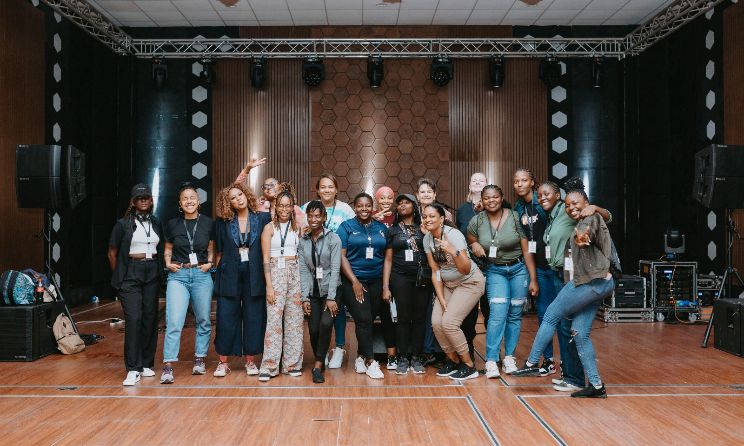
The Music In Africa Foundation (MIAF) is proud of its partnership with the Industrial Development Corporation (IDC) as a Strategic Implementing Partner (SIP) for its Social Employment Fund (SEF). Through this collaboration, MIAF is running a national programme that is creating jobs, addressing skills gaps, and strengthening South Africa's creative industries — in line with the SEF's overarching goal to generate work for the common good and build community value through employment, social contribution, and inclusive economic participation. Operating under the banner NEFCISA (National Employment Facility for Creative Industries in South Africa), the initiative is recruiting and training participants, matching them with host organisations, and has already placed 1 500 workers across the country — surpassing its original target of 1 000. NEFCISA is delivered through a network of 20 host organisations spanning five provinces, who are actively hosting participants and contributing to work for the common good across South Africa's creative and cultural industries. Key Objectives: Support employment and entrepreneurship in the creative industries. Offer skills development and training programmes. Foster partnerships between public and private creative sectors. Promote South African creativity at both provincial and national levels Foster community development through social contribution.

ACCES
ACCES

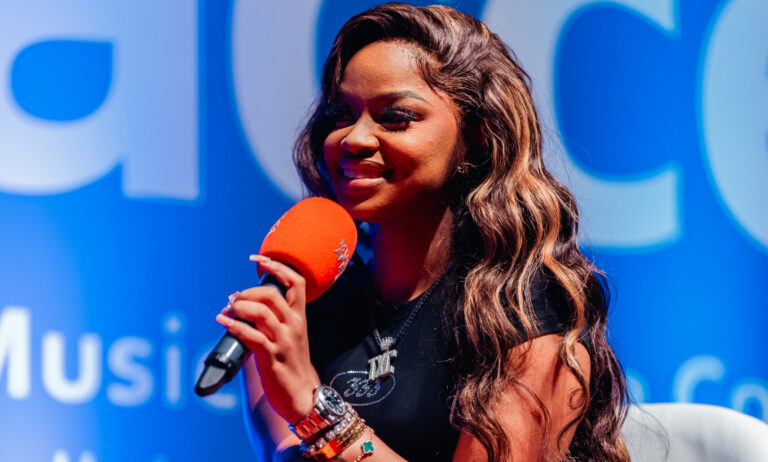
ACCES Conference and Showcase Festival is Africa's leading music industry gathering, bringing together the people shaping the future of the continent's music business. Artists, entrepreneurs, executives, investors, policymakers and cultural leaders from across Africa and around the world come to ACCES to build partnerships, exchange ideas, discover talent and create new business opportunities. Since its launch in 2017, ACCES has become the continent's premier platform for professional exchange and music market development. Combining a high-level conference with a curated showcase festival, networking, exhibitions and industry programmes, ACCES offers a unique space where creativity meets business and where African music connects with the global industry.

Gender@Work
Gender@Work

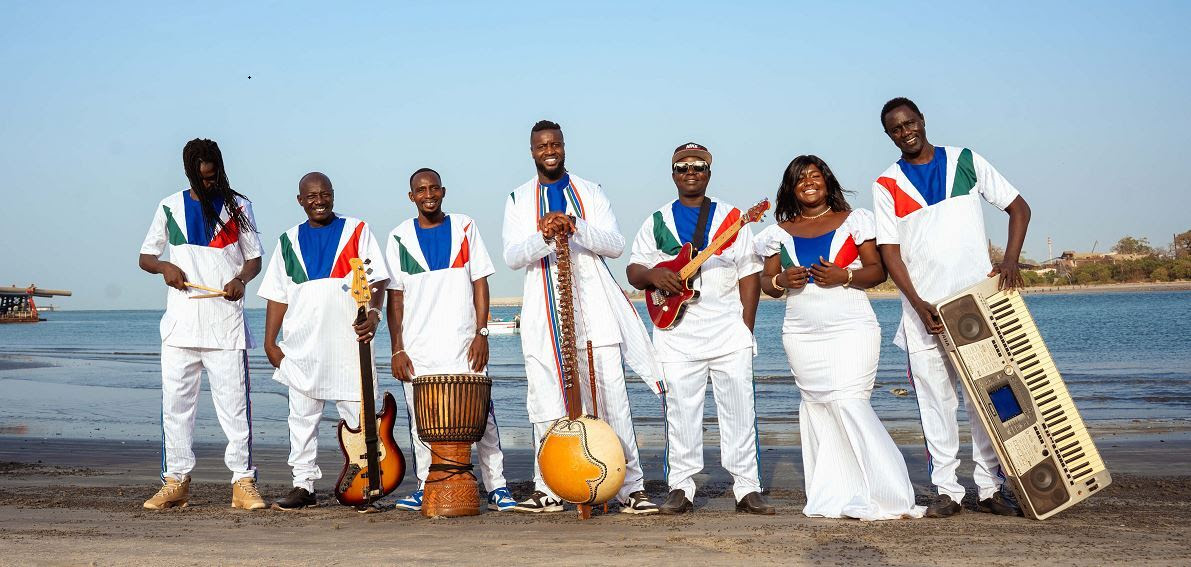
Music In Africa Gender @ Work is a three-year training programme aimed at upskilling and increasing the participation of female professionals in the African music sector. Launched by the Music In Africa Foundation (MIAF) in April 2019, the programme is connected to the MIAF’s ACCES music conference – a pan-African event held in a different African country every year. This connection enables the programme to reach new participants in a different African country every year. The programme marks the beginning of a more concerted effort by the Foundation to support the participation and inclusion of women in all facets of its programmes and the music sector in Africa as a whole. Over the three years, the programme will aim to address gender imbalances in the sector through training, lobbying, facilitating knowledge exchange and dialogues that foster the interest of women. The broader objectives of the programme are to: Provide industry training for women on critical music industry skills, focusing on: Stage management Electronic music production and recording Music business management Technical knowledge Provide an opportunity for both professional and aspiring women to benefit from the Music In Africa network and its broad range of activities in 2019, 2020 and 2021. Provide a solution-based platform in the form of a round table at ACCES with a view to identify challenges, discuss opportunities and lobby for the interests of female practitioners. Offer participants the opportunity to benefit from programmes offered by MIAF’s partners. Increase access to educational materials. Integrate participants in the broader ACCES programme to maximise experience and exposure to the industry. Record and present training materials on the www.musicinafrica.net, including but not limited to tutorials, templates and other best-practice materials. Communicate women-based themes that support the initiatives and messages of the programme. MAIN TRAINING ACTIVITIES Training in first country (Ghana): In the first year, participants will be trained on all aspects of stage management by a team of experienced stage managers from 10 to 17 November 2019. The programme will offer robust classroom training as well as practical, hands-on training in which participants will also be given the opportunity to manage various aspects of the ACCES performance programme. Training in second country: The second training iteration will take place at ACCES 2020 when the programme will diversify its course to include music production lessons and training on other music business topics. A round-table platform will also be introduced to coincide with the ACCES programme. Training in third country: The third training iteration will take place at ACCES 2021 in a different country, offering an advanced course. HOW DO YOU GET INVOLVED?  As a participant, facilitator or trainer: The programme enrolls up to 12 trainees every year. All opportunities are advertised publicly on this website, and will be added to this page. Please keep checking this page for new calls (below under UPDATES & CURRENT OPPORTUNITIES). As a partner Please contact Claire Metais at [email protected]. APPLY The call for applications for 2020 will be announced soon. The Music In Africa Gender @ Work programme is made possible with the support of the Prince Claus Fund, Siemens Stiftung and Goethe-Institut.

Sound Connects Fund
Sound Connects Fund

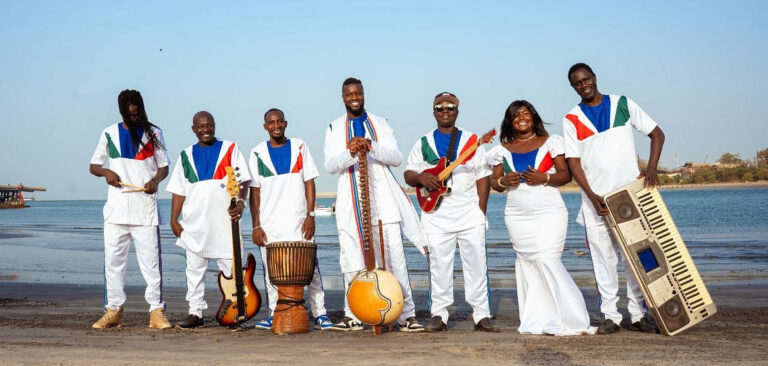
For cultural and creative practitioners and organisations operating in southern Africa, access to funding remains a major challenge. The COVID-19 pandemic has also had a massive impact on government policy, spending and the economy in general, and has seen spending on culture being moved further down the list of priorities. Further, the cultural and creative industries repeatedly cite four main areas where investment is needed for growth, which are increased visibility, mobility including access to new markets, finance and support structures.

Instrument Building And Repair Project

Experience the Vibrations African Instruments Exhibition online in 3D

Reviews

Review: Kuami Eugene’s Son of Africa album

19 Oct 2020 - 07:50

cc-img flag-img

With each new Kuami Eugene album comes great responsibility. 

On Son of Africa, Kuami Eugene looks beyond Ghana.

On his debut, 2018’s Rockstar, the goal was to cement himself as a modern highlife hit machine. The numerous radio fixtures have attested to his impact on the country’s current pop scene. It is therefore only logical that the artist, who was recently crowned Ghana’s king of music, would set his sights on pan-African feats. In past years, Kuami Eugene flirted with that motive by collaborating with the likes of Davido and Ice Prince. On this new album, the man goes full throttle.

Of course, Kuami’s new ambition won’t be as straightforward, because the current guardians of that galaxy are formidable giants. Nevertheless, consider this: it has taken the ‘Angela’ man just three years since he first hit the mainstream – an incredibly short period – to earn a place among Ghana music's top plate. Additionally, if there’s one lesson to pick from his career thus far, it is the fact that he thrives on being underrated. Therefore, it is best to not count him out.

Those who came before Kuami pretty much spelt out the blueprint: regale listeners with tales about women; sing of how you survived the ‘haters’ and preach the grass-to-grace sermon. Next, secure the big collaborations. Finally, set your message to sunny rhythms and you will have pop success.

On Son of Africa, only his second album, Kuami ticks all these boxes and proves that he has mastered the art of the African hit song. The LP – 14 songs long and conceived under the guidance of mentor Richie Mensah – is a convincing journey of the highlife grooves that trace their roots to his home country, and influences that have found residence on the Afrobeats charts. It also instantly listens much better than its predecessor, whose lack of dynamism in recycling highlife deducted from its overall appeal.

In these parts, if an album largely commands dance, it is already on an upward trajectory. Son of Africa packs dance anthems and traverses tempos. Eugene’s vocal pep is propped by golden guitar patterns, sprightly percussions and rip-roaring drums, all elements that induce party vitality and prolong the lifespan of the Ghanaian pop songs. ‘Open Gate’, the album’s first single, more than sets its tone as a soundtrack for merrymaking. “When the music drop, you go dance,” Kuami reiterates on the Zlatan-assisted ‘Dance Hard’. At several other points on the collection, such as ‘Scolom’, ‘Show Body’ and the explosive ‘Ghana We Dey’ which brings together dancehall powerhouses Samini and Shatta Wale, Kuami is unflinching in this commitment.

On his choice of subject matter, Kuami also hardly deviates from the pop layout: he’s in regular pursuit of romantic bonds with beautiful women, bathed in the glow of love and the promise of happy endings. He’s ruing disloyal friends and those generally averse to his success. At the same time, he’s holding up his hands in prayer, requesting help from above. Above all, Kuami manifests that one begotten of Africa is one whose life is dictated by pounding rhythm.

Strong collaborations in fellow Ghanaians Shatta Wale, Samini, Sarkodie, Prince Bright, DJ Mensah, Nigeria’s Falz, and Eddy Kenzo (Uganda) all complement Kuami Eugene’s efforts on Son of Africa, positioning Kuami favourably in the continental pop conversation.

One more track on the album deserving of special mention is ‘Mama’. At some point in an artist’s career, a tribute to his mother is bound to happen. For anyone conversant to the Kuame Eugene story, it is a known fact that the singer’s mother is close to his success, hence, it was just a matter of time. On that sobering tune, Kuami recounts the years leading up to his current poster boy status; citing her as his ultimate support system. And while ‘Mama’ may not be as revolutionary as Prince Nico’s ‘Sweet Mother’, it still retains enough passion to summon a hot sob.

Overall, every record on Son of Africa has its merit. Kuami exhibits a versatile quality that answers to Ghana’s peculiar radio habits. Still, especially after subjecting the album to multiple listens, it is difficult to bypass ‘Show Body’, whose video dropped alongside the album, when naming the collection’s best song.

In Ghana, Kuami Eugene has held his end of the bargain; both with his individual efforts and when enlisted by other artists. With this new collection, he stakes a sound claim for the title of Africa's golden child.

Stream Son of Africa on Apple Music.

Artist: Kuami Eugene
Album: Son of Africa
Year: 2020
Label: Lynx Entertainment

Please log in to post a comment.

Most popular

Disclaimer: Music In Africa provides a platform for musicians and contributors to embed music and videos solely for promotional purposes. If any track or video embedded on this platform violates any copyrights please inform us immediately and we will take it down. Please read our Terms of Use for more.

newsletter banner

Subscribe to our monthly Newsletter

Follow us on social media