


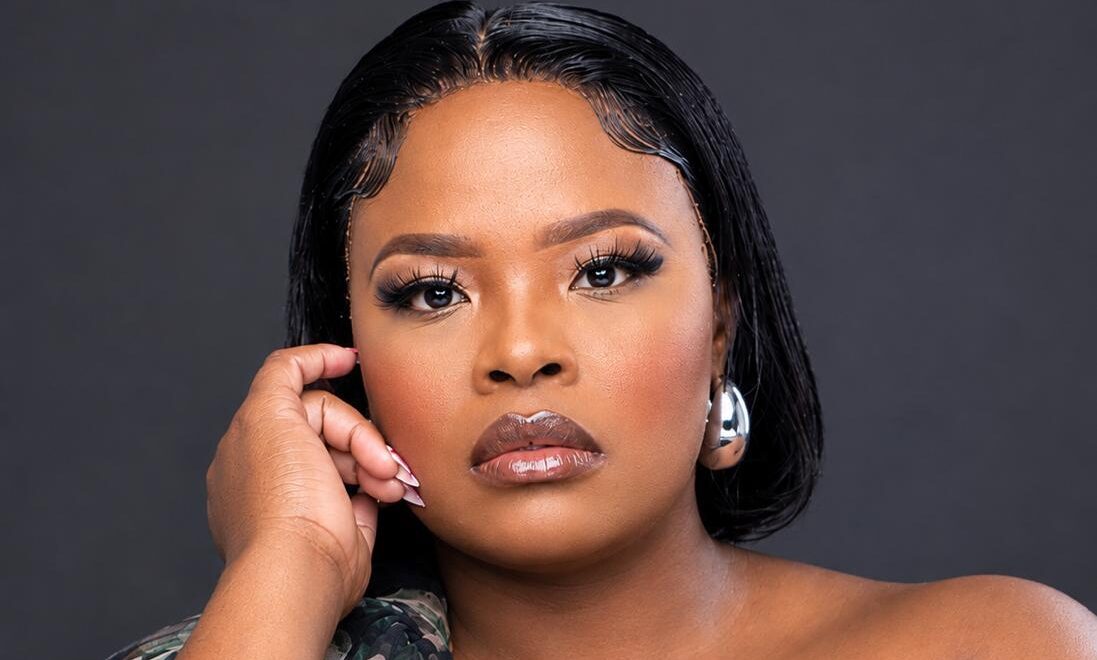
















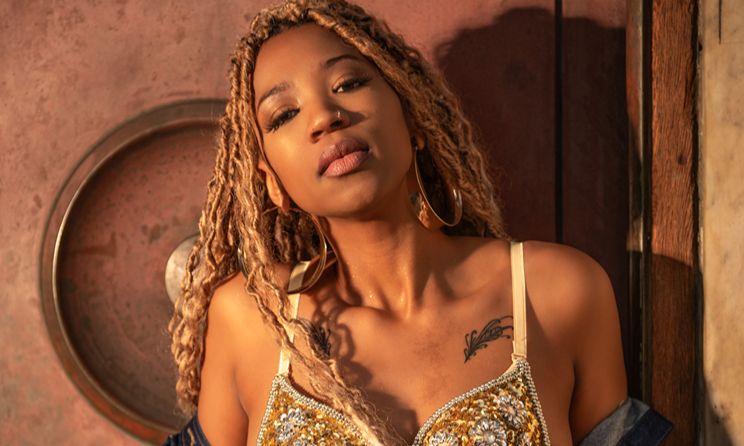


































Albert Einstein once said that "failure is success in progress". If these words are true then they would best describe the career of South African contemporary gospel singer Mmatema Moremi. Moremi failed to win the Idols competition on three separate occasions, which isn’t as bad as Bjork's record of 14 Grammy nominations and not a single win. It’s all, as they say, relative. Uncle Albert would agree with that statement too.
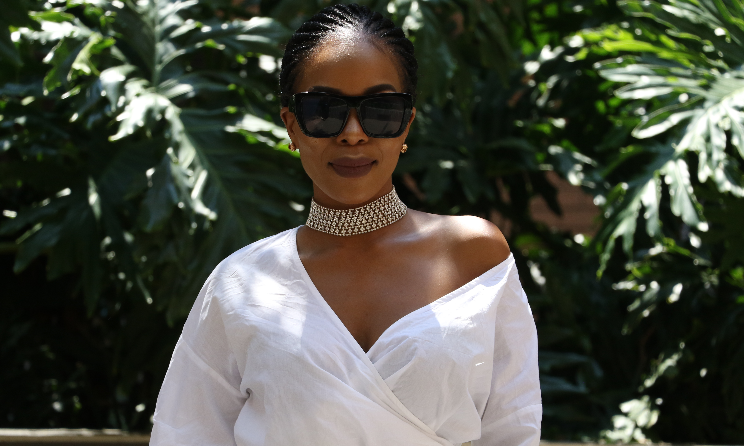
Despite Moremi’s Idols disappointments, the 26 year old has kept working tirelessly to pursue her dream of ruling the South African airwaves. Her second place at the 2015 Idols competition served as a launch pad for a career that has seen her emceeing and recording TV jingles. She also released the 16-track Love. Praise. Worship album last year.
Music In Africa caught up with the songbird to find out how ‘failure’ can turn into success.
MUSIC IN AFRICA: What motivated you to record your album?
MMATEMA MOREMI: I was on Idols in 2015 so people said they wanted to hear what I could do. I told myself that it was time to go in studio and record an album. Before recording I decided to give people an idea of the kind of music I would be doing. So I released a song called ‘Ke Lerato’ which topped the charts and had plenty downloads.
The song pushed me to release an album. Expectations were high. People wanted me to do house music because I did songs with DJ Cleo and DJ Tira. But I wanted to make a gospel album because I come from a gospel background.
How is the album selling?
It’s selling really well. I’m shocked because the physical album is not in stores yet. The response is amazing. The album will be available in stores during the Easter holiday. For now people can access it on iTunes and Google Play.
Tell our readers about your journey into the music industry
I've been singing since the age of 10 and I have recorded albums that I’ve performed at many gatherings before I became an official artist. ‘Ke Lerato’ is my first official single.
Fast forward to 2015 when I joined Idols. That’s when the blossom started but before that I was part of the Tshwane Gospel Choir and other choirs. I attended quite a lot of competitions from UNISA [University of South Africa]. There was a music competition that was hosted by UNISA and I got first price. I was part of the competition for three years and before that I would perform at weddings, churches and other events that helped me get my voice out there. But the big announcement was in 2015 at the Idols completion. Since then I haven’t really focused on music alone because I do other things on TV.
Failing to win Idols three consecutive times. How did you handle the experience?
The first two times I was still in school so I didn’t care. But 2015 was a win for me because the exposure was the same as being the winner. I used the same exposure that the winner got and that made me start my own company called Mmatema Moremi Media Productions. This made me meet many people in the industry who helped me to record my album.
How do you handle criticism on social media?
There is criticism and then there’s cyberbullying. If you come to me and say something out of entertainment, I don’t care how you say it, if it’s mean to me, I block you on the spot. But if you criticise me about a performance saying, ‘Oh, I think she should have done it this way’, then I will take that into consideration. People just come and say, ‘You are screaming’. What am I supposed to do with that? And how is that building and helping me? It’s not. It rather depresses me.
Have you reached a point where you are like, ‘I have grown a thick skin and I’m prepared for anything’?
Going to Idols three times, I had to grow a thick skin. During the competition it was worse than what’s happening now – it was horrible. I had my face put on a video of a goat screaming and I was like, ‘This is how sh*t sounds.’ But it built me and it’s why I came second.
Do you normally call your mother during your low moments?
Yeah. But not for everything. I wouldn’t call to tell her that someone cyberbullied me on Twitter. That’s something I can handle on my own. I call her when things are getting really hard and then she helps me out.
What music do you listen to?
I listen to Whitney Houston, Ntokozo Mbambo and Tasha Cobbs. If you listen to their ranges, they are very high. I practice with them. I love their music, I love their voices.
What was working with Benjamin Dube like?
It was a dream come true. Growing up I always told myself I wanted to work with the guy. I sang some of his songs at school in many competitions and performances. I got connected to him through Idols, which put a lot of exposure on us. Other than that I knew his manager who told me that Benjamin Dube was recording his album and I was joking when I said it would be nice to have me on the album. So I saw on TV that he would be recording an album, I prayed about it and three days later I got a call that he wanted me to be part of the album. I couldn’t believe it.
So who is your next target?
Tasha Cobbs [laughs]. I want to go international.
What makes you think you are the best gospel artist among your peers?
I don’t think I am. First of all, I have a lot to learn from people like Benjamin Dube and Dr Tumi. I'm talking about people from here that are doing really, really well. I just got here so I’m looking forward to working with a lot of people. For instance, I would love to be part of the Spirit of Praise group. That’s a huge platform and I would like to work with lots of artists.
Are you in music for the money or is it a calling?
I can’t survive without money, let’s get that straight. I survive through music and I emcee a lot. I just did the SABC 1 Mzansi For Sho song, so they pay me royalties every month. I’m the voice behind it. I’m also the voice behind SABC 3’s jingle ‘The Stage Is Yours’. So when these play on TV, something clocks – just a few cents. So that keeps me going. If I’m not singing I would be emceeing.
If someone pays for your transport, accommodation and asks you to perform for charity, would you do it?
I'll do it for love. I have done a lot of gigs for free. But I need to survive, I have dependents and I have a family. We don’t do it for money. If money doesn’t come, you will suffer. But if you do it for love and make someone smile, God always has a way to reward you and that’s how I live. And if everything I did was for money, I wouldn’t be here today doing this interview because you would have to pay me.


Most popular

Top Naija songs of 2026
31 Mar 2026

Top Afrobeats songs of 2026
19 Mar 2026

Top amapiano songs of 2026
16 Feb 2026
Open call: CANEX Music Business Lab and Songwriting Camp
15 Oct 2026
Open call: National Arts Festival artistic director in SA
15 Oct 2026
Ghana: Mr Eazi and MOLIY’s ‘Comfort’ earns Urban Music Awards nomination
21 Oct 2026
Disclaimer: Music In Africa provides a platform for musicians and contributors to embed music and videos solely for promotional purposes. If any track or video embedded on this platform violates any copyrights please inform us immediately and we will take it down. Please read our Terms of Use for more.

Subscribe to our monthly Newsletter
Follow us on social media


Please log in to post a comment.