































NEFCISA
NEFCISA

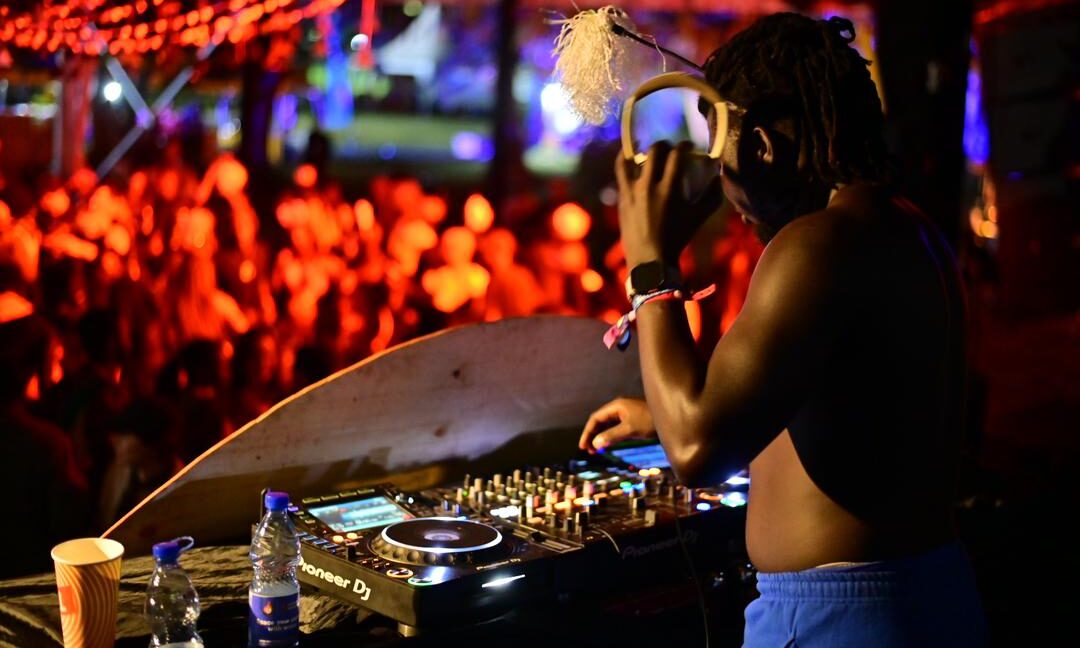
The Music In Africa Foundation (MIAF) is proud of its partnership with the Industrial Development Corporation (IDC) as a Strategic Implementing Partner (SIP) for its Social Employment Fund (SEF). Through this collaboration, MIAF is running a national programme that is creating jobs, addressing skills gaps, and strengthening South Africa's creative industries — in line with the SEF's overarching goal to generate work for the common good and build community value through employment, social contribution, and inclusive economic participation. Operating under the banner NEFCISA (National Employment Facility for Creative Industries in South Africa), the initiative is recruiting and training participants, matching them with host organisations, and has already placed 1 500 workers across the country — surpassing its original target of 1 000. NEFCISA is delivered through a network of 20 host organisations spanning five provinces, who are actively hosting participants and contributing to work for the common good across South Africa's creative and cultural industries. Key Objectives: Support employment and entrepreneurship in the creative industries. Offer skills development and training programmes. Foster partnerships between public and private creative sectors. Promote South African creativity at both provincial and national levels Foster community development through social contribution.

ACCES
ACCES

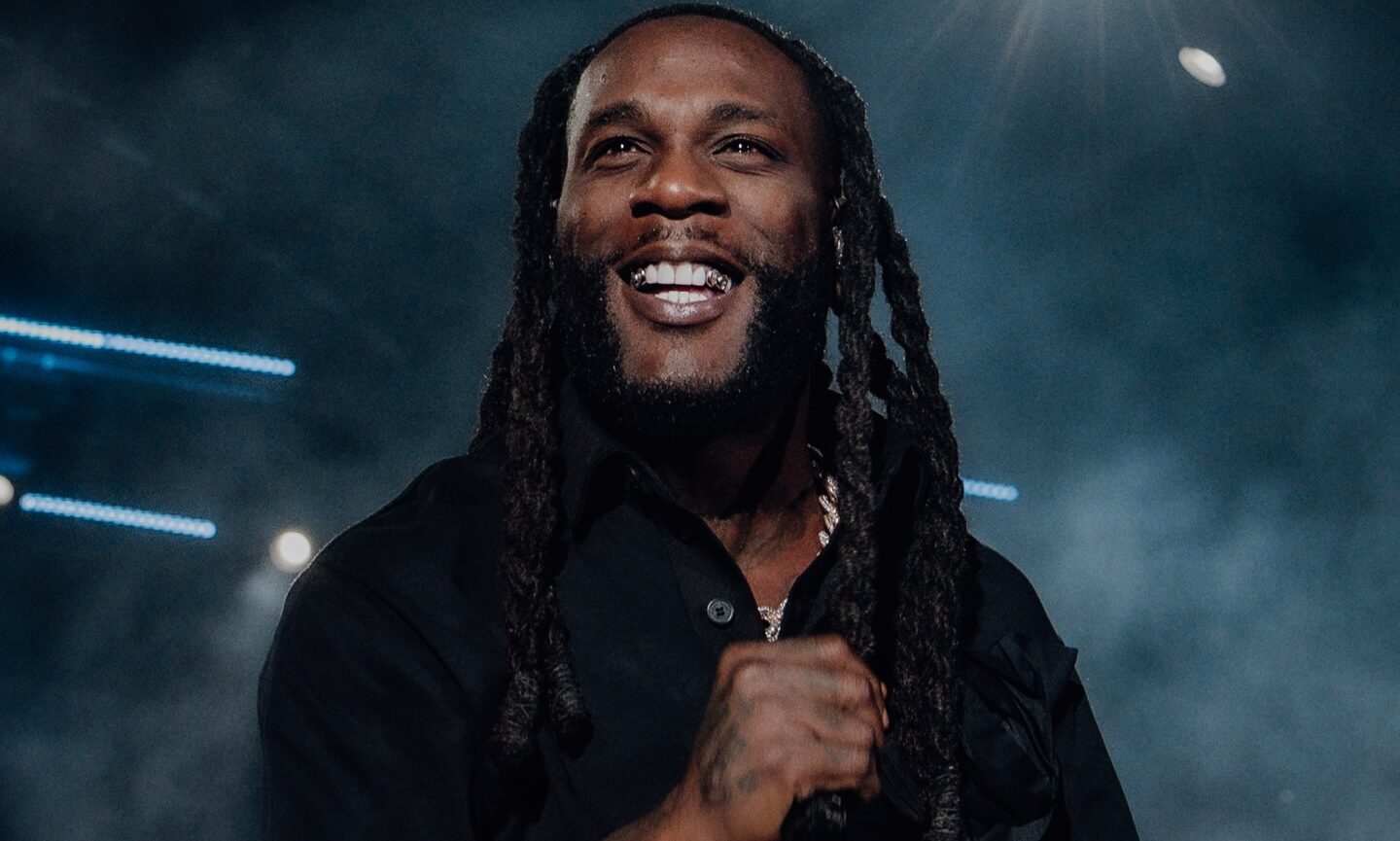
ACCES Conference and Showcase Festival is Africa's leading music industry gathering, bringing together the people shaping the future of the continent's music business. Artists, entrepreneurs, executives, investors, policymakers and cultural leaders from across Africa and around the world come to ACCES to build partnerships, exchange ideas, discover talent and create new business opportunities. Since its launch in 2017, ACCES has become the continent's premier platform for professional exchange and music market development. Combining a high-level conference with a curated showcase festival, networking, exhibitions and industry programmes, ACCES offers a unique space where creativity meets business and where African music connects with the global industry.

Gender@Work
Gender@Work

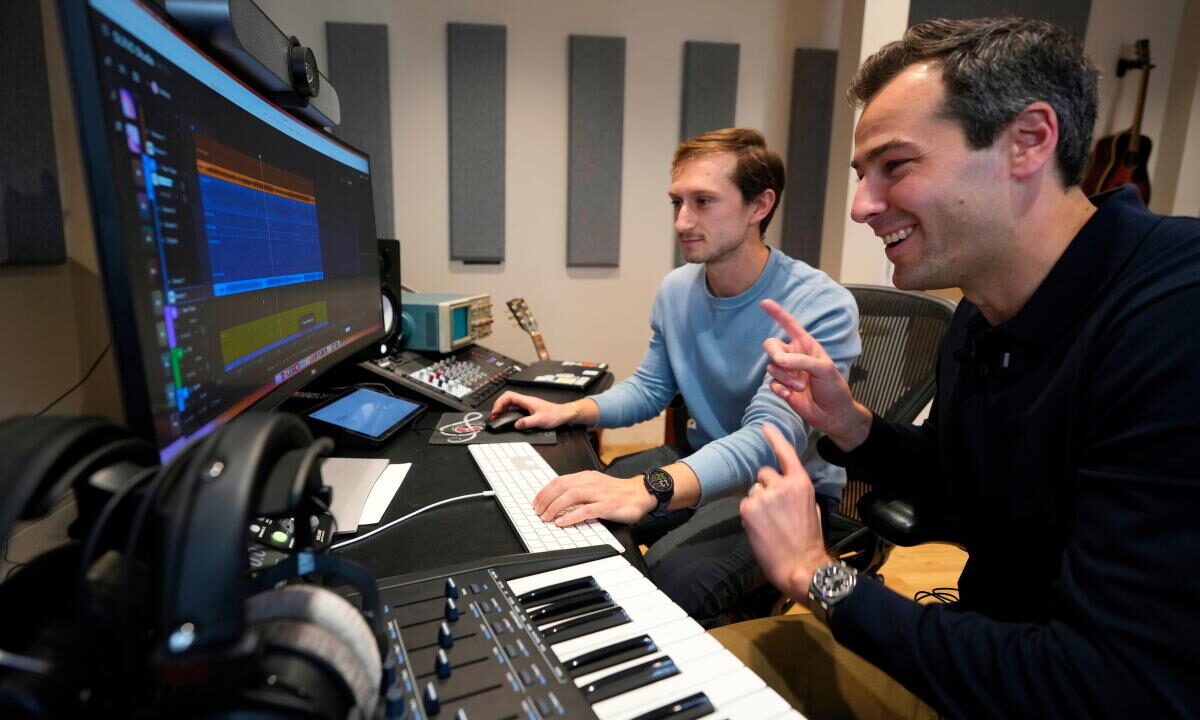
Music In Africa Gender @ Work is a three-year training programme aimed at upskilling and increasing the participation of female professionals in the African music sector. Launched by the Music In Africa Foundation (MIAF) in April 2019, the programme is connected to the MIAF’s ACCES music conference – a pan-African event held in a different African country every year. This connection enables the programme to reach new participants in a different African country every year. The programme marks the beginning of a more concerted effort by the Foundation to support the participation and inclusion of women in all facets of its programmes and the music sector in Africa as a whole. Over the three years, the programme will aim to address gender imbalances in the sector through training, lobbying, facilitating knowledge exchange and dialogues that foster the interest of women. The broader objectives of the programme are to: Provide industry training for women on critical music industry skills, focusing on: Stage management Electronic music production and recording Music business management Technical knowledge Provide an opportunity for both professional and aspiring women to benefit from the Music In Africa network and its broad range of activities in 2019, 2020 and 2021. Provide a solution-based platform in the form of a round table at ACCES with a view to identify challenges, discuss opportunities and lobby for the interests of female practitioners. Offer participants the opportunity to benefit from programmes offered by MIAF’s partners. Increase access to educational materials. Integrate participants in the broader ACCES programme to maximise experience and exposure to the industry. Record and present training materials on the www.musicinafrica.net, including but not limited to tutorials, templates and other best-practice materials. Communicate women-based themes that support the initiatives and messages of the programme. MAIN TRAINING ACTIVITIES Training in first country (Ghana): In the first year, participants will be trained on all aspects of stage management by a team of experienced stage managers from 10 to 17 November 2019. The programme will offer robust classroom training as well as practical, hands-on training in which participants will also be given the opportunity to manage various aspects of the ACCES performance programme. Training in second country: The second training iteration will take place at ACCES 2020 when the programme will diversify its course to include music production lessons and training on other music business topics. A round-table platform will also be introduced to coincide with the ACCES programme. Training in third country: The third training iteration will take place at ACCES 2021 in a different country, offering an advanced course. HOW DO YOU GET INVOLVED?  As a participant, facilitator or trainer: The programme enrolls up to 12 trainees every year. All opportunities are advertised publicly on this website, and will be added to this page. Please keep checking this page for new calls (below under UPDATES & CURRENT OPPORTUNITIES). As a partner Please contact Claire Metais at [email protected]. APPLY The call for applications for 2020 will be announced soon. The Music In Africa Gender @ Work programme is made possible with the support of the Prince Claus Fund, Siemens Stiftung and Goethe-Institut.

Sound Connects Fund
Sound Connects Fund

For cultural and creative practitioners and organisations operating in southern Africa, access to funding remains a major challenge. The COVID-19 pandemic has also had a massive impact on government policy, spending and the economy in general, and has seen spending on culture being moved further down the list of priorities. Further, the cultural and creative industries repeatedly cite four main areas where investment is needed for growth, which are increased visibility, mobility including access to new markets, finance and support structures.

Instrument Building And Repair Project

Experience the Vibrations African Instruments Exhibition online in 3D

banner image

Rumba congolaise : l'incroyable aller-retour entre Cuba et l'Afrique

Home/Non classé/Rumba congolaise : l’incroyable aller-retour entre Cuba et l’Afrique

La kumba ou la genèse du genre

Dans son ouvrage L’histoire de la rumba cubano-congolaise, paru en 2012 chez Edilivre, le chroniqueur congolais Clément Ossinondé explique que la rumba (celle cubaine en l’occurence) puise sa source dans la kumba, une musique dansante à 4 temps, pratiquée autrefois dans le royaume du Kongo, dont la capitale M’Banza Kongo ou San Salvador, se trouvait dans l’actuelle Angola.

Kumba est un mot kikongo (langue du Congo), qui désigne le nombril. Le musicien congolais Zao explique à ce propos, que la kumba se dansait autrefois par deux partenaires qui se frottaient les nombrils ; elle était exécutée dans des circonstances bien précises, comme la naissance de jumeaux.

[video:https://www.youtube.com/watch?v=RxkZ95PYcrM width:850 height:480 autoplay:0]

L’exil à Cuba

Avec la traite négrière, plusieurs milliers d’africains sont déportés sur les côtes caribéennes entre le 16e et le 19e siècle. Loin de leurs terres, ils réussissent à préserver leur héritage culturel malgré tout, et dans les calbidos (petites associations entre noirs de même ethnie), ils perpétuent la pratique de la kumba.

Les maîtres espagnols remarquent alors le style musical avec ses harmonies et son côté festif, et ils déforment son appelation initiale en « rumba ». 

Bien vite, cette musique se développe en prenant des influences latines, et se popularise à Cuba, l’état insulaire communiste des Caraïbes.

Le grand retour au Congo

Vers 1930, les marins cubains qui sillonnent les côtes africaines avec leurs cargots transatlantiques, rapportent des 78 tours de rumba cubaine produites par la firme EMI, une maison de disques britannique. Les morceaux sont appréciés du public africain qui s’y retrouve tout de suite. 

Dans le bassin du Congo, la musique est si prisée que des épiciers grecs installent dans leurs boutiques, de petits studios d’enregistrement pour motiver les artistes locaux à la reproduire.

« Marie Louise », le premier tube de rumba au Congo, sera enregistré dans ces conditions par Antoine Wendo Kolosoy, un mécanicien de bateau.

Mais le plus grand hit qui consacrera le style à Léopoldville (actuelle Kinshasa), sera « Indépendance chacha », sorti en 1960 par le Grand Kallé et l’African Jazz, pour célébrer l’accession à l’indépendance, de la République Démocratique du Congo.

[video:https://www.youtube.com/watch?v=7zZyGkGN7Sw width:850 height:480 autoplay:0]

Luambo Makiadi propose un modèle de rumba

Les premiers tubes de rumba au Congo remplacent certes l’espagnol des cubains par du lingala (langue du Congo), mais d’un point de vue strictement musical, aucune différence n’est enregistrée jusqu’à l’avènement de Luambo Makiadi

Compositeur et chanteur né le 6 juillet 1938 à Sona-Bata au Congo belge et mort le 12 octobre 1989 à Mont-Godinne en Belgique, « Franco » comme on l’appelait, a marqué une révolution dans la rumba congolaise, en introduisant des sebenes dans ses créations. Ces jeux atypiques de guitare et de batterie deviendront l’ADN du genre.

Pour beaucoup, Franco est le précurseur de la rumba congolaise sous sa forme que nous connaissons actuellement, même si Koffi Olomidé a développé après lui le tchatcho, un style de rumba adopté par beaucoup d’artistes au cours des années 90. 

Les figures emblématiques de la rumba congolaise et ses principales variantes

Quand on parle de rumba congolaise, il y a des noms qui reviennent toujours. On pourrait citer à ce titre, des anciens comme Grand Kallé, Tabu Ley Rochereau, Zaïko Langa Langa, Papa Wemba, Mbilia Bel, Madilu System ou encore Koffi Olomidé. Fallly Ipupa et Ferre Gola sont les plus grandes stars du genre en ce moment.

Comme beaucoup d’autres formes musicales, la rumba congolaise a évolué dans le temps, pour donner naissance à plusieurs variantes ; c’est le cas du soukous et du ndombolo, bien connus au Congo et dans le reste du monde.

Danser la rumba, proclamée « patrimoine culturel national » au Congo en 2017, c’est définitivement célébrer des siècles d’échange entre l’Afrique et le reste du monde.

[video:https://www.youtube.com/watch?v=hsYbe1RxUxM width:850 height:480 autoplay:0]

newsletter banner

Subscribe to our monthly Newsletter

Follow us on social media