





















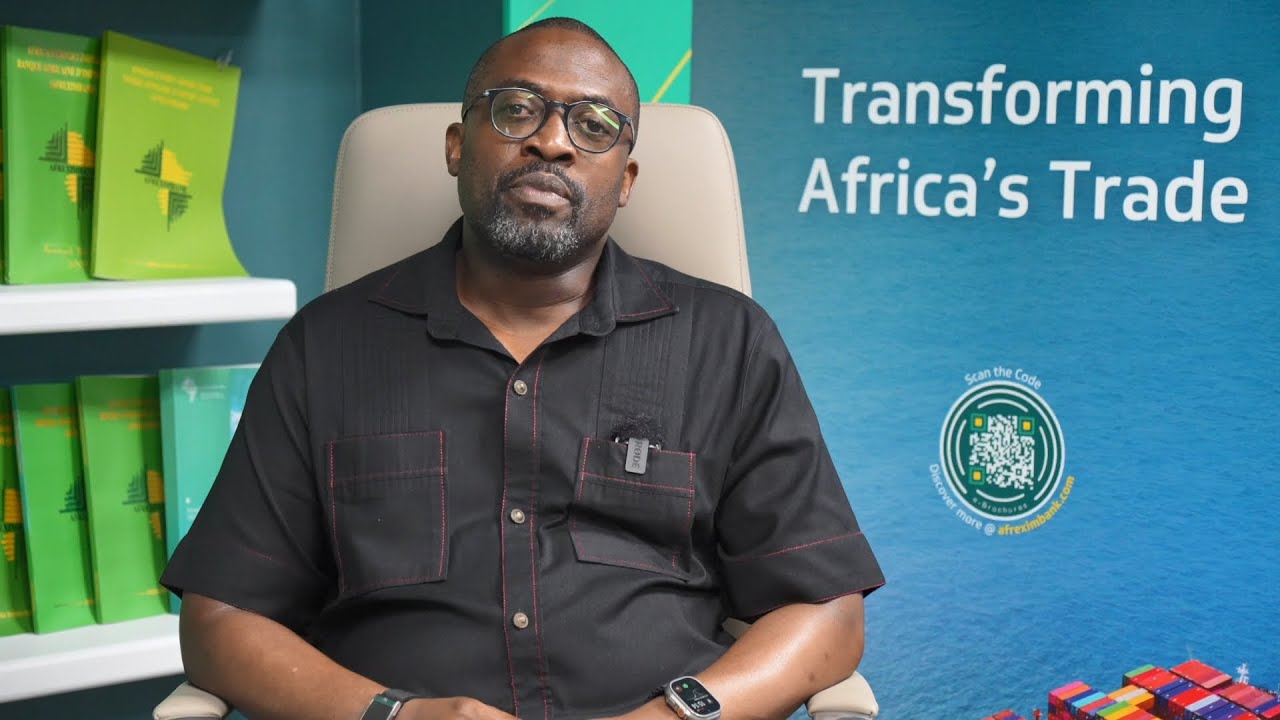
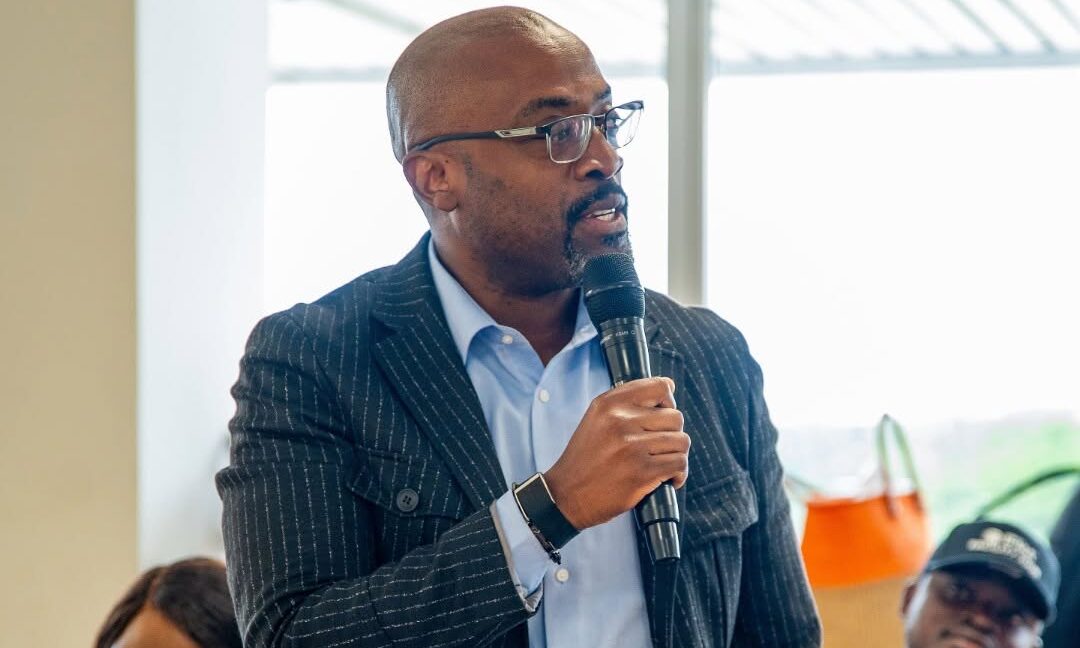


































Serge Maboma, leader du groupe Macase
C’est dans son collège que Serge Maboma a débuté la musique. D’abord comme balafoniste, puis se met à l’apprentissage de la guitare dans une chorale. « En ces temps-là, je n’imaginais pas en faire une profession, mais très rapidement, les choses se sont précipitées dans ma tête », se souvient-il. Après avoir participé dans des compétitions musicales organisées entre établissements scolaires, Serge décide d’aller plus loin pour voir réellement ce que « ça peut donner ». Il côtoie des musiciens en fréquentant les cabarets, en même temps il prend le soin de se perfectionner à la guitare, l’instrument qui l’a propulsé sur la scène musicale.
Lui et le groupe Macase
En 1996, une bande de copains passionnés par la musique, crée le groupe Macase. Serge Maboma, bassiste, fait équipe avec les membres du groupe tels que Ruben Binam, Blick Bassy, Nelly Atangana, Louise Corry Denguemo, Roger Dubois Minka, Roddy Ekoa, Henry Paul Okala. En 1998, Macase enregistre son premier album Etam. Sorti en 1999, l’opus connait un fort succès et le groupe remporte la même année des nombreux prix dont la « Révélation de l’année » au Cameroon Awards, le prix du « Meilleur groupe » décerné par la Cameroon Radio Television (CRTV). En 2001, Serge Maboma et ses amis participent au Marché des Arts du Spectacle Africain (MASA) à Abidjan, la capitale ivoirienne.
Quelques mois plus tard, Macase remporte le Prix Découvertes RFI. Cette prestigieuse récompense ouvre des portes au groupe camerounais. En 2002, Macase joue au New Morning à Paris, un concert mémorable avec Manu Dibango. Après ce spectacle, l’orchestre parcours le monde et affiche complet dans près de 150 dates en Europe et en Afrique. En 2003, Macase rafle le prix du « Meilleur groupe espoir » aux Kora All-Africa Music Awards à Johannesburg (Afrique du sud).
Après les années glorieuses, le groupe Macase va connaître des moments difficiles avec le départ en 2005 du chanteur Paul Henri Okala et du guitariste Blick Bassy. L’orchestre s’effondre et perd en popularité. Ruben Binam, l’un des membres fondateurs, prend ces défections du bon côté et souhaite un franc succès aux membres partis. En 2010, le groupe rebondit en sortant un nouvel album intitulé Fly Away. En 2011, c’est la rupture totale avec un autre départ, celui des membres fondateurs.
[video:https://www.youtube.com/watch?v=mSTS-Phqnuc autoplay:0]
Quand Macase renaît de ses cendres !
En 2012, Serge Maboma décide de relancer l’aventure et recrute des nouveaux artistes. Roddy Ekoa, le batteur, Wilfried Etoundi à la guitare, Jules Tawembe au piano, Abanda Petit Jean aux percussions, deux chanteuses Merveille Tchambe et Sandrine Nanga. Macase renaît de ses cendres avec 7 membres qui décident de gagner le pari. « Je pense que si vous avez sept personnes qui regardent dans la même direction, c’est une force parce que vous avez une énergie incroyable à travailler avec des gens qui ont la même ambition pour le groupe. » a déclaré Serge Macase lors d’une interview pour Goethe-Institut Cameroun.
Le 21 septembre 2012 sur la scène de l’Institut Français du Cameroun, le new Macase donne un joli spectacle et le public comprend vite qu’il a encore des beaux jours devant lui. La nouvelle équipe n’a pourtant pas abandonné son style « Bantou Groove », une musique mélangée des rythmes bantous et des sonorités modernes. En 2013, l’orchestre sort un nouvel album baptisé Nouvelle écriture, c’est le renouveau, la nouvelle aventure, la nouvelle vie. Macase a tourné la page des années sombres. Le groupe dirigé par Serge Maboma est en très bonne santé. Les invitations pour des spectacles affluents de partout et Macase retrouve désormais les honneurs perdus.
La musique camerounaise et ses réalités
Serge Maboma, devenue une personnalité importante sur la scène musicale de son pays, croit que sa mission est de sauver la musique camerounaise. Les artistes de son pays ont des ambitions. Cependant les métiers autour de la musique manquent d’organisation et d’infrastructures. « Comme il n’existe pratiquement aucune salle de spectacle dans le pays. Nous sommes obligés de nous muer en organisateurs pour avoir une chance de pratiquer notre art » déplore-t-il. Il pense également qu’il y a absence d’encadrement d’artistes et un vrai lobbying pour promouvoir la musique camerounaise à l’extérieur. La piraterie a pris une telle ampleur que les producteurs traditionnels ont disparu, abandonnant les musiciens à leur triste sort. Les sociétés de droit d’auteur ne fonctionnent pas et ferment les unes après les autres avec d’énormes problèmes de gestion, et des gros soupçons de détournements.
Pour lui il est urgent de construire des structures qui aideront les artistes à se professionnaliser. Son ambition est de former les jeunes à devenir des vrais professionnels. Serge Maboma est le promoteur d’une structure appelée « Urbana Live » qui après de longues années a fortement contribué à la création de la scène urbaine camerounaise en fournissant la majeure partie des nouvelles figures de la musique du Cameroun. Il a aidé quatre jeunes artistes à intégrer le groupe de Youssou N’Dour, il s’agit d’Alain Yoon (saxophoniste), de Christian Obama (bassiste), de Marc Nana (batterie) et de Thierry Sandro (claviériste).
« Quand j’ai vu ces jeunes musiciens camerounais jouer sur la scène (12 Octobre 2013 à Bercy en France), je n’avais jamais ressenti pareille émotion dans ma vie, ma satisfaction était à son comble car je n’avais pas péché dans mon casting proposé à Youssou N’Dour » émerveillé et satisfait d’avoir donné un coup de pouce à la nouvelle génération. Serge joue et participe aux projets artistiques avec d’autres musiciens. « Au cours de nos tournées, nous avons fait de nombreuses rencontres et échanges avec de nombreux musiciens ».
Il était sur scènes avec les artistes camerounais André Manga et Jay Lou Ava dans le cadre des « rencontres virtuoses », deux spectacles donnés en 2014 au Cameroun. Il a été avec l’artiste éthiopien Johnny Ragga pour des ateliers de reggae à Djibouti, il a collaboré avec la chanteuse gabonaise Naneth, le congolais Papa Wemba, et le sud-africain Hugh Masekela. Aujourd’hui, l’ambition de Serge Maboma est de pouvoir exporter la musique de son pays, de voir les artistes camerounais joués sur les grandes scènes à l’étranger, et de proposer aux directeurs des festivals la richesse, la qualité et la variété du label Cameroun.



