











NEFCISA
NEFCISA

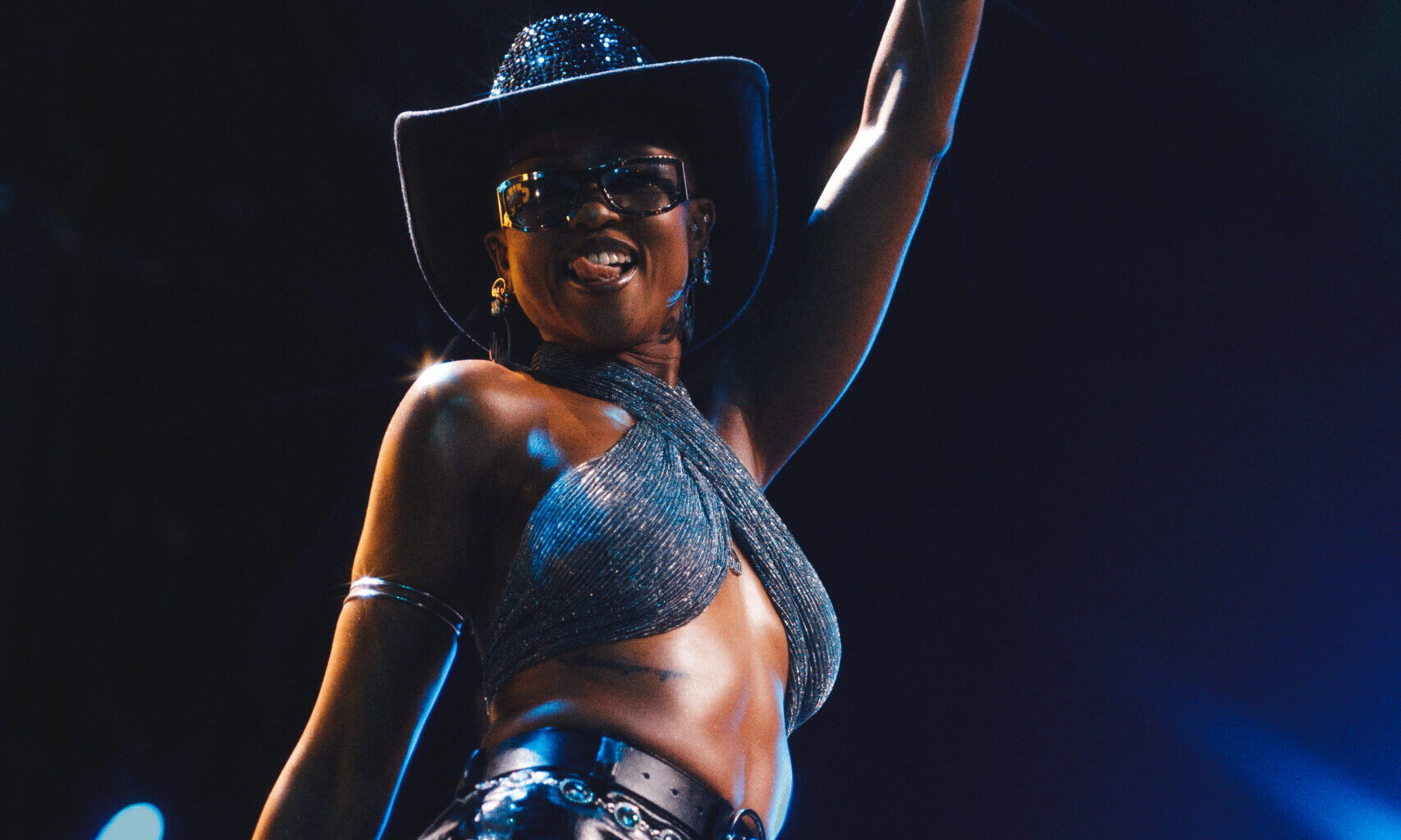
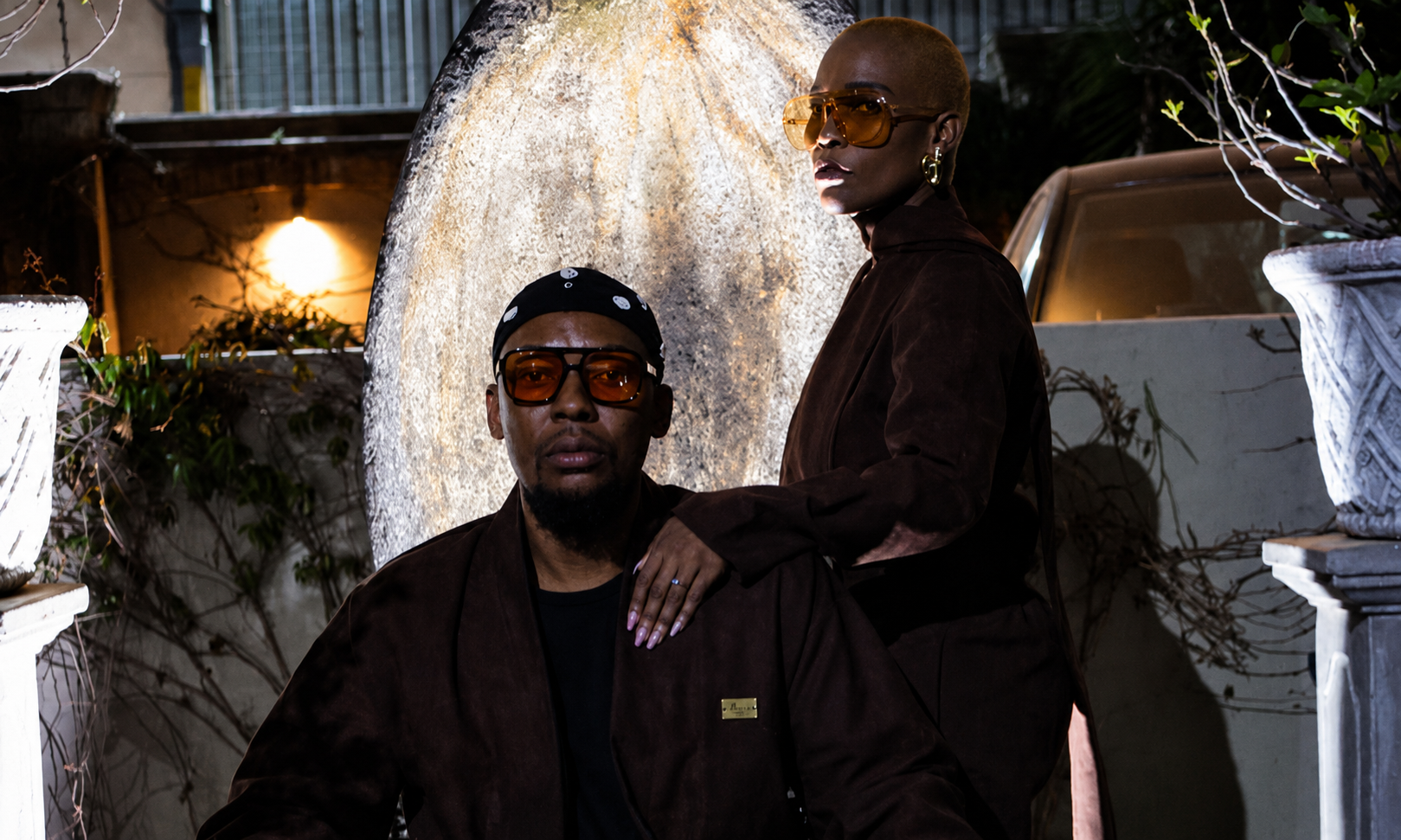
The Music In Africa Foundation (MIAF) is proud of its partnership with the Industrial Development Corporation (IDC) as a Strategic Implementing Partner (SIP) for its Social Employment Fund (SEF). Through this collaboration, MIAF is running a national programme that is creating jobs, addressing skills gaps, and strengthening South Africa's creative industries — in line with the SEF's overarching goal to generate work for the common good and build community value through employment, social contribution, and inclusive economic participation. Operating under the banner NEFCISA (National Employment Facility for Creative Industries in South Africa), the initiative is recruiting and training participants, matching them with host organisations, and has already placed 1 500 workers across the country — surpassing its original target of 1 000. NEFCISA is delivered through a network of 20 host organisations spanning five provinces, who are actively hosting participants and contributing to work for the common good across South Africa's creative and cultural industries. Key Objectives: Support employment and entrepreneurship in the creative industries. Offer skills development and training programmes. Foster partnerships between public and private creative sectors. Promote South African creativity at both provincial and national levels Foster community development through social contribution.

ACCES
ACCES

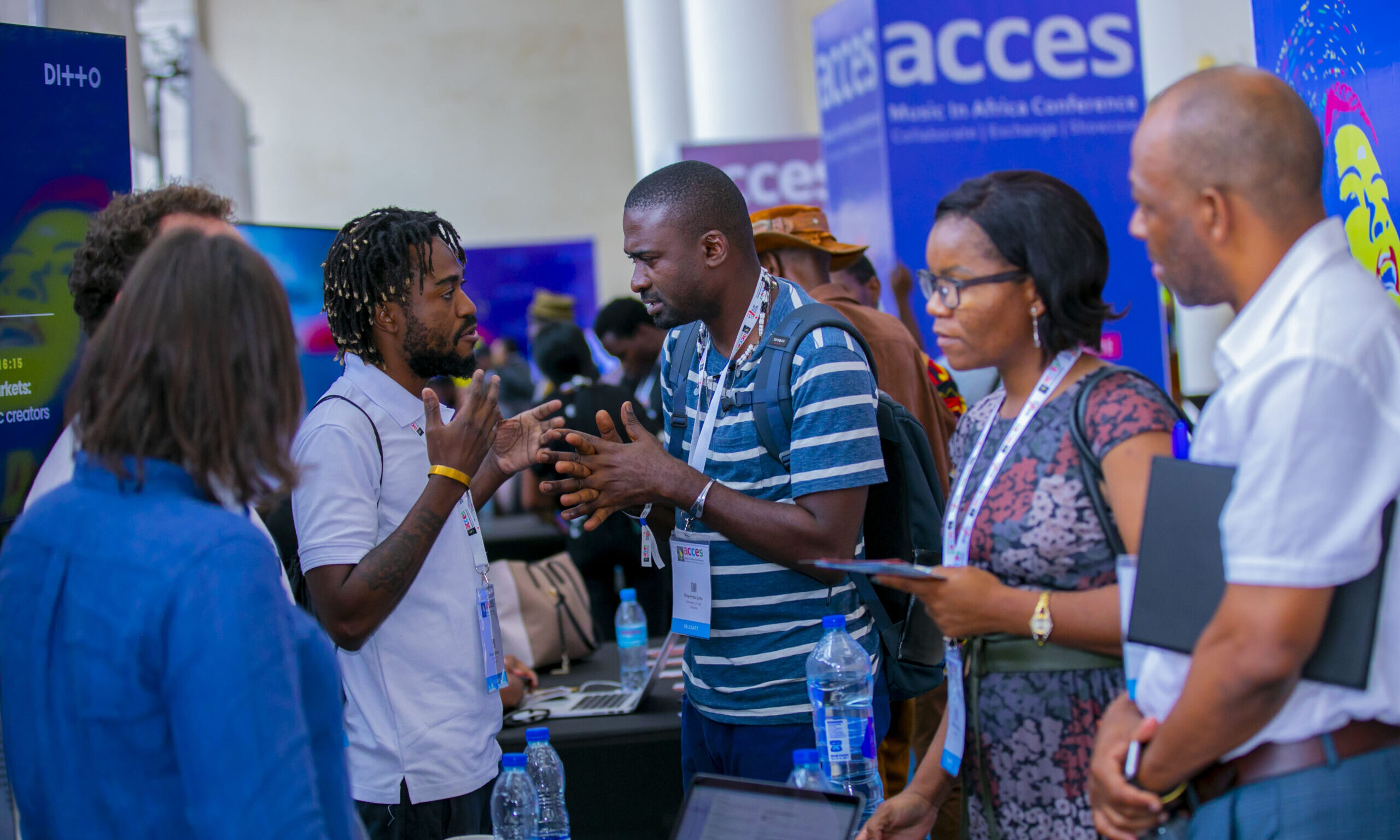
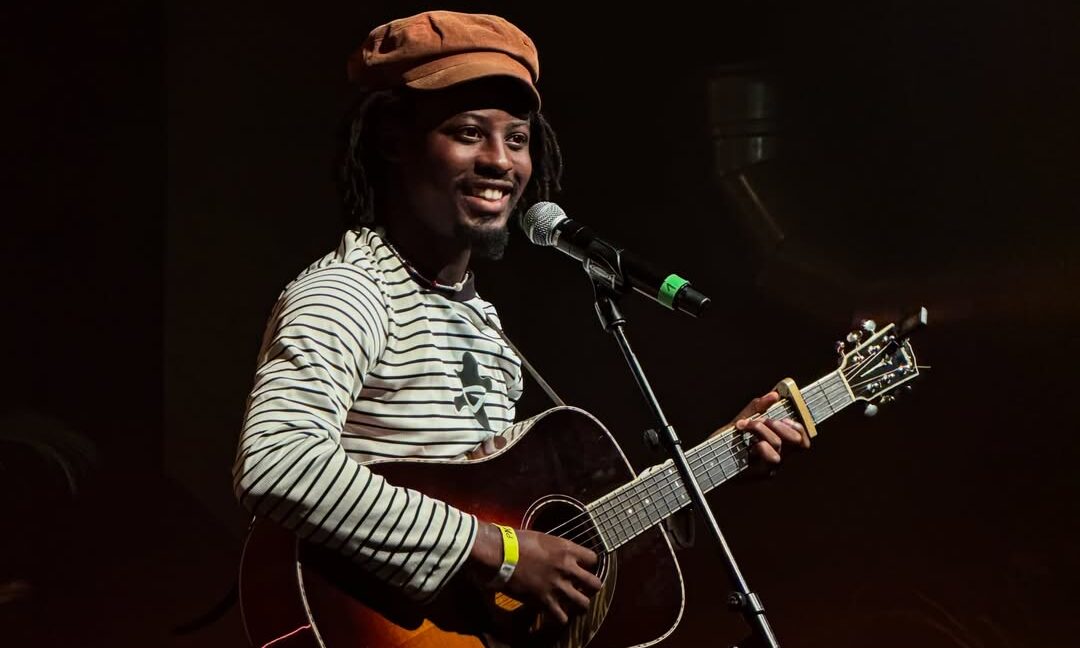
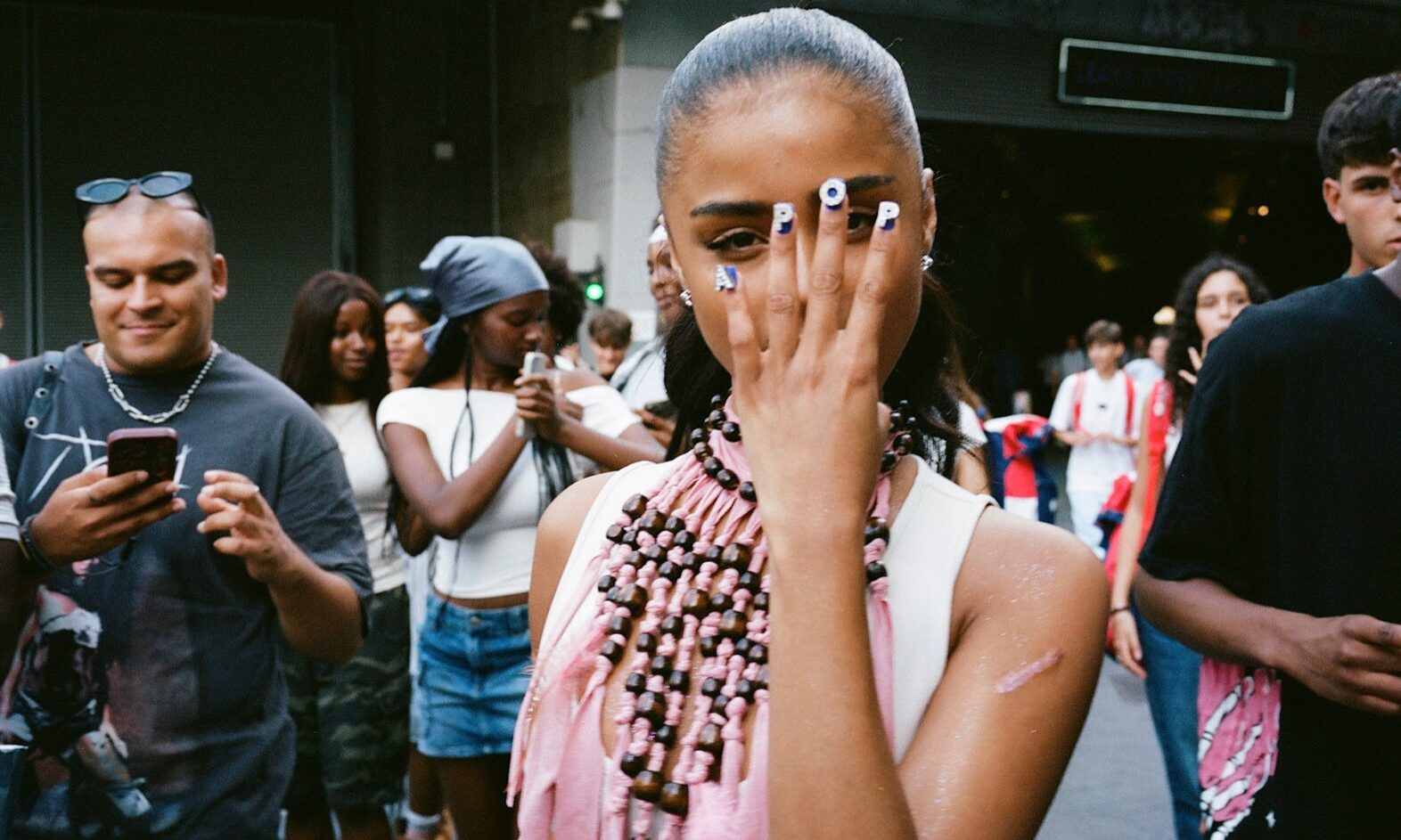
ACCES Conference and Showcase Festival is Africa's leading music industry gathering, bringing together the people shaping the future of the continent's music business. Artists, entrepreneurs, executives, investors, policymakers and cultural leaders from across Africa and around the world come to ACCES to build partnerships, exchange ideas, discover talent and create new business opportunities. Since its launch in 2017, ACCES has become the continent's premier platform for professional exchange and music market development. Combining a high-level conference with a curated showcase festival, networking, exhibitions and industry programmes, ACCES offers a unique space where creativity meets business and where African music connects with the global industry.

Gender@Work
Gender@Work

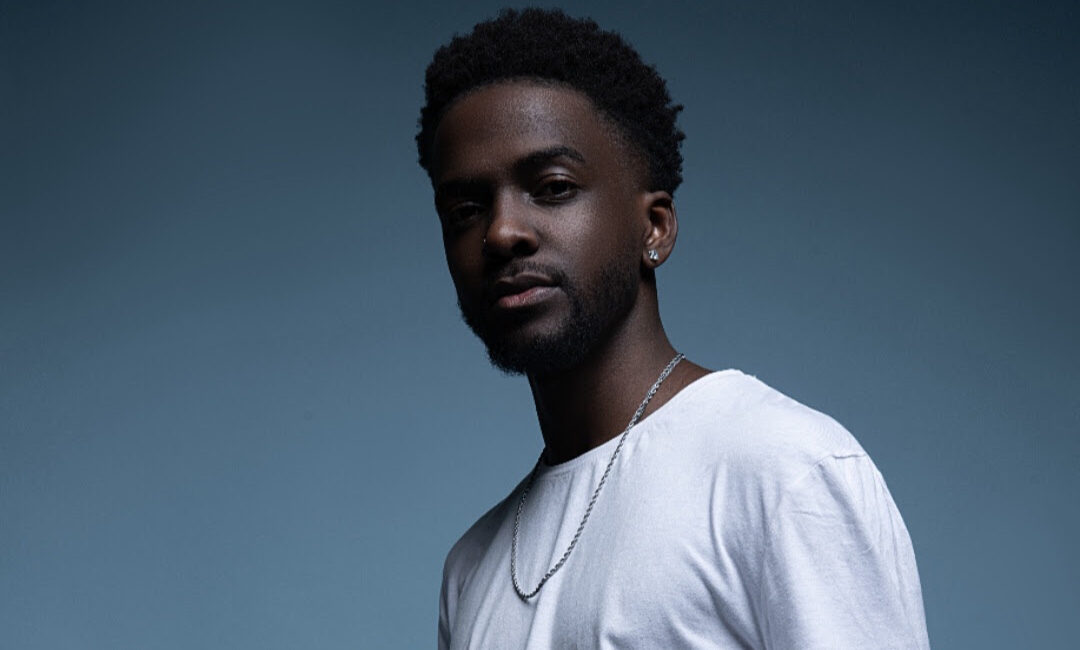
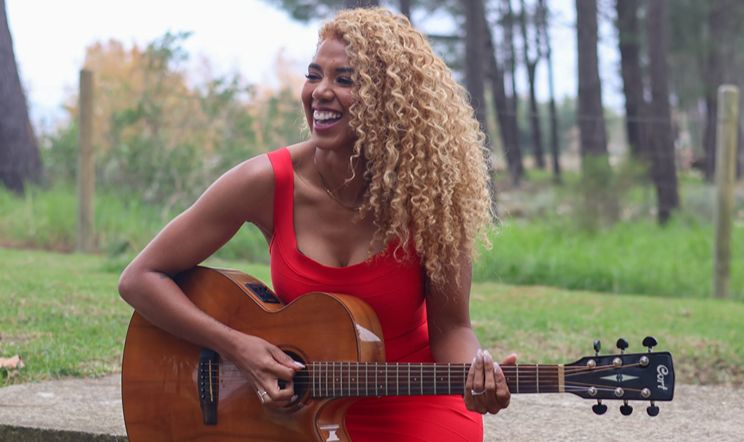
Music In Africa Gender @ Work is a three-year training programme aimed at upskilling and increasing the participation of female professionals in the African music sector. Launched by the Music In Africa Foundation (MIAF) in April 2019, the programme is connected to the MIAF’s ACCES music conference – a pan-African event held in a different African country every year. This connection enables the programme to reach new participants in a different African country every year. The programme marks the beginning of a more concerted effort by the Foundation to support the participation and inclusion of women in all facets of its programmes and the music sector in Africa as a whole. Over the three years, the programme will aim to address gender imbalances in the sector through training, lobbying, facilitating knowledge exchange and dialogues that foster the interest of women. The broader objectives of the programme are to: Provide industry training for women on critical music industry skills, focusing on: Stage management Electronic music production and recording Music business management Technical knowledge Provide an opportunity for both professional and aspiring women to benefit from the Music In Africa network and its broad range of activities in 2019, 2020 and 2021. Provide a solution-based platform in the form of a round table at ACCES with a view to identify challenges, discuss opportunities and lobby for the interests of female practitioners. Offer participants the opportunity to benefit from programmes offered by MIAF’s partners. Increase access to educational materials. Integrate participants in the broader ACCES programme to maximise experience and exposure to the industry. Record and present training materials on the www.musicinafrica.net, including but not limited to tutorials, templates and other best-practice materials. Communicate women-based themes that support the initiatives and messages of the programme. MAIN TRAINING ACTIVITIES Training in first country (Ghana): In the first year, participants will be trained on all aspects of stage management by a team of experienced stage managers from 10 to 17 November 2019. The programme will offer robust classroom training as well as practical, hands-on training in which participants will also be given the opportunity to manage various aspects of the ACCES performance programme. Training in second country: The second training iteration will take place at ACCES 2020 when the programme will diversify its course to include music production lessons and training on other music business topics. A round-table platform will also be introduced to coincide with the ACCES programme. Training in third country: The third training iteration will take place at ACCES 2021 in a different country, offering an advanced course. HOW DO YOU GET INVOLVED?  As a participant, facilitator or trainer: The programme enrolls up to 12 trainees every year. All opportunities are advertised publicly on this website, and will be added to this page. Please keep checking this page for new calls (below under UPDATES & CURRENT OPPORTUNITIES). As a partner Please contact Claire Metais at [email protected]. APPLY The call for applications for 2020 will be announced soon. The Music In Africa Gender @ Work programme is made possible with the support of the Prince Claus Fund, Siemens Stiftung and Goethe-Institut.

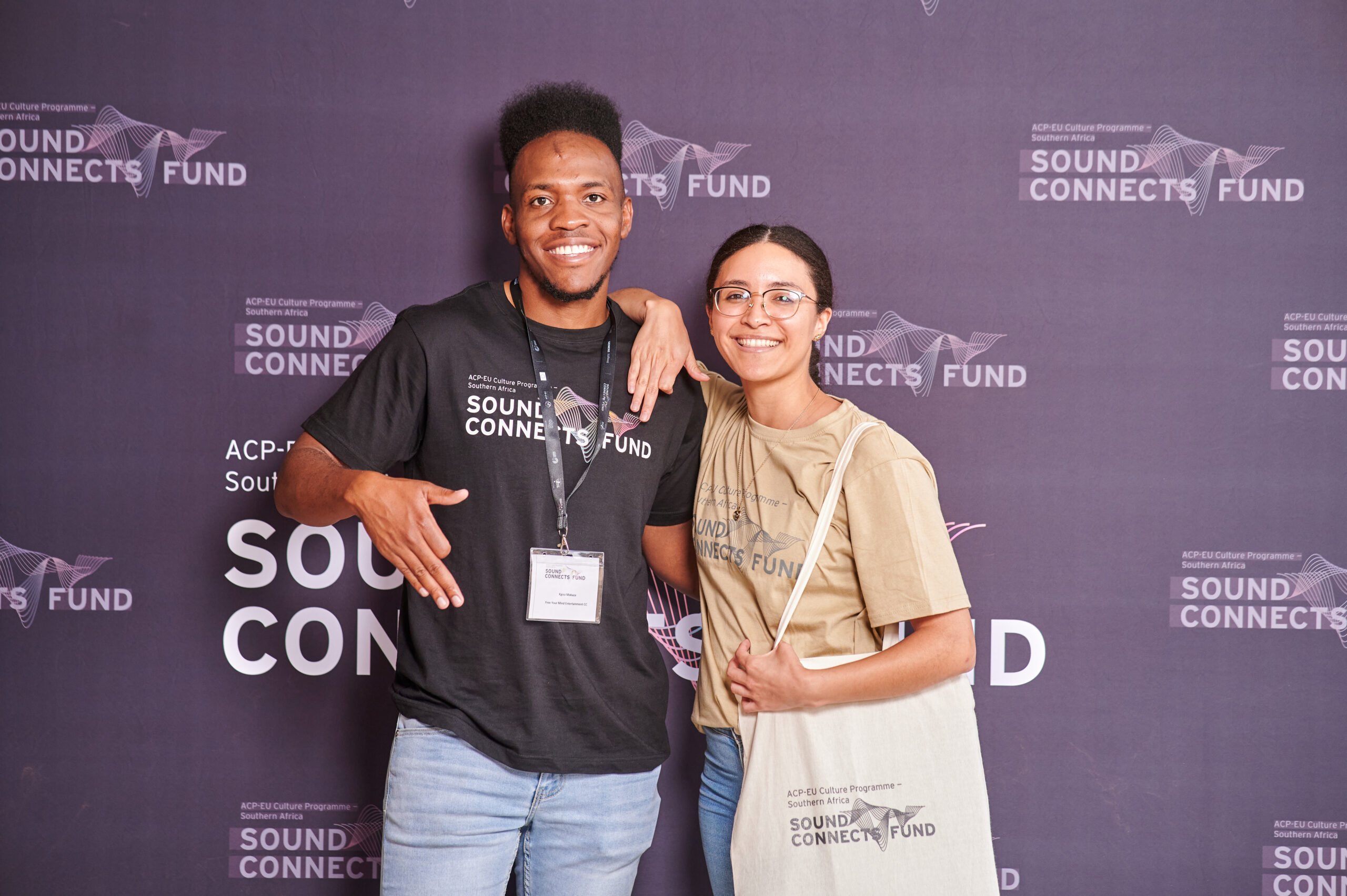
Sound Connects Fund
Sound Connects Fund

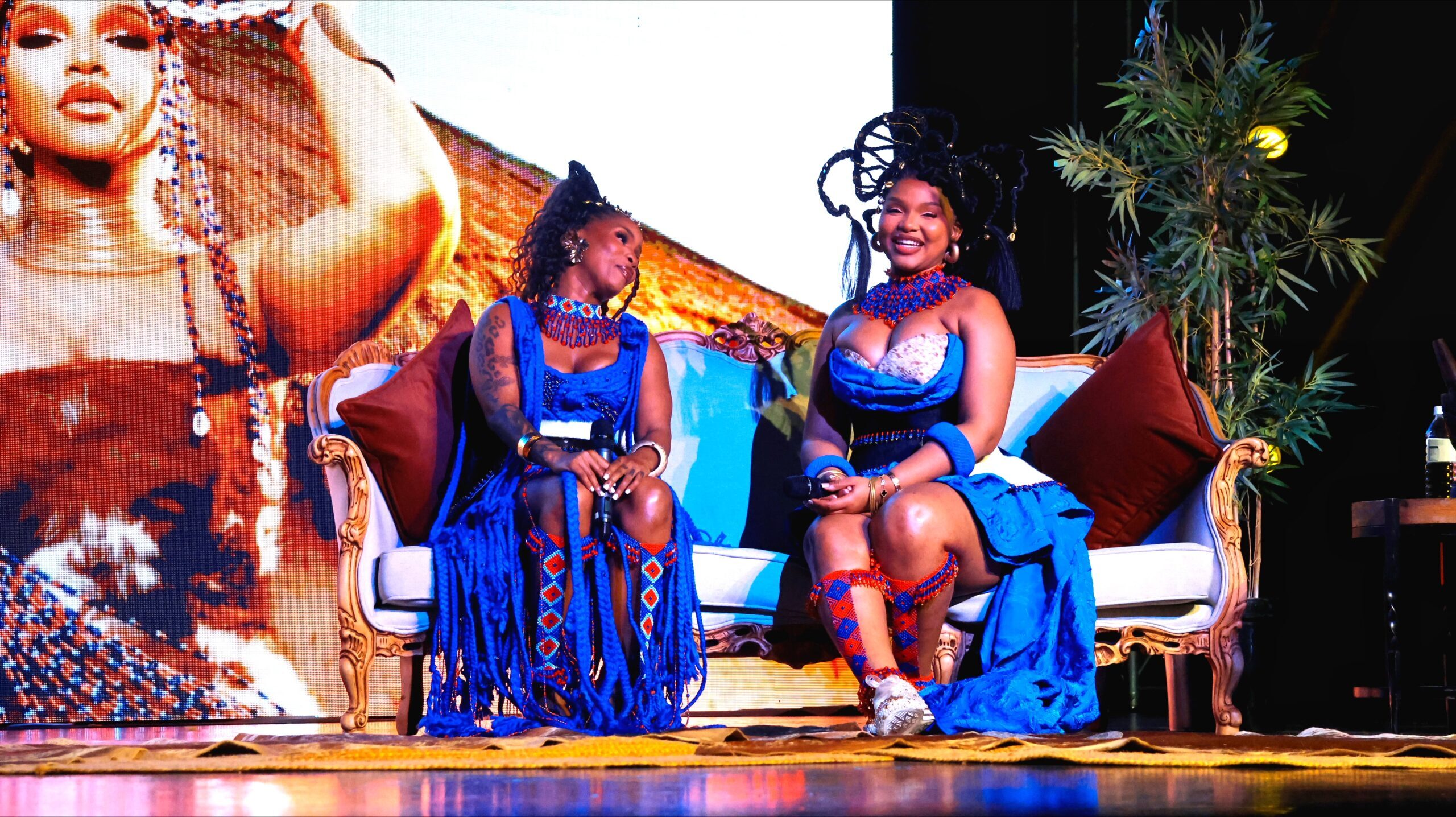
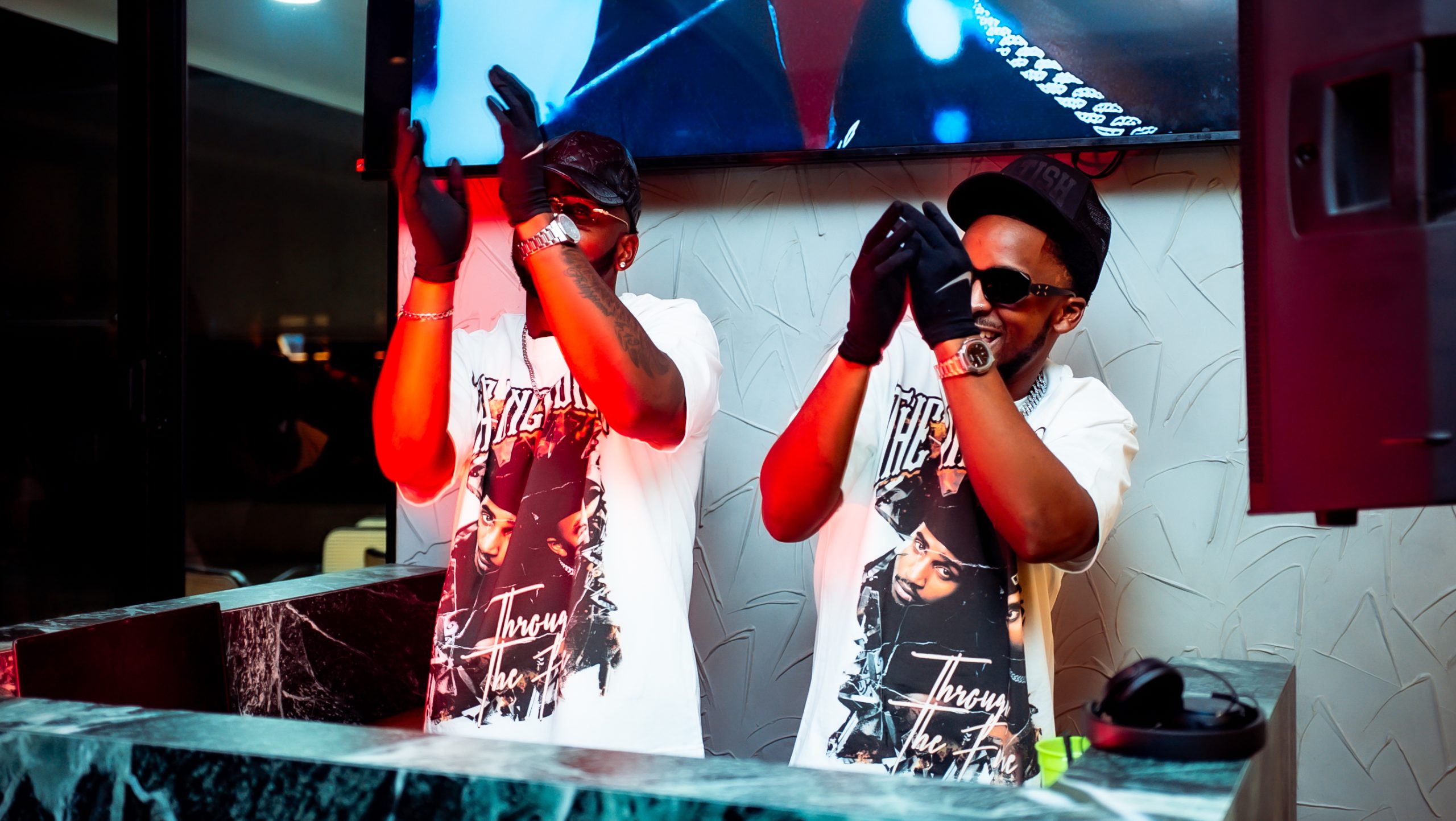
For cultural and creative practitioners and organisations operating in southern Africa, access to funding remains a major challenge. The COVID-19 pandemic has also had a massive impact on government policy, spending and the economy in general, and has seen spending on culture being moved further down the list of priorities. Further, the cultural and creative industries repeatedly cite four main areas where investment is needed for growth, which are increased visibility, mobility including access to new markets, finance and support structures.

Instrument Building And Repair Project

Experience the Vibrations African Instruments Exhibition online in 3D

banner image

Ilam, la nouvelle sensation afro-pop à découvrir

Home/Non classé/Ilam, la nouvelle sensation afro-pop à découvrir

Bonjour Ilam, tu peux stp, te présenter à nos lecteurs ?

Bonjour, premièrement merci de m’offrir cette vitrine. J’apprécie votre effort de rendre la musique qui vient de l’Afrique accessible partout pour appuyer les artistes à vivre de leur art. Donc, je m’appelle ILAM, je suis né à Dakar au Sénégal, mes origines sont du Fouta, au Nord. J’ai grandi dans une famille qui ne sont pas des griots. Je dirais que je fais un style musical à l’image du monde d’aujourd’hui, plein de couleurs.

Tu es parmi les «​ Révélations Radio – Canada 2016 / 2017 »​ qu’est ce que ça te fait ? Parles nous un peu de ton parcours musical…

C’est tout un honneur et c’est difficile à croire en même temps. Si je pense à mon arrivée au Canada, il y a deux ans, jamais je n’aurais pu croire que ma carrière aurait avancée aussi rapidement. Il faut dire que je fais de la musique depuis plusieurs années au Sénégal. Ça a été une véritable école pour moi. Mais vous savez, au Sénégal, quand on est pas griot, c’est pas facile de s’en sortir.

Vous savez  comment la musique fonctionne au Sénégal. Il y a ta famille qui ne voit pas très bien à quoi ça va mener. Et puis, en général, c’est difficile d’être reconnu et d’être respecté par ceux qui sont déjà établis dans le milieu. Je me souviens de la fête de la musique en 2013, sur le parterre du Grand Théâtre, même si on m’a invité, on m’a fait patienter jusqu’à 3h du matin pour me dire que finalement je n’allais pas jouer. 

Si je suis là aujourd’hui, c’est parce que j’ai pu surmonter ces moments. Ce qui fait la force d’un artiste c’est son vécu, c’est l’histoire qu’il a à raconter. 

Parles-nous un peu de ta musique et de tes influences ?

Ma musique avant tout, c’est un partage, c’est une ouverture, avec beaucoup de diversité. Ma musique, vient avant tout de mes racines poulaar. J’ai grandi avec le Tara et le Yéla autour de moi. C’est sur que j’ai été influencé par Baba Maal, il a beaucoup fait pour la culture poulaar dans le monde mais il est aussi très ouvert d’esprit. Mais surtout Faada Freddy, c’est lui qui m’a donné envie de devenir chanteur et de monter sur scène. Je peux dire également qu’il m’a beaucoup influencé.

Sinon, j’écoute toutes les musiques. Ce qui me touche, c’est les musiques qui sont sincères, celles qui viennent du coeur, que ce soit d’un style urbain, ou folklorique, ou même classique.

Ta musique est très métissée, parles nous de ton processus créatif ?

Oui, c’est vrai, ma musique est métissée, parce que je crois que la musique est avant tout un mélange. C’est comme la cuisine. Pour faire un plat, il faut plusieurs ingrédients, plusieurs épices, sinon, ça ne goûte rien. Dans la musique, on a douze notes, mais les possibilités sont infinies. Je ne veux pas m’enfermer dans un style et dire que je fais tel ou tel type de musique.

Quand on parle de l’Afrique, on pense souvent au rythme, mais il y a beaucoup plus que ça. Il y a aussi le calme et la nature dans la musique africaine. Je veux que ma musique soit universelle et qu’elle soit un message de paix, d’espoir pour les peuples de la terre. Et c’est d’ailleurs ça qui m’inspire, je regarde le monde autour de moi, et j’écris ce que je vois. je crois que la musique doit faire passer une message. On ne doit pas juste chanter pour chanter. Je m’inspire aussi de mon histoire, de mon vécu. La musique vient d’abord avec une mélodie, puis elle m’inspire un texte.

As-tu sorti un album au Sénégal, par exemple avec ton premier groupe, Bennen Squad ?

Nous avons complété la production d’un album de 20 titres avec le groupe. Nous avions prévu de le lancer lors d’un festival à Los Angeles qui nous avait invité. Malheureusement, comme c’est souvent le cas pour les artistes africains, nous avons eu des problèmes de visa. Finalement, je suis parti au Canada avant que l’on sorte l’album.

Tu as sorti un EP au Canada, en novembre 2015, parles nous un peu de cette production…

C’était un avant-goût de ce qui s’en vient pour l’album à l’automne. J’ai beaucoup appris pendant la production. C’était une expérience, j’ai collaboré avec plusieurs musiciens, comme Noumoucounda Cissoko dans le titre «​ Yéla »​, qui a déjà participé à l’album de Stromae. Et plusieurs autres musiciens talentueux. Comme on dit, le meilleur reste à venir.

Tu comptes venir à Dakar pour un concert ?

J’aimerais beaucoup, c’est dans les projets. Il faut regarder comment on va tout mettre en place avec tout ce qui se présente à nous. Mais, c’est certain que je viendrai bientôt dans mon pays présenter mon travail qui est maintenant devenu plus mature par mon aventure au Canada. Je crois que le public sénégalais est prêt pour ce genre d’ouverture musicale. Tout va venir à temps !

Quels sont tes autres projets en cours ?

On a beaucoup de projets, ça bouge énormément. Il y a plusieurs dates cet été qui s’en viennent, un peu partout au Québec et au Canada. Je suis très heureux de faire parti de la programmation du Festival international de Jazz de Montréal de cette année. Ensuite, il y a l’album qui s’en vient pour l’automne 2016 avec un clip. Et puis, je veux voyager, apprendre et collaborer avec d’autres artistes. On prépare quelques projets du côté de l’Asie. Je vous tiendrai au courant dans les mois qui viennent !

Un dernier mot ?

Juste merci à vous, merci aux lecteurs et au public, c’est grâce à vous qu’on est motivés à travailler. J’espère que vous vous reconnaissez dans notre musique et qu’elle vous touche. Parce que la vie sans musique c’est comme un corps sans âme.

newsletter banner

Subscribe to our monthly Newsletter

Follow us on social media