

































NEFCISA
NEFCISA

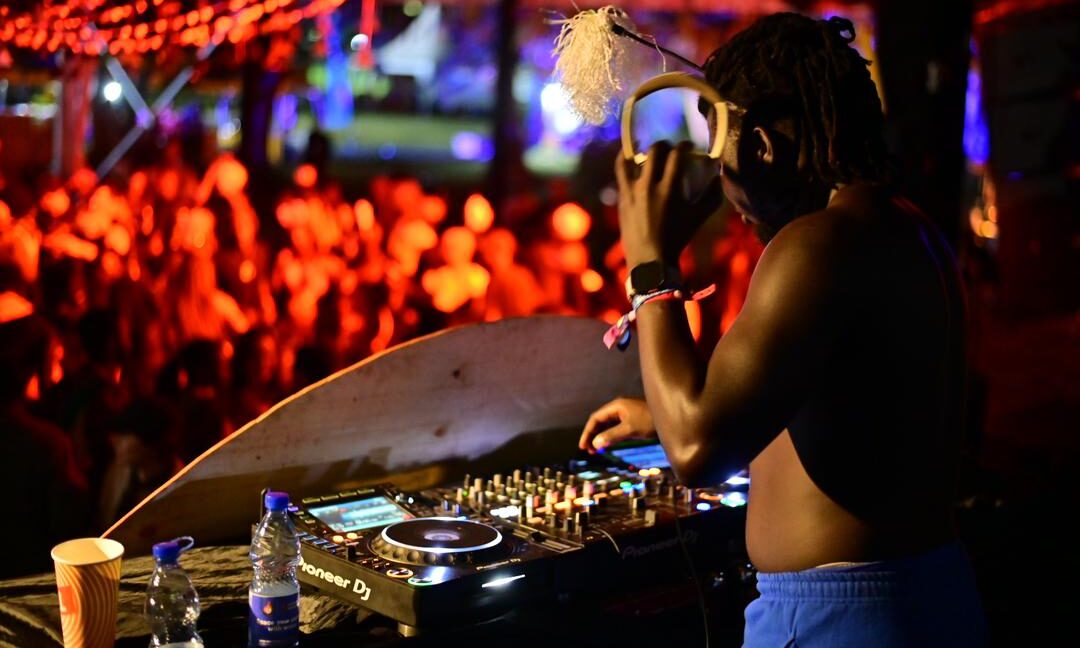
The Music In Africa Foundation (MIAF) is proud of its partnership with the Industrial Development Corporation (IDC) as a Strategic Implementing Partner (SIP) for its Social Employment Fund (SEF). Through this collaboration, MIAF is running a national programme that is creating jobs, addressing skills gaps, and strengthening South Africa's creative industries — in line with the SEF's overarching goal to generate work for the common good and build community value through employment, social contribution, and inclusive economic participation. Operating under the banner NEFCISA (National Employment Facility for Creative Industries in South Africa), the initiative is recruiting and training participants, matching them with host organisations, and has already placed 1 500 workers across the country — surpassing its original target of 1 000. NEFCISA is delivered through a network of 20 host organisations spanning five provinces, who are actively hosting participants and contributing to work for the common good across South Africa's creative and cultural industries. Key Objectives: Support employment and entrepreneurship in the creative industries. Offer skills development and training programmes. Foster partnerships between public and private creative sectors. Promote South African creativity at both provincial and national levels Foster community development through social contribution.

ACCES
ACCES

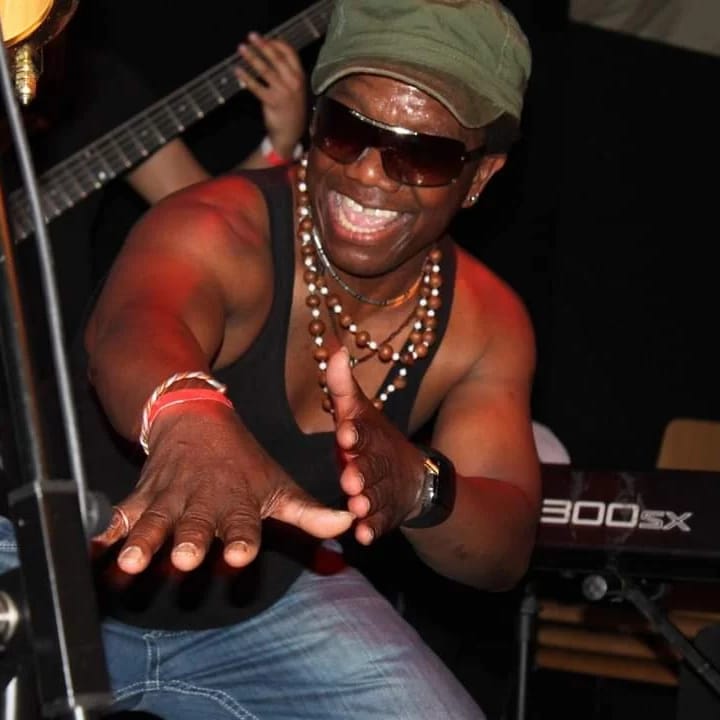
ACCES Conference and Showcase Festival is Africa's leading music industry gathering, bringing together the people shaping the future of the continent's music business. Artists, entrepreneurs, executives, investors, policymakers and cultural leaders from across Africa and around the world come to ACCES to build partnerships, exchange ideas, discover talent and create new business opportunities. Since its launch in 2017, ACCES has become the continent's premier platform for professional exchange and music market development. Combining a high-level conference with a curated showcase festival, networking, exhibitions and industry programmes, ACCES offers a unique space where creativity meets business and where African music connects with the global industry.

Gender@Work
Gender@Work

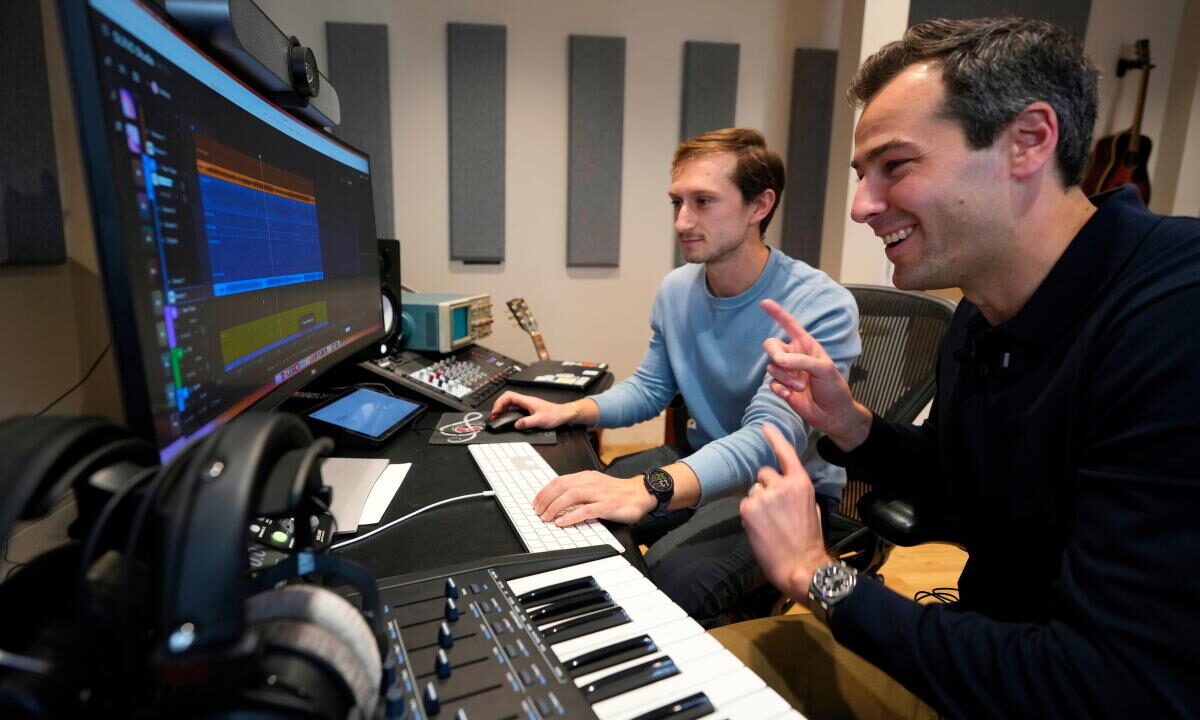
Music In Africa Gender @ Work is a three-year training programme aimed at upskilling and increasing the participation of female professionals in the African music sector. Launched by the Music In Africa Foundation (MIAF) in April 2019, the programme is connected to the MIAF’s ACCES music conference – a pan-African event held in a different African country every year. This connection enables the programme to reach new participants in a different African country every year. The programme marks the beginning of a more concerted effort by the Foundation to support the participation and inclusion of women in all facets of its programmes and the music sector in Africa as a whole. Over the three years, the programme will aim to address gender imbalances in the sector through training, lobbying, facilitating knowledge exchange and dialogues that foster the interest of women. The broader objectives of the programme are to: Provide industry training for women on critical music industry skills, focusing on: Stage management Electronic music production and recording Music business management Technical knowledge Provide an opportunity for both professional and aspiring women to benefit from the Music In Africa network and its broad range of activities in 2019, 2020 and 2021. Provide a solution-based platform in the form of a round table at ACCES with a view to identify challenges, discuss opportunities and lobby for the interests of female practitioners. Offer participants the opportunity to benefit from programmes offered by MIAF’s partners. Increase access to educational materials. Integrate participants in the broader ACCES programme to maximise experience and exposure to the industry. Record and present training materials on the www.musicinafrica.net, including but not limited to tutorials, templates and other best-practice materials. Communicate women-based themes that support the initiatives and messages of the programme. MAIN TRAINING ACTIVITIES Training in first country (Ghana): In the first year, participants will be trained on all aspects of stage management by a team of experienced stage managers from 10 to 17 November 2019. The programme will offer robust classroom training as well as practical, hands-on training in which participants will also be given the opportunity to manage various aspects of the ACCES performance programme. Training in second country: The second training iteration will take place at ACCES 2020 when the programme will diversify its course to include music production lessons and training on other music business topics. A round-table platform will also be introduced to coincide with the ACCES programme. Training in third country: The third training iteration will take place at ACCES 2021 in a different country, offering an advanced course. HOW DO YOU GET INVOLVED?  As a participant, facilitator or trainer: The programme enrolls up to 12 trainees every year. All opportunities are advertised publicly on this website, and will be added to this page. Please keep checking this page for new calls (below under UPDATES & CURRENT OPPORTUNITIES). As a partner Please contact Claire Metais at [email protected]. APPLY The call for applications for 2020 will be announced soon. The Music In Africa Gender @ Work programme is made possible with the support of the Prince Claus Fund, Siemens Stiftung and Goethe-Institut.

Sound Connects Fund
Sound Connects Fund

For cultural and creative practitioners and organisations operating in southern Africa, access to funding remains a major challenge. The COVID-19 pandemic has also had a massive impact on government policy, spending and the economy in general, and has seen spending on culture being moved further down the list of priorities. Further, the cultural and creative industries repeatedly cite four main areas where investment is needed for growth, which are increased visibility, mobility including access to new markets, finance and support structures.

Instrument Building And Repair Project

Experience the Vibrations African Instruments Exhibition online in 3D

banner image

La Tunisienne Amina choisit la lumière

Home/Non classé/La Tunisienne Amina choisit la lumière

Rencontre en ton réel, le yoga du son en terrain conquis. La belle à la voix suave est de retour. Amina retoque à nos oreilles avec un nouvel opus chargé d’émotion. «En fait, je n’ai jamais arrêté. J’ai toujours continué à chanter. Avec des expériences hors de France. J’ai énormément voyagé, spécialement en Suède où je me suis installée pendant un moment. »

La chanteuse débute adolescente dans le milieu artistique. Elle danse et chante. Son premier single, le rap arabisant «Shéhérazade», date de 1986. Dans la foulée sort «Shango», un duo avec l’emblématique créateur new-yorkais de la mouvance hip-hop Afrika Bambaataa. Après quelques flirts japonais, elle réalise en 1989 son premier album solo «Yalil». Le succès est immédiat avec une belle cinquième place au Billboard américain, section world music. En 1991, elle est sollicitée pour représenter la France au concours de l’Eurovision. Elle y interprète « C’est le dernier qui a parlé qui a raison », co-écrit par un ami de longue date, le chanteur sénégalais Wasis Diop. Pas de chance pour la Franco-tunisienne née en 1962 à Carthage. Arrivée première ex-aequo avec la représentante de la Suède, elle est éliminée suite à un comptage boursouflé de décomptes. Le deuxième album d’Amina, «Wa di yé» sanctionné par une longue tournée, paraît en 1992.

Il est suivi, en 1999, par «Annabi» après une collaboration avec Malcolm McLaren, illustre manager des New York Dolls et des Sex Pistols, sur son opus «Paris». En 1993, pour la Première de l’émission Taratata sur France 2, Amina Annabi s’engage dans un duo avec le chanteur français Barnard Lavilliers. Ils reprennent en chœur et avec cœur «Est-ce ainsi que les hommes vivent» de Léo Ferré tiré d’un poème de Louis Aragon. La chanteuse, fan du groupe mythique marocain Nass El Ghiwane auquel elle emprunte «Allah ya moulana», est actrice depuis «Maman» de Romain Goupil réalisé en 1990. Elle enchaine avec «Un thé au Sahara» de Bernardo Bertolucci. Elle tourne ensuite avec Claude Lelouch dans « La belle histoire», Nicolas Klotz dans «La nuit sacrée», ainsi que Maïwenn en 2011 dans «Poliss».

Amina a finalement un passé qui habite insolemment son présent. Entre son pays d’accueil devenu sien et les différentes haltes qui ont rythmé son vécu, son parcours, copieusement indéfinissable, inspire respect et admiration. «Aujourd’hui, j’ai la culture des étoiles. Je vis comme dans un rêve éveillé. Je me sens de toutes les origines. Ce qui m’intéresse, ce sont les différences et les liens qui peuvent exister entre elles.» Ses mots, spontanément délivrés, font immédiatement mouche : «Je suis toujours à la recherche de la note juste. Je peux la croiser mais elle est capable de m’échapper si je ne la saisis pas. Du coup, je passe à autre chose. Le monde change, les gens changent, les sons aussi.»

Sons pour méditation

Tunisienne consumée, Amina est cette citoyenne du monde qui gère sa folie aimante telle une déesse ivre de ses multiples rencontres, les bonnes et les moins appréciées. Elle est belle et précieuse, forêt et prairie. Elle ne respire que sous l’arbre qui lui divulgue les secrets de branches faites d’épanouissements psalmodiés en silence par les yogis les plus loquaces : «Je pratique le yoga depuis l’âge de douze ans. Ma mère était l’une des premières professeures de yoga à Paris. En été, je partageais mes vacances entre des stages auprès d’elle et mes voyages en Tunisie. J’ai fait du yoga depuis toujours. Depuis quelque temps, c’est moi qui mène les stages, mais du yoga du son.» Voilà qui inspire directement le projet d’un opus qu’elle compte enfanter en 2023 : «Un album basé sur les sons qui stimulent la méditation.» Pour l’instant, Amina se concentre sur cet enregistrement de onze titres, «La lumière de mes choix», qui marque son grand retour à la chanson. Elle y évoque sa vie, ses souvenirs, ses voyages, avec des pièces pop enveloppées de consonances orientales. «Ce retour musical en France était un brin étrange. Pour moi, c’était comme si je découvrais de nouveau tout. Pourtant, Paris est mon ancrage.» A quand un retour en Afrique, en vers et entre tous ?

[video:https://youtu.be/hGvcHkyZ6Iw autoplay:0]

 

newsletter banner

Subscribe to our monthly Newsletter

Follow us on social media