




































NEFCISA
NEFCISA

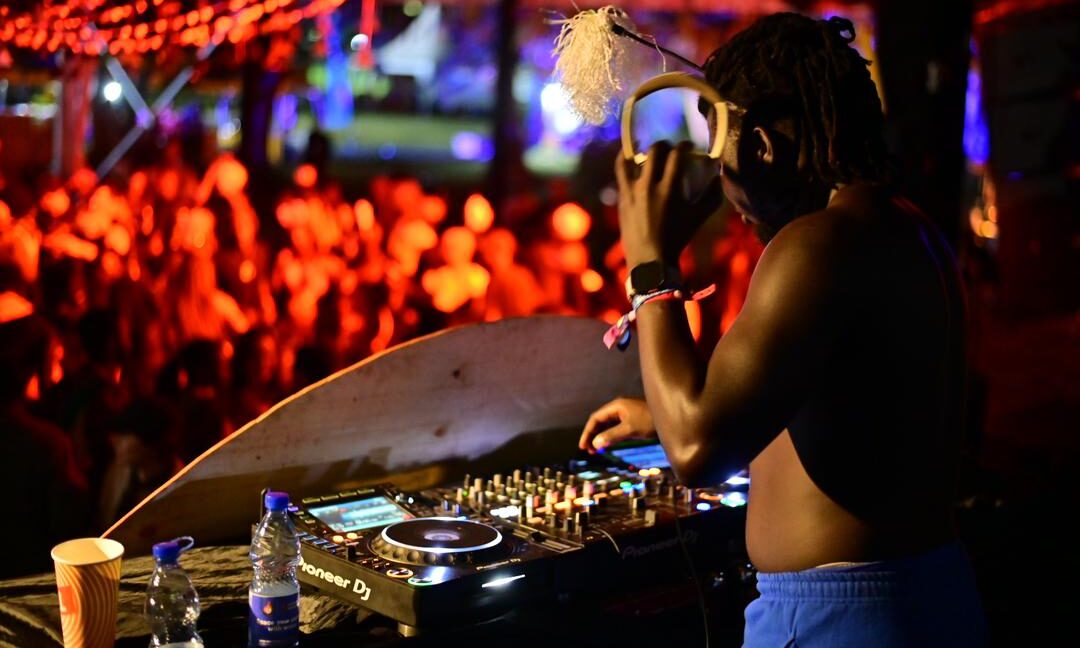
The Music In Africa Foundation (MIAF) is proud of its partnership with the Industrial Development Corporation (IDC) as a Strategic Implementing Partner (SIP) for its Social Employment Fund (SEF). Through this collaboration, MIAF is running a national programme that is creating jobs, addressing skills gaps, and strengthening South Africa's creative industries — in line with the SEF's overarching goal to generate work for the common good and build community value through employment, social contribution, and inclusive economic participation. Operating under the banner NEFCISA (National Employment Facility for Creative Industries in South Africa), the initiative is recruiting and training participants, matching them with host organisations, and has already placed 1 500 workers across the country — surpassing its original target of 1 000. NEFCISA is delivered through a network of 20 host organisations spanning five provinces, who are actively hosting participants and contributing to work for the common good across South Africa's creative and cultural industries. Key Objectives: Support employment and entrepreneurship in the creative industries. Offer skills development and training programmes. Foster partnerships between public and private creative sectors. Promote South African creativity at both provincial and national levels Foster community development through social contribution.

ACCES
ACCES

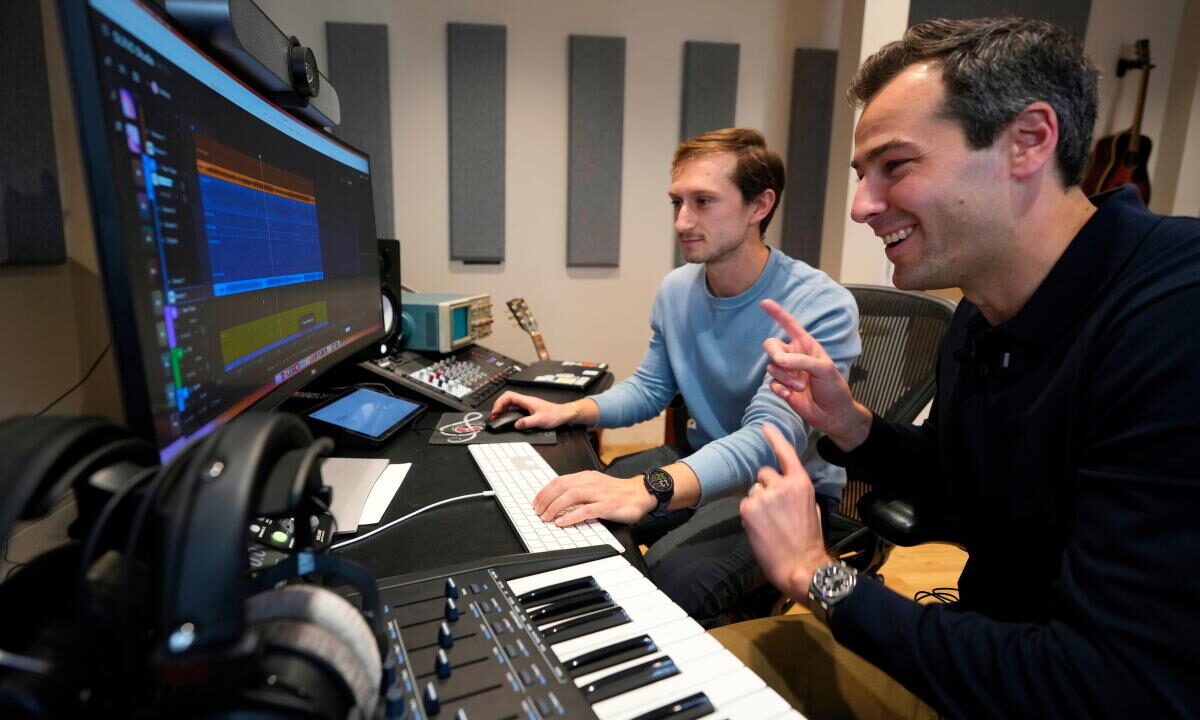
ACCES Conference and Showcase Festival is Africa's leading music industry gathering, bringing together the people shaping the future of the continent's music business. Artists, entrepreneurs, executives, investors, policymakers and cultural leaders from across Africa and around the world come to ACCES to build partnerships, exchange ideas, discover talent and create new business opportunities. Since its launch in 2017, ACCES has become the continent's premier platform for professional exchange and music market development. Combining a high-level conference with a curated showcase festival, networking, exhibitions and industry programmes, ACCES offers a unique space where creativity meets business and where African music connects with the global industry.

Gender@Work
Gender@Work

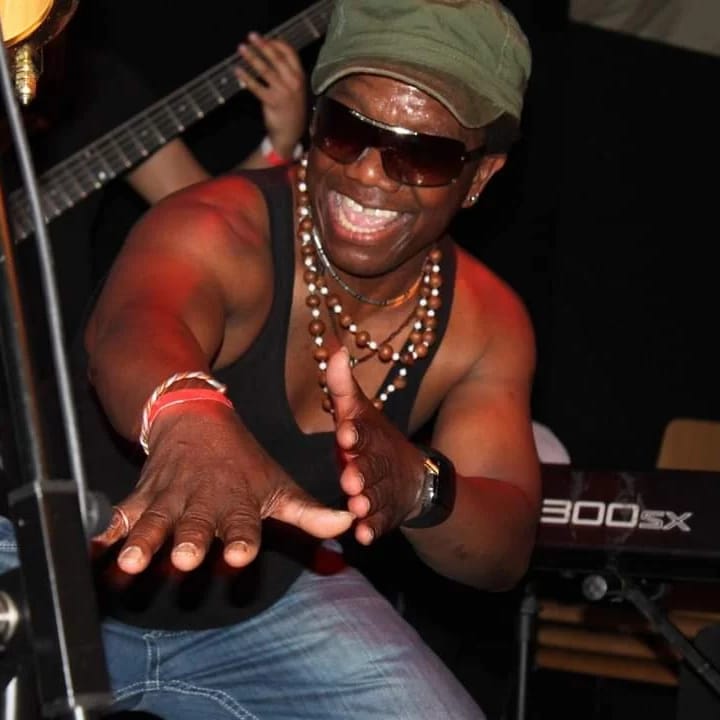
Music In Africa Gender @ Work is a three-year training programme aimed at upskilling and increasing the participation of female professionals in the African music sector. Launched by the Music In Africa Foundation (MIAF) in April 2019, the programme is connected to the MIAF’s ACCES music conference – a pan-African event held in a different African country every year. This connection enables the programme to reach new participants in a different African country every year. The programme marks the beginning of a more concerted effort by the Foundation to support the participation and inclusion of women in all facets of its programmes and the music sector in Africa as a whole. Over the three years, the programme will aim to address gender imbalances in the sector through training, lobbying, facilitating knowledge exchange and dialogues that foster the interest of women. The broader objectives of the programme are to: Provide industry training for women on critical music industry skills, focusing on: Stage management Electronic music production and recording Music business management Technical knowledge Provide an opportunity for both professional and aspiring women to benefit from the Music In Africa network and its broad range of activities in 2019, 2020 and 2021. Provide a solution-based platform in the form of a round table at ACCES with a view to identify challenges, discuss opportunities and lobby for the interests of female practitioners. Offer participants the opportunity to benefit from programmes offered by MIAF’s partners. Increase access to educational materials. Integrate participants in the broader ACCES programme to maximise experience and exposure to the industry. Record and present training materials on the www.musicinafrica.net, including but not limited to tutorials, templates and other best-practice materials. Communicate women-based themes that support the initiatives and messages of the programme. MAIN TRAINING ACTIVITIES Training in first country (Ghana): In the first year, participants will be trained on all aspects of stage management by a team of experienced stage managers from 10 to 17 November 2019. The programme will offer robust classroom training as well as practical, hands-on training in which participants will also be given the opportunity to manage various aspects of the ACCES performance programme. Training in second country: The second training iteration will take place at ACCES 2020 when the programme will diversify its course to include music production lessons and training on other music business topics. A round-table platform will also be introduced to coincide with the ACCES programme. Training in third country: The third training iteration will take place at ACCES 2021 in a different country, offering an advanced course. HOW DO YOU GET INVOLVED?  As a participant, facilitator or trainer: The programme enrolls up to 12 trainees every year. All opportunities are advertised publicly on this website, and will be added to this page. Please keep checking this page for new calls (below under UPDATES & CURRENT OPPORTUNITIES). As a partner Please contact Claire Metais at [email protected]. APPLY The call for applications for 2020 will be announced soon. The Music In Africa Gender @ Work programme is made possible with the support of the Prince Claus Fund, Siemens Stiftung and Goethe-Institut.

Sound Connects Fund
Sound Connects Fund

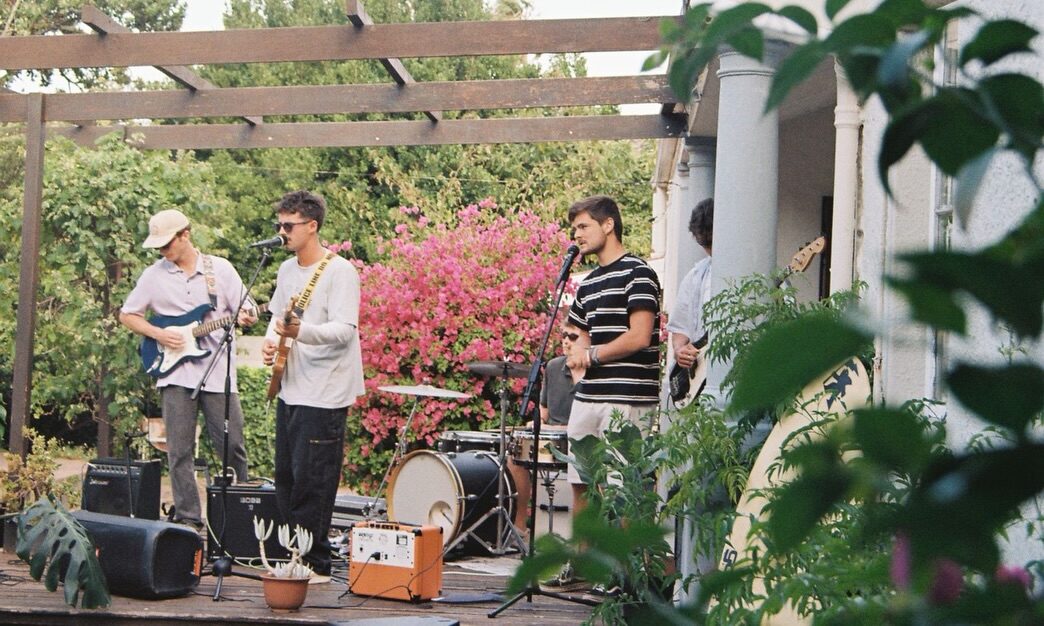
For cultural and creative practitioners and organisations operating in southern Africa, access to funding remains a major challenge. The COVID-19 pandemic has also had a massive impact on government policy, spending and the economy in general, and has seen spending on culture being moved further down the list of priorities. Further, the cultural and creative industries repeatedly cite four main areas where investment is needed for growth, which are increased visibility, mobility including access to new markets, finance and support structures.

Instrument Building And Repair Project

Experience the Vibrations African Instruments Exhibition online in 3D

banner image

The Unity Band unifies jazz traditions on Breaking Bread

Home/Non classé/The Unity Band unifies jazz traditions on Breaking Bread

And this encapsulated energy, this concentrated brilliance moulded in just a moment in time (nine days of writing and recording), is heard throughout the jazz ensemble’s expansive album Breaking Bread. It’s the eight-piece’s second offering to date, after the release of Fabric in 2019. Whereas that album served as a canvas for the musicians to put their abilities to the test, Breaking Bread is an affirmation that this particular class of music makers could be on their way to setting a higher bar for all South African jazzists to follow – simply because of the amount of information that is compressed on its 11 tracks.

South Africa already boasts a disruptive new school of jazz practitioners, with names like Bokani Dyer, Shane Cooper, Mandla Mlangeni, Thandi Ntuli, Tshepo Tsotetsi and Linda Sikhakhane, among many, many others, entering awe-stricken musical conversations at a constant rate. But The Unity Band’s collective pool of musical knowledge and influences may just be too much for most other groups to contend with.

Drawing from their own musical cultures and the power of the internet to inform different ways of approaching composition and arrangement, the members of The Unity Band provide a real sense of multiplicity on Breaking Bread. In most other cases, this could lead to confusion and an overreliance on hauntology than a portrayal of the current geist. Yet The Unity Band has done well not to offer mere odes but a carefully balanced selection of influences stemming from standards and more modern takes on the art form.

‘Pink Sunset’ will entice fans of fusion and the razor-sharp modulation of Scandinavian jazz, while those who enjoy closer-to-home sounds will quickly fall into the Afrobeat groove on ‘Chukudo’, a song that also features rousing vocal interplay between lead singer Thandeka Dladla and the low declarations of a male choir. 

Breaking Bread, presumably curated by bandleader Lumanyano ‘Unity’ Mzi (drums), also pays homage to ‘80s jazz-funk courtesy of Stephen de Souza wherever the musician employs the electric bass (vs. upright bass) – particularly on ‘Millerized’, which can be easily mistaken for a composition coming straight out of the vault of the great American bassist. Marcus Miller became the big name he is today while working with Miles Davis, whose insistence on aggressive and heartfelt performances from the musicians he employed is a central MO on Breaking Bread.

Yet there’s also the more measured, academic side on this album, on songs like ‘Walk This Road Alone’ where guitarist Dylan Fine evokes the sedate genius of greats like Allan Holdsworth and Pat Metheny, while exploring the near endless possibilities of the fretboard. Fine then transforms his tone towards the rock-fusion idiom on ‘Wakhile’, a track on which Indian solkattu phrasing is cleverly inserted to provide rhythmic richness and worldly appeal. 

[video:https://www.youtube.com/watch?v=26WMldlODis width:744 height:446 autoplay:0]

Artist: The Unity Band
Album: Breaking Bread
Label: Next Music
Year: 2023

newsletter banner

Subscribe to our monthly Newsletter

Follow us on social media