






























NEFCISA
NEFCISA

The Music In Africa Foundation (MIAF) is proud of its partnership with the Industrial Development Corporation (IDC) as a Strategic Implementing Partner (SIP) for its Social Employment Fund (SEF). Through this collaboration, MIAF is running a national programme that is creating jobs, addressing skills gaps, and strengthening South Africa's creative industries — in line with the SEF's overarching goal to generate work for the common good and build community value through employment, social contribution, and inclusive economic participation. Operating under the banner NEFCISA (National Employment Facility for Creative Industries in South Africa), the initiative is recruiting and training participants, matching them with host organisations, and has already placed 1 500 workers across the country — surpassing its original target of 1 000. NEFCISA is delivered through a network of 20 host organisations spanning five provinces, who are actively hosting participants and contributing to work for the common good across South Africa's creative and cultural industries. Key Objectives: Support employment and entrepreneurship in the creative industries. Offer skills development and training programmes. Foster partnerships between public and private creative sectors. Promote South African creativity at both provincial and national levels Foster community development through social contribution.

ACCES
ACCES

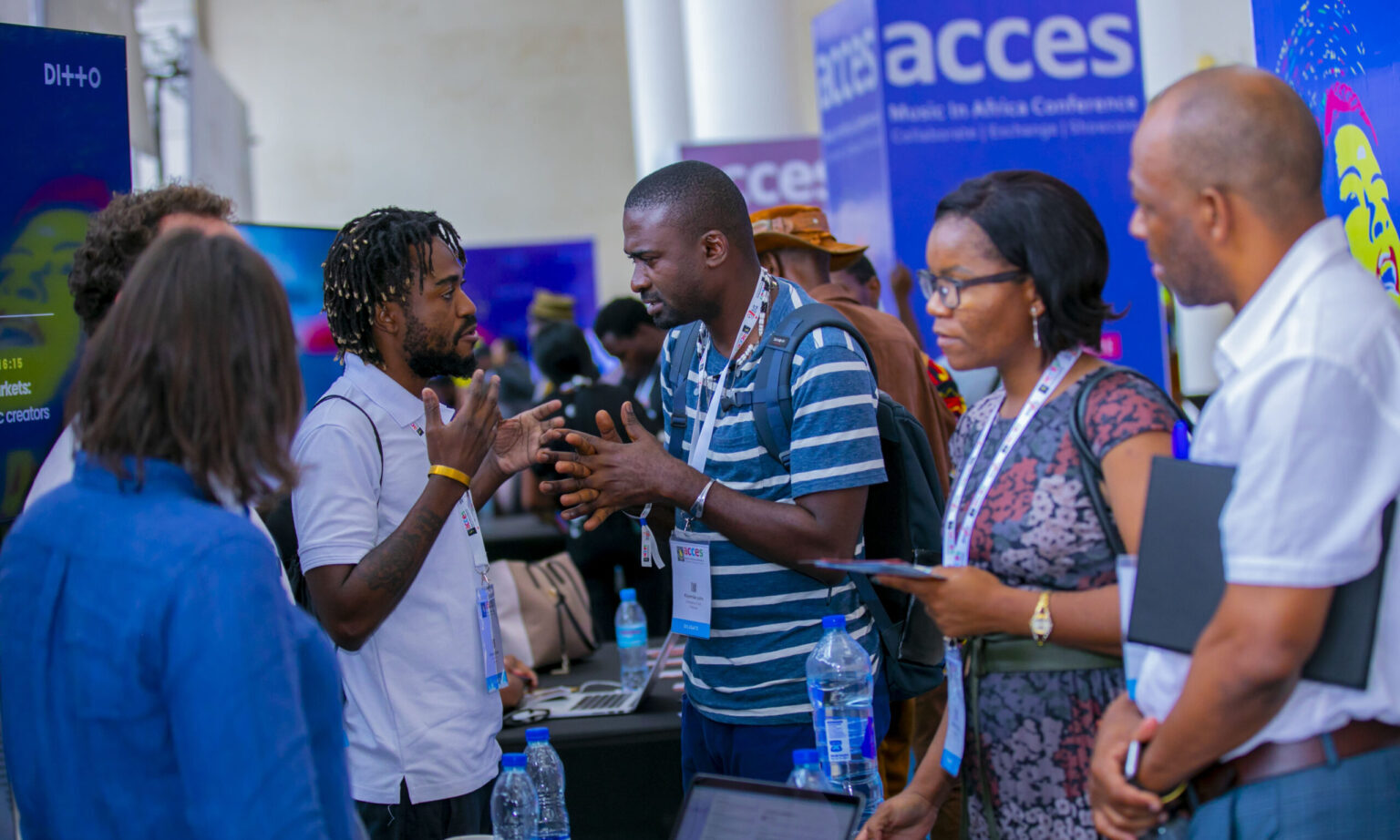
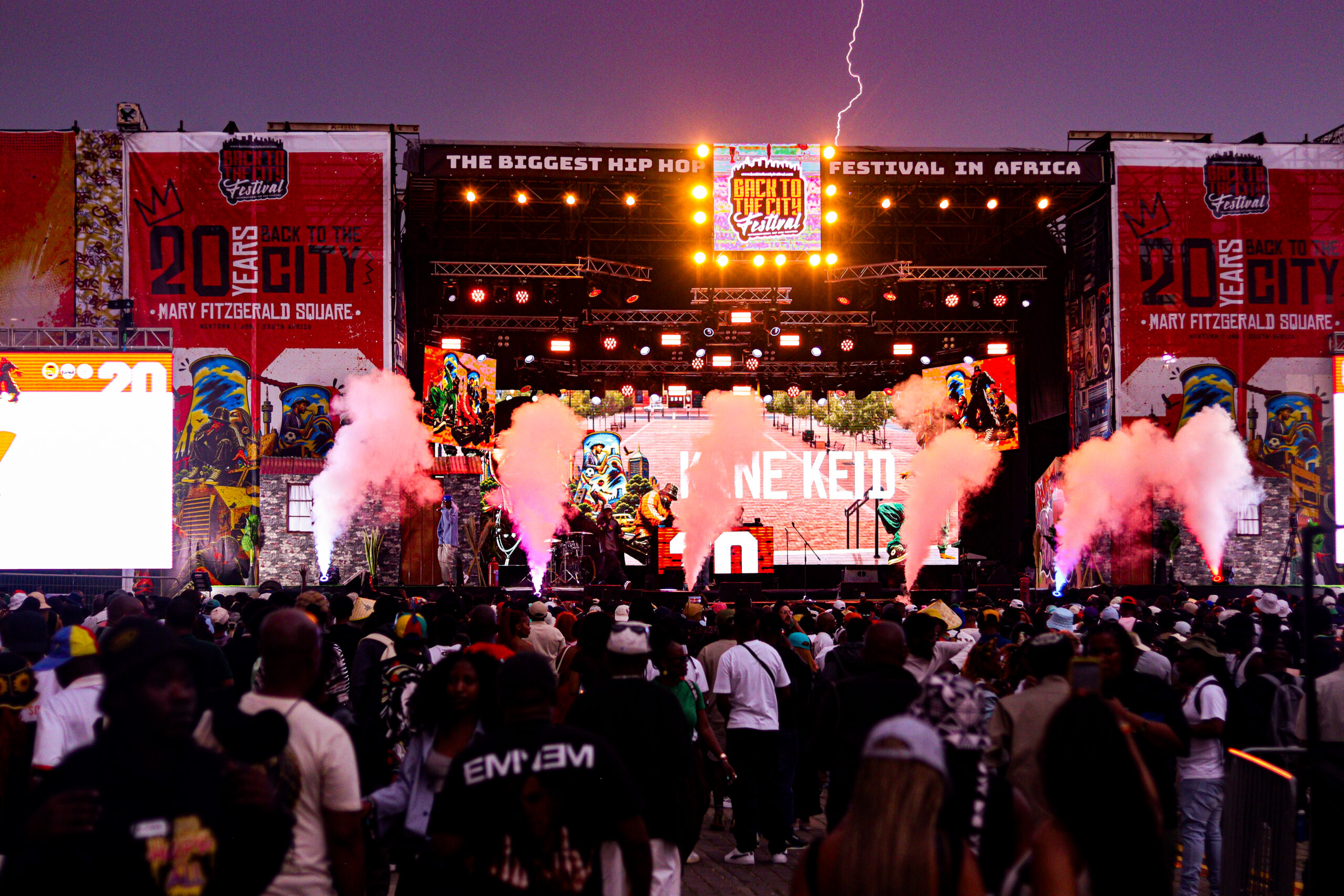
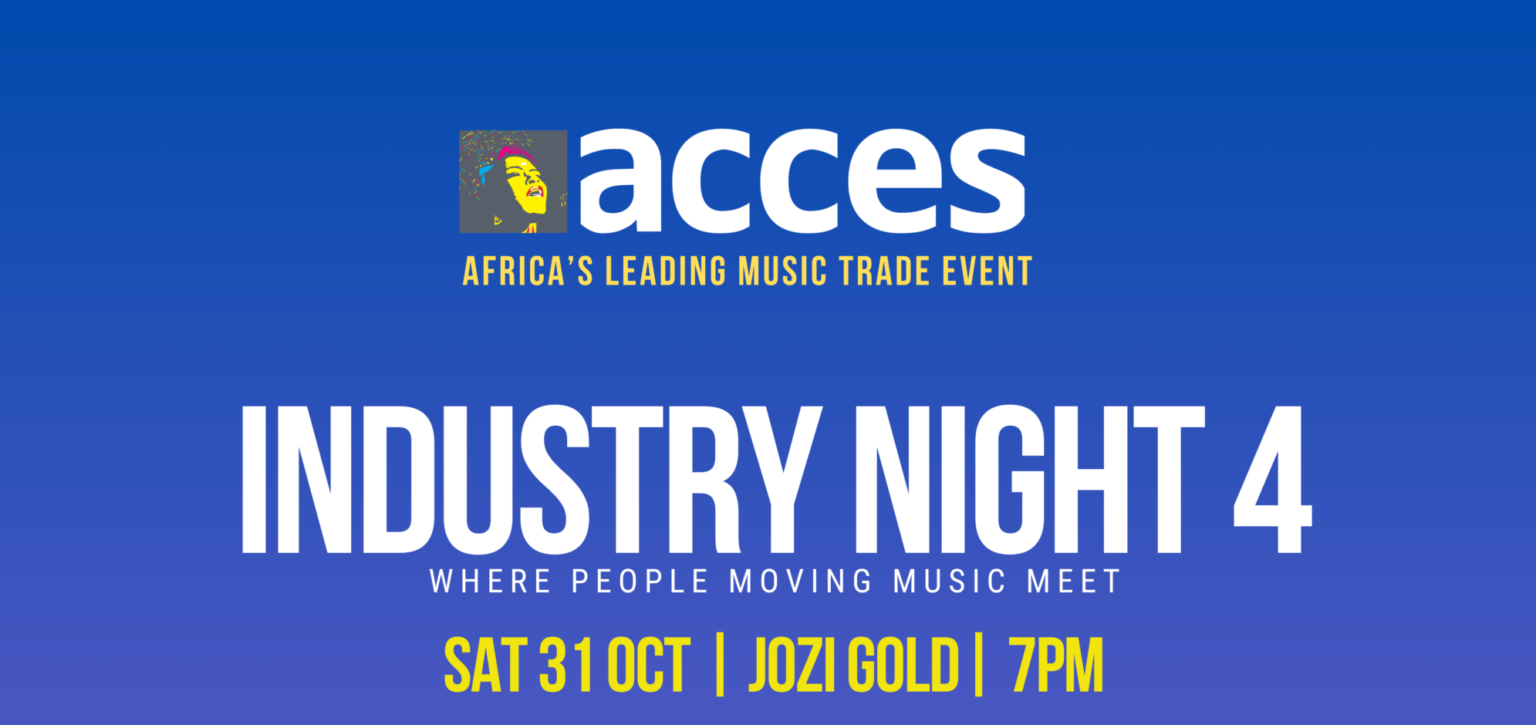
ACCES Conference and Showcase Festival is Africa's leading music industry gathering, bringing together the people shaping the future of the continent's music business. Artists, entrepreneurs, executives, investors, policymakers and cultural leaders from across Africa and around the world come to ACCES to build partnerships, exchange ideas, discover talent and create new business opportunities. Since its launch in 2017, ACCES has become the continent's premier platform for professional exchange and music market development. Combining a high-level conference with a curated showcase festival, networking, exhibitions and industry programmes, ACCES offers a unique space where creativity meets business and where African music connects with the global industry.

Gender@Work
Gender@Work

Music In Africa Gender @ Work is a three-year training programme aimed at upskilling and increasing the participation of female professionals in the African music sector. Launched by the Music In Africa Foundation (MIAF) in April 2019, the programme is connected to the MIAF’s ACCES music conference – a pan-African event held in a different African country every year. This connection enables the programme to reach new participants in a different African country every year. The programme marks the beginning of a more concerted effort by the Foundation to support the participation and inclusion of women in all facets of its programmes and the music sector in Africa as a whole. Over the three years, the programme will aim to address gender imbalances in the sector through training, lobbying, facilitating knowledge exchange and dialogues that foster the interest of women. The broader objectives of the programme are to: Provide industry training for women on critical music industry skills, focusing on: Stage management Electronic music production and recording Music business management Technical knowledge Provide an opportunity for both professional and aspiring women to benefit from the Music In Africa network and its broad range of activities in 2019, 2020 and 2021. Provide a solution-based platform in the form of a round table at ACCES with a view to identify challenges, discuss opportunities and lobby for the interests of female practitioners. Offer participants the opportunity to benefit from programmes offered by MIAF’s partners. Increase access to educational materials. Integrate participants in the broader ACCES programme to maximise experience and exposure to the industry. Record and present training materials on the www.musicinafrica.net, including but not limited to tutorials, templates and other best-practice materials. Communicate women-based themes that support the initiatives and messages of the programme. MAIN TRAINING ACTIVITIES Training in first country (Ghana): In the first year, participants will be trained on all aspects of stage management by a team of experienced stage managers from 10 to 17 November 2019. The programme will offer robust classroom training as well as practical, hands-on training in which participants will also be given the opportunity to manage various aspects of the ACCES performance programme. Training in second country: The second training iteration will take place at ACCES 2020 when the programme will diversify its course to include music production lessons and training on other music business topics. A round-table platform will also be introduced to coincide with the ACCES programme. Training in third country: The third training iteration will take place at ACCES 2021 in a different country, offering an advanced course. HOW DO YOU GET INVOLVED?  As a participant, facilitator or trainer: The programme enrolls up to 12 trainees every year. All opportunities are advertised publicly on this website, and will be added to this page. Please keep checking this page for new calls (below under UPDATES & CURRENT OPPORTUNITIES). As a partner Please contact Claire Metais at [email protected]. APPLY The call for applications for 2020 will be announced soon. The Music In Africa Gender @ Work programme is made possible with the support of the Prince Claus Fund, Siemens Stiftung and Goethe-Institut.

Sound Connects Fund
Sound Connects Fund

For cultural and creative practitioners and organisations operating in southern Africa, access to funding remains a major challenge. The COVID-19 pandemic has also had a massive impact on government policy, spending and the economy in general, and has seen spending on culture being moved further down the list of priorities. Further, the cultural and creative industries repeatedly cite four main areas where investment is needed for growth, which are increased visibility, mobility including access to new markets, finance and support structures.

Instrument Building And Repair Project

Experience the Vibrations African Instruments Exhibition online in 3D

banner image

5 questions à Ina Thiam, directrice de Urban Women Week

Home/Non classé/5 questions à Ina Thiam, directrice de Urban Women Week

Quel est le bilan de cette 6e Urban Woman Week ?

L’une des spécificités de cette 6e édition a été la présence de nombreux artistes étrangers. Leur venue a permis de multiplier les échanges avec les acteurs culturels locaux.

Nous avons reçu plus d’une dizaine d’artistes venant d’autres pays. Au moins quatre venants d’Angleterre, MC Tagz ; Floetic Lara ; Lex Amour ; Lola Dart. L’Allemagne était là grâce à Meli. Quant à MCM, elle représentait le Québec. Le public a pu aussi écouter la Belge Alt Dol. L’Afrique était également sur la scène du 6e UWW : Amy Yéréwolo, venue du Mali ainsi que des artistes mauritaniens et burkinabè ont donné un cachet panafricain à notre festival.

Depuis 4 ans, l’association Africulturban a un partenariat avec des artistes anglaises. Auparavant, ces femmes britanniques évoluant dans le hip-hop venaient au Sénégal pour le Festa 2H, cette 6e édition de l’UWW fut la première à accueillir ces chanteuses et poètes venues du Royaume-Uni.

Qu’est ce qui a changé depuis la première édition ?

L’un des principaux changements est la texture et la pertinence des ateliers organisés pendant l’UWW.

Je tiens à préciser qu’initialement, l’objectif principal de l’UWW n’était pas forcément les concerts. Notre but était la tenue d’ateliers, de conférences et de projections de films.

Ces activités permettant le renforcement de capacités pour toutes les actrices culturelles qui sont dans le hip-hop et les cultures urbaines.

Autre changement : le nombre de concerts 100% hip-hop féminin. Cette année, nous en avons eu 2 exclusivement féminins et 2 autres avec la participation d’artistes hip-hop masculins.

Pour que vous compreniez le changement, notez que depuis 5 ans au Sénégal, il n’y avait eu qu’un seul concert de hip-hop exclusivement féminin.

[video:https://www.youtube.com/watch?v=G_qK-_JxYFc width:850 height:480 autoplay:0]

Combien de projets ont été lancés ou améliorés depuis ?

Un nombre important mais difficile à estimer sans consulter les archives. Mais depuis la première édition, au moins 100 femmes ont participé aux ateliers, conférences, projections de films et prestations scéniques.

Quelques résultants : « Four Event » un projet de Maman Faye la présidente de We Management a vu le jour grâce à l’UWW.

Toutes les femmes de « Genji Hip-Hop » se sont rencontrées lors de l’UWW. Le projet ayant abouti à la création de la marque « Au féminin » est aussi né lors de l’UWW.

Il y a également des artistes que nous avons formés, c’est le cas de la danseuse Aida Camara. Son événement « Fé Festival » existait déjà, mais les 3 ans de présence d’Aida lors des ateliers de l’UWW lui ont permis de nouer des contacts. L’utilisation de ce réseautage a donné une dimension plus importante à ce festival de danse féminine qu’Aida organise.

7e UWW : quelles seront les innovations ?

Nous voulons qu’il y ait plus d’ateliers d’échanges sur des thèmes tels que : la communication, la prise de parole en public et l’estime de soi.

Quelle a été la plus grande difficulté rencontrée depuis le début de l’UWW ?

Dans le hip-hop sénégalais, on néglige les panels ! Il a fallu expliquer, communiquer, convaincre. Les personnes qui y ont finalement participé ont réalisé qu’elles ont beaucoup appris lors de ces rencontres.

Découvrir les expériences d’autres femmes permet d’avoir une ouverture importante, ce dont nous les femmes dans les cultures urbaines avons besoin.

[video:https://www.youtube.com/watch?v=MqO4P_JY1ow width:850 height:480 autoplay:0]

newsletter banner

Subscribe to our monthly Newsletter

Follow us on social media