























NEFCISA
NEFCISA

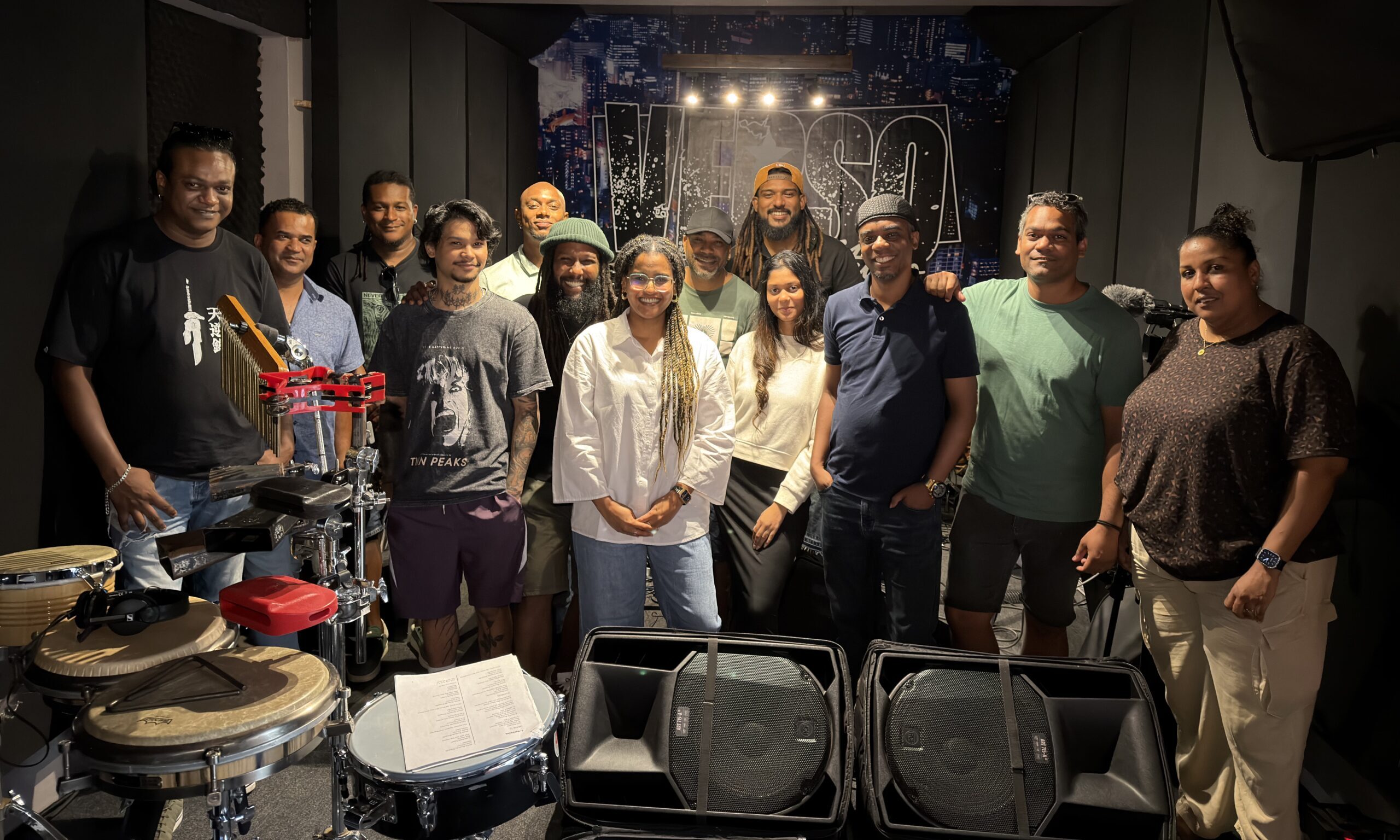
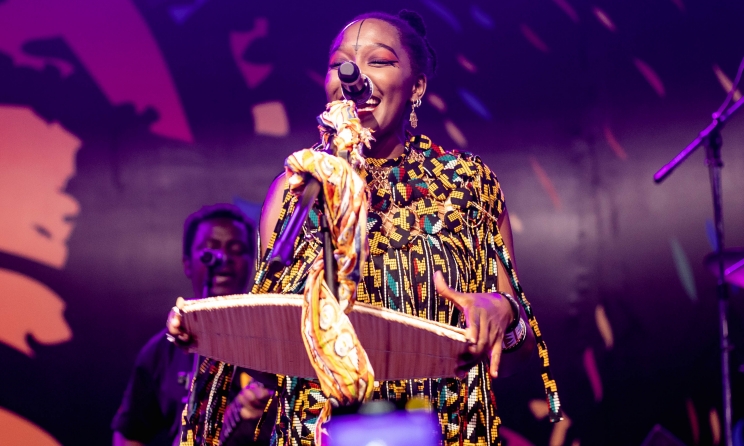
The Music In Africa Foundation (MIAF) is proud of its partnership with the Industrial Development Corporation (IDC) as a Strategic Implementing Partner (SIP) for its Social Employment Fund (SEF). Through this collaboration, MIAF is running a national programme that is creating jobs, addressing skills gaps, and strengthening South Africa's creative industries — in line with the SEF's overarching goal to generate work for the common good and build community value through employment, social contribution, and inclusive economic participation. Operating under the banner NEFCISA (National Employment Facility for Creative Industries in South Africa), the initiative is recruiting and training participants, matching them with host organisations, and has already placed 1 500 workers across the country — surpassing its original target of 1 000. NEFCISA is delivered through a network of 20 host organisations spanning five provinces, who are actively hosting participants and contributing to work for the common good across South Africa's creative and cultural industries. Key Objectives: Support employment and entrepreneurship in the creative industries. Offer skills development and training programmes. Foster partnerships between public and private creative sectors. Promote South African creativity at both provincial and national levels Foster community development through social contribution.

ACCES
ACCES

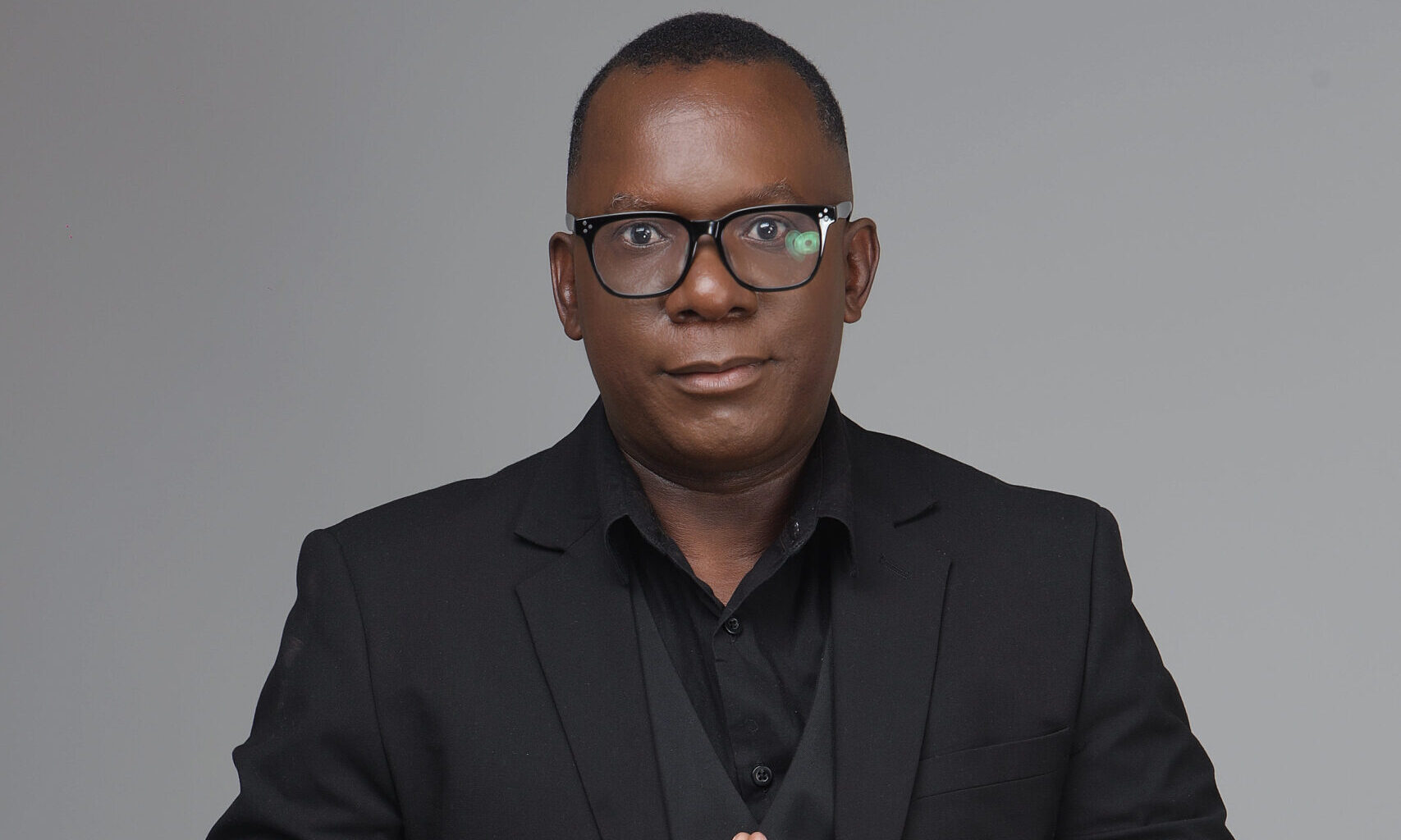
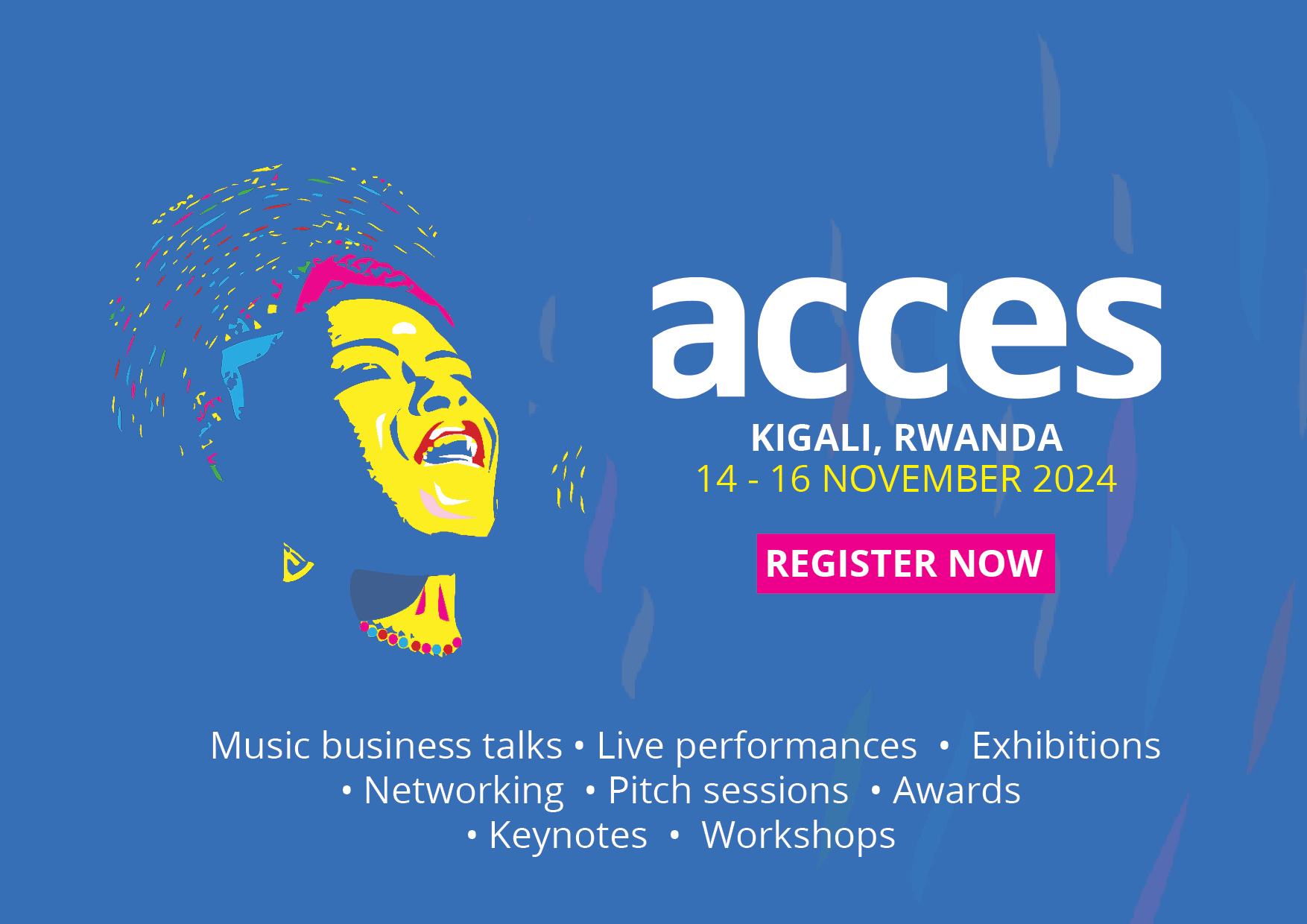
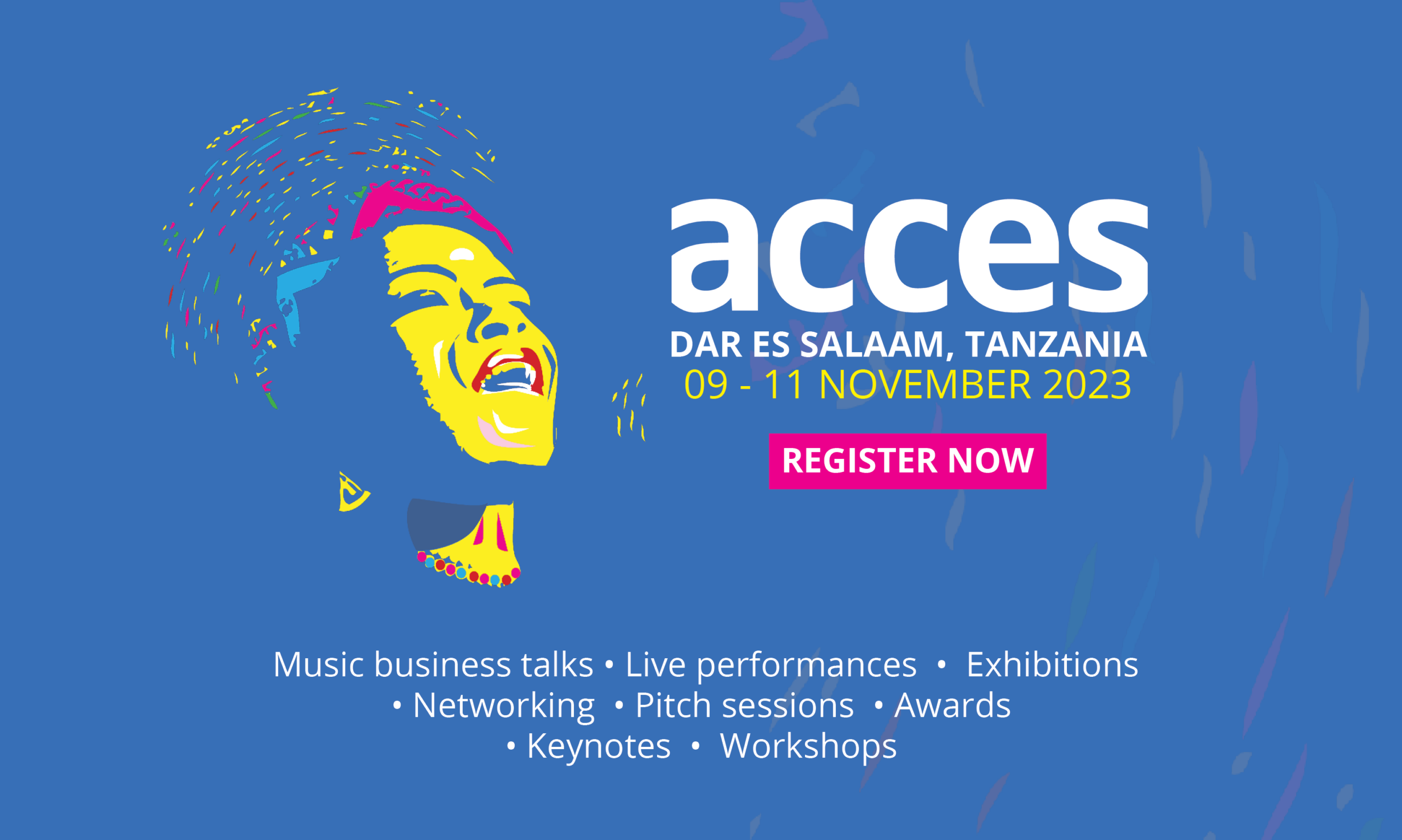
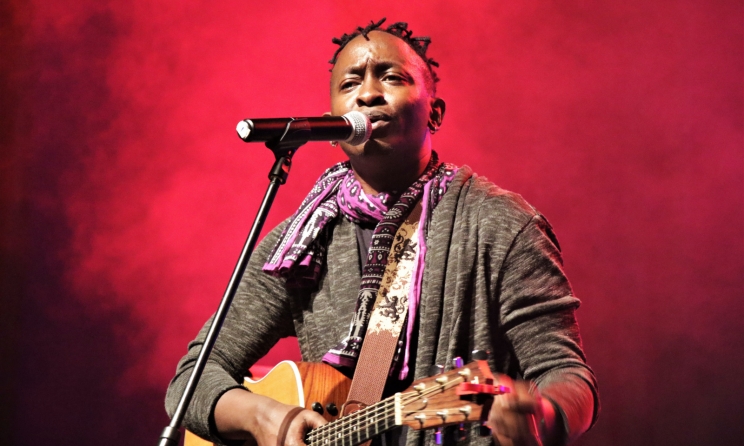
ACCES Conference and Showcase Festival is Africa's leading music industry gathering, bringing together the people shaping the future of the continent's music business. Artists, entrepreneurs, executives, investors, policymakers and cultural leaders from across Africa and around the world come to ACCES to build partnerships, exchange ideas, discover talent and create new business opportunities. Since its launch in 2017, ACCES has become the continent's premier platform for professional exchange and music market development. Combining a high-level conference with a curated showcase festival, networking, exhibitions and industry programmes, ACCES offers a unique space where creativity meets business and where African music connects with the global industry.

Gender@Work
Gender@Work

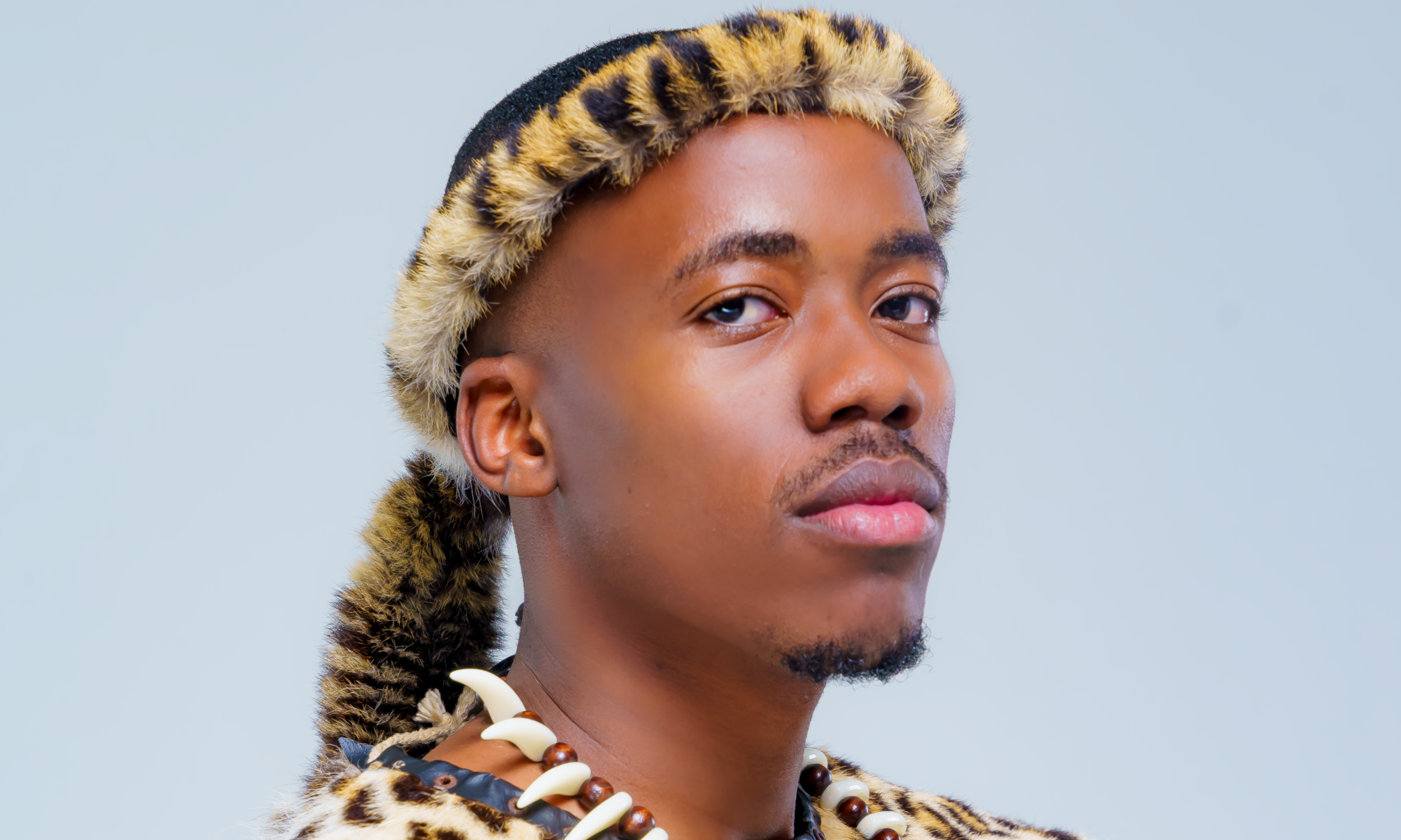
Music In Africa Gender @ Work is a three-year training programme aimed at upskilling and increasing the participation of female professionals in the African music sector. Launched by the Music In Africa Foundation (MIAF) in April 2019, the programme is connected to the MIAF’s ACCES music conference – a pan-African event held in a different African country every year. This connection enables the programme to reach new participants in a different African country every year. The programme marks the beginning of a more concerted effort by the Foundation to support the participation and inclusion of women in all facets of its programmes and the music sector in Africa as a whole. Over the three years, the programme will aim to address gender imbalances in the sector through training, lobbying, facilitating knowledge exchange and dialogues that foster the interest of women. The broader objectives of the programme are to: Provide industry training for women on critical music industry skills, focusing on: Stage management Electronic music production and recording Music business management Technical knowledge Provide an opportunity for both professional and aspiring women to benefit from the Music In Africa network and its broad range of activities in 2019, 2020 and 2021. Provide a solution-based platform in the form of a round table at ACCES with a view to identify challenges, discuss opportunities and lobby for the interests of female practitioners. Offer participants the opportunity to benefit from programmes offered by MIAF’s partners. Increase access to educational materials. Integrate participants in the broader ACCES programme to maximise experience and exposure to the industry. Record and present training materials on the www.musicinafrica.net, including but not limited to tutorials, templates and other best-practice materials. Communicate women-based themes that support the initiatives and messages of the programme. MAIN TRAINING ACTIVITIES Training in first country (Ghana): In the first year, participants will be trained on all aspects of stage management by a team of experienced stage managers from 10 to 17 November 2019. The programme will offer robust classroom training as well as practical, hands-on training in which participants will also be given the opportunity to manage various aspects of the ACCES performance programme. Training in second country: The second training iteration will take place at ACCES 2020 when the programme will diversify its course to include music production lessons and training on other music business topics. A round-table platform will also be introduced to coincide with the ACCES programme. Training in third country: The third training iteration will take place at ACCES 2021 in a different country, offering an advanced course. HOW DO YOU GET INVOLVED?  As a participant, facilitator or trainer: The programme enrolls up to 12 trainees every year. All opportunities are advertised publicly on this website, and will be added to this page. Please keep checking this page for new calls (below under UPDATES & CURRENT OPPORTUNITIES). As a partner Please contact Claire Metais at [email protected]. APPLY The call for applications for 2020 will be announced soon. The Music In Africa Gender @ Work programme is made possible with the support of the Prince Claus Fund, Siemens Stiftung and Goethe-Institut.

Sound Connects Fund
Sound Connects Fund

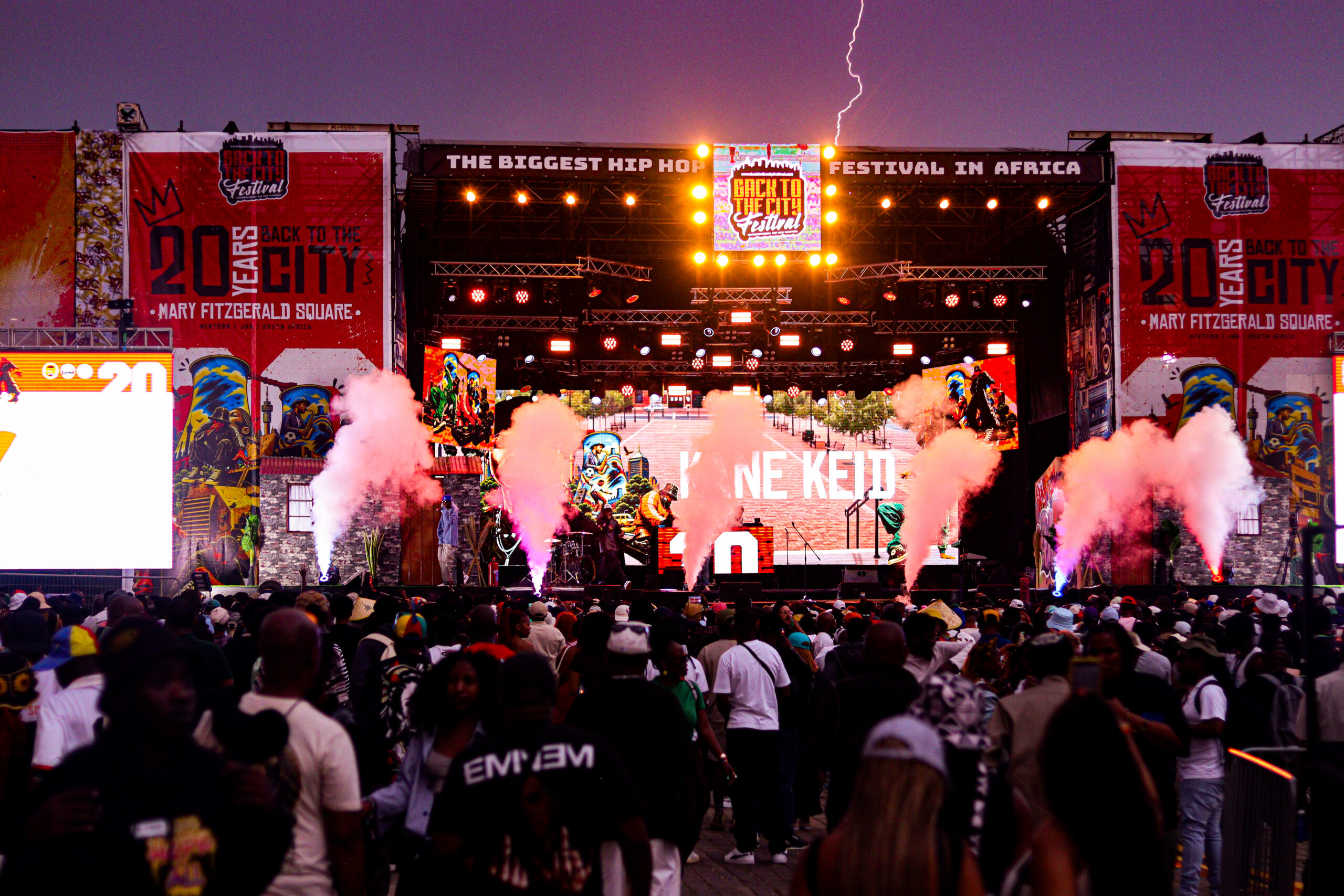
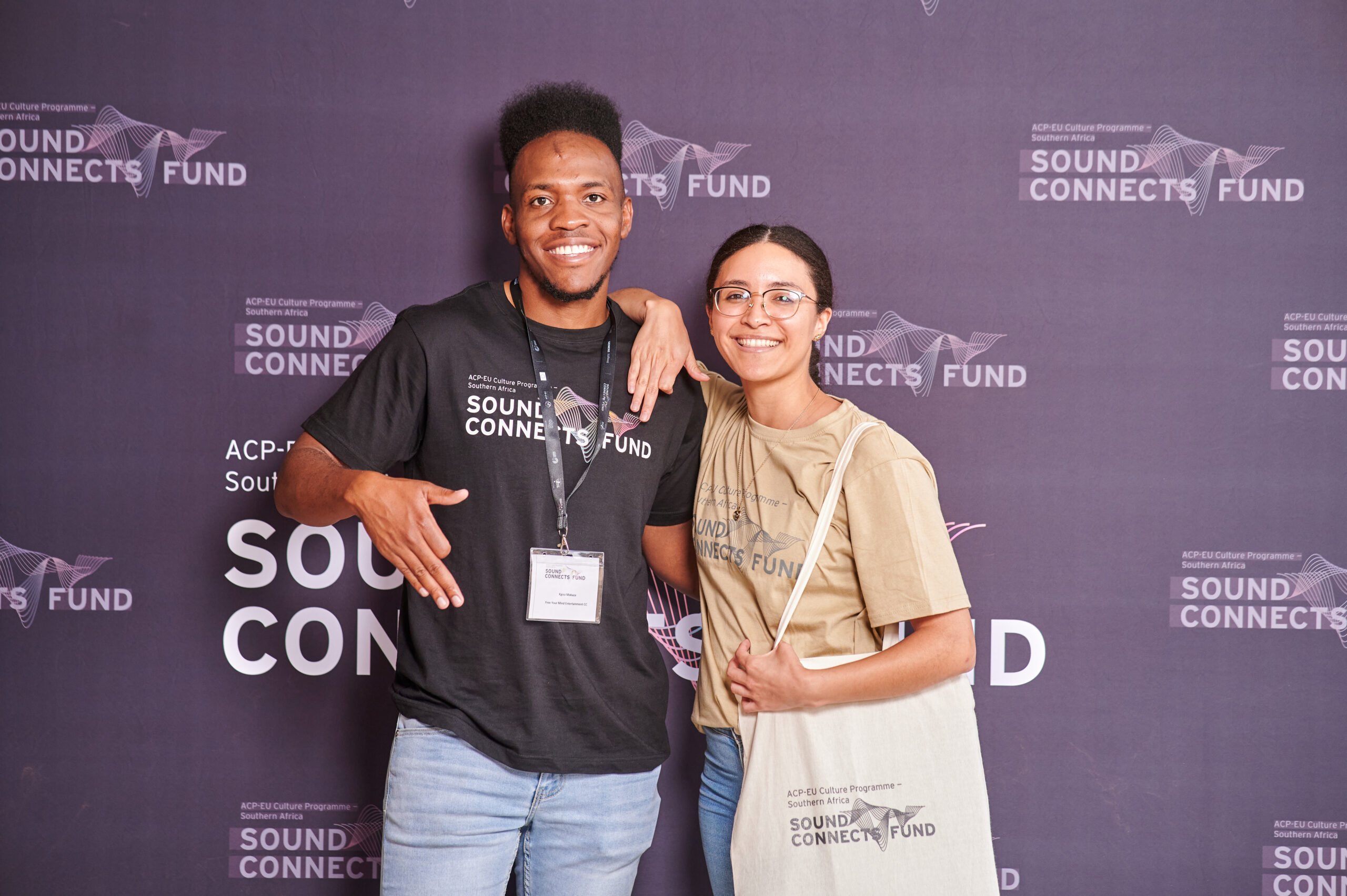
For cultural and creative practitioners and organisations operating in southern Africa, access to funding remains a major challenge. The COVID-19 pandemic has also had a massive impact on government policy, spending and the economy in general, and has seen spending on culture being moved further down the list of priorities. Further, the cultural and creative industries repeatedly cite four main areas where investment is needed for growth, which are increased visibility, mobility including access to new markets, finance and support structures.

Instrument Building And Repair Project

Experience the Vibrations African Instruments Exhibition online in 3D

banner image

Mansour Seck, l'art de l'amitié et de la musique

Home/Non classé/Mansour Seck, l’art de l’amitié et de la musique

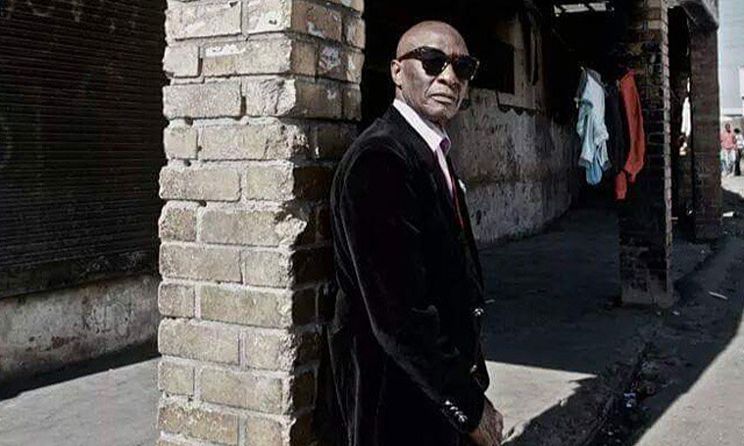
Mansour Seck nous a quittés hier 29 mai 2024, il avait 69 ans. Mansour était davantage qu’un musicien exceptionnel ; il était une présence enchanteresse, porteur de mélodies captivantes et d’une bonhomie rayonnante. Sa simplicité, sa gentillesse, sa bienveillance et sa bonne humeur étaient sa marque de fabrique. Mansour incarnait la chaleur humaine, l’amitié sincère et la facilité de vivre. Son attitude positive et accueillante envers tous, combinée à son parcours international et à ses performances sur les plus grandes scènes mondiales, témoignait de son humilité remarquable.

Son parcours est intimement lié à celui de son ami et frère de cœur, Baaba Maal. Ensemble, ils ont fondé le groupe Dande Leñol, faisant résonner les sonorités peules bien au-delà des frontières du Sénégal. Discret et humble, Mansour a toujours été l’allié fidèle de Baaba Maal, souvent dans l’ombre mais jouant un rôle crucial dans leur succès commun. 

Ancré dans la riche tradition hal pulaar, Mansour a mené une carrière marquée par une simplicité et une humilité rares. Sa profonde connaissance de la musique traditionnelle, enrichie de son propre style, a donné naissance à des compositions intemporelles qui continuent de toucher les cœurs de tous ceux qui les écoutent. Ses mélodies, souvent imprégnées de nostalgie et de profondeur, racontent l’histoire de son peuple et de son terroir, évoquant les vastes plaines et les rives du fleuve Sénégal.

Mansour était le gardien de l’histoire de Baaba Maal, depuis leurs débuts à Podor jusqu’à leurs études en France, et leurs premières collaborations avec El Hadj Ndiaye. Leur voyage les a menés à signer avec Mango/Island Records sous la direction de Chris Blackwell, le producteur légendaire qui a révélé Bob Marley au monde. À chaque étape de cette incroyable aventure, Mansour était présent, témoin discret mais essentiel. Il était l’âme paisible qui équilibriait la fougue créative de Baaba Maal, apportant une stabilité et une profondeur inestimables à leur partenariat artistique.

En dehors de la scène, Mansour était un homme de valeurs. Ceux qui ont eu la chance de le connaître témoignent de sa générosité, de son sens de l’écoute et de sa sagesse. Il savait puiser dans les traditions pour transmettre des leçons de vie, que ce soit à travers une simple conversation ou par le biais de ses chansons. Il avait cette capacité à toucher les gens profondément, à travers des mots et des mélodies soigneusement choisis, reflétant une vie dédiée à l’art et à l’amitié.

Mansour aimait les mots ; converser avec lui était une invitation à découvrir des termes rares et précieux. Élève brillant à l’école, sa passion pour les mots ne l’a jamais quitté. Lors d’une interview en 2021, pendant le festival du blues du fleuve, il m’avait confié cette passion qui illuminait son visage lorsqu’il parlait de son amour pour l’éducation et la langue.

Avec le départ de Mansour, c’est une partie de cette histoire musicale extraordinaire qui s’éteint. Qui désormais pourra raconter avec autant de justesse les débuts de Baaba Maal, ces moments où le blues peul se mêlait aux mélodies du fleuve Sénégal? Son absence laisse un vide, mais son héritage perdurera à travers les enregistrements, les souvenirs partagés et l’influence qu’il a laissée sur tant d’artistes et de fans.

Mansour Seck laisse un héritage musical inestimable et des souvenirs impérissables. Son influence continue de résonner à travers les générations d’artistes et les auditeurs du monde entier. Sa musique, imprégnée de culture et de tradition, demeure une source d’inspiration et de réconfort pour beaucoup.

Ses mélodies et ses paroles continueront à vivre dans nos cœurs, nous rappelant la beauté de l’amitié et la richesse de la musique qu’il a partagées avec tant de générosité. Son parcours servira d’exemple à tous ceux qui croient en la puissance de l’art et de la fraternité. Ses contributions ne seront jamais oubliées, et son esprit vivra à travers chaque note et chaque mot qu’il a offerts au monde, comme dans Djam Leelii avec Baaba Maal sorti en 1989 et inscrit dans la prestigieuse liste des 1001 albums à écouter avant de mourir établie par l’ouvrage de référence américain sur la musique, dirigé par Robert Dimery et publié en 2006.

[video:https://www.youtube.com/watch?v=gl5WF-TZvVY&list=RDEM7uiDjf6Wi7a9zNdguNKIPQ&start_radio=1 width:853 height:480 autoplay:0]
newsletter banner

Subscribe to our monthly Newsletter

Follow us on social media