





































NEFCISA
NEFCISA

The Music In Africa Foundation (MIAF) is proud of its partnership with the Industrial Development Corporation (IDC) as a Strategic Implementing Partner (SIP) for its Social Employment Fund (SEF). Through this collaboration, MIAF is running a national programme that is creating jobs, addressing skills gaps, and strengthening South Africa's creative industries — in line with the SEF's overarching goal to generate work for the common good and build community value through employment, social contribution, and inclusive economic participation. Operating under the banner NEFCISA (National Employment Facility for Creative Industries in South Africa), the initiative is recruiting and training participants, matching them with host organisations, and has already placed 1 500 workers across the country — surpassing its original target of 1 000. NEFCISA is delivered through a network of 20 host organisations spanning five provinces, who are actively hosting participants and contributing to work for the common good across South Africa's creative and cultural industries. Key Objectives: Support employment and entrepreneurship in the creative industries. Offer skills development and training programmes. Foster partnerships between public and private creative sectors. Promote South African creativity at both provincial and national levels Foster community development through social contribution.

ACCES
ACCES

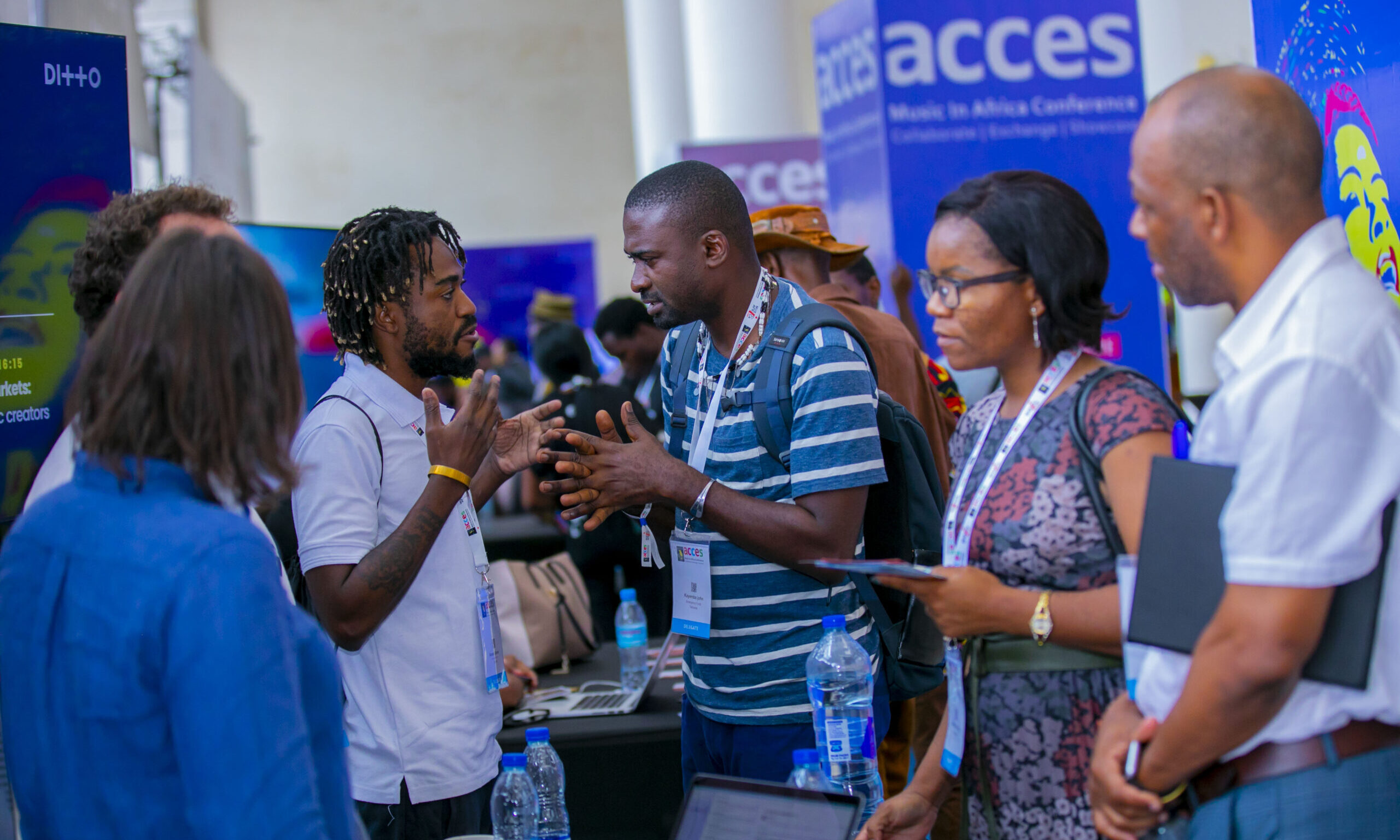
ACCES Conference and Showcase Festival is Africa's leading music industry gathering, bringing together the people shaping the future of the continent's music business. Artists, entrepreneurs, executives, investors, policymakers and cultural leaders from across Africa and around the world come to ACCES to build partnerships, exchange ideas, discover talent and create new business opportunities. Since its launch in 2017, ACCES has become the continent's premier platform for professional exchange and music market development. Combining a high-level conference with a curated showcase festival, networking, exhibitions and industry programmes, ACCES offers a unique space where creativity meets business and where African music connects with the global industry.

Gender@Work
Gender@Work

Music In Africa Gender @ Work is a three-year training programme aimed at upskilling and increasing the participation of female professionals in the African music sector. Launched by the Music In Africa Foundation (MIAF) in April 2019, the programme is connected to the MIAF’s ACCES music conference – a pan-African event held in a different African country every year. This connection enables the programme to reach new participants in a different African country every year. The programme marks the beginning of a more concerted effort by the Foundation to support the participation and inclusion of women in all facets of its programmes and the music sector in Africa as a whole. Over the three years, the programme will aim to address gender imbalances in the sector through training, lobbying, facilitating knowledge exchange and dialogues that foster the interest of women. The broader objectives of the programme are to: Provide industry training for women on critical music industry skills, focusing on: Stage management Electronic music production and recording Music business management Technical knowledge Provide an opportunity for both professional and aspiring women to benefit from the Music In Africa network and its broad range of activities in 2019, 2020 and 2021. Provide a solution-based platform in the form of a round table at ACCES with a view to identify challenges, discuss opportunities and lobby for the interests of female practitioners. Offer participants the opportunity to benefit from programmes offered by MIAF’s partners. Increase access to educational materials. Integrate participants in the broader ACCES programme to maximise experience and exposure to the industry. Record and present training materials on the www.musicinafrica.net, including but not limited to tutorials, templates and other best-practice materials. Communicate women-based themes that support the initiatives and messages of the programme. MAIN TRAINING ACTIVITIES Training in first country (Ghana): In the first year, participants will be trained on all aspects of stage management by a team of experienced stage managers from 10 to 17 November 2019. The programme will offer robust classroom training as well as practical, hands-on training in which participants will also be given the opportunity to manage various aspects of the ACCES performance programme. Training in second country: The second training iteration will take place at ACCES 2020 when the programme will diversify its course to include music production lessons and training on other music business topics. A round-table platform will also be introduced to coincide with the ACCES programme. Training in third country: The third training iteration will take place at ACCES 2021 in a different country, offering an advanced course. HOW DO YOU GET INVOLVED?  As a participant, facilitator or trainer: The programme enrolls up to 12 trainees every year. All opportunities are advertised publicly on this website, and will be added to this page. Please keep checking this page for new calls (below under UPDATES & CURRENT OPPORTUNITIES). As a partner Please contact Claire Metais at [email protected]. APPLY The call for applications for 2020 will be announced soon. The Music In Africa Gender @ Work programme is made possible with the support of the Prince Claus Fund, Siemens Stiftung and Goethe-Institut.

Sound Connects Fund
Sound Connects Fund

For cultural and creative practitioners and organisations operating in southern Africa, access to funding remains a major challenge. The COVID-19 pandemic has also had a massive impact on government policy, spending and the economy in general, and has seen spending on culture being moved further down the list of priorities. Further, the cultural and creative industries repeatedly cite four main areas where investment is needed for growth, which are increased visibility, mobility including access to new markets, finance and support structures.

Instrument Building And Repair Project

Experience the Vibrations African Instruments Exhibition online in 3D

Features

Op-ed: Five industry lessons from Spotify’s EQUAL Sessions
01 Apr 2025 - 14:35

cc-img flag-img

By Spotify

Spotify’s EQUAL Africa initiative recently hosted an engaging event, bringing together women from across the music industry for two days of insightful discussions, workshops, and networking.
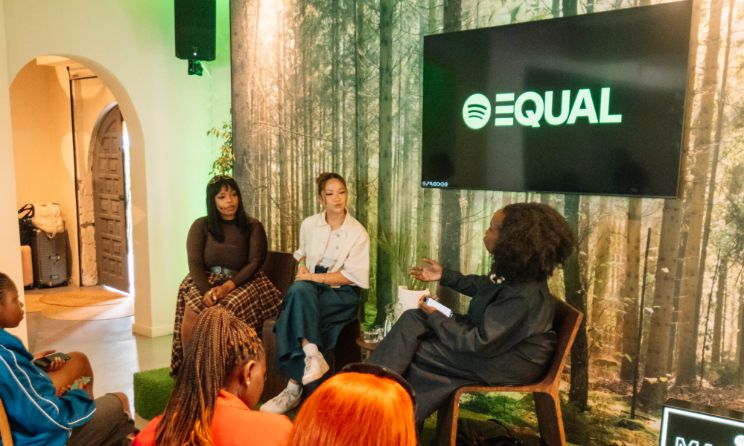
Spotify’s EQUAL Sessions.

With African women reshaping the music landscape, the event’s mission was clear: equip these forces with the real-world tools to not just survive, but dominate. Here are five hard-earned truths, straight from the source, that every woman in the music industry needs to know:

Everyone can be your mentor

A traditional approach to mentorship will always have a place in the growth matrix, but Jackie Queens, the co-chapter director of SheSaid.So South Africa said to occasionally forgo the former and embrace the power of ‘reverse mentorship’. This entails looking toward those around you for guidance. Your peers are navigating the industry alongside you, mastering skills you might be overlooking, and younger creatives are tapped into the freshest sounds, trends, and looks.

Connecting across generations and skill sets is a reciprocal exchange that fuels everyone's growth, resulting in a stronger, more creatively defying output that moves the needle.

Understand that ‘community’ isn't a buzzword – it’s a lifeline

Phiona Okumu, head of music, Spotify Africa, alongside industry heavyweights Annie Hwang, A&R and Management, and Shekhinah, emphasised that an artist's journey is intertwined with the collective. Being an active participant in the music ecosystem means engaging in the conversations that shape the industry, supporting emerging talent, and recognising the power you have to influence what’s next. Seek out platforms and initiatives like EQUAL Africa that champion women, actively engage with your fans and peers, and implement, where applicable, the tools and tips that are shared.

Master the brilliant basics of music

Having a firm grasp of the fundamentals of music publishing is essential. From composition and mastering to copyright and royalty structures, Tumi Mogapi, head of publishing at Africori, encouraged artists to learn it all to some degree. Every step in the process is intricately intertwined, and ignoring them is like building a mansion on beach sand. Arm yourself with this knowledge, as it's the key to navigating deals, protecting your creations, and ensuring you get paid what you’re worth.

Embracing the seasons of creation

Linda Ayoola, global head of music at Platoon, stressed the importance of self-recognition. Don't wait for someone else to hand you the accolades – when it’s due, acknowledge your hustle, your talent, and your impact. She also asserted the power of finding your voice and using it. Speak with conviction, share your insights, and don't be afraid to take up space - your unique perspective is what the industry needs to hear.

Supporting this was South African composer and singer Msaki, who peeled back the layers of the creative process, reminding us that it's not always a linear climb. When navigating the often-turbulent waters of the music value chain, remember you are an artist first and a key element of the music business. Collaboration can be magic, but never lose sight of your authenticity. Remember to respect your process, set boundaries to protect yourself, and fiercely advocate for your worth. And when the creative well feels a little dry? Don't panic. Understand that creativity has its ebbs and flows, so take the time to keep writing, keep experimenting, and above all, be kind to yourself during those quieter periods.

Build (yourself) beyond the stage

Bianca Naidoo, the powerhouse behind Cotton Fest, encouraged artists to think beyond the immediate spotlight and think bigger. What’s the ripple effect of your work?

How can you contribute to positive change within the industry and beyond? Building a legacy is about the impact you have, the doors you open, and the inspiration you leave behind. In order to do this well, artists need to build a support system to lean on, cultivate environments where psychological safety is readily available and actively practice self-care. DemiMa echoed this by offering practical tools to thrive in high-pressure environments, such as breathwork for grounding, chakra meditation for emotional balance, chair yoga for desk-based well-being, and acupressure for immediate relief.

These aren’t just nice-to-knows, they’re the battle-tested strategies shared by women who are actively shaping the future of music. Spotify's EQUAL Africa was a call to action, encouraging women to level up and build the music industry we all deserve.

Please log in to post a comment.

Most popular

Disclaimer: Music In Africa provides a platform for musicians and contributors to embed music and videos solely for promotional purposes. If any track or video embedded on this platform violates any copyrights please inform us immediately and we will take it down. Please read our Terms of Use for more.

newsletter banner

Subscribe to our monthly Newsletter

Follow us on social media