






































NEFCISA
NEFCISA

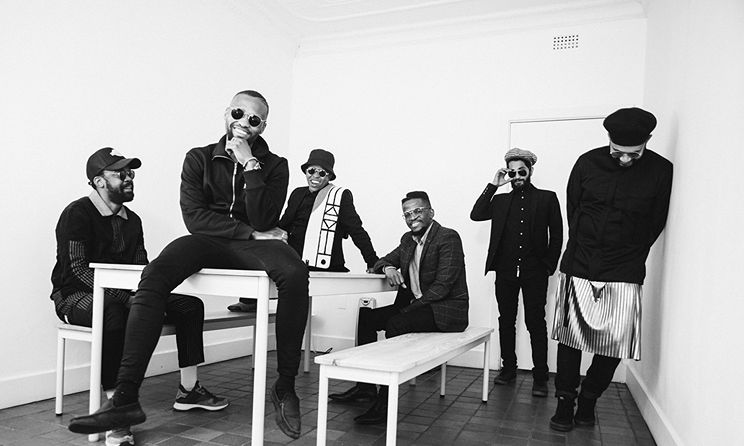
The Music In Africa Foundation (MIAF) is proud of its partnership with the Industrial Development Corporation (IDC) as a Strategic Implementing Partner (SIP) for its Social Employment Fund (SEF). Through this collaboration, MIAF is running a national programme that is creating jobs, addressing skills gaps, and strengthening South Africa's creative industries — in line with the SEF's overarching goal to generate work for the common good and build community value through employment, social contribution, and inclusive economic participation. Operating under the banner NEFCISA (National Employment Facility for Creative Industries in South Africa), the initiative is recruiting and training participants, matching them with host organisations, and has already placed 1 500 workers across the country — surpassing its original target of 1 000. NEFCISA is delivered through a network of 20 host organisations spanning five provinces, who are actively hosting participants and contributing to work for the common good across South Africa's creative and cultural industries. Key Objectives: Support employment and entrepreneurship in the creative industries. Offer skills development and training programmes. Foster partnerships between public and private creative sectors. Promote South African creativity at both provincial and national levels Foster community development through social contribution.

ACCES
ACCES

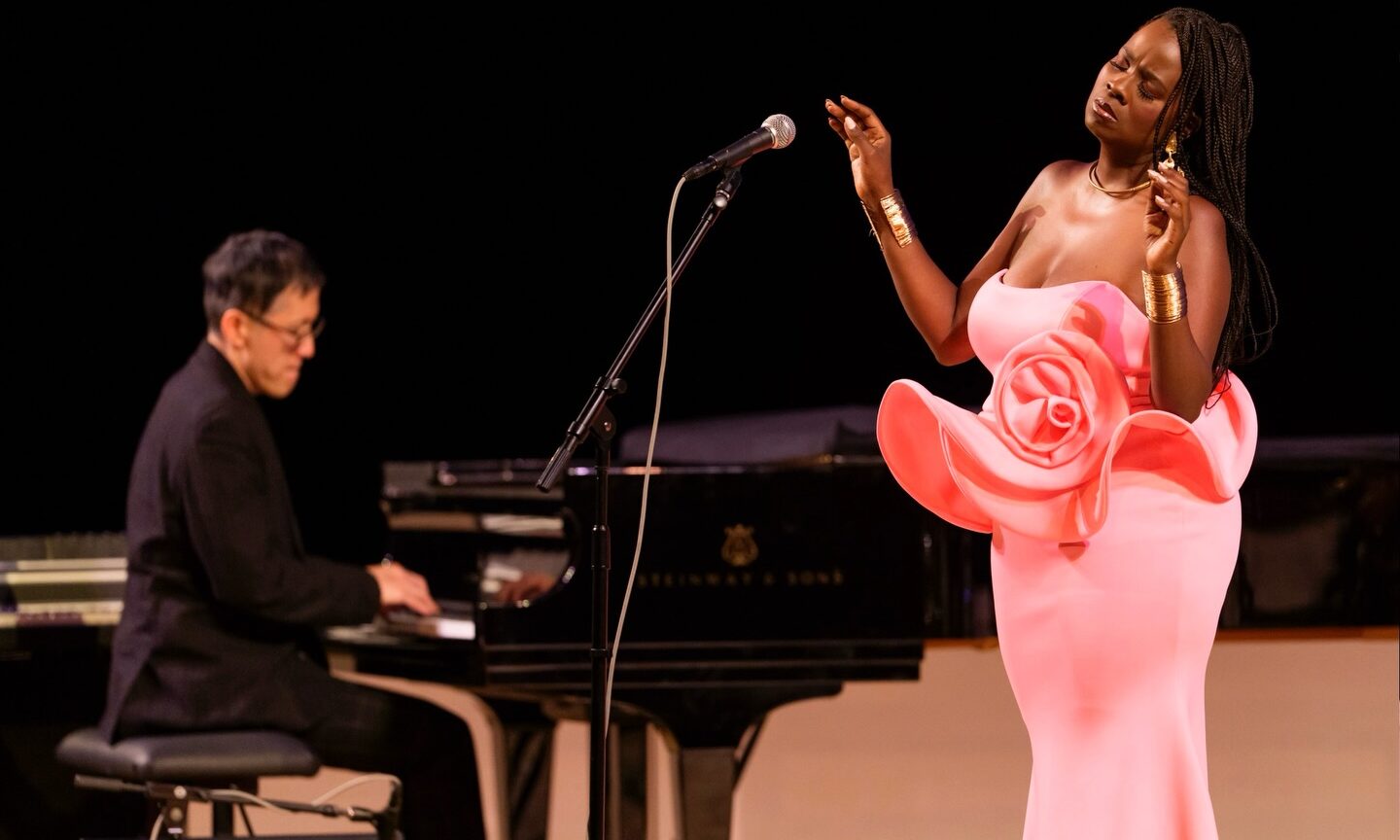
ACCES Conference and Showcase Festival is Africa's leading music industry gathering, bringing together the people shaping the future of the continent's music business. Artists, entrepreneurs, executives, investors, policymakers and cultural leaders from across Africa and around the world come to ACCES to build partnerships, exchange ideas, discover talent and create new business opportunities. Since its launch in 2017, ACCES has become the continent's premier platform for professional exchange and music market development. Combining a high-level conference with a curated showcase festival, networking, exhibitions and industry programmes, ACCES offers a unique space where creativity meets business and where African music connects with the global industry.

Gender@Work
Gender@Work

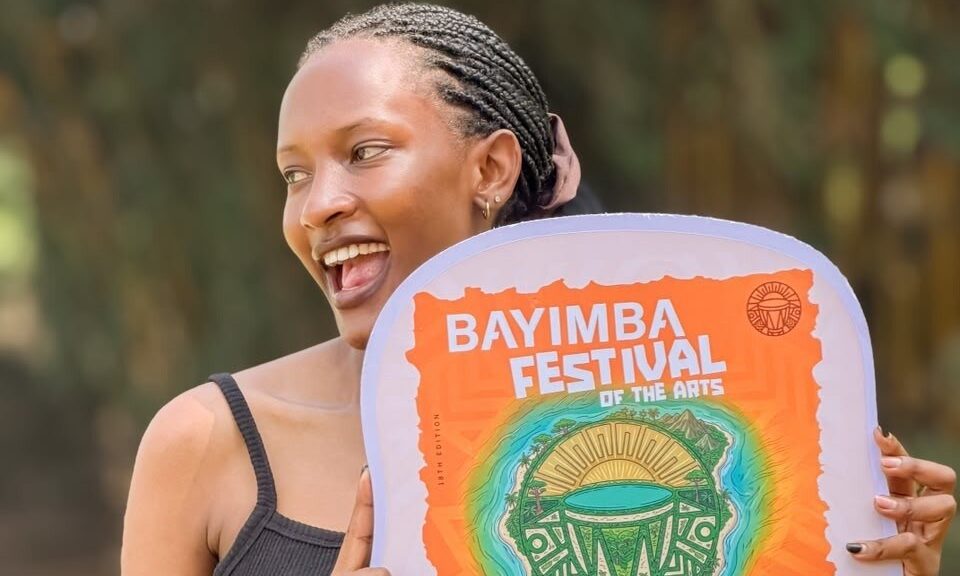
Music In Africa Gender @ Work is a three-year training programme aimed at upskilling and increasing the participation of female professionals in the African music sector. Launched by the Music In Africa Foundation (MIAF) in April 2019, the programme is connected to the MIAF’s ACCES music conference – a pan-African event held in a different African country every year. This connection enables the programme to reach new participants in a different African country every year. The programme marks the beginning of a more concerted effort by the Foundation to support the participation and inclusion of women in all facets of its programmes and the music sector in Africa as a whole. Over the three years, the programme will aim to address gender imbalances in the sector through training, lobbying, facilitating knowledge exchange and dialogues that foster the interest of women. The broader objectives of the programme are to: Provide industry training for women on critical music industry skills, focusing on: Stage management Electronic music production and recording Music business management Technical knowledge Provide an opportunity for both professional and aspiring women to benefit from the Music In Africa network and its broad range of activities in 2019, 2020 and 2021. Provide a solution-based platform in the form of a round table at ACCES with a view to identify challenges, discuss opportunities and lobby for the interests of female practitioners. Offer participants the opportunity to benefit from programmes offered by MIAF’s partners. Increase access to educational materials. Integrate participants in the broader ACCES programme to maximise experience and exposure to the industry. Record and present training materials on the www.musicinafrica.net, including but not limited to tutorials, templates and other best-practice materials. Communicate women-based themes that support the initiatives and messages of the programme. MAIN TRAINING ACTIVITIES Training in first country (Ghana): In the first year, participants will be trained on all aspects of stage management by a team of experienced stage managers from 10 to 17 November 2019. The programme will offer robust classroom training as well as practical, hands-on training in which participants will also be given the opportunity to manage various aspects of the ACCES performance programme. Training in second country: The second training iteration will take place at ACCES 2020 when the programme will diversify its course to include music production lessons and training on other music business topics. A round-table platform will also be introduced to coincide with the ACCES programme. Training in third country: The third training iteration will take place at ACCES 2021 in a different country, offering an advanced course. HOW DO YOU GET INVOLVED?  As a participant, facilitator or trainer: The programme enrolls up to 12 trainees every year. All opportunities are advertised publicly on this website, and will be added to this page. Please keep checking this page for new calls (below under UPDATES & CURRENT OPPORTUNITIES). As a partner Please contact Claire Metais at [email protected]. APPLY The call for applications for 2020 will be announced soon. The Music In Africa Gender @ Work programme is made possible with the support of the Prince Claus Fund, Siemens Stiftung and Goethe-Institut.

Sound Connects Fund
Sound Connects Fund

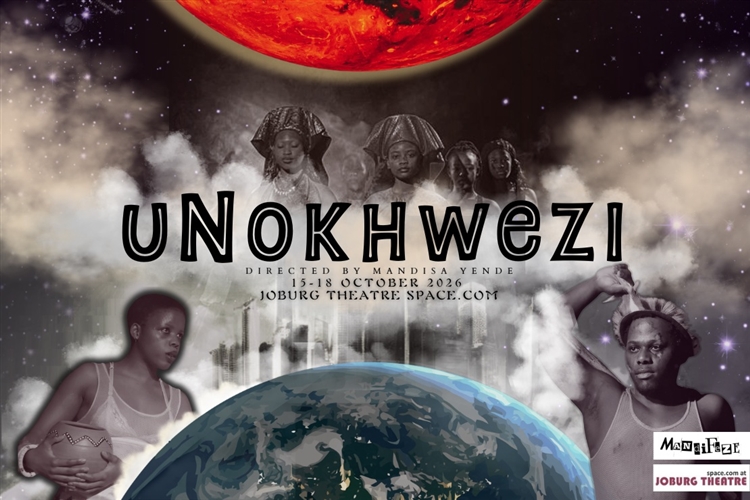
For cultural and creative practitioners and organisations operating in southern Africa, access to funding remains a major challenge. The COVID-19 pandemic has also had a massive impact on government policy, spending and the economy in general, and has seen spending on culture being moved further down the list of priorities. Further, the cultural and creative industries repeatedly cite four main areas where investment is needed for growth, which are increased visibility, mobility including access to new markets, finance and support structures.

Instrument Building And Repair Project

Experience the Vibrations African Instruments Exhibition online in 3D

banner image

Nix ou rien !

Home/Non classé/Nix ou rien !

Nix a toujours été en marge du rap sénégalais. Premièrement, à cause du Français qu’il a longtemps utilisé pour rapper. Deuxièmement, issu des quartiers aisés de Dakar, il semblait être là, juste pour l’amour des mots, pour la beauté du geste, si je puis dire, tandis que l’écrasante majorité paraissait, elle, mue par une brûlante envie de révolution à travers sa musique.

La seule chose qui lie Nix à ses collègues rappeurs, c’est peut-être la passion du rap, mais leurs buts et leur matériau s’opposent irrémédiablement.

Le rap sénégalais étant par essence un art engagé, pour cette raison, il a toujours été cet artiste brillant et respecté mais jamais très populaire.

Il apparaît plus comme un bohémien de l’art qu’un activiste. Il ne viendrait pas, je crois, à l’idée de Nix de faire partie du collectif Y en a marre, par exemple.

Néanmoins, s’il est évident qu’on ne peut pas juger le groupe Keur Gui et sa musique sans son côté activiste. Il est clair aussi qu’on peut juger Nix, uniquement, sur sa musique nonobstant son « inactivisme ».

D’autant plus comme le disait récemment, le rappeur gabonais Ba’Ponga : « On peut s’engager pour autre chose ».

Si on prend Nix pour juste ce qu’il est, c’est-à-dire un artiste, une conclusion s’impose : c’est un génie de la musique rap. Un vrai talent et un esprit brillant, dont l’écriture et « le rap sec » ont séduit tous les amoureux du bon son et des belles-lettres.

[video:https://www.youtube.com/watch?v=TbeuHjlG3YQ width:853 height:480 align:center autoplay:0]

De ses débuts avec les Kantiolis jusqu’au Nix en solo, la carrière du rappeur ne s’est pas écrite en dents de scie. Il a constamment évolué, avec une capacité vérifiée à se renouveler et à s’adapter sans se trahir.

Certains de ses textes ont sûrement leur place au panthéon du rap sénégalais. Son tube « Tout c’ que j’ai » inclus dans l’album Black Crystal (2003), est un classique… en français, du rap Djollof.

« Rêve africain » ainsi que le clip qui l’a accompagné, sont des chefs-d’œuvre. Rarement on a vu un tel raffinement et une telle profondeur dans un seul et même texte.

Le morceau peut se voir comme « engagé », mais il est plus « conscient » que porté. L’esthétique pure l’emporte. On est séduit par tant de dextérité dans un processus de création dépourvu de parti pris, seule la vérité, l’art, importe.

Tout au long de sa carrière, le côté bling-bling de Nix s’est aussi exprimé. Cette période moins intéressante artistiquement s’est traduite par une production prolifique et des vidéos esthétiquement appréciables mais moins marquantes.

« Zik de Gentelman » (2010) et d’autres comme « Fête-Art Music » (2015), « Dieulinaala » (2016) « La Boca » (2017) malgré de belles musiques et de magnifiques vidéos sont comme ces histoires d’une nuit, c’est peut-être sympa, mais il est interdit d’y succomber.

En dépit de nombreux prix récoltés grâce à ses clips, la plupart des vidéos de Nix recèlent pourtant un défaut commun : l’esthétique prime parfois sur le sens.

[video:https://www.youtube.com/watch?v=9bDLVWtPa8k width:853 height:480 align:center autoplay:0]

Ces dernières années, Nix s’est mis à rapper en Wolof, intégralement. Les titres « Badou meune lepp », « Talouniou Fo » (album, Excuse my Wolof, 2016) témoignent de son envie de montrer que contrairement à une idée répandue, il sait user de la langue nationale. Il y a eu des tentatives précédentes avec « Nio Farr », mais l’intention est maintenant clairement affichée.

Les références à des héros populaires du théâtre sénégalais (Badou meune lepp) sont des revendications vaines, non nécessaires de son identité.

Parce que d’abord ça marche moyennement, ensuite ça ne fait qu’accentuer sa particularité. Dans sa bouche, ça sonne presque exotique ; il y a de quoi s’excuser. Et enfin, quel artiste voudrait faire comme tout le monde ?

Le talent de Nix, c’est sa parfaite maîtrise de la langue française, ses qualités de lyriciste, sa connaissance des codes du hip-hop ainsi que sa culture générale : Il sait utiliser le bon beat, le bon mot et la rime parfaite dans des contextes qui se révelent toujours surprenants et géniaux.

Je disais au début qu’il a toujours été en marge du rap sénégalais, mais être à la lisière ne le dessert pas. Au contraire, ça le rend remarquable, unique. Nul besoin de faire comme les autres. Son « inactivisme », son flow, ses textes toujours bien écrits font toute sa force.

[video:https://www.youtube.com/watch?v=sdeCZj_6qho width:853 height:480 align:center autoplay:0]

Nix n’est pas seulement un rappeur local, c’est un rappeur universel. Quand il parle de la vie, de l’Afrique, de la jeunesse, de l’amour, des femmes, il touche tout le monde, parce qu’il le dit toujours bien ; avec intelligence et à propos.

Ses mots résonnent au-delà de sa sphère culturelle comme ceux d’un grand écrivain qui a su trouver les mots justes.

Peut-être, Nix ne semble pas en phase avec cette citation du premier président sénégalais, Léopold Sédar Senghor, qui, dans Négritude et humanisme déclarait : « En Afrique noire,« l’art pour l’art » n’existe pas.»

Je suis convaincu que si Senghor avait pu entendre Nix rapper, il serait séduit par tant de beauté dans sa poésie urbaine.

Et probablement, il aurait exigé qu’on passe du Nix le plus souvent à la radio. Possiblement, il décréterait, que pour certaines tranches horaires, ce serait du Nix ou rien !

[video:https://www.youtube.com/watch?v=jvlLf6KmtoE width:853 height:480 align:center autoplay:0]

* Dans le parlé Wolof moderne, urbain, Nix peut aussi signifier ; rien.

newsletter banner

Subscribe to our monthly Newsletter

Follow us on social media