





























Nonini and the battle to reform Kenya’s CMOs
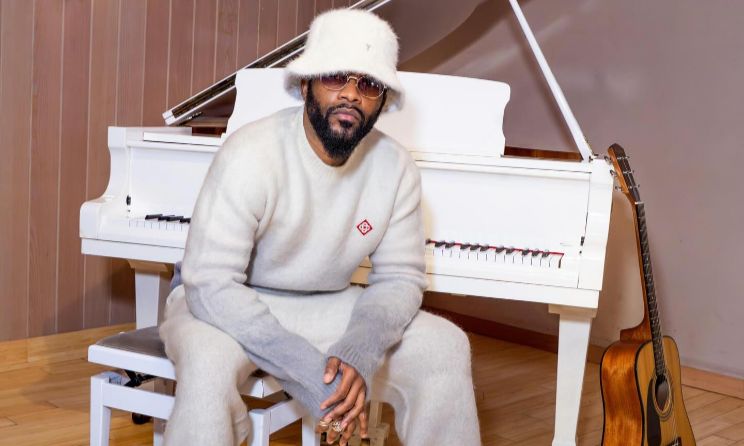
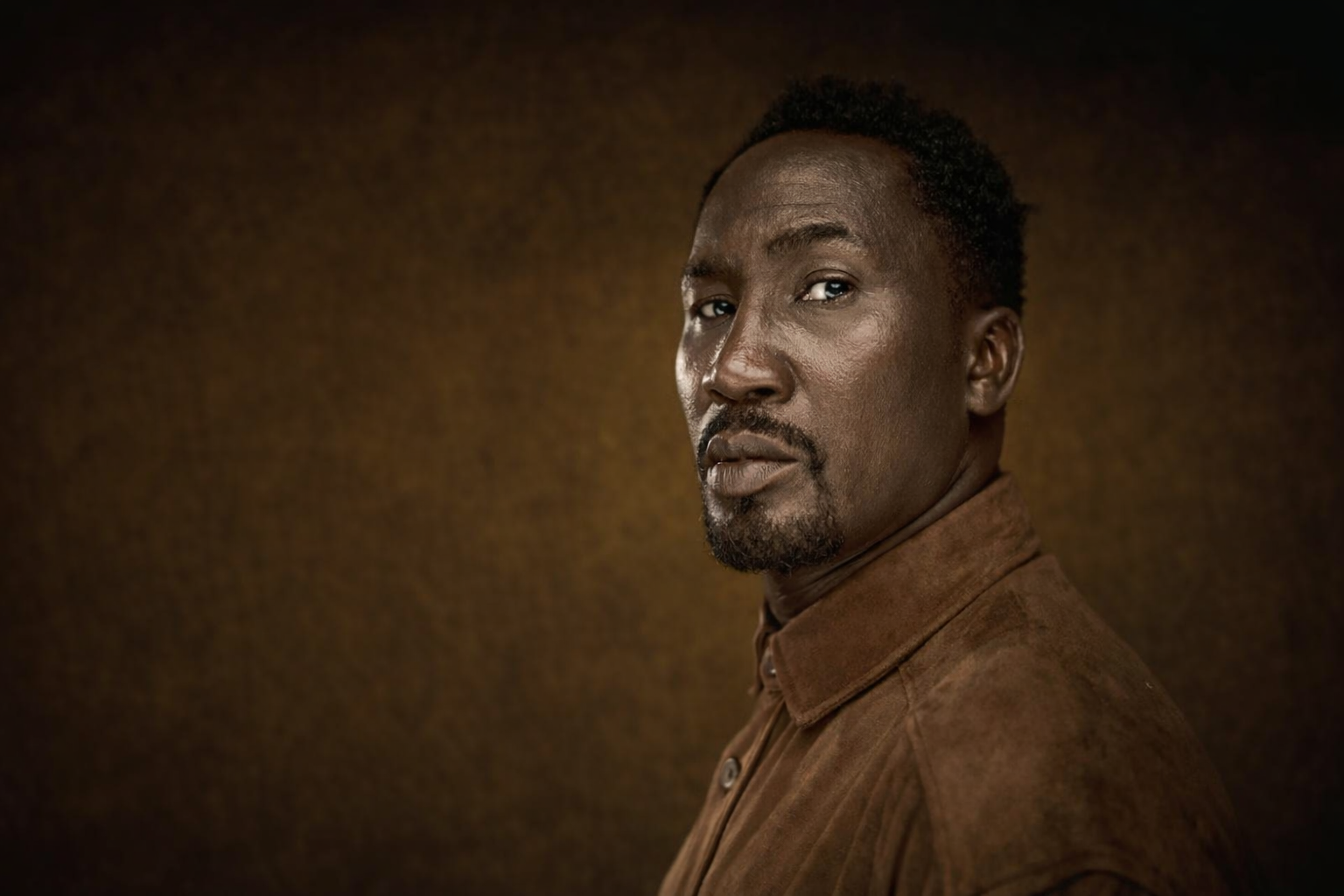
I have known Nonini, real name Hubert Nakitare, for many years, and he has demonstrated time and again that he is a creative who is not afraid to expose the rot in the Kenyan music industry. It is not a secret that for many years, the MCSK has been at loggerheads with its members and external stakeholders like the Kenya Copyright Board (KECOBO), as well as various music users.
At the height of the Kenyan CMO wars in 2017 and 2018 between KECOBO, the MCSK, the Music Publishers Association of Kenya (MPAKE), the Kenya Association of Music Producers (KAMP), and the Performance Rights Society of Kenya (PRISK), Nonini was a director and would later be elected as the board chairman of PRISK.
When the MCSK declined to submit its audited accounts to KECOBO at the end of the 2016 financial year, artist Dan ‘Chizi’ Aceda and I went to court in 2017 on behalf of more than 15 000 MCSK members to demand accountability and an audit of the CMO’s finances. This is because long-standing members and pioneers of the society such as Nonini had not been paid their royalties for several years, despite the fact that they were constantly releasing hits that were popular across East Africa.
We also had evidence that the MCSK had been collecting hundreds of millions of shillings without distributing them to its members. Because the MCSK had declined to comply with the law, the government advertised and invited applications for the formation of a new CMO for authors and publishers to replace the MCSK, which was operating outside the Kenyan copyright framework.
According to court documents, the copyright regulator disclosed that the MCSK had refused to comply with regulations regarding the collection and distribution of music royalties. The regulator also stated that the MCSK had refused to submit its financial statements and it had no option but to license another CMO.
Our actions with Dan Aceda have since been vindicated. An audit conducted by KECOBO has shown that our call was indeed warranted. The audit revealed that managers and directors of the CMO had embezzled millions of shillings through mischievous schemes that the CMO was unable to account for. The fate of this audit still hangs in the balance.
I was honoured and privileged to be entrusted by the MCSK members to provide legal and regulatory advice that resulted in the licensing of MPAKE, and, between 2016 and 2019, I steered the legal ship.
Nonini supported the pledges that MPAKE was bringing to the market at the time. For the first time in the history of Kenya, we spearheaded joint collections of royalties. This had never been done before. In fact, for several years, the MCSK had frustrated efforts to merge operations with KAMP and PRISK.
When we came into the CMO game, we found a disorganised and largely unprofitable method of collecting and distributing royalties. It was a manual system of collection that had been abused for several years, because the system did not have the sufficient checks and balances. For instance, we came across cases where music users had paid for music licences and were issued receipts. However, the CMO accounts were not reflecting these collections.
MPAKE developed the first digital collection and distribution system. We lobbied KAMP and PRISK to adopt it since they did not have the capacity and money to develop a modern and reliable system for digital collections and distribution. After our appointment as a CMO for authors and publishers, we entered into joint collection agreements with our then partners, KAMP and PRISK. Nonini signed the agreement on behalf of PRISK as its chairman.
MPAKE, however, did not have it easy. We were the subject of numerous lawsuits brought by the MCSK and its stakeholders, including music users like pubs. This hampered our operations in 2017 and 2018. One of the outcomes of the 2017 court cases was that KECOBO needed to undertake public participation before licensing CMOs as dictated by the Constitution of Kenya, which requires the government to engage the public before making public policy decisions.
Armed with a licence to operate in 2018, we were now geared towards building upon the reforms we initiated. At the time, we were confident that our partners in KAMP and PRISK were eager to build transparent structures that would address the needs of the music market. For far too long Kenyan creatives had been let down by their CMOs. The CMOs consumed most of their collections on suspicious administrative costs, only distributing a paltry 10 to 15%. Instead of playing ball as directed by the government, the boards of KAMP and PRISK began engaging in conduct that stifled our efforts to bring change.
For example, whereas MPAKE had committed to distributing 70% of its collections, KAMP and PRISK were quite uncomfortable with this figure. When Nonini was at the forefront of demanding that 70% of PRISK collections be distributed to members, he found himself in hot soup: his fellow directors were not committed to the 70% distribution formula, prompting Nonini to resign from the chairmanship of PRISK.
Before resigning, he confided in me the frustration he had experienced while on the PRISK board, and he explained why he was taking the painful decision to resign: he did not want to be part of a system that was committed to going against government regulations for CMOs. For example, despite KECOBO directing that CMOs jointly collect royalties, the directors of KAMP and PRISK, excluding Nonini, decided to collect them without the participation of MPAKE. This was a violation of the terms and conditions they had agreed to when they were licensed in 2018.
Like Nonini, we at MPAKE were frustrated. We were operating in a market where our CMO partners had resolved to cut us out of the joint collections. They thwarted the digital collection and distribution system that we had built for the market. They even cut us out of collections entirely and began collecting without our participation. KECOBO mediated the dispute, leaving many stakeholders in limbo. Critical stakeholders were left out, which caused fallouts. Ultimately, we were left fighting many wars against people who did not want to embrace transparency and integrity in royalty collection and distribution.
In 2019, KECOBO struck a deal with the MCSK and its licence was reinstated. The MCSK committed to complying and embracing transparent systems. Unfortunately this was not to be. In August 2021, KECOBO deregistered the MCSK together with our former partners, KAMP and PRISK. According to KECOBO, the three CMOs had failed to honour the terms and conditions attached to the licences that required them to digitise collections and distributions. They had also failed to implement the 70% distribution rule that we championed in 2017 and 2018.
When Nonini posted online that, “Insanity is doing the same thing over and over and expecting different results. Moving on to something that actually works,” I instantly knew what he meant. He has been part of the struggle to reform music institutions in Kenya. He is an artist with several hits and his membership of the MCSK never resulted in profitable royalties from his music. He has been exasperated several times to the point of leaving the MCSK.
I think he left the MCSK for ASCAP for the following reasons:
1. The MCSK leadership doesn’t fully understand the role of CMOs in the Kenya music industry
CMOs provide appropriate mechanisms for the exercise of copyright and related rights, in cases where the individual exercise by the rightsholder would be impossible or impractical. Collective management is an important part of a functioning copyright and related rights system, complementing individual licensing of rights, resting on robust substantive rights, exceptions and limitations, and corresponding to enforcement measures. In this vein, CMOs provide a bridge between rightsholders and users, facilitating both access to music and the remuneration of music rightsholders.
Unfortunately, it appears that the senior management of the MCSK does not clearly understand the CMO’s licensing roles. For example, in May 2022, barely a month after the MCSK appointed new CEO Ezekiel Mutua, the CEO was involved in a quarrel with popular Kenyan band Sauti Sol over a music synchronisation dispute.
Although the MCSK was deregistered in 2021 and currently does not have an operating licence, it has been collecting music licence fees from unsuspecting members of the public, including presidential campaigns. When a dispute erupted after Sauti Sol’s music was synchronised in a video belonging to a political movement known as Azimio La Umoja, the MCSK CEO was quick to shoot himself in the foot by alleging that the MCSK was the only entity capable of issuing sync licences, and not the artist. This statement was made in blatant disregard to the fact that Sauti Sol has never surrendered its sync rights to the MCSK. The customary practice in Kenya is that artists administer their own sync rights unless they directly appoint a CMO as the administrator of their sync rights. Mutua has since eaten humble pie and conceded that the MCSK does not have ultimate authority over sync rights.
2. The MCSK has a history of mismanaging the relationship with its members
I have represented several artists against oppressive management practices that sought to expel them from the society because they were perceived to be ‘truth activists’ seeking to uncover inefficiencies at the CMO.
3. The MCSK has failed the governance test for CMOs
The MCSK has been deregistered on numerous occasions in the past decade without any signs of things changing for the better. Despite evidence that the MCSK is currently amending its constitution and governance policies, most of its members are in the dark about the proposals, which are unavailable on its website to view or download. I represent several top acts in Kenya, and none of them are aware of these constitutional amendments. It looks like the matter will end up in court sooner or later.
4. The MCSK has failed the CMO financial administration and management test
A window cleaner working at the MCSK earns more money from the CMO than the top 20 Kenyan artists combined. The process of compiling data and paying members based on usage is stone age-like and remains a pipe dream.
5. The MCSK has failed to honour its relationships with international CMOs
The CMO does not possess a music data policy that promotes the rights of Kenyan musicians to easily get their money from foreign markets.
6. The MCSK has failed to honour its obligations to music users
The CMO has had a history of disputes with users who question its legitimacy and transparency in the financial management of licence fees. For example, in 2017 and 2018, it was successfully accused and found guilty of operating without a valid operating licence from the government.
7. Processing of members’ data is deplorable
From my experience of leading clients to the MCSK’s offices, it’s impossible to get accurate data concerning members’ music activity.
8. The MCSK has not invested in reliable IT infrastructure to service its 15 000 members
Data collection and storage are largely manual and inefficient to meet the demands of a modern CMO. For instance, I once accompanied an artist to inspect their membership file and was surprised that the MCSK did not have copies of the artist’s music, despite the fact that the records indicated that the artist had submitted the music in CD format.
9. The MCSK has failed to develop staff skills that inspire confidence
From the communication around Nonini’s exit, it is not clear whether the MCSK has put in place any dispute resolution mechanisms to address the reasons why he was leaving.
George Robert Asewe is an advocate of the High Court of Kenya specialising in entertainment law. He has been involved in several music advocacy projects in Kenya since 2014. He is the founder and CEO of The Music Advocate Africa, a music and creative business company that has launched a campaign to reform the operations of collective management organisations in Kenya. His policy proposals, due to be submitted to Parliament, are available for reading and public engagement at www.themusicadvocate.africa.
For further enquiries, send an email to [email protected]
Disclaimer: The opinions in this article are the author’s and do not necessarily reflect the views of Music In Africa.
To respond to this article, email [email protected]



