










NEFCISA
NEFCISA

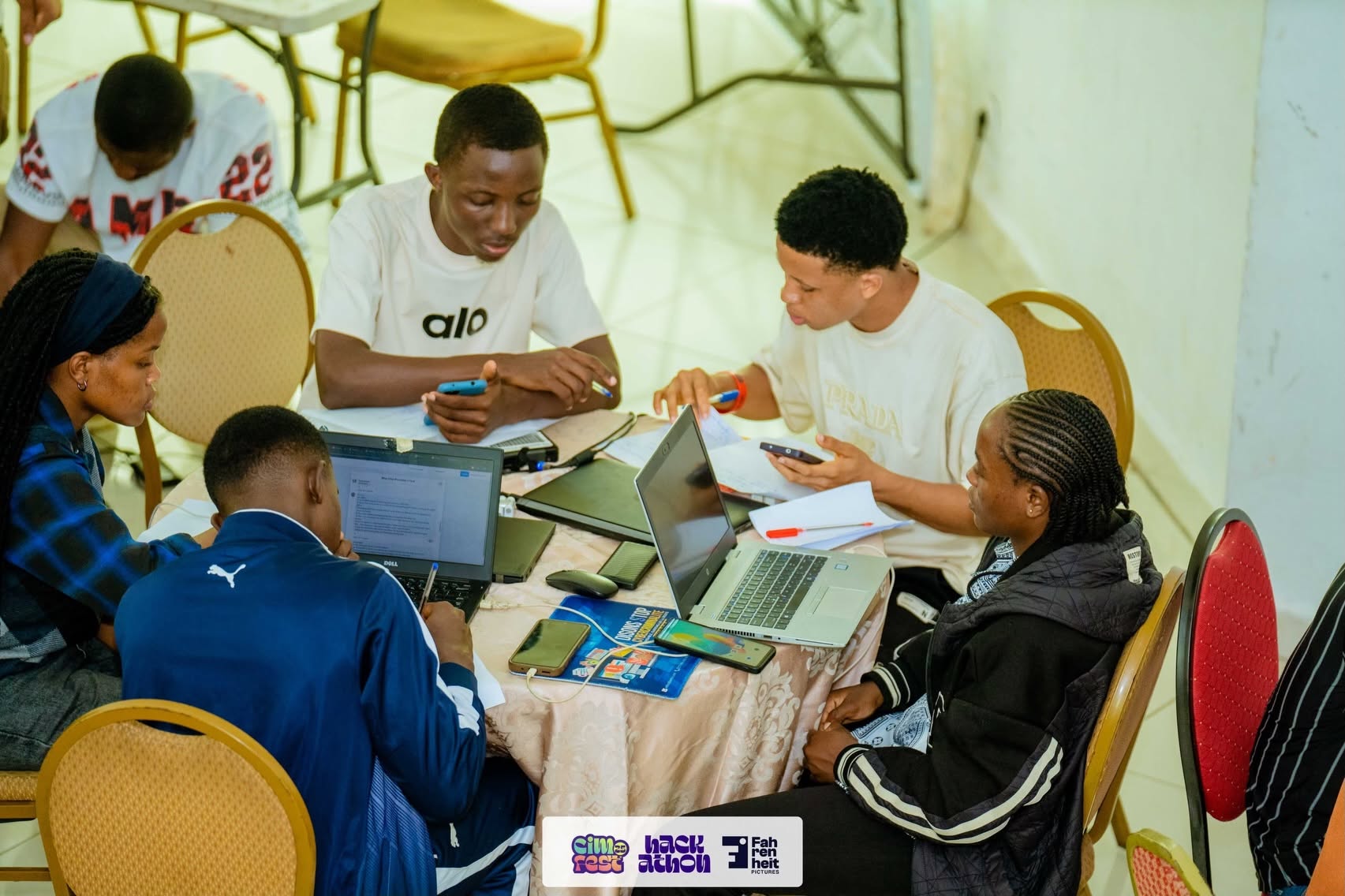
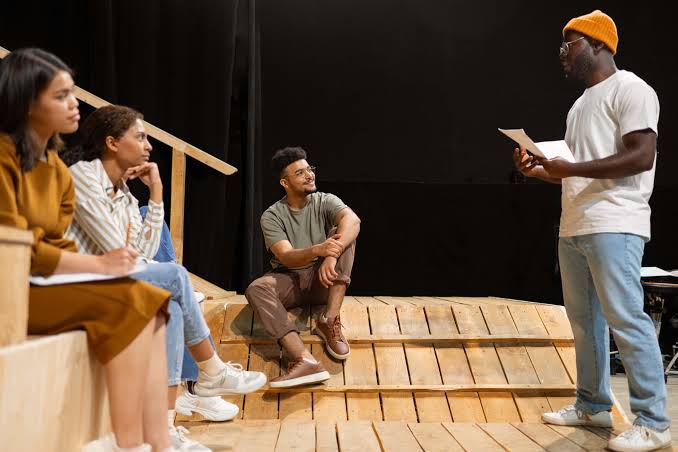
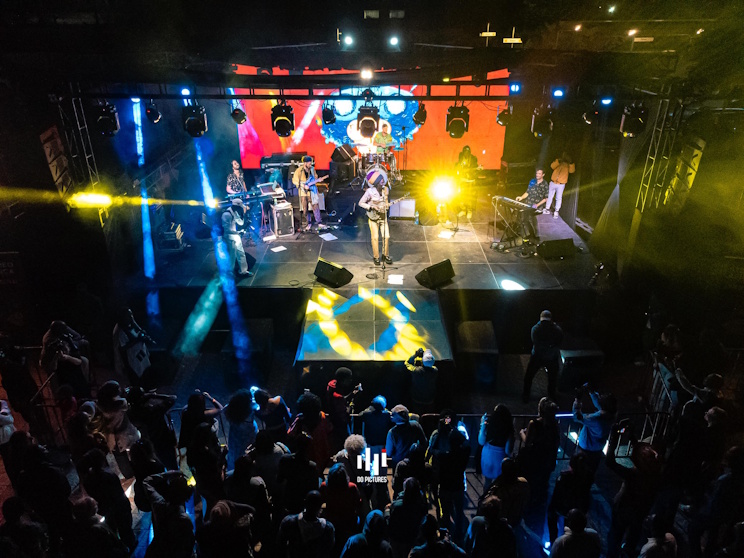
The Music In Africa Foundation (MIAF) is proud to announce its partnership with the Industrial Development Corporation (IDC) as a Strategic Implementing Partner (SIP) for its Social Employment Fund (SEF). Through this collaboration, MIAF is launching a new national programme designed to create jobs, address skills gaps, and strengthen South Africa’s creative industries — in line with the SEF’s overarching goal to generate work for the common good and build community value through employment, social contribution, and inclusive economic participation. Operating under the banner NEFCISA (National Employment Facility for Creative Industries in South Africa), the initiative will recruit and train participants, match them with host organisations, and place a minimum of 1 000 workers across the country. Key Objectives: Support employment and entrepreneurship in the creative industries. Offer skills development and training programmes. Foster partnerships between public and private creative sectors. Promote South African creativity at both provincial and national levels Foster community development through social contribution.

ACCES
ACCES

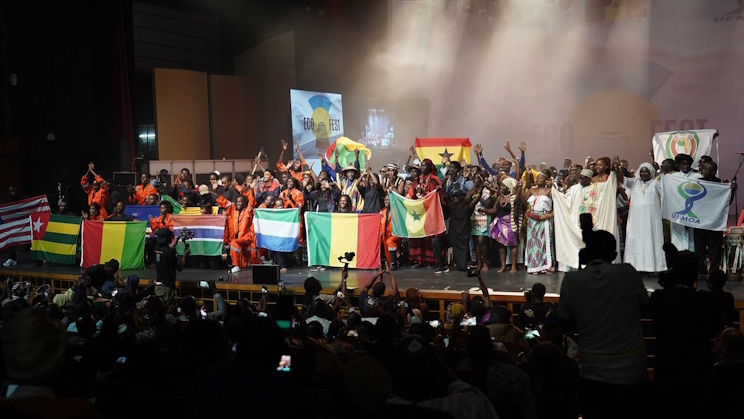
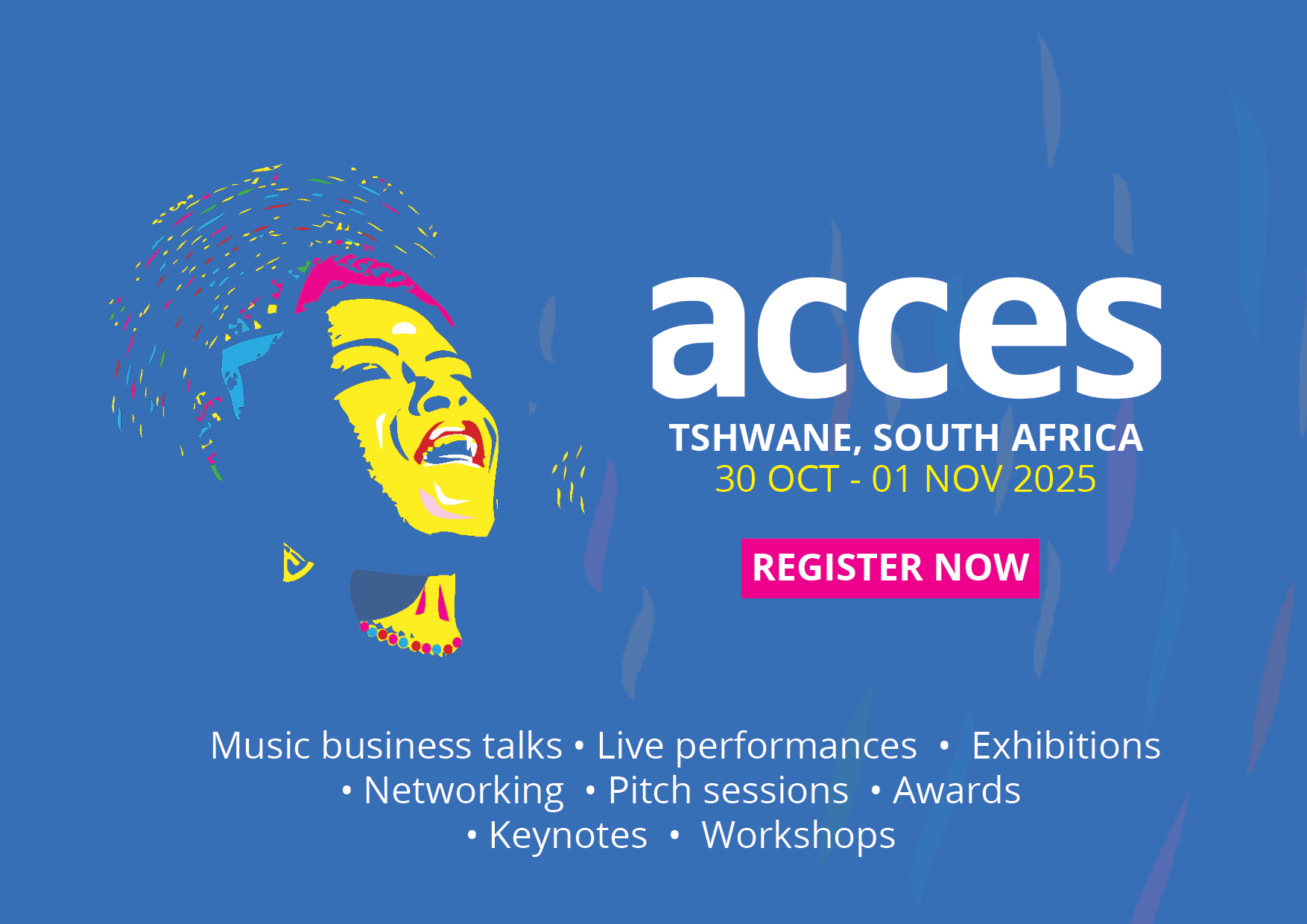
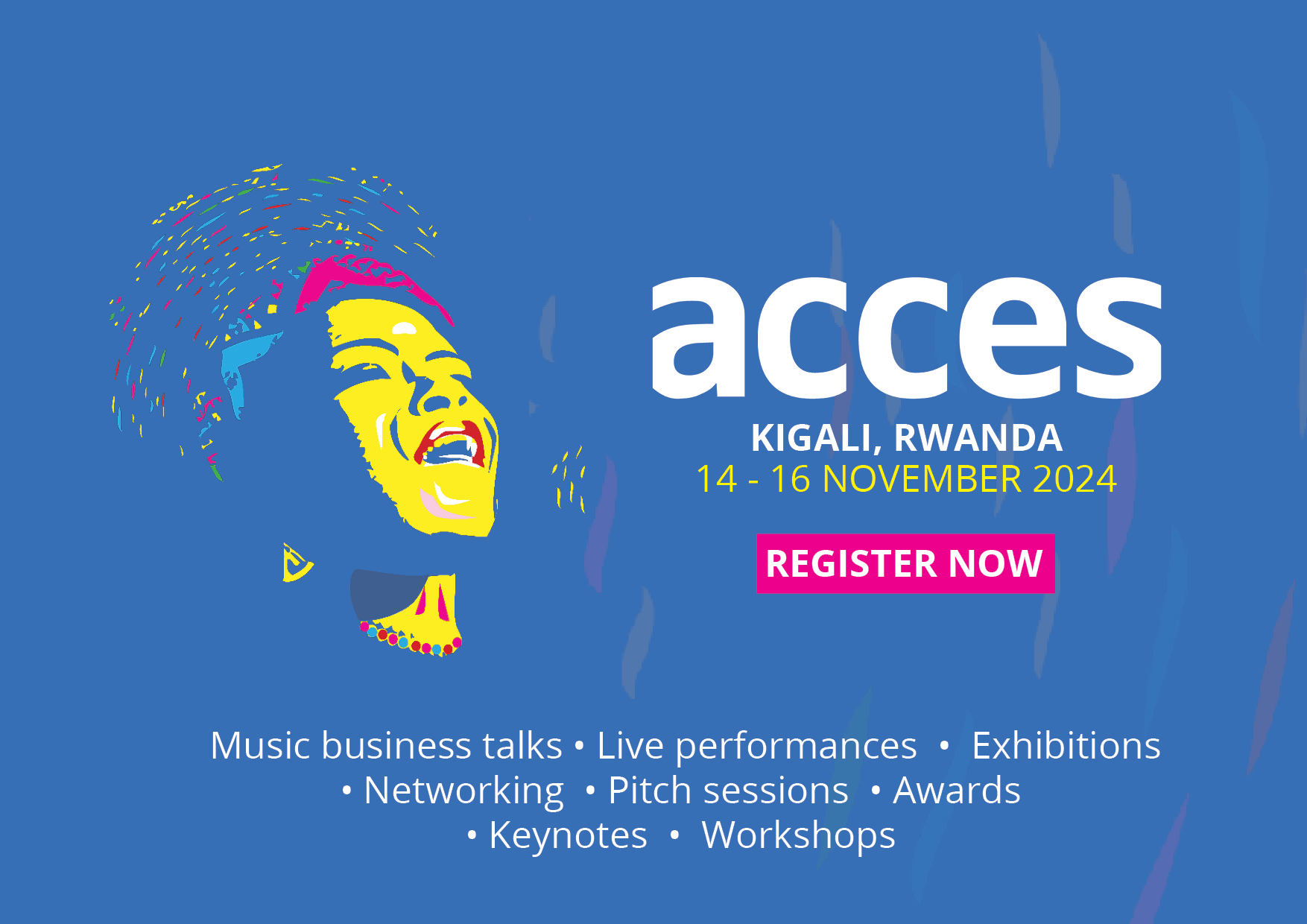
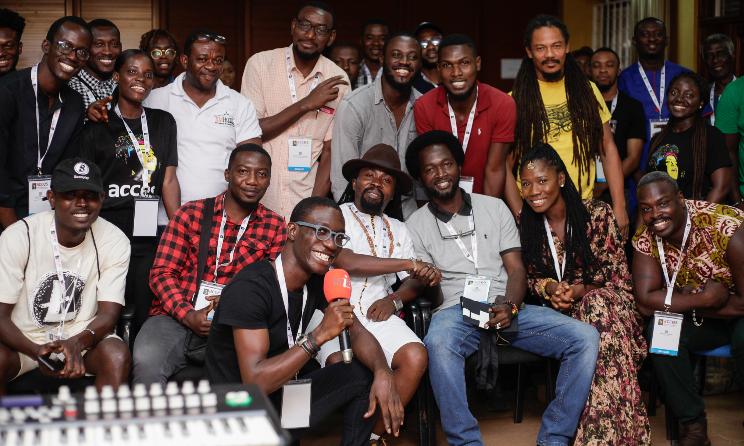
Chaque année, nous fournissons des informations générales afin de guider les participants dans la préparation de leur voyage. En plus de ce site, des mises à jour importantes seront envoyées par e-mail à tous les délégués inscrits. Assurez-vous de vous inscrire dès que possible. Pour plus d'informations, veuillez contacter [email protected] Continuez à consulter cette page pour plus d'information.  

Gender@Work
Gender@Work

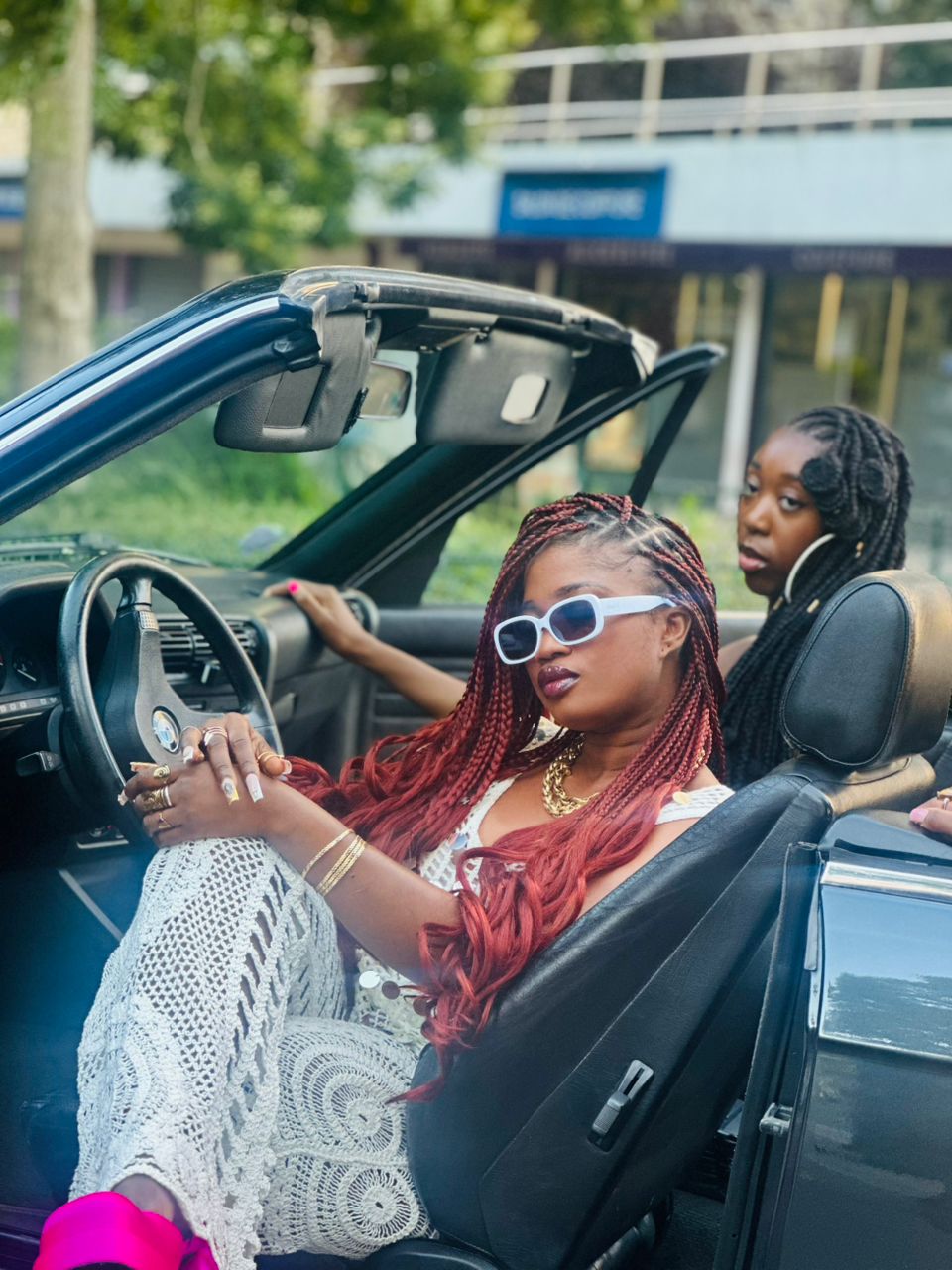
Music In Africa Gender @ Work is a three-year training programme aimed at upskilling and increasing the participation of female professionals in the African music sector. Launched by the Music In Africa Foundation (MIAF) in April 2019, the programme is connected to the MIAF’s ACCES music conference – a pan-African event held in a different African country every year. This connection enables the programme to reach new participants in a different African country every year. The programme marks the beginning of a more concerted effort by the Foundation to support the participation and inclusion of women in all facets of its programmes and the music sector in Africa as a whole. Over the three years, the programme will aim to address gender imbalances in the sector through training, lobbying, facilitating knowledge exchange and dialogues that foster the interest of women. The broader objectives of the programme are to: Provide industry training for women on critical music industry skills, focusing on: Stage management Electronic music production and recording Music business management Technical knowledge Provide an opportunity for both professional and aspiring women to benefit from the Music In Africa network and its broad range of activities in 2019, 2020 and 2021. Provide a solution-based platform in the form of a round table at ACCES with a view to identify challenges, discuss opportunities and lobby for the interests of female practitioners. Offer participants the opportunity to benefit from programmes offered by MIAF’s partners. Increase access to educational materials. Integrate participants in the broader ACCES programme to maximise experience and exposure to the industry. Record and present training materials on the www.musicinafrica.net, including but not limited to tutorials, templates and other best-practice materials. Communicate women-based themes that support the initiatives and messages of the programme. MAIN TRAINING ACTIVITIES Training in first country (Ghana): In the first year, participants will be trained on all aspects of stage management by a team of experienced stage managers from 10 to 17 November 2019. The programme will offer robust classroom training as well as practical, hands-on training in which participants will also be given the opportunity to manage various aspects of the ACCES performance programme. Training in second country: The second training iteration will take place at ACCES 2020 when the programme will diversify its course to include music production lessons and training on other music business topics. A round-table platform will also be introduced to coincide with the ACCES programme. Training in third country: The third training iteration will take place at ACCES 2021 in a different country, offering an advanced course. HOW DO YOU GET INVOLVED?  As a participant, facilitator or trainer: The programme enrolls up to 12 trainees every year. All opportunities are advertised publicly on this website, and will be added to this page. Please keep checking this page for new calls (below under UPDATES & CURRENT OPPORTUNITIES). As a partner Please contact Claire Metais at [email protected]. APPLY The call for applications for 2020 will be announced soon. The Music In Africa Gender @ Work programme is made possible with the support of the Prince Claus Fund, Siemens Stiftung and Goethe-Institut.

Sound Connects Fund
Sound Connects Fund

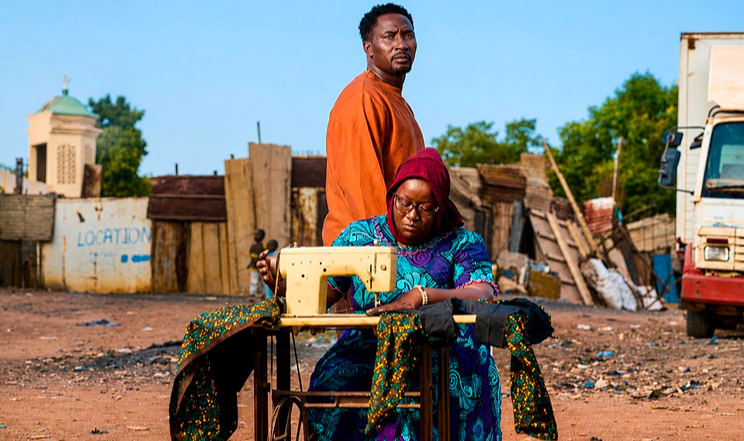
Pour les praticiens et les organisations culturels et créatifs opérant en Afrique australe, l’accès au financement reste un défi majeur. La pandémie de COVID-19 a également eu un impact massif sur les politiques gouvernementales, les dépenses et l’économie en général, et a vu les dépenses consacrées à la culture reléguées plus bas dans la liste des priorités. De plus, les industries culturelles et créatives citent régulièrement quatre domaines principaux où l’investissement est nécessaire pour la croissance : une visibilité accrue, la mobilité incluant l’accès à de nouveaux marchés, le financement et les structures de soutien.

Music In Africa Live

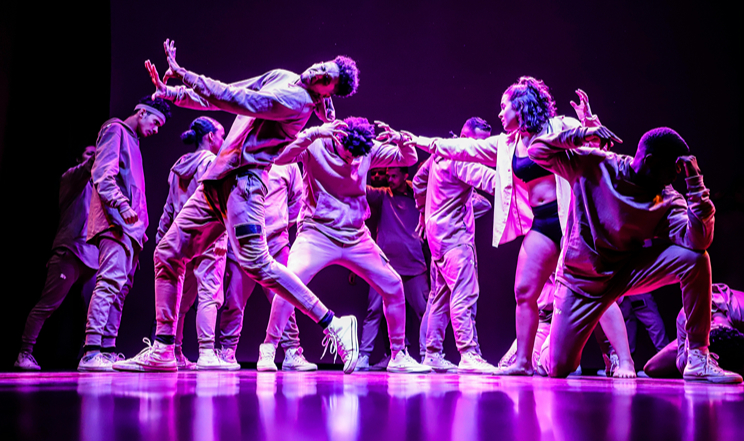
MUSIC IN AFRICA LIVE Lancé en 2020 pour une durée de 3 ans, Music In Africa Live est une initiative visant à soutenir l'écosystème de la musique africaine face aux contraintes imposées par la pandémie de COVID-19 ; le projet a été lancé par la Fondation Music In Africa (MIAF) en partenariat avec le ministère fédéral allemand des Affaires étrangères, Siemens Stiftung et le Goethe Institut. Plus de 30 aides sont disponibles dans le cadre de la troisième édition de Music In Africa Live, dans 3 catégories :  showcases, renforcement des compétences et plaidoyer, en conformité avec les modalités énoncées.

Instrument Building And Repair Project

The overarching objective of Music In Africa Foundation’s Instrument Building and Repair (IBR) project is to encourage the formalisation and professionalisation of instrument-making and repair in Africa, especially in relation to indigenous African instruments. Background In 2014, the Music In Africa Foundation (MIAF) identified as one of its focus areas for development the need to encourage young people from music and music-related sectors to consider instrument-making as a career. This need extended itself from the recognition that the making of traditional African instruments is not a widely practiced skill and seems to be limited to the older generation. Traditional African instrument makers are also few and far between, making communication and logistics between teachers and learners an obstacle. When instrument building workshops take place, budgetary constraints do not allow teachers or learners the time to explore the finer details of an instrument. Based on these observations, the MIAF designed and piloted the first IBR workshop at the Dhow Countries Music Academy (DCMA) in Zanzibar in February 2015. In 2016, the foundation received funding from the South African National Lotteries Commission to implement a much bigger version of the project in Johannesburg. The project drew participants from five African countries. 25 students from South Africa, Ghana, Senegal, Kenya and Ethiopia were trained on how to build and repair musical instruments. The instruments that they made were: Traditional Instruments: Umakhweyana and Marimba Conventional Instrument: Dulcimer guitar The workshop culminated in a traditional instruments concert at the Wits Theatre in Johannesburg. It is the MIAF’s aim to roll out similar workshops in as many African countries as possible over the next few years. Objectives Developing awareness of musical instrument makers in Africa with a view to promote their work to a wider global audience. Facilitating the sharing and transfer of skills in indigenous instruments between countries on the continent. Encouraging the formalisation and professionalisation of instrument-making and repair in Africa, especially in relation to indigenous instruments. Helping instrument makers develop their careers. Fostering the rapid monetisation and sustainable development of instrument-making and repair in Africa. Promoting constant exchange of ideas, expertise, experiences and know-how among instrument makers in Africa. Facilitating the identification of existing gaps in the field with a view to contribute new solutions. Facilitating the transfer of knowledge and skills of indigenous instruments between younger and older generations. 2020 edition The MIAF has also announced that multi-instrumentalist and instrument maker Joe Makhanza will facilitate one of the workshops on the building of the kamale ngoni instrument. Kamale ngoni is a kora-like, stringed instrument that originated in West Africa. The instrument contributed to the rise of Wassoulou music in the 1970s and 1990s. Makhanza was born in Giyani in South Africa's Limpopo province. He completed a bachelor of music degree and a post-graduate diploma in arts marketing from Wits University. He is currently completing his masters in ethnomusicology and is a part-time lecturer in African music studies at Rhodes University. He plays the kora, mbira, valiha, masenqo, xiwewe, ngoni ba and xizambi, among others. He also manufactures the aforementioned instruments. The MIAF will confirm more trainers who will join the workshops as well as the other instruments that will be featured in the 2020 IBR programme.  Apply to participate here. Connect with us on Twitter, Instagram and Facebook, and subscribe to our monthly newsletter. The Music In Africa Instrument Building and Repair project is funded by the National Lotteries Commission. It is implemented in partnership with Siemens Stiftung, Goethe-Institut, Wits Theatre and Kaya FM.

banner image

Betty G: Ethiopian star bridging cultures and generations

Accueil/Non classé/Betty G: Ethiopian star bridging cultures and generations

Her musical journey had humble beginnings, with performances at home and school. Over time, songwriting became a means for her to express her emotions and life experiences. Collaborations with other talented artists helped shape her distinctive musical style, characterised by a harmonious blend of her Ethiopian heritage with contemporary pop influences.

Her musical talent has not gone unnoticed, earning her multiple awards, including Album of the Year at AFRIMAs in 2018. Over the years, she has graced some of the world’s most prestigious stages, including the Oslo Nobel stage and the Hollywood After Dark event. Through her music, she endeavours to serve as a bridge between cultures, celebrating values like unity, love and empowerment.

Betty G’s dedication to making a positive impact extends beyond the stage. As a Goodwill Ambassador for UNHCR, she leverages her platform to raise awareness and contribute to global change initiatives.

In an interview with Music In Africa, the singer discussed her journey, current engagements and future plans, as well as the inspiration of Ethiopian legends like Aster Aweke and Mulatu Astatke and the power of music to ignite change.

MUSIC IN AFRICA: Tell us about your music journey

BETTY G: My musical journey started with local and school performances. Writing my own songs became a way to express my emotions and experiences. This journey led me to release my debut album, Manew Fitsum, and appearances on Coke Studio Africa. Today, Betty G, the artist, is a culmination of my Ethiopian heritage, creative expression and a deep passion for music. I’m driven to bridge the gap between traditional sounds and modern beats, creating a unique blend that resonates globally. My music carries messages of unity, love and empowerment, drawing inspiration from both my roots and contemporary influences. As an ambassador of culture and change, I aim to not only entertain but also inspire others to embrace their identities and strive for a better world through the universal language of music.

How would you describe your music?

My music serves as a bridge, seamlessly connecting the iconic sounds of Ethiopian legends like Aster Aweke and Mulatu Astatke, with the pop beats of global icons such as Michael Jackson and Whitney Houston. Rooted in my Ethiopian heritage, my compositions gain authenticity and a distinctive contemporary flair. My Ethiopian roots are the foundation, infusing my music with an authentic and uniquely captivating twist.

How can African/ Ethiopian heritage serve to grow the continent’s music globally?

Our African and Ethiopian heritage is a wellspring of inspiration that holds the potential to propel our music onto the global stage. By infusing our music with authentic rhythms, melodies and storytelling traditions that are deeply rooted in our cultures, we create a unique and compelling sound that stands out in the international music landscape. Our heritage enables us to tell stories that resonate universally, transcending language and cultural barriers. Embracing our heritage also allows us to tap into a rich tapestry of traditions, instruments and vocal styles, adding layers of depth and originality to our music. As we proudly showcase our heritage, we contribute to the global diversity of musical expressions, attracting listeners who are eager to experience the richness of our cultures. Through this, our music gains authenticity and relevance, fostering a deeper connection with audiences worldwide and expanding our influence on the global music scene.

How would you describe the current state of the Ethiopian music industry?

The Ethiopian music industry is marked by both promise and hurdles. While potential is evident, challenges like inadequate infrastructure and copyright concerns persist. Resolving these requires investments in production, distribution and education. Collaborative partnerships and innovative technology offer avenues for broader exposure. Nurturing artists and providing mentorship will fuel growth and innovation, amplifying the industry’s influence on the global stage.

[video:https://www.youtube.com/watch?v=DKdB7H9y6ag width:744 height:446 autoplay:0]

What are some of your immediate and future plans?

My immediate and future plans are brimming with excitement and possibilities. Apart from my teaching commitments and continued performances on international stages, I’m thrilled to reveal that I’m currently working on my upcoming album. This project holds a special place in my heart as I’m collaborating with prominent international artists and producers, including those from Ethiopia. The album aims to blend diverse musical influences and create a sonic journey that resonates with a global audience. Additionally, I’m enthusiastic about exploring new avenues for artistic expression and using my platform to amplify social causes that hold great importance to me. As my musical journey unfolds, I’m dedicated to creating meaningful connections through my music and making a lasting impact on the world stage.

What role does music play in society?

Music wields significant influence in shaping society, serving as a universal language that communicates emotions, stories, and cultural experiences. It transcends boundaries, fostering unity and connection. Music has the potential to ignite change, raising awareness about critical issues and sparking conversations. It unites people under shared sentiments and encourages social shifts. As artists, we hold the power to use music as a catalyst for positive transformations, challenging norms and promoting unity. Through our melodies and messages, we contribute to the cultural fabric that defines our societies, inspiring individuals to envision and strive for a better world.

Can you elaborate on your recent appearance on Hollywood After Dark?

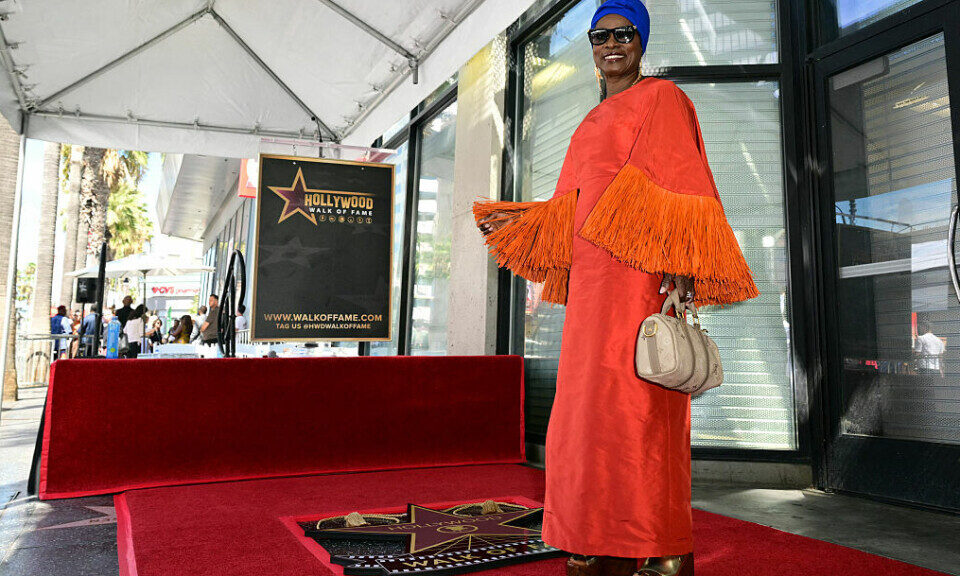
Certainly, my participation in Hollywood After Dark was a momentous experience. The event reimagined a pioneering US TV show from the late 1960s, bringing together artists of diverse backgrounds for a contemporary variety-reality-entertainment-talk show. It provided a platform for talents spanning music, dance, comedy, sports, acting and magic, hosted at a prestigious venue on Hollywood Boulevard.

What’s remarkable is the show’s global impact. With clearances in over 45 countries, Hollywood After Dark is set to reach approximately 9 million viewers. This broad reach underscores our commitment to promoting talents on an unprecedented scale. The show’s distribution covers broadcast networks, cable, digital platforms, and merchandising. Being an African representative in this endeavour was an honour, contributing to the recognition of diverse artists worldwide and providing audiences with diverse, captivating performances. It’s a testament to the power of unity and creativity.

In this fall semester, you’ve embarked on a pioneering journey as the first Ethiopian female singer and performer to teach at an American university. Could you provide us with your insights and reflections on your current role as a guest lecturer at Loyola Marymount University? What does this groundbreaking opportunity symbolise?

My current role as a guest lecturer at Loyola Marymount University (LMU) is a remarkable milestone. I’m incredibly enthused by my collaboration with Prof Rosalynde LeBlanc Loo, chair of theatre arts and dance at LMU. It’s an incredible platform to share my experiences, inspirations, and passion for music and performance with young, aspiring minds. Being the first Ethiopian female singer in this position fills me with a sense of pride and responsibility. This groundbreaking opportunity signifies the expanding horizons for Ethiopian women in the arts, reflecting the growing recognition of our contributions on the global stage. It’s a bridge between cultures and generations, enabling me to contribute to the educational journey of students while fostering cross-cultural understanding. I see it as a chance to inspire and empower, demonstrating the potential of Ethiopian voices to resonate beyond borders and enrich diverse spheres of creativity.

Do you have any career highlights you would like to share?

Certainly, my journey has been filled with incredible moments that have left a lasting impact. Performing on the prestigious Oslo Nobel Stage was a pivotal highlight, as it showcased the potential of music to transcend borders and inspire change on a global scale. Additionally, participating in the Hollywood in the Dark event provided a unique opportunity to connect with diverse audiences and share my music’s message. Collaborating with fellow artists at Coke Studio Africa expanded my artistic horizons, allowing me to embrace the richness of musical cultures across the continent. Lastly, stepping into the role of a guest lecturer at Loyola Marymount University has been a fulfilling experience, enabling me to contribute to the education and growth of young talents. Each of these milestones reaffirms my belief in the transformative power of music and the profound connections it forges.

[video:https://www.youtube.com/watch?v=GyGjS3Re3gw width:744 height:446 autoplay:0]

newsletter banner

Abonnez-vous à notre newsletter

Retrouvez-nous sur les réseaux sociaux