


























NEFCISA
NEFCISA

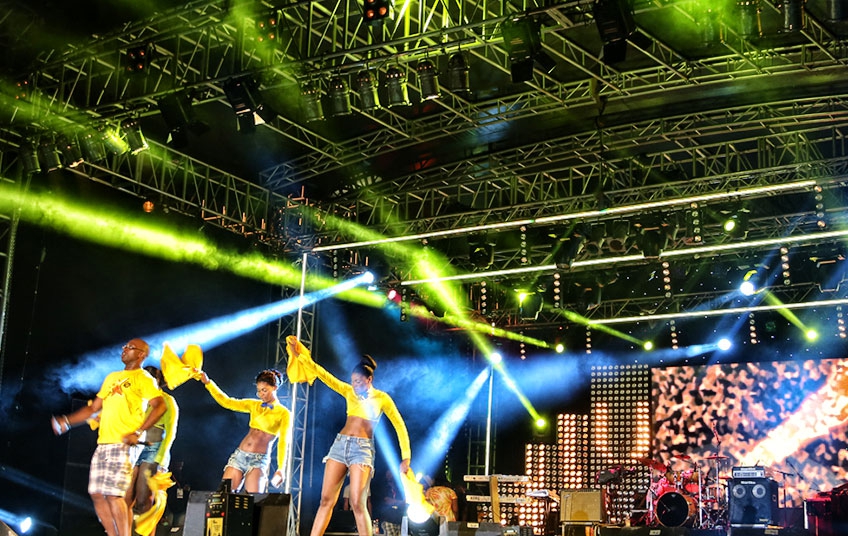
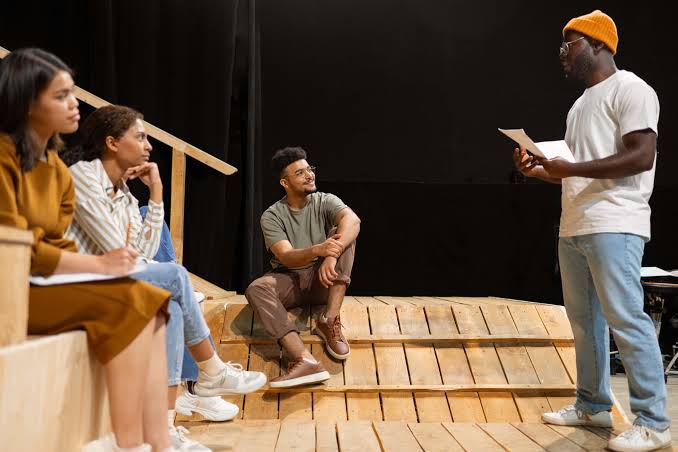
The Music In Africa Foundation (MIAF) is proud to announce its partnership with the Industrial Development Corporation (IDC) as a Strategic Implementing Partner (SIP) for its Social Employment Fund (SEF). Through this collaboration, MIAF is launching a new national programme designed to create jobs, address skills gaps, and strengthen South Africa’s creative industries — in line with the SEF’s overarching goal to generate work for the common good and build community value through employment, social contribution, and inclusive economic participation. Operating under the banner NEFCISA (National Employment Facility for Creative Industries in South Africa), the initiative will recruit and train participants, match them with host organisations, and place a minimum of 1 000 workers across the country. Key Objectives: Support employment and entrepreneurship in the creative industries. Offer skills development and training programmes. Foster partnerships between public and private creative sectors. Promote South African creativity at both provincial and national levels Foster community development through social contribution.

ACCES
ACCES

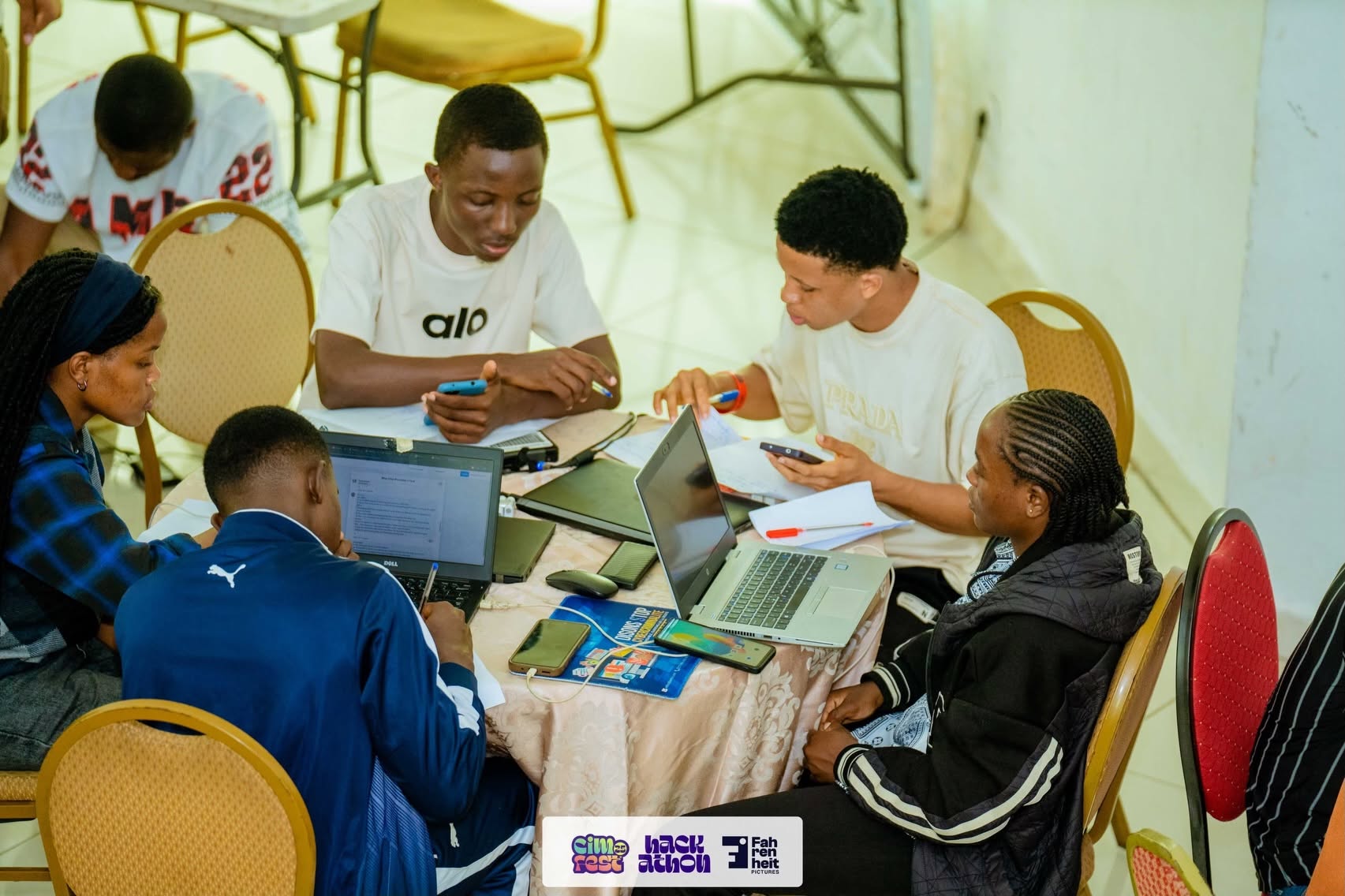
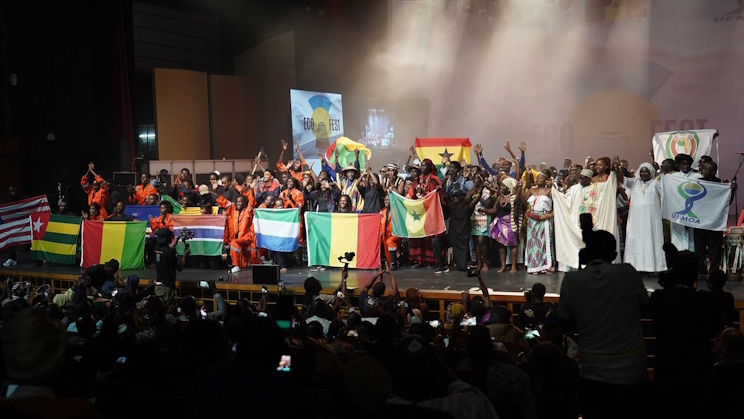
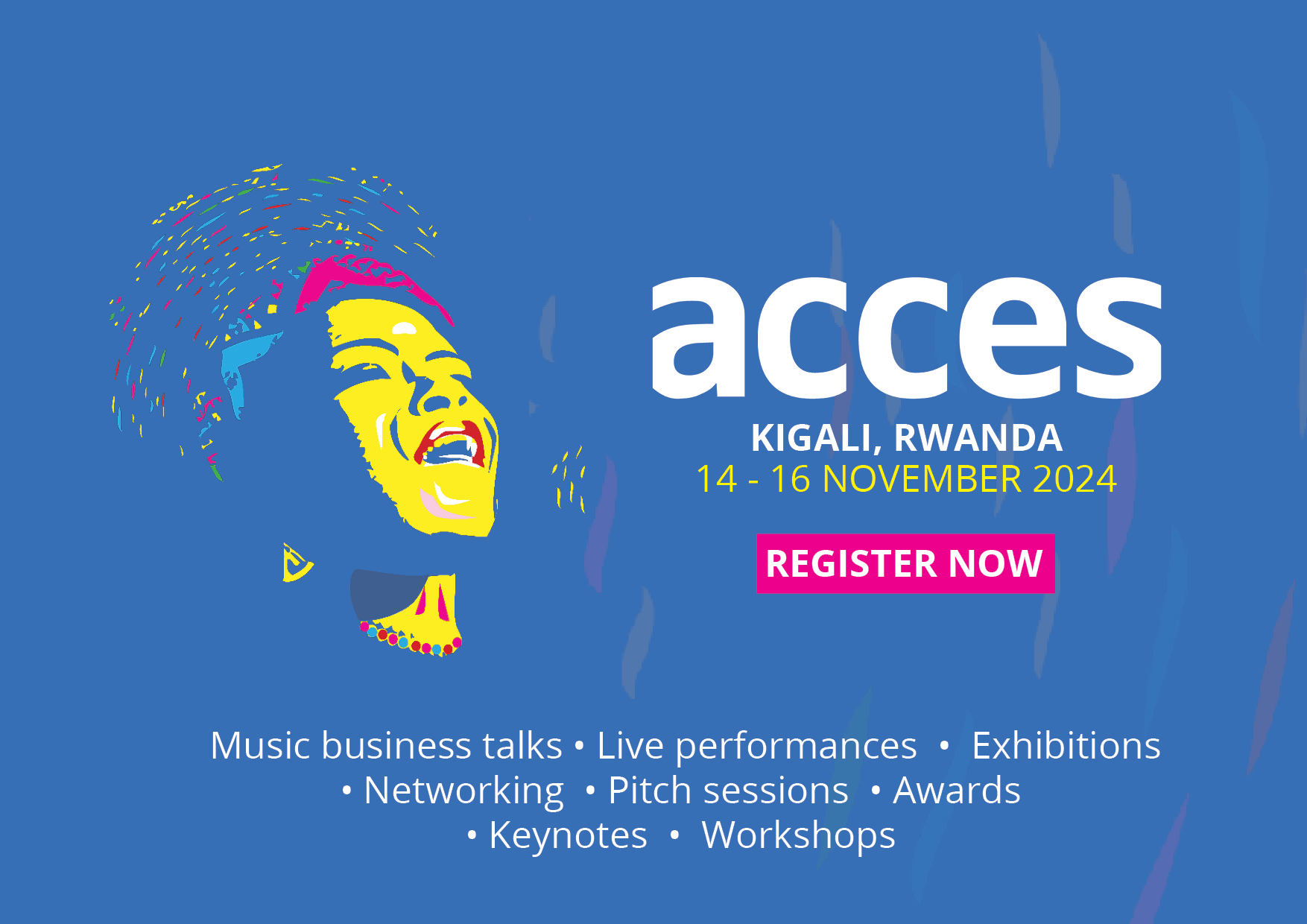
Chaque année, nous fournissons des informations générales afin de guider les participants dans la préparation de leur voyage. En plus de ce site, des mises à jour importantes seront envoyées par e-mail à tous les délégués inscrits. Assurez-vous de vous inscrire dès que possible. Pour plus d'informations, veuillez contacter [email protected] Continuez à consulter cette page pour plus d'information.  

Gender@Work
Gender@Work

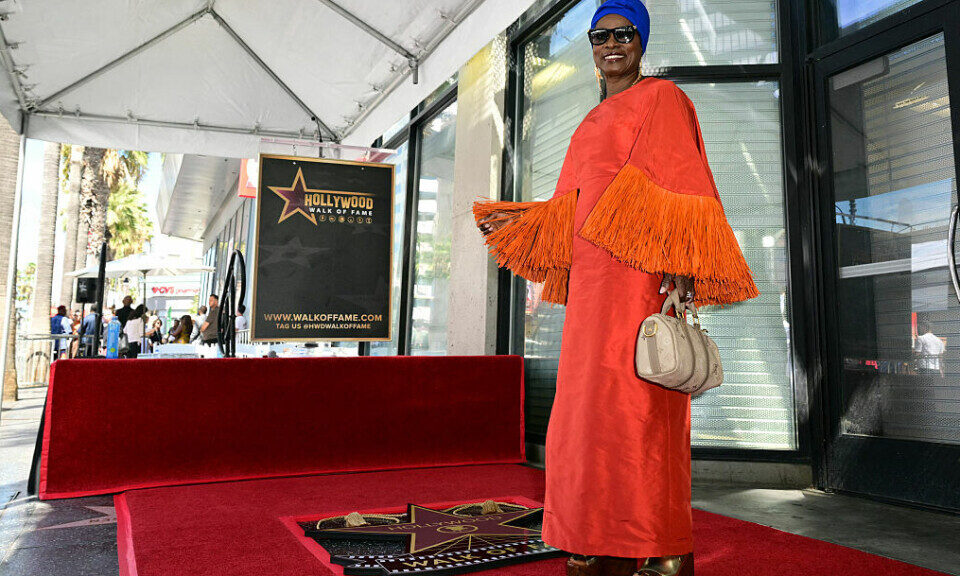
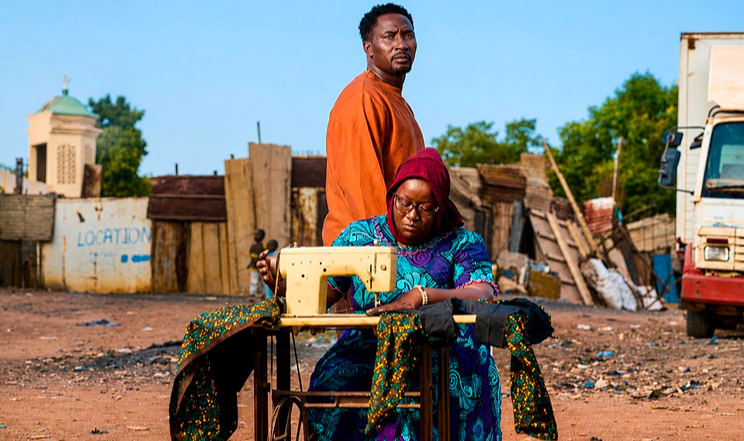
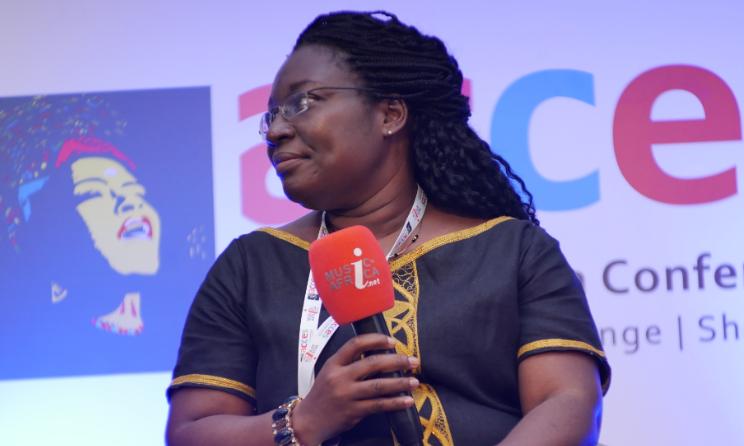
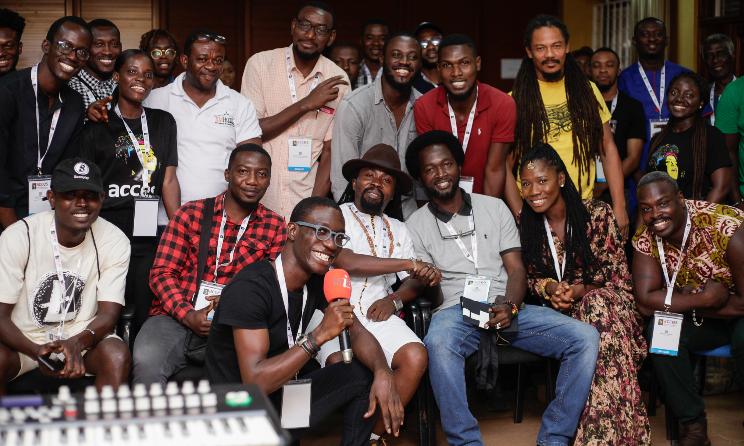
Music In Africa Gender @ Work is a three-year training programme aimed at upskilling and increasing the participation of female professionals in the African music sector. Launched by the Music In Africa Foundation (MIAF) in April 2019, the programme is connected to the MIAF’s ACCES music conference – a pan-African event held in a different African country every year. This connection enables the programme to reach new participants in a different African country every year. The programme marks the beginning of a more concerted effort by the Foundation to support the participation and inclusion of women in all facets of its programmes and the music sector in Africa as a whole. Over the three years, the programme will aim to address gender imbalances in the sector through training, lobbying, facilitating knowledge exchange and dialogues that foster the interest of women. The broader objectives of the programme are to: Provide industry training for women on critical music industry skills, focusing on: Stage management Electronic music production and recording Music business management Technical knowledge Provide an opportunity for both professional and aspiring women to benefit from the Music In Africa network and its broad range of activities in 2019, 2020 and 2021. Provide a solution-based platform in the form of a round table at ACCES with a view to identify challenges, discuss opportunities and lobby for the interests of female practitioners. Offer participants the opportunity to benefit from programmes offered by MIAF’s partners. Increase access to educational materials. Integrate participants in the broader ACCES programme to maximise experience and exposure to the industry. Record and present training materials on the www.musicinafrica.net, including but not limited to tutorials, templates and other best-practice materials. Communicate women-based themes that support the initiatives and messages of the programme. MAIN TRAINING ACTIVITIES Training in first country (Ghana): In the first year, participants will be trained on all aspects of stage management by a team of experienced stage managers from 10 to 17 November 2019. The programme will offer robust classroom training as well as practical, hands-on training in which participants will also be given the opportunity to manage various aspects of the ACCES performance programme. Training in second country: The second training iteration will take place at ACCES 2020 when the programme will diversify its course to include music production lessons and training on other music business topics. A round-table platform will also be introduced to coincide with the ACCES programme. Training in third country: The third training iteration will take place at ACCES 2021 in a different country, offering an advanced course. HOW DO YOU GET INVOLVED?  As a participant, facilitator or trainer: The programme enrolls up to 12 trainees every year. All opportunities are advertised publicly on this website, and will be added to this page. Please keep checking this page for new calls (below under UPDATES & CURRENT OPPORTUNITIES). As a partner Please contact Claire Metais at [email protected]. APPLY The call for applications for 2020 will be announced soon. The Music In Africa Gender @ Work programme is made possible with the support of the Prince Claus Fund, Siemens Stiftung and Goethe-Institut.

Sound Connects Fund
Sound Connects Fund

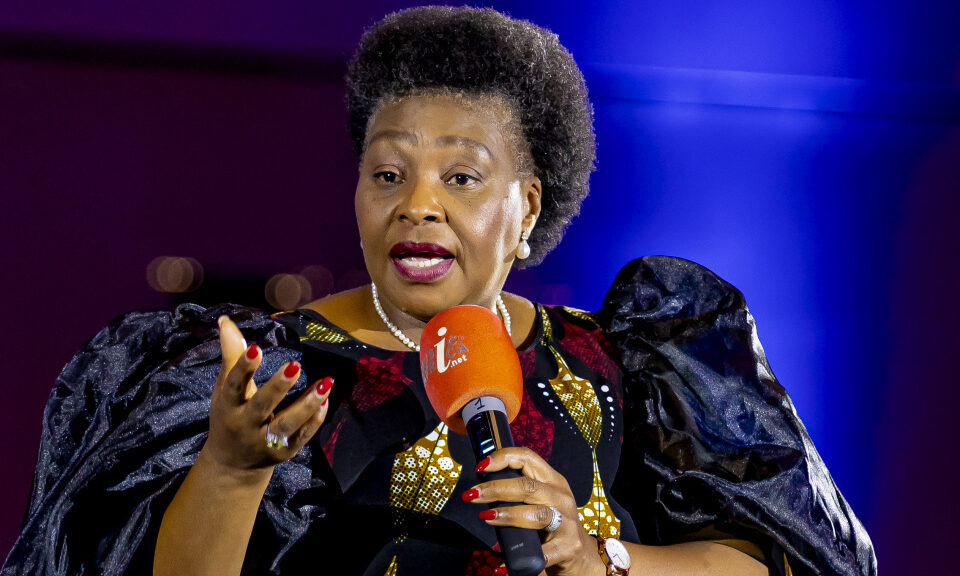
Pour les praticiens et les organisations culturels et créatifs opérant en Afrique australe, l’accès au financement reste un défi majeur. La pandémie de COVID-19 a également eu un impact massif sur les politiques gouvernementales, les dépenses et l’économie en général, et a vu les dépenses consacrées à la culture reléguées plus bas dans la liste des priorités. De plus, les industries culturelles et créatives citent régulièrement quatre domaines principaux où l’investissement est nécessaire pour la croissance : une visibilité accrue, la mobilité incluant l’accès à de nouveaux marchés, le financement et les structures de soutien.

Music In Africa Live

MUSIC IN AFRICA LIVE Lancé en 2020 pour une durée de 3 ans, Music In Africa Live est une initiative visant à soutenir l'écosystème de la musique africaine face aux contraintes imposées par la pandémie de COVID-19 ; le projet a été lancé par la Fondation Music In Africa (MIAF) en partenariat avec le ministère fédéral allemand des Affaires étrangères, Siemens Stiftung et le Goethe Institut. Plus de 30 aides sont disponibles dans le cadre de la troisième édition de Music In Africa Live, dans 3 catégories :  showcases, renforcement des compétences et plaidoyer, en conformité avec les modalités énoncées.

Instrument Building And Repair Project

The overarching objective of Music In Africa Foundation’s Instrument Building and Repair (IBR) project is to encourage the formalisation and professionalisation of instrument-making and repair in Africa, especially in relation to indigenous African instruments. Background In 2014, the Music In Africa Foundation (MIAF) identified as one of its focus areas for development the need to encourage young people from music and music-related sectors to consider instrument-making as a career. This need extended itself from the recognition that the making of traditional African instruments is not a widely practiced skill and seems to be limited to the older generation. Traditional African instrument makers are also few and far between, making communication and logistics between teachers and learners an obstacle. When instrument building workshops take place, budgetary constraints do not allow teachers or learners the time to explore the finer details of an instrument. Based on these observations, the MIAF designed and piloted the first IBR workshop at the Dhow Countries Music Academy (DCMA) in Zanzibar in February 2015. In 2016, the foundation received funding from the South African National Lotteries Commission to implement a much bigger version of the project in Johannesburg. The project drew participants from five African countries. 25 students from South Africa, Ghana, Senegal, Kenya and Ethiopia were trained on how to build and repair musical instruments. The instruments that they made were: Traditional Instruments: Umakhweyana and Marimba Conventional Instrument: Dulcimer guitar The workshop culminated in a traditional instruments concert at the Wits Theatre in Johannesburg. It is the MIAF’s aim to roll out similar workshops in as many African countries as possible over the next few years. Objectives Developing awareness of musical instrument makers in Africa with a view to promote their work to a wider global audience. Facilitating the sharing and transfer of skills in indigenous instruments between countries on the continent. Encouraging the formalisation and professionalisation of instrument-making and repair in Africa, especially in relation to indigenous instruments. Helping instrument makers develop their careers. Fostering the rapid monetisation and sustainable development of instrument-making and repair in Africa. Promoting constant exchange of ideas, expertise, experiences and know-how among instrument makers in Africa. Facilitating the identification of existing gaps in the field with a view to contribute new solutions. Facilitating the transfer of knowledge and skills of indigenous instruments between younger and older generations. 2020 edition The MIAF has also announced that multi-instrumentalist and instrument maker Joe Makhanza will facilitate one of the workshops on the building of the kamale ngoni instrument. Kamale ngoni is a kora-like, stringed instrument that originated in West Africa. The instrument contributed to the rise of Wassoulou music in the 1970s and 1990s. Makhanza was born in Giyani in South Africa's Limpopo province. He completed a bachelor of music degree and a post-graduate diploma in arts marketing from Wits University. He is currently completing his masters in ethnomusicology and is a part-time lecturer in African music studies at Rhodes University. He plays the kora, mbira, valiha, masenqo, xiwewe, ngoni ba and xizambi, among others. He also manufactures the aforementioned instruments. The MIAF will confirm more trainers who will join the workshops as well as the other instruments that will be featured in the 2020 IBR programme.  Apply to participate here. Connect with us on Twitter, Instagram and Facebook, and subscribe to our monthly newsletter. The Music In Africa Instrument Building and Repair project is funded by the National Lotteries Commission. It is implemented in partnership with Siemens Stiftung, Goethe-Institut, Wits Theatre and Kaya FM.

banner image

The recording industry in Mozambique

Accueil/Non classé/The recording industry in Mozambique

The Mozambican recording industry: 1961-1974

Although Mozambique had a vibrant recording industry in the era of colonial rule, the industry was centred on the promotion of Portuguese music and musicians. It was only in the early 1960s that Mozambican music of African origins began to be recorded and promoted, due to political changes brought about by the liberation struggle in the region. Adriano Moreira, who became Portugal’s Minister of Overseas Provinces, abolished the Indigeneity Statute and introduced policies that allowed black Mozambicans to obtain Portuguese citizenship. This social change resulted in a number of Mozambicans of African origin being able to record their albums[1].

Releases such as Conjunto Joao Domingos at Casa Bayly (1963) and Orquestra Djambu’s Marrabenta at Alvorada (1965) allowed these Mozambican musicians to gain popularity at home and abroad, and allowed the local genre of marrabenta to find an overseas audience even as the Mozambican War of Independence (1964-1974) continued to cause unrest in the country[2].

The Mozambican music recording industry during the transition years: 1974-1977

The Mozambique Liberation Front (FRELIMO) revolutionary group successfully negotiated a ceasefire with the Portuguese in September 1974, which led to Mozambique gaining independence on 25 June1975[3]. This transitional period was characterised by social reform and increased openness to African musicians. Mozambican musicians and singers were promoted and their songs were imbued with a sense of freedom and creativity following the country’s liberation struggle. This led to a productive period for the recording industry, with artists like Lalarita, João Wate, Wazimbo and Fanny Mpfumo recorded at the influential 1001 Studios in the capital Lourenço Marques (renamed Maputo in 1976). In addition to 1001, other two recording companies – Teal Discos and Somodiscos – were active in the promotion of Mozambican musicians in this transitionary period to independence.

[video:https://www.youtube.com/watch?v=w8YnYqPZF0g autoplay:0]

The Mozambican recording industry in the socialist period: 1977-1992

The third FRELIMO Congress in February 1977 saw the party officially adopt a Marxist-Leninist ideology and begin to exert state control over the functions of the Mozambican economy[4]. Private enterprise was forbidden and many Portuguese nationals, including music industry professionals, left the country, which contributed to the weakening of the recording industry at large[5]. Compounding these problems was the outbreak of a civil war between FRELIMO and the Mozambican National Resistance (RENAMO), which lasted 25 years until the adoption of a new Constitution in 1992[6].

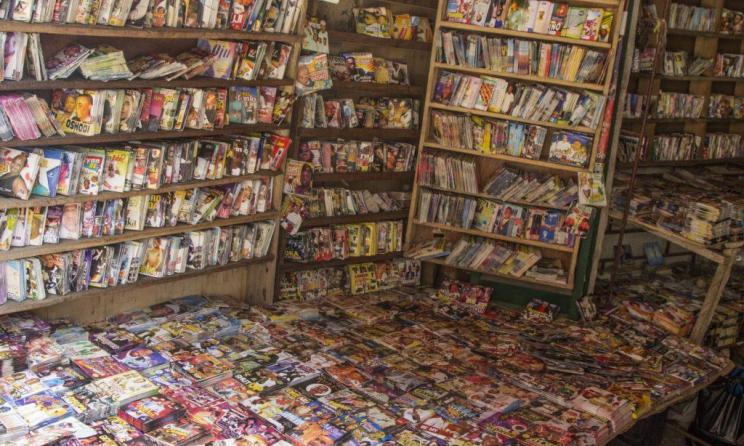
During this period, official policies did not allow for the exportation of money and as a result Mozambican record companies could not make royalty payments to South African producers, who held many of the exclusive rights for a host of Mozambican artists. Record companies ran up debts and couldn’t acquire new vinyls to press and print. The introduction of new technology in the 1980s, on the other hand, led to the introduction of cassette tapes on the Mozambican music market[7]. A few years later, with the widespread production of CDs, copyright infringement and piracy began to assert control over the recording industry in Mozambique[8].

The Mozambican recording industry in the post-war period: 1992-2009

The period from 1992 to 2009 saw significant political changes in Mozambique. The country adopted a multi-party system of governance, and the new Constitution of 1992 brought about a peace agreement between FRELIMO and RENAMO, which ended the 25-year civil war. The new Constitution heralded the emergence of a new society where freedom of expression and private enterprise were allowed, and during a period of 10 years, a considerable number of recording companies established themselves, such as Vidisco Moçambique, Sons d’Africa, Globe Música and JB Recording[9].

However, copyright infringement remained rife and music pirates were able to sell Mozambican CDs for a fraction of the cost. Even independent companies with lower overheads – such as Nehaz Produções, Zammo Sound, Artison and Mozbeat – could not withstand the effects of piracy and were forced to close down[10]. 

Recording studios in Mozambique 

Recording studios in Mozambique are, to a certain extent, more economically viable than record labels. This is largely because they do not depend on CD sales to survive and earn their money from recording sessions, regardless of whether a product is successful or not. Musicians, on the other hand, might even pass their recordings on to DJs, or, in a bid to gain popularity in an extremely challenging market, sell their music directly to the pirates themselves[11]. Independent recording studios that are currently operational in Mozambique, according to a late 2018 Internet search, include Cypher Studios (Maputo), Bomba Music Records (Maputo), Capta Studio (Maputo), Friends Studios Productions Mozambique (Maputo), VonZan Studio (Beira) and Bom Track Studios (Beira), among others. 

Record labels 

At the time of writing (2018), Mozambique boasts several record labels that actively promote young and talented musicians in the country. These include Game Over, Bz and Noddy Entertainment. Together they have been promoting Mozambican artists with relative success in Portuguese-speaking regions around the world. Some important musicians include Claudio Ismael, the Baronet Brothers, Kastelo Bravo and K-Marques, Messias Maricoa, José Marcelino, Felex, Stephan Moaga, Teanna Songz and Dom Kevin[12]. 

[video:https://www.youtube.com/watch?v=Fexh-u5-W5c autoplay:0]

In addition to these three, Bang Entertainment was launched in the early 2000s, which is generally considered the most influential label in the country. Bang Entertainment represents a considerable number of popular Mozambican artists, such as Lizha James, Ziqo, Marlene, Dama do Bling and Valdemiro Jose. For years this label has dominated the Mozambican market[13]. Kongoloti Records is another Mozambique-based label that promotes music from Lusophone Africa[14].

The future

Despite many years of instability in Mozambique, there is cause for optimism, particularly with the emergence of successful record labels and innovative mobile recording studios such as Wired For Sound[15]. In addition, the encouraging trend of rising digital music sales could reduce the effects of piracy on the country’s recording industry by eliminating the illegal manufacturing of CDs from the supply chain[16].

Resources and citations:

  • [1] Laranjeira, Rui. A marrabenta sua evolução e estilização, 1950 -2002. Maputo, Independent Edition: 2014
  • [2] https://www.discogs.com/Orquestra-Djambu-Marrabenta/release/7639071
  • [3] https://en.wikipedia.org/wiki/Mozambican_War_of_Independence
  • [4] http://www.politicsweb.co.za/opinion/frelimos-1977-guidelines-for-a-peoples-democracy
  • [5] Laranjeira, Rui. A marrabenta sua evolução e estilização, 1950 -2002. Maputo, Independent Edition: 2014
  • [6] https://en.wikipedia.org/wiki/Mozambican_Civil_War
  • [7] https://www.peoplesworld.org/article/remembering-mozambiques-forgotten-socialist-years/
  • [8] Savana, 2015:13
  • [9] http://br.monografias.com/trabalhos-pdf/impacto-pirataria-industria-discografica-mocambicana/impacto-pirataria-industria-discografica-mocambicana.pdf
  • [10] https://noticias.mmo.co.mz/2017/06/inae-apreende-discos-pirateados-em-maputo.html
  • [11] https://mg.co.za/article/2001-11-16-at-the-heart-of-marrabenta
  • [12] http://mozentretenimento.co.mz/as-3-grandes-labels-de-descoberta-de-talentos-em-mocambique/
  • [13] https://www.news24.com/MoveMag/Archive/dama-do-bling-20170728
  • [14] https://daily.bandcamp.com/2017/07/07/kongoloti-records-label-profile/
  • [15] https://www.theguardian.com/world/2013/sep/17/mozambique-wired-for-sound
  • [16] http://clubofmozambique.com/news/music-sales-hit-record-high/

Disclaimer: Music In Africa’s Overviews provide broad information about the music scenes in African countries. Music In Africa understands that the information in some of these texts could become outdated with time. If you would like to provide updated information or corrections to any of our Overview texts, please contact us at [email protected].

Editing by David Cornwell

newsletter banner

Abonnez-vous à notre newsletter

Retrouvez-nous sur les réseaux sociaux