






































NEFCISA
NEFCISA

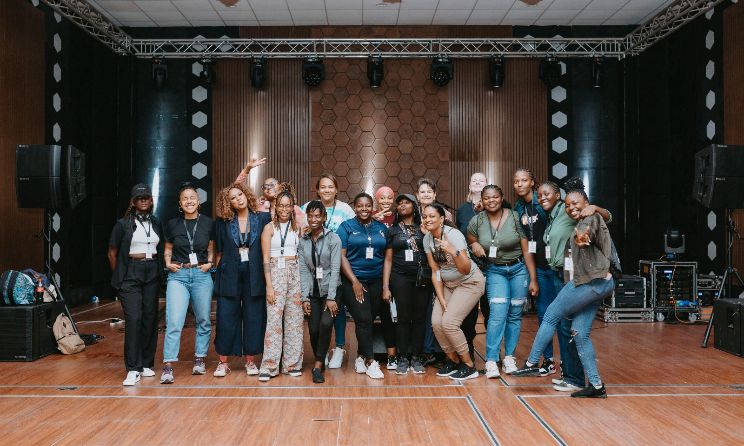
The Music In Africa Foundation (MIAF) is proud of its partnership with the Industrial Development Corporation (IDC) as a Strategic Implementing Partner (SIP) for its Social Employment Fund (SEF). Through this collaboration, MIAF is running a national programme that is creating jobs, addressing skills gaps, and strengthening South Africa's creative industries — in line with the SEF's overarching goal to generate work for the common good and build community value through employment, social contribution, and inclusive economic participation. Operating under the banner NEFCISA (National Employment Facility for Creative Industries in South Africa), the initiative is recruiting and training participants, matching them with host organisations, and has already placed 1 500 workers across the country — surpassing its original target of 1 000. NEFCISA is delivered through a network of 20 host organisations spanning five provinces, who are actively hosting participants and contributing to work for the common good across South Africa's creative and cultural industries. Key Objectives: Support employment and entrepreneurship in the creative industries. Offer skills development and training programmes. Foster partnerships between public and private creative sectors. Promote South African creativity at both provincial and national levels Foster community development through social contribution.

ACCES
ACCES

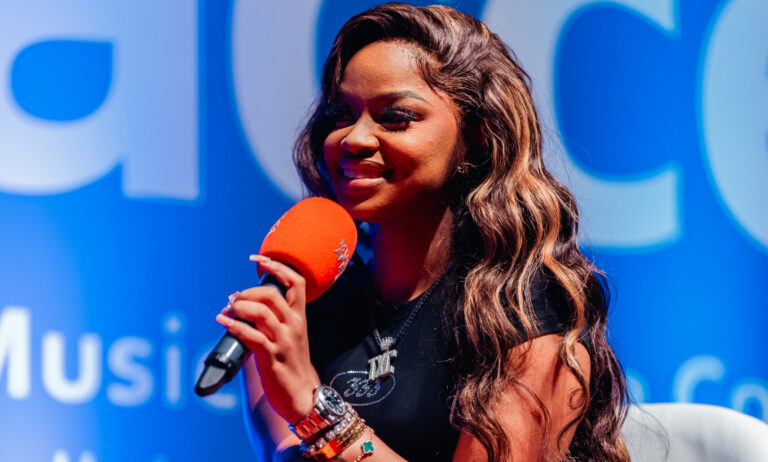
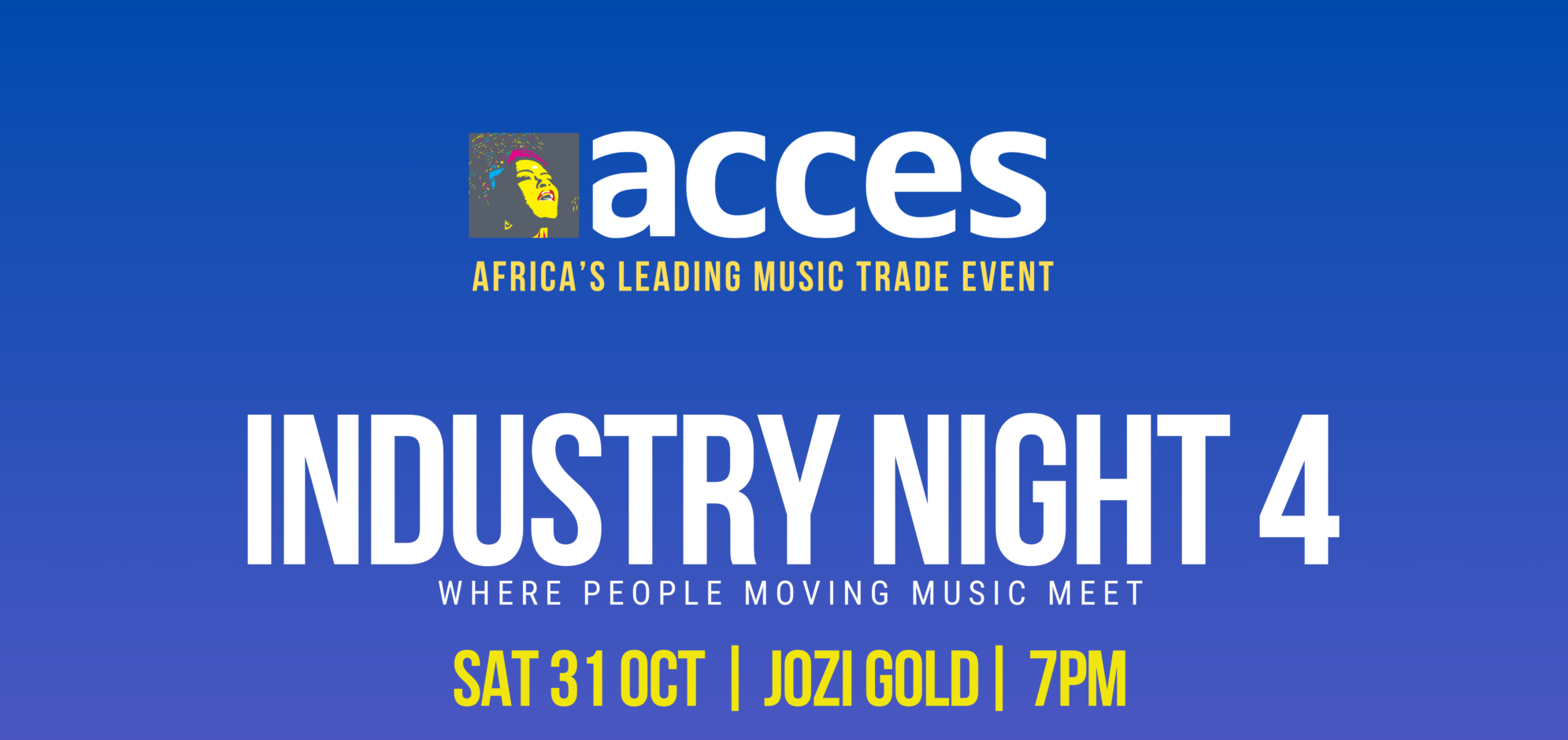
ACCES Conference and Showcase Festival is Africa's leading music industry gathering, bringing together the people shaping the future of the continent's music business. Artists, entrepreneurs, executives, investors, policymakers and cultural leaders from across Africa and around the world come to ACCES to build partnerships, exchange ideas, discover talent and create new business opportunities. Since its launch in 2017, ACCES has become the continent's premier platform for professional exchange and music market development. Combining a high-level conference with a curated showcase festival, networking, exhibitions and industry programmes, ACCES offers a unique space where creativity meets business and where African music connects with the global industry.

Gender@Work
Gender@Work

Music In Africa Gender @ Work is a three-year training programme aimed at upskilling and increasing the participation of female professionals in the African music sector. Launched by the Music In Africa Foundation (MIAF) in April 2019, the programme is connected to the MIAF’s ACCES music conference – a pan-African event held in a different African country every year. This connection enables the programme to reach new participants in a different African country every year. The programme marks the beginning of a more concerted effort by the Foundation to support the participation and inclusion of women in all facets of its programmes and the music sector in Africa as a whole. Over the three years, the programme will aim to address gender imbalances in the sector through training, lobbying, facilitating knowledge exchange and dialogues that foster the interest of women. The broader objectives of the programme are to: Provide industry training for women on critical music industry skills, focusing on: Stage management Electronic music production and recording Music business management Technical knowledge Provide an opportunity for both professional and aspiring women to benefit from the Music In Africa network and its broad range of activities in 2019, 2020 and 2021. Provide a solution-based platform in the form of a round table at ACCES with a view to identify challenges, discuss opportunities and lobby for the interests of female practitioners. Offer participants the opportunity to benefit from programmes offered by MIAF’s partners. Increase access to educational materials. Integrate participants in the broader ACCES programme to maximise experience and exposure to the industry. Record and present training materials on the www.musicinafrica.net, including but not limited to tutorials, templates and other best-practice materials. Communicate women-based themes that support the initiatives and messages of the programme. MAIN TRAINING ACTIVITIES Training in first country (Ghana): In the first year, participants will be trained on all aspects of stage management by a team of experienced stage managers from 10 to 17 November 2019. The programme will offer robust classroom training as well as practical, hands-on training in which participants will also be given the opportunity to manage various aspects of the ACCES performance programme. Training in second country: The second training iteration will take place at ACCES 2020 when the programme will diversify its course to include music production lessons and training on other music business topics. A round-table platform will also be introduced to coincide with the ACCES programme. Training in third country: The third training iteration will take place at ACCES 2021 in a different country, offering an advanced course. HOW DO YOU GET INVOLVED?  As a participant, facilitator or trainer: The programme enrolls up to 12 trainees every year. All opportunities are advertised publicly on this website, and will be added to this page. Please keep checking this page for new calls (below under UPDATES & CURRENT OPPORTUNITIES). As a partner Please contact Claire Metais at [email protected]. APPLY The call for applications for 2020 will be announced soon. The Music In Africa Gender @ Work programme is made possible with the support of the Prince Claus Fund, Siemens Stiftung and Goethe-Institut.

Sound Connects Fund
Sound Connects Fund

For cultural and creative practitioners and organisations operating in southern Africa, access to funding remains a major challenge. The COVID-19 pandemic has also had a massive impact on government policy, spending and the economy in general, and has seen spending on culture being moved further down the list of priorities. Further, the cultural and creative industries repeatedly cite four main areas where investment is needed for growth, which are increased visibility, mobility including access to new markets, finance and support structures.

Instrument Building And Repair Project

Experience the Vibrations African Instruments Exhibition online in 3D

News

Africa mourns the loss of Congolese legend Papa Wemba
26 Apr 2016 - 09:32

cc-img flag-img

Congolese singer Papa Wemba died on Sunday 24 April in Abidjan, Ivory Coast, where he was participating in the Urban Music Festival of Anoumabo (FEMUA). He was 66 years old.
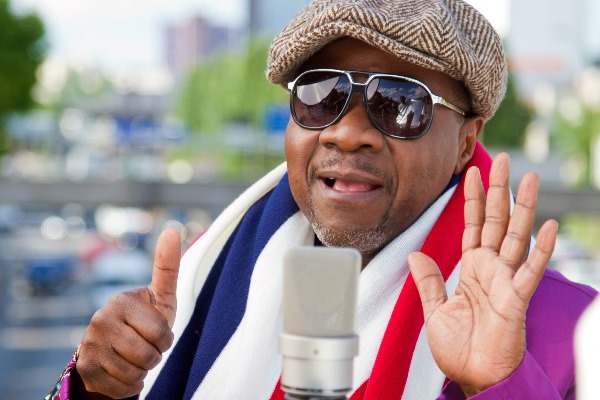
Congolese star Papa Wemba died on stage in Abidjan over the weekend.

The musician from DRC died in the middle of the stage while he was singing. He had apparently just started his performance and after singing three songs collapsed, to everyone’s surprise.

His press secretary, Henri Noel Mbuta, told local radio stations in Kinshasa. "Around 5:10am Abidjan time, Papa Wemba had been called onto stage to perform . He sang the first and the second song. While singing the third song, he collapsed. I was following the concert live on television. I saw the dancers surround Papa Wemba. I thought it was part of the show, but then I saw people from the Ivorian Red Cross come on stage to take him to hospital.

“Ten minutes later, I was told that he is in intensive care," recalled Mbuta. “I called 30 minutes later and Cornelie (one of his staff) told me that Papa Wemba had passed away.”

At 11:38 FEMUA organizers officially confirmed the death of the Congolese artist in a post on social media: "It is with deep sadness that the General Commission of FEMUA announces the death of the Congolese artist Papa Wemba, which occurred following a seizure on stage at the Urban Music Festival of Anoumabo on the night of 23 to 24 April 2016 ".

Wemba died following discomfort on stage, yet before the concert the singer looked very fit. His last message on his Facebook page reads: "We will be at Anoumabo tonight from 3am (Abidjan), televised live on RTI, and Korhogo tomorrow at 9pm (Abidjan). Good festivities to one and all!"

According Claudy Siar, host of Couleurs Tropicales (Tropical Colors) on Radio France Internationale (RFI), Papa Wemba had wanted to perform at the concert earlier, "But I told him that it is the prerogative of the biggest act to go on stage last. It is he who has to close the ceremony to inspire the youth," said Mr. Siar.

Tributes pour in

Still in shock, artists and other personalities from the DRC and around the world paid tribute to Congolese rumba star.

Senegalese artist Youssou N'Dour said in a brief message: "A great artist is gone. RIP to the prince of music.”

"A thought for our Papa Wemba - thank you for your voice and your songs your sympathy for this artistic legacy. Thank you for everything. RIP," said rapper Passi from Congo-Brazzaville.

Maurice Bandaman, the Ivorian Minister of Culture and Francophonie expressed his "solidarity to the African music family."

"I am shocked by the sudden disappearance of the great artist Jules Shungu Wembadio ‘Papa Wemba’," wrote Lambert Mende, the DRC’s Minister of Media.

"For me, it is with great sadness (I just heard the news) and simultaneously mixed with much anxiety, because I knew he was very weak. Let him play at a festival, but on top of that he goes on stage for hours at 5am, at his age. I think the organizers did the schedule wrong," said Felix Wazekwa, his lyricist.

Koffi Olomidé, another legendary artist of DR Congo, was full of regret, comparing Papa Wemba to other legends of Congolese music: “For me, the value of Congolese music is also effected. Tabu Ley is no more. Madilu is already dead, as is Pepe Kallé and Luambo Franco Makiadi. Today it’s Papa Wemba."

In Abidjan, the Ivorian capital, FEMUA’s organizers plan to hold a wake at the scene of the festival in Anoumabo, where artists from Ivory Coast will pay tribute to the Congolese musician. Nothing has been confirmed yet.

In Kinshasa, fans of the singer are anxiously awaiting the mortal remains of their star. No official program has been announced here yet either.

Jules Shungu Wembadio – better known as Papa Wemba – established himself as a central figure in Congolese music and an African icon during the course of his 50-year career. In 1977 he founded the orchestra Viva La Musica, after having made ​​his debut in Zaïko Langa Langa, which he co- founded in 1969, as well as stints in Isifi Lokole then Yoka Lokole. With Zaïko he had several hit songs, including ‘Chouchouna’, ‘Pauline’, ‘Liwa ya Somo’ and ‘Amoureux déçu’ (disappointed lover). He will also be remembered for the song ‘Amazone’, the name of his wife, which helped establish the group Isifi Lokole.

After several albums with his group Viva La Musica, Papa Wemba found worldwide success with Real World, the label of Peter Gabriel with whom he released three albums: Le Voyageur (The Traveler) in 1992; Emotion in 1995, which sold 500 000 copies, and Molokai in 1999.

Papa Wemba is also regarded as a pioneer of the fashion movement known as La Sape. He has collaborated with leading musicians such as Manu Dibango, Ray Lema, Youssou N'Dour, Koffi Olomide and Lokua Kanza, who was the arranger of his album Emotions. We will also remember his starring role in the film La Vie est Belle (life is beautiful), released in 1997 and directed by Dieudonné Ngangura Mweze and Benoît Lamy.

His latest album Maître d’école (schoolmaster) was released in 2014 and dedicated to Congolese rumba.

Please log in to post a comment.

Most popular

Disclaimer: Music In Africa provides a platform for musicians and contributors to embed music and videos solely for promotional purposes. If any track or video embedded on this platform violates any copyrights please inform us immediately and we will take it down. Please read our Terms of Use for more.

newsletter banner

Subscribe to our monthly Newsletter

Follow us on social media