









































NEFCISA
NEFCISA

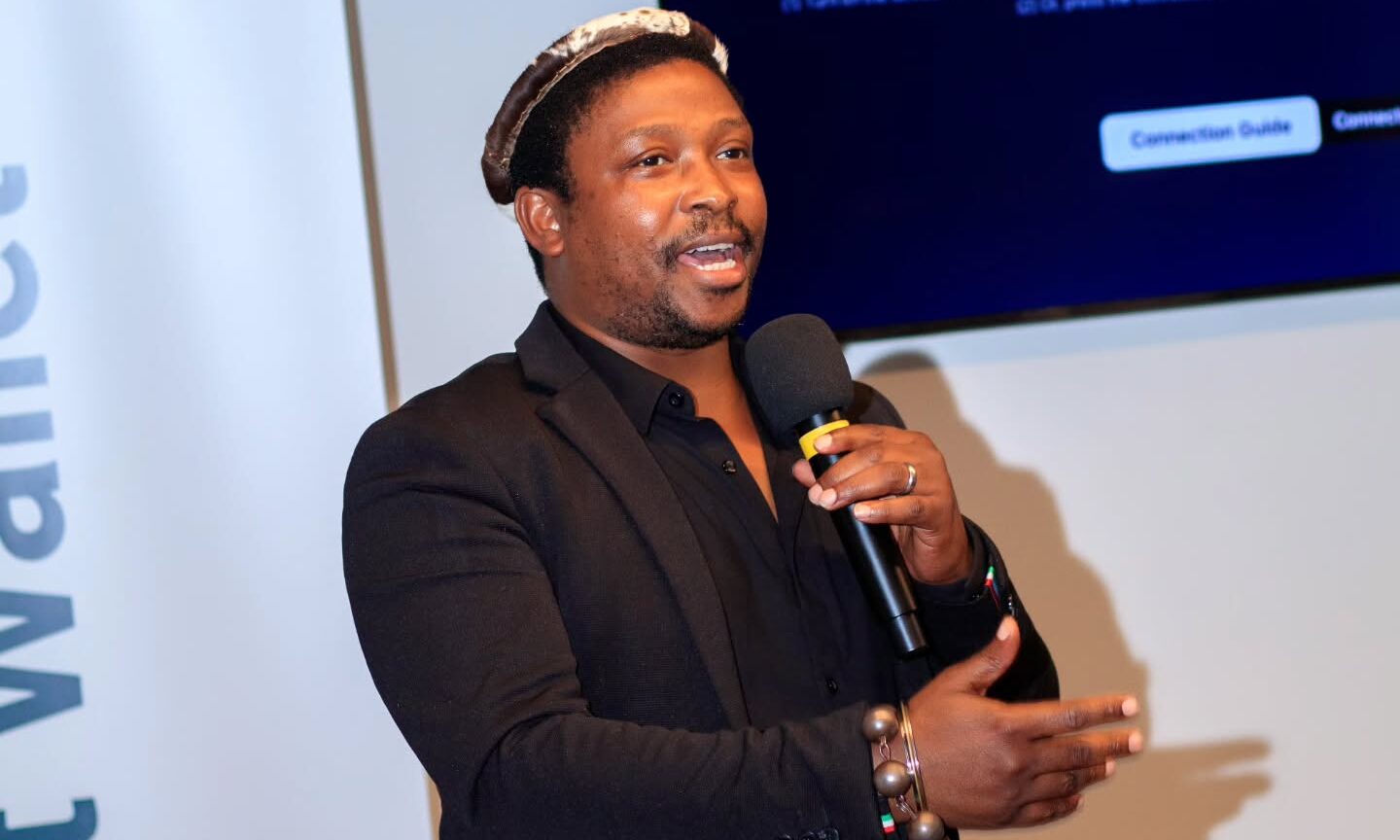
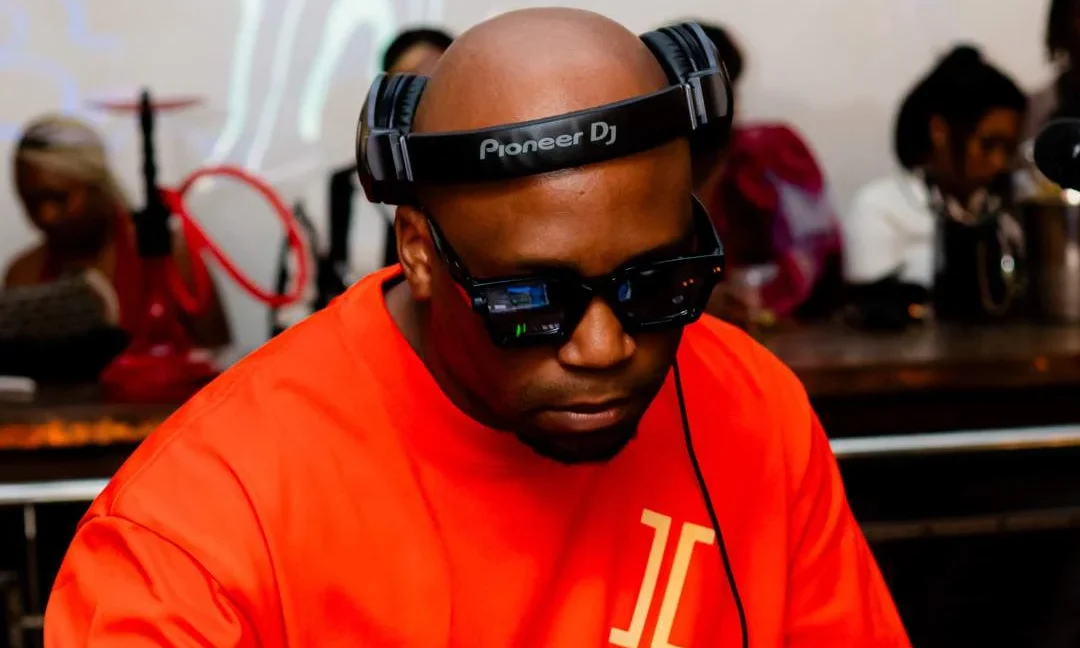
The Music In Africa Foundation (MIAF) is proud of its partnership with the Industrial Development Corporation (IDC) as a Strategic Implementing Partner (SIP) for its Social Employment Fund (SEF). Through this collaboration, MIAF is running a national programme that is creating jobs, addressing skills gaps, and strengthening South Africa's creative industries — in line with the SEF's overarching goal to generate work for the common good and build community value through employment, social contribution, and inclusive economic participation. Operating under the banner NEFCISA (National Employment Facility for Creative Industries in South Africa), the initiative is recruiting and training participants, matching them with host organisations, and has already placed 1 500 workers across the country — surpassing its original target of 1 000. NEFCISA is delivered through a network of 20 host organisations spanning five provinces, who are actively hosting participants and contributing to work for the common good across South Africa's creative and cultural industries. Key Objectives: Support employment and entrepreneurship in the creative industries. Offer skills development and training programmes. Foster partnerships between public and private creative sectors. Promote South African creativity at both provincial and national levels Foster community development through social contribution.

ACCES
ACCES

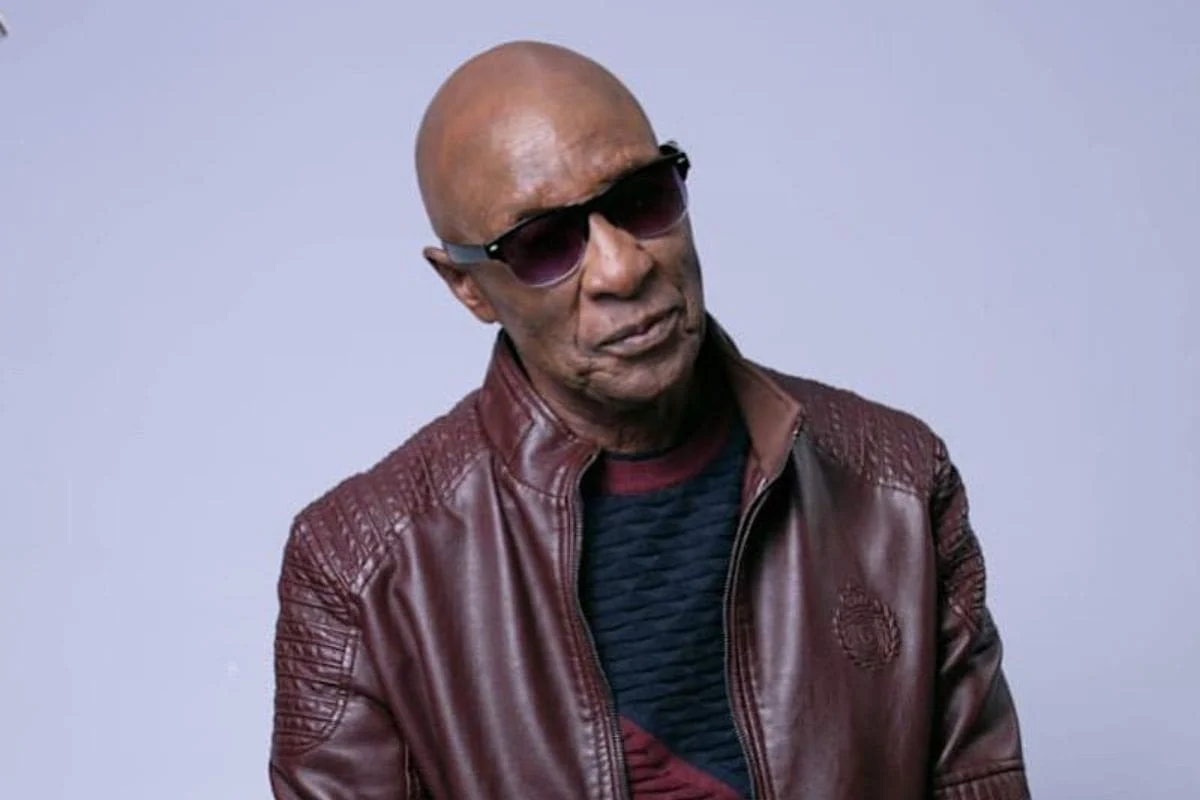
ACCES Conference and Showcase Festival is Africa's leading music industry gathering, bringing together the people shaping the future of the continent's music business. Artists, entrepreneurs, executives, investors, policymakers and cultural leaders from across Africa and around the world come to ACCES to build partnerships, exchange ideas, discover talent and create new business opportunities. Since its launch in 2017, ACCES has become the continent's premier platform for professional exchange and music market development. Combining a high-level conference with a curated showcase festival, networking, exhibitions and industry programmes, ACCES offers a unique space where creativity meets business and where African music connects with the global industry.

Gender@Work
Gender@Work

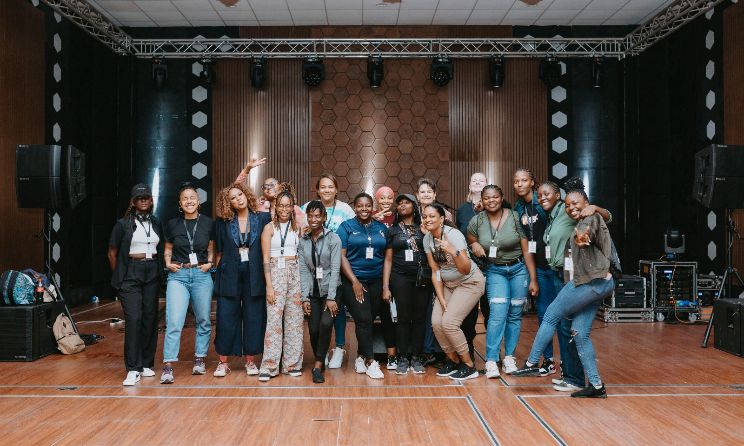
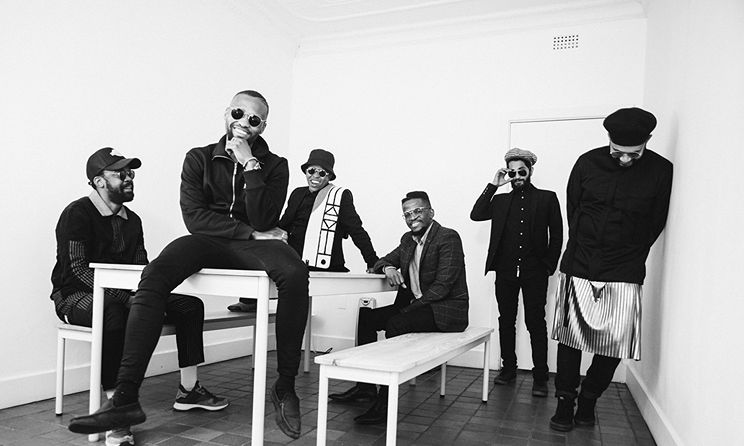
Music In Africa Gender @ Work is a three-year training programme aimed at upskilling and increasing the participation of female professionals in the African music sector. Launched by the Music In Africa Foundation (MIAF) in April 2019, the programme is connected to the MIAF’s ACCES music conference – a pan-African event held in a different African country every year. This connection enables the programme to reach new participants in a different African country every year. The programme marks the beginning of a more concerted effort by the Foundation to support the participation and inclusion of women in all facets of its programmes and the music sector in Africa as a whole. Over the three years, the programme will aim to address gender imbalances in the sector through training, lobbying, facilitating knowledge exchange and dialogues that foster the interest of women. The broader objectives of the programme are to: Provide industry training for women on critical music industry skills, focusing on: Stage management Electronic music production and recording Music business management Technical knowledge Provide an opportunity for both professional and aspiring women to benefit from the Music In Africa network and its broad range of activities in 2019, 2020 and 2021. Provide a solution-based platform in the form of a round table at ACCES with a view to identify challenges, discuss opportunities and lobby for the interests of female practitioners. Offer participants the opportunity to benefit from programmes offered by MIAF’s partners. Increase access to educational materials. Integrate participants in the broader ACCES programme to maximise experience and exposure to the industry. Record and present training materials on the www.musicinafrica.net, including but not limited to tutorials, templates and other best-practice materials. Communicate women-based themes that support the initiatives and messages of the programme. MAIN TRAINING ACTIVITIES Training in first country (Ghana): In the first year, participants will be trained on all aspects of stage management by a team of experienced stage managers from 10 to 17 November 2019. The programme will offer robust classroom training as well as practical, hands-on training in which participants will also be given the opportunity to manage various aspects of the ACCES performance programme. Training in second country: The second training iteration will take place at ACCES 2020 when the programme will diversify its course to include music production lessons and training on other music business topics. A round-table platform will also be introduced to coincide with the ACCES programme. Training in third country: The third training iteration will take place at ACCES 2021 in a different country, offering an advanced course. HOW DO YOU GET INVOLVED?  As a participant, facilitator or trainer: The programme enrolls up to 12 trainees every year. All opportunities are advertised publicly on this website, and will be added to this page. Please keep checking this page for new calls (below under UPDATES & CURRENT OPPORTUNITIES). As a partner Please contact Claire Metais at [email protected]. APPLY The call for applications for 2020 will be announced soon. The Music In Africa Gender @ Work programme is made possible with the support of the Prince Claus Fund, Siemens Stiftung and Goethe-Institut.

Sound Connects Fund
Sound Connects Fund

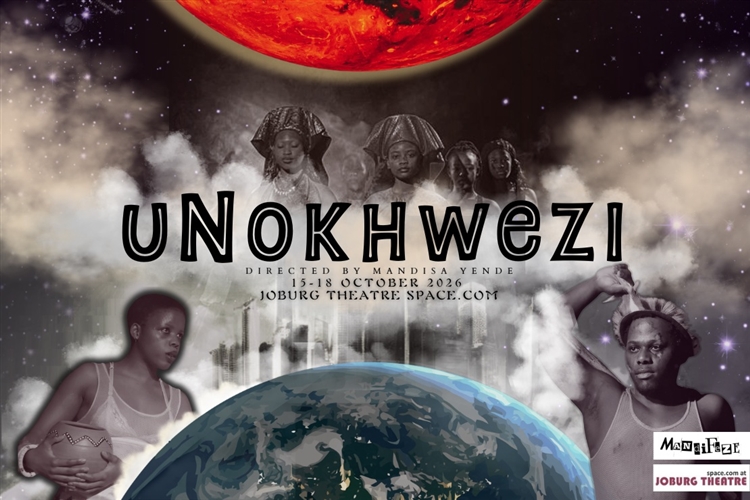
For cultural and creative practitioners and organisations operating in southern Africa, access to funding remains a major challenge. The COVID-19 pandemic has also had a massive impact on government policy, spending and the economy in general, and has seen spending on culture being moved further down the list of priorities. Further, the cultural and creative industries repeatedly cite four main areas where investment is needed for growth, which are increased visibility, mobility including access to new markets, finance and support structures.

Instrument Building And Repair Project

Experience the Vibrations African Instruments Exhibition online in 3D

Features

The first Kenyan singer to hit sales of 150 000

27 Oct 2015 - 09:34

cc-img flag-img

1974 was a special year in the career of Kenyan composer, singer and guitarist, Gabriel Omolo. In September that year, Omolo became the first Kenyan musician to be awarded an international gold disc for the sales of his single ‘Lunchtime’. Phonogram Records certified a total of 150 000 copies of the single sold in East and West Africa by that time. The company’s vice-president, Joop Buinink, flew to Nairobi to be present when Permanent Secretary for Information and Broadcasting, John Ithau, officially handed over the plaque to Omolo at a function at the Panafric Hotel in Nairobi.

Kenyan artist Gabriel Omolo. Photo: www.youtube.com

As a result of this achievement, he was selected as the first musician in the country to be awarded the Guinness Stout Effort Award in September 1974. Omolo and his band, Apollo Komesha, had recorded 20 singles for Phonogram with total sales of 300 000 copies, more than another of the 80 bands contracted to the company.

In his social commentary that still remains resonates 40 years after its release, Omolo captured the plight of the urban worker who struggles to make ends meet and can only afford a little luxury at the end of the month. “I was working in Industrial area and I noticed that at the end of the month my fellow workers would all run away from the usual githeri and porridge for lunch and would instead be found eating chapati and beef,” he says

“Similarly, come the end of the month and all the fellows who would otherwise be whiling the time away, sleeping under the shade of Jeevanjee Gardens in Nairobi would be feasting on chips and chicken,” he adds. The lyrics of ‘Lunchtime’ came naturally from these observations and the impact was felt far beyond Kenya.

Born in 1939, Omolo was raised in the railway quarters of Muthurwa and later, Makongeni, Nairobi. He learnt how to play the guitar while at St. Peters Claver’s Primary School where he also sang in the choir. His career took off in the 1960s when he joined the iconic Equator Sound Band along with Fadhili William, Daudi Kabaka, and Nashil Pichen. When the musicians fell out with Equator owner, Charles Worrod in 1968, it did not take along before another deal came through.

Politician J.M. Kariuki set up the African Eagles Recording Limited and made Kabaka, Pichen and Omolo directors of the company. Kenyan actor and broadcaster Oliver Litondo who worked as Press Secretary for J.M says these musicians felt that they were not getting their due share from the sales of their records at Equator and were therefore delighted with this new deal. “J.M remained as chairman while the musicians were free to run the company and I would help them plan their recordings, rehearsals and concerts.”

Omolo confirms that the new set up was very favorable to the artists. “J.M was really keen on promoting us and he offered all the facilities we required to succeed. His violent death in 1975 was not just a blow to the politics of the country but it also marked the end of the company he had formed with the best musicians in the country,” he says.

Omolo played with the Blue Shades Band before forming his own outfit, Apollo Komesha 71, and released music under the Apollo record label that was distributed by Phonogram Limited. “Phonogram not only gave me a contract but the company advanced me 10 000 shillings, a princely sum at the time, to buy instruments for the band.

The Managing Director of Phonogram Limited, Niewenhuis best summed up the impact of Gabriel Omolo’s success, saying the company recorded about 1 000 new songs every year and pressed 3 million records, of which they would export more than half. “This earns Kenya about five million shillings a year in foreign exchange, which makes Gabriel Omolo one of Kenya’s foreign exchange earners!” he said.

The gold disc itself was deposited at the Kenya Commercial Bank, according to radio presenter James Onyango Joel, but Omolo himself is less forthcoming about the whereabouts of his award: “I kept it some place safe,” he says.

The follow up singles like ‘Keep Change’ and ‘Mr. Kupe’ retained the social commentary but could not quite attain the same heights of success as ‘Lunchtime’. In later years, Omolo tried his hand at various businesses including running a taxi business and operating a music store in Mombasa. He was also employed as a driver with the United Nations in Nairobi from 1989 to 1995.

His accomplishments have however gone unnoticed by most Kenyans save for a performance at the first Mashujaa Day celebrations in 2010 and a Head of State Commendation (HSC) a year later. The song ‘Lunchtime’ was also redone by producer Tabu Osusa and his Nairobi City Ensemble in a version featuring the late rapper Poxi Presha in 2005.

Today, Gabriel Omolo spends his time at his home in Ugunja, Siaya County writing songs and playing his guitar. More and more, he recalls the songs he learnt in the choir at primary school. He laughs: “Maybe it is just my old age...”


Originally published in the Daily Nation on 2 September 2013

Please log in to post a comment.

Most popular

Disclaimer: Music In Africa provides a platform for musicians and contributors to embed music and videos solely for promotional purposes. If any track or video embedded on this platform violates any copyrights please inform us immediately and we will take it down. Please read our Terms of Use for more.

newsletter banner

Subscribe to our monthly Newsletter

Follow us on social media