












































NEFCISA
NEFCISA

The Music In Africa Foundation (MIAF) is proud of its partnership with the Industrial Development Corporation (IDC) as a Strategic Implementing Partner (SIP) for its Social Employment Fund (SEF). Through this collaboration, MIAF is running a national programme that is creating jobs, addressing skills gaps, and strengthening South Africa's creative industries — in line with the SEF's overarching goal to generate work for the common good and build community value through employment, social contribution, and inclusive economic participation. Operating under the banner NEFCISA (National Employment Facility for Creative Industries in South Africa), the initiative is recruiting and training participants, matching them with host organisations, and has already placed 1 500 workers across the country — surpassing its original target of 1 000. NEFCISA is delivered through a network of 20 host organisations spanning five provinces, who are actively hosting participants and contributing to work for the common good across South Africa's creative and cultural industries. Key Objectives: Support employment and entrepreneurship in the creative industries. Offer skills development and training programmes. Foster partnerships between public and private creative sectors. Promote South African creativity at both provincial and national levels Foster community development through social contribution.

ACCES
ACCES

ACCES Conference and Showcase Festival is Africa's leading music industry gathering, bringing together the people shaping the future of the continent's music business. Artists, entrepreneurs, executives, investors, policymakers and cultural leaders from across Africa and around the world come to ACCES to build partnerships, exchange ideas, discover talent and create new business opportunities. Since its launch in 2017, ACCES has become the continent's premier platform for professional exchange and music market development. Combining a high-level conference with a curated showcase festival, networking, exhibitions and industry programmes, ACCES offers a unique space where creativity meets business and where African music connects with the global industry.

Gender@Work
Gender@Work

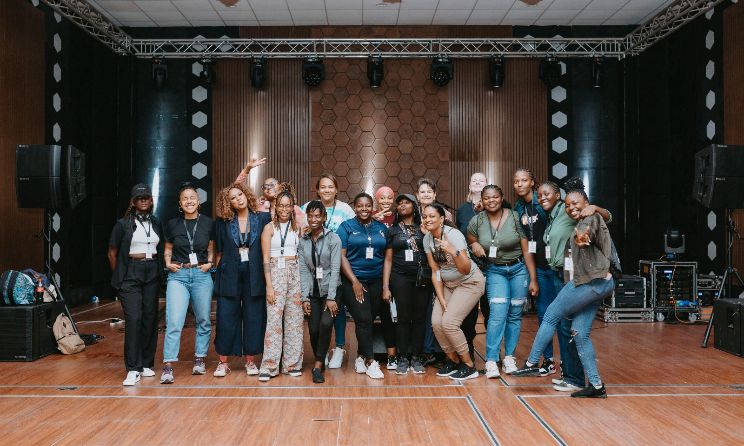
Music In Africa Gender @ Work is a three-year training programme aimed at upskilling and increasing the participation of female professionals in the African music sector. Launched by the Music In Africa Foundation (MIAF) in April 2019, the programme is connected to the MIAF’s ACCES music conference – a pan-African event held in a different African country every year. This connection enables the programme to reach new participants in a different African country every year. The programme marks the beginning of a more concerted effort by the Foundation to support the participation and inclusion of women in all facets of its programmes and the music sector in Africa as a whole. Over the three years, the programme will aim to address gender imbalances in the sector through training, lobbying, facilitating knowledge exchange and dialogues that foster the interest of women. The broader objectives of the programme are to: Provide industry training for women on critical music industry skills, focusing on: Stage management Electronic music production and recording Music business management Technical knowledge Provide an opportunity for both professional and aspiring women to benefit from the Music In Africa network and its broad range of activities in 2019, 2020 and 2021. Provide a solution-based platform in the form of a round table at ACCES with a view to identify challenges, discuss opportunities and lobby for the interests of female practitioners. Offer participants the opportunity to benefit from programmes offered by MIAF’s partners. Increase access to educational materials. Integrate participants in the broader ACCES programme to maximise experience and exposure to the industry. Record and present training materials on the www.musicinafrica.net, including but not limited to tutorials, templates and other best-practice materials. Communicate women-based themes that support the initiatives and messages of the programme. MAIN TRAINING ACTIVITIES Training in first country (Ghana): In the first year, participants will be trained on all aspects of stage management by a team of experienced stage managers from 10 to 17 November 2019. The programme will offer robust classroom training as well as practical, hands-on training in which participants will also be given the opportunity to manage various aspects of the ACCES performance programme. Training in second country: The second training iteration will take place at ACCES 2020 when the programme will diversify its course to include music production lessons and training on other music business topics. A round-table platform will also be introduced to coincide with the ACCES programme. Training in third country: The third training iteration will take place at ACCES 2021 in a different country, offering an advanced course. HOW DO YOU GET INVOLVED?  As a participant, facilitator or trainer: The programme enrolls up to 12 trainees every year. All opportunities are advertised publicly on this website, and will be added to this page. Please keep checking this page for new calls (below under UPDATES & CURRENT OPPORTUNITIES). As a partner Please contact Claire Metais at [email protected]. APPLY The call for applications for 2020 will be announced soon. The Music In Africa Gender @ Work programme is made possible with the support of the Prince Claus Fund, Siemens Stiftung and Goethe-Institut.

Sound Connects Fund
Sound Connects Fund

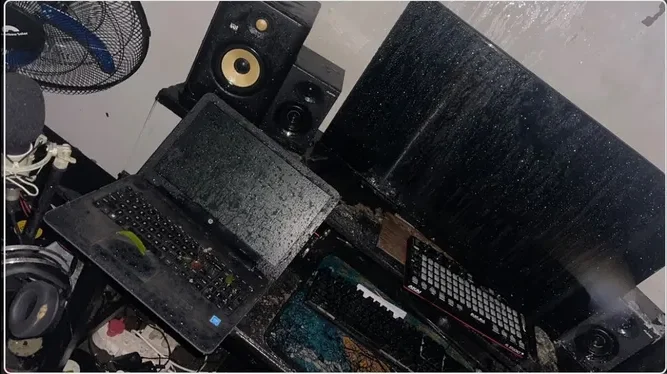
For cultural and creative practitioners and organisations operating in southern Africa, access to funding remains a major challenge. The COVID-19 pandemic has also had a massive impact on government policy, spending and the economy in general, and has seen spending on culture being moved further down the list of priorities. Further, the cultural and creative industries repeatedly cite four main areas where investment is needed for growth, which are increased visibility, mobility including access to new markets, finance and support structures.

Instrument Building And Repair Project

Experience the Vibrations African Instruments Exhibition online in 3D

News

Grammys honour Ladysmith Black Mambazo yet again

29 Jan 2018 - 09:14

cc-img flag-img

Legendary isicathamiya choral group Ladysmith Black Mambazo (LBM) took top honours in the World Music category at the 60th annual Grammy awards at Madison Square Garden, New York, on 28 January. 
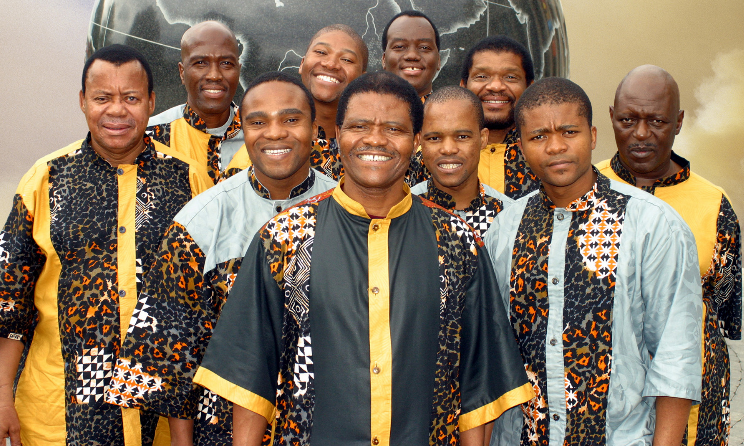
Ladysmith Black Mambazo has made the African continent proud after winning yet another Grammy on Sunday.

The South African a capella group was awarded for their album Shaka Zulu Revisited: 30th Anniversary Celebration, which was releases on 10 January 2017 as a tribute to their 1987 album Shaka Zulu, which won a Grammy for Best Traditional Folk Recording a year later.

After their 1988 win, the group won three more Grammy awards for Raise Your Spirit Higher in 2004 (Best Tradtional World Music Album), Ilembe: Honouring Shaka Zulu in2009 (Best Tradtional World Music Album) and Singing for Peace Around the World in 2014 (Best World Music Album for Live).

Last night’s win is the fifth Grammy the 10-member group has received out of the 17 times it has been nominated at the Grammys.

Fans took to social media after the announcement that the ‘Homeless’ hitmakers had won.

Another Twitter user said:

LBM was also nominated for Best Children’s Album, which was taken by American singer Lisa Loeb for her album Feel What U Feel.

LBM was founded by Joseph Shabalala in Ladysmith, Kwazulu-Natal, in the 1960s. He was the main composer of the choral group Blacks. Shabalala created his own music style when he blended Christian with traditional elements. The Blacks did not take kindly to the sonic tinkering and LBM was formed as a result.

The group consisted of Shabalala's brothers, Headman and Enoch Shabalala, cousins Albert, Milton, Funokwakhe, Abednego and Joseph Mazibuko, as well as close friends Matovoti Msimanga and Walter Malinga. The roster of members has changed over the years with the current line-up comprising Shabalala's sons Thulani, Thamsanqa, Sibongiseni and Msizi as well as Pius Shezi, Sabelo Mthembu, Mfanafuthi Dlamini, Albert Mazibuko and Abednego Mazibuko.

The group released their debut album Amabutho under Gallo Music in 1973. The group went on to receive international acclaim when it collaborated with American singer-songwriter Paul Simon on his Graceland album and tour in 1987. To date LBM has released 50 albums.

Other Africans who were up for a Grammy included Malian band Tinariwen, which won the Best World Music Award in 2012. African compilation albums Sweet As Broken Dates: Lost Somali Tapes from the Horn of Africa and Bobo Yéyé: Belle Époque in Upper Volta (Burkina Faso) were nominated in the Best Historical Album category but lost out to Leonard Bernstein's Leonard Bernstein – The Composer.

Bobo Yéyé: Belle Époque in Upper Volta was also nominated for the Best Boxed or Special Limited Edition Package Award but was beaten by Lawrence Azerrad, Timothy Dali and David Pescovitz for The Voyager Golden Record: 40th Anniversary, a compilation of sounds from earth that were taken into Space in the form of golden phonograph records in 1977.

Please log in to post a comment.

Most popular

Disclaimer: Music In Africa provides a platform for musicians and contributors to embed music and videos solely for promotional purposes. If any track or video embedded on this platform violates any copyrights please inform us immediately and we will take it down. Please read our Terms of Use for more.

newsletter banner

Subscribe to our monthly Newsletter

Follow us on social media