















NEFCISA
NEFCISA

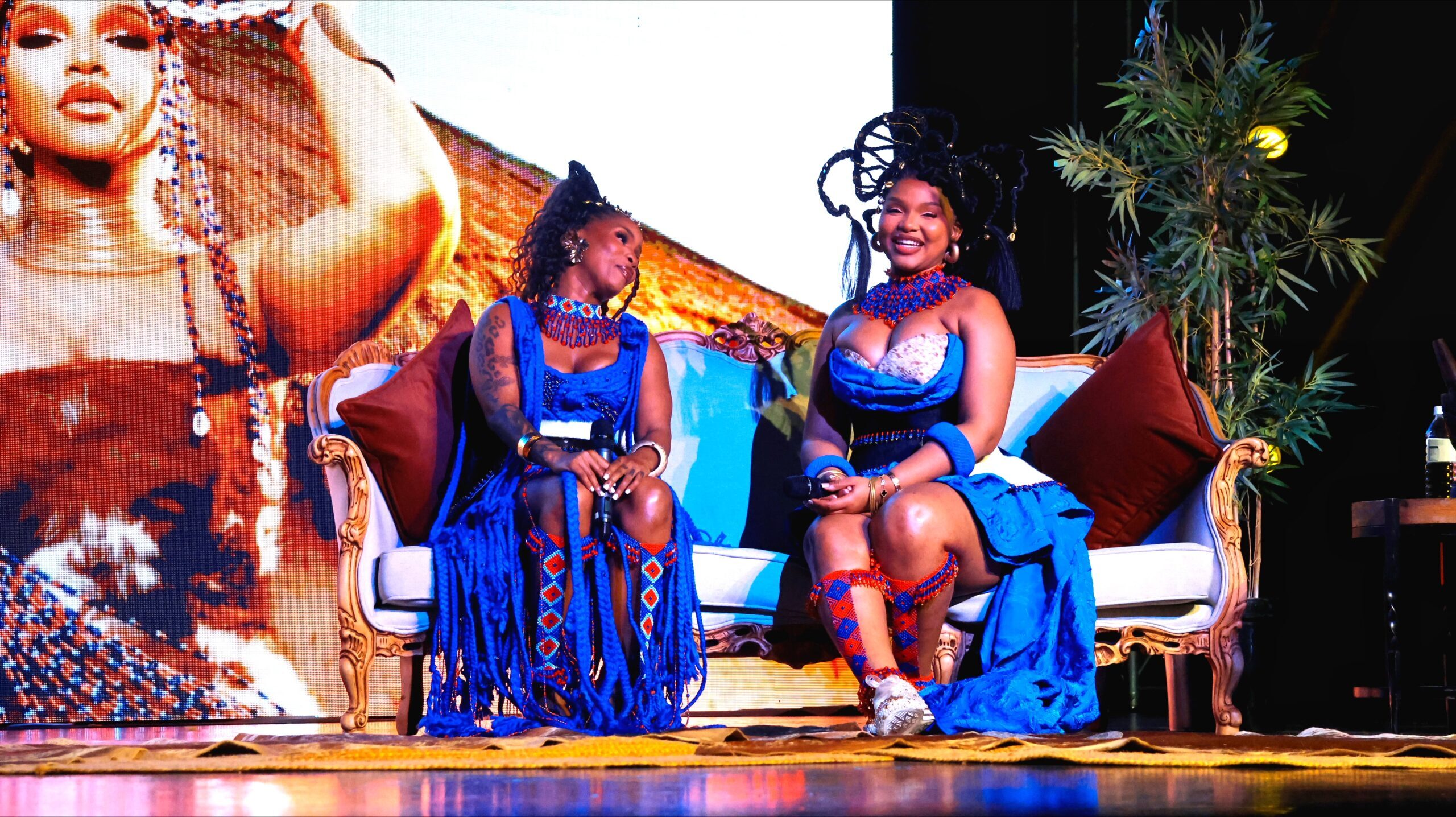
The Music In Africa Foundation (MIAF) is proud of its partnership with the Industrial Development Corporation (IDC) as a Strategic Implementing Partner (SIP) for its Social Employment Fund (SEF). Through this collaboration, MIAF is running a national programme that is creating jobs, addressing skills gaps, and strengthening South Africa's creative industries — in line with the SEF's overarching goal to generate work for the common good and build community value through employment, social contribution, and inclusive economic participation. Operating under the banner NEFCISA (National Employment Facility for Creative Industries in South Africa), the initiative is recruiting and training participants, matching them with host organisations, and has already placed 1 500 workers across the country — surpassing its original target of 1 000. NEFCISA is delivered through a network of 20 host organisations spanning five provinces, who are actively hosting participants and contributing to work for the common good across South Africa's creative and cultural industries. Key Objectives: Support employment and entrepreneurship in the creative industries. Offer skills development and training programmes. Foster partnerships between public and private creative sectors. Promote South African creativity at both provincial and national levels Foster community development through social contribution.

ACCES
ACCES

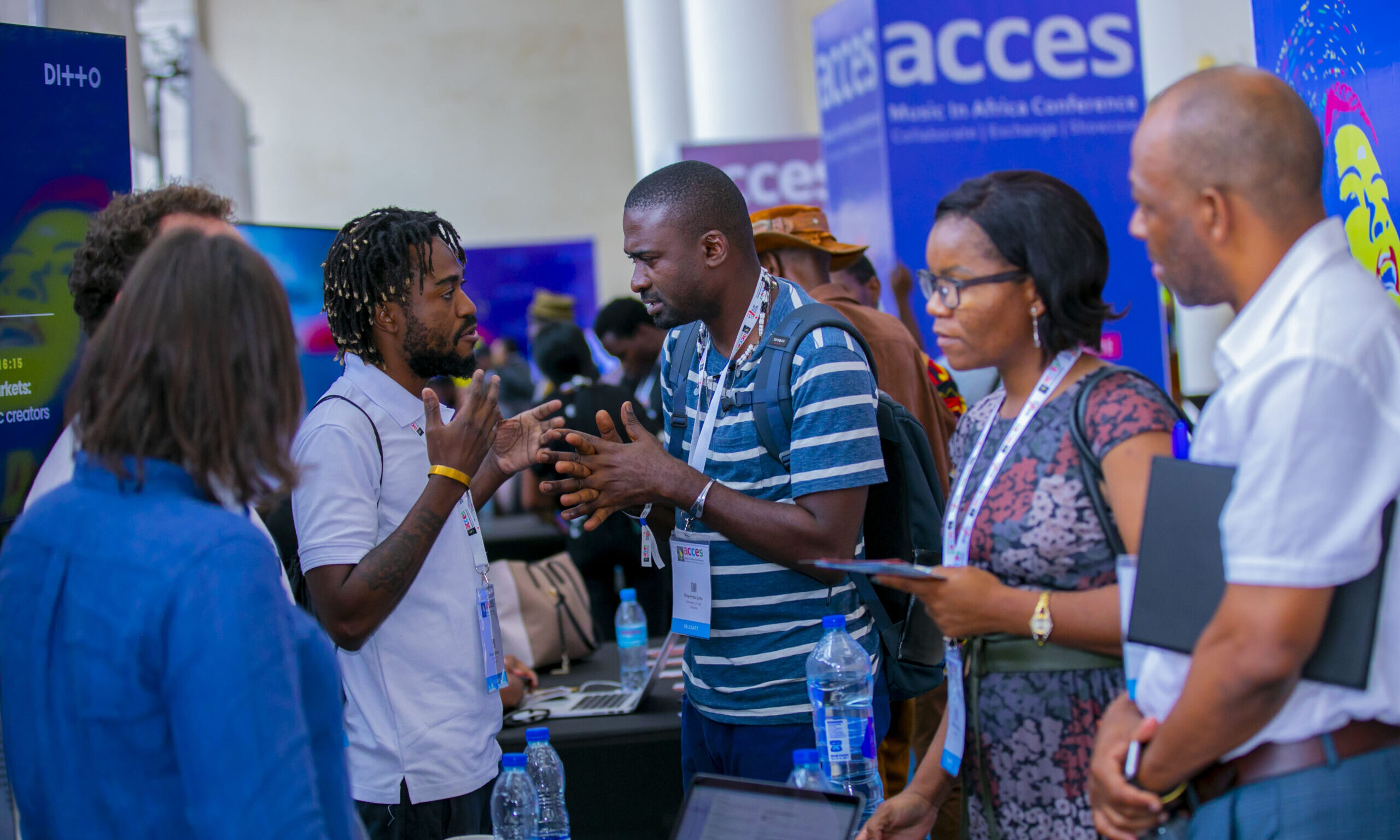
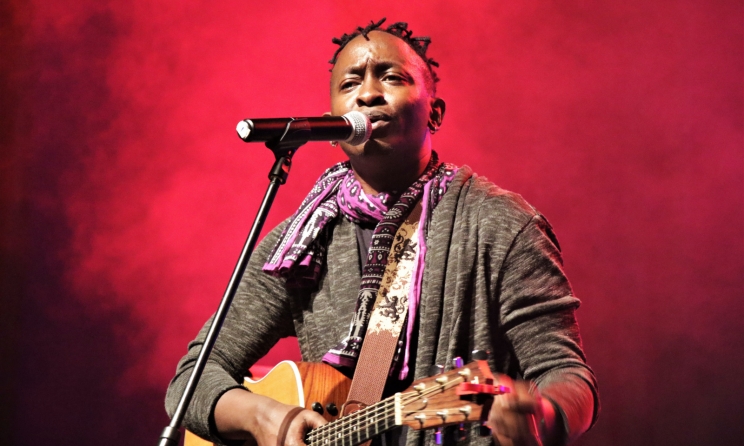
ACCES Conference and Showcase Festival is Africa's leading music industry gathering, bringing together the people shaping the future of the continent's music business. Artists, entrepreneurs, executives, investors, policymakers and cultural leaders from across Africa and around the world come to ACCES to build partnerships, exchange ideas, discover talent and create new business opportunities. Since its launch in 2017, ACCES has become the continent's premier platform for professional exchange and music market development. Combining a high-level conference with a curated showcase festival, networking, exhibitions and industry programmes, ACCES offers a unique space where creativity meets business and where African music connects with the global industry.

Gender@Work
Gender@Work

Music In Africa Gender @ Work is a three-year training programme aimed at upskilling and increasing the participation of female professionals in the African music sector. Launched by the Music In Africa Foundation (MIAF) in April 2019, the programme is connected to the MIAF’s ACCES music conference – a pan-African event held in a different African country every year. This connection enables the programme to reach new participants in a different African country every year. The programme marks the beginning of a more concerted effort by the Foundation to support the participation and inclusion of women in all facets of its programmes and the music sector in Africa as a whole. Over the three years, the programme will aim to address gender imbalances in the sector through training, lobbying, facilitating knowledge exchange and dialogues that foster the interest of women. The broader objectives of the programme are to: Provide industry training for women on critical music industry skills, focusing on: Stage management Electronic music production and recording Music business management Technical knowledge Provide an opportunity for both professional and aspiring women to benefit from the Music In Africa network and its broad range of activities in 2019, 2020 and 2021. Provide a solution-based platform in the form of a round table at ACCES with a view to identify challenges, discuss opportunities and lobby for the interests of female practitioners. Offer participants the opportunity to benefit from programmes offered by MIAF’s partners. Increase access to educational materials. Integrate participants in the broader ACCES programme to maximise experience and exposure to the industry. Record and present training materials on the www.musicinafrica.net, including but not limited to tutorials, templates and other best-practice materials. Communicate women-based themes that support the initiatives and messages of the programme. MAIN TRAINING ACTIVITIES Training in first country (Ghana): In the first year, participants will be trained on all aspects of stage management by a team of experienced stage managers from 10 to 17 November 2019. The programme will offer robust classroom training as well as practical, hands-on training in which participants will also be given the opportunity to manage various aspects of the ACCES performance programme. Training in second country: The second training iteration will take place at ACCES 2020 when the programme will diversify its course to include music production lessons and training on other music business topics. A round-table platform will also be introduced to coincide with the ACCES programme. Training in third country: The third training iteration will take place at ACCES 2021 in a different country, offering an advanced course. HOW DO YOU GET INVOLVED?  As a participant, facilitator or trainer: The programme enrolls up to 12 trainees every year. All opportunities are advertised publicly on this website, and will be added to this page. Please keep checking this page for new calls (below under UPDATES & CURRENT OPPORTUNITIES). As a partner Please contact Claire Metais at [email protected]. APPLY The call for applications for 2020 will be announced soon. The Music In Africa Gender @ Work programme is made possible with the support of the Prince Claus Fund, Siemens Stiftung and Goethe-Institut.

Sound Connects Fund
Sound Connects Fund

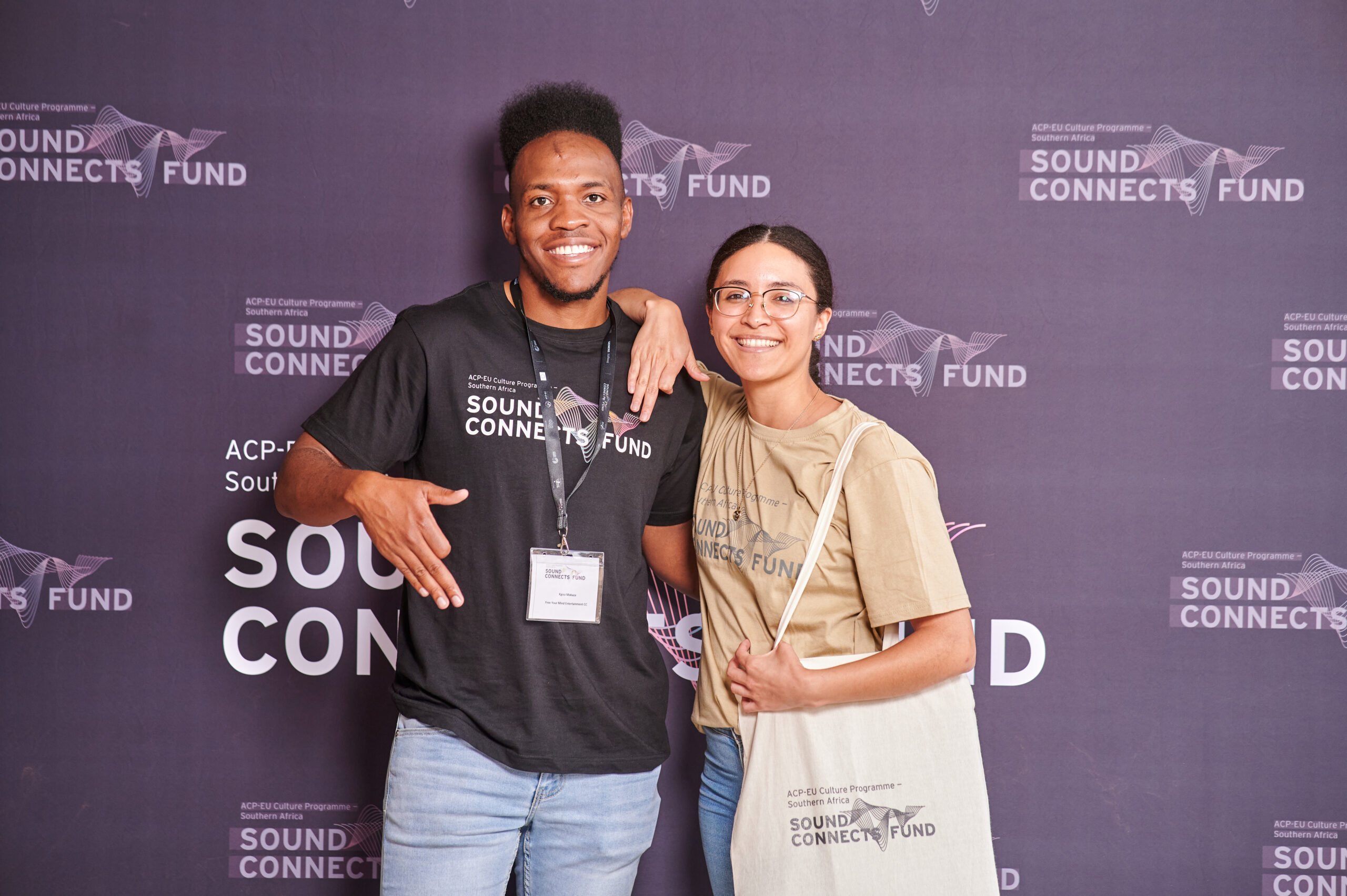
For cultural and creative practitioners and organisations operating in southern Africa, access to funding remains a major challenge. The COVID-19 pandemic has also had a massive impact on government policy, spending and the economy in general, and has seen spending on culture being moved further down the list of priorities. Further, the cultural and creative industries repeatedly cite four main areas where investment is needed for growth, which are increased visibility, mobility including access to new markets, finance and support structures.

Instrument Building And Repair Project

Experience the Vibrations African Instruments Exhibition online in 3D

banner image

L’histoire du tam-tam au Sénégal

Home/Non classé/L’histoire du tam-tam au Sénégal

« On l’appelait « lamb », après on l’a remplacé par « junjung ». C’est pour cela que l’on dit : « Junjung ya ca Siin ».

À l’époque des rois, on utilisait le « xiin » pour les glorifier et les galvaniser. C’est à ce moment que l’on a commencé à vivre de cette culture. Au Sénégal, les sérères sont les premiers à avoir utilisé cet instrument. Après, les wolofs se l’ont approprié, indique-le regretté tambour major Doudou Ndiaye Rose. Ce que confirme Mor Diop de Bargny : « À vrai dire, les sérères sont à l’origine du tam-tam. Ils l’invitent dans toutes leurs cérémonies (mariage, deuil, fête des récoltes, lutte, etc.) ».

Dans le Sine, il y avait un nommé Sounkaré Mandé qui, un jour, a rencontré Loule Diom, un chasseur et guérisseur de Loule Sessène. Ensemble, ils partirent en brousse. En revenant, le premier cité ramena un tronc d’arbre et une peau d’animal. Il appela tous les villageois et devant eux, il réalisa cet instrument qu’il baptisa « ndouloup ». Ce premier tam-tam, était d’une longueur comprise entre 3 et 4 mètres. Il fallait alors l’accrocher à un échafaudage pour que le son soit le plus audible possible. « Quand on cherchait le propriétaire dans le village, on l’appelait à travers ce tam-tam, et l’on chantait sur son sur son rythme : « Sounkaré Mandé wo’ o na cungeel (Sakoura Mandé tu es attendu – en langue sérère) ».

En outre, ce rythme a été le premier son du « ndouloup ». Aussi, « ce Ndouloup est antérieur au Ndouloup de Maad (le roi) géré par la famille Sène qu’on appelle « mbinonguérane ». Le premier « ndouloup » était tellement lourd et long qu’il n’était pas à la portée de tout le monde.

Aujourd’hui, en sus de ce « ndouloup », existent d’autres formes de tam-tam. Dans le Sine, c’est Gorongue Sène qui a décidé de réduire la taille du « Ndouloup » jusqu’à ce qu’il soit à la portée de presque tous. Il l’a rebaptisé en lui donnant son propre nom. Après, sont apparus le « sabar » dont le « lamb ou thiol », le « gorong tal mbate » (il ressemble au thiol), le « mbën mbën » que l’on appelait « hëb hëb ». Seuls leurs noms ont connu des changements.

Aujourd’hui, tous ces noms ont changé. Maintenant, on parle de « bal », de « toungouné », de « sabar ». Ces appelations-là sont typiquement sérères. Lorsque le roi a entendu pour la première fois le son du « gorong », il a su qu’il était nouveau. Il a alors demandé que cet instrument le réveille chaque matin et l’accompagne au coucher, le soir. À la mort du roi, Niokhor Sène, son fils aîné, est venu réclamer l’instrument en déclarant : « lam le xotidoum » (je suis venu chercher le tam-tam, mon heritage, en sérère). Depuis lors, le « gorong » est appelé dans le Sine « lam ».

Dans cette partie du pays de la Teranga où vivent pour la plupart des sérères, on retrouve aussi « le bal », le « toungouné » et le « hour ». Ce dernier instrument est en bois, il ressemble au « bombolong » diola.

Par ailleurs, l’on ne doit pas que la création du « gorong » et du « ndouloup » aux sérères. On leur doit aussi celle du « xiin ». C’est sous le règne de Mbegane Ndour qu’est apparu « le xiin » créé par Paaro Mbadje Ndiaye. « Xiin » signifie bruit assourdissant. Le rythme au Sénégal, c’est le Sine et les premières notes ont été exécutées dans la région du Sine. Les premiers instruments sont tous apparus dans cette contrée, de même que les premiers griots.

Si aujourd’hui on ne connaît le tam-tam que pour sa fonction divertissante, avant, il était utilisé à d’autres fins. « Auparavant, le sabar était utile pour la communication. C’est à travers cet instrument que l’on faisait appel à la population, lorsque le roi avait besoin d’elle. On faisait la même chose pour annoncer la nouvelle d’un deuil. On lançait des messages à travers cet instrument. Avant, les griots ne battaient le tam-tam que pour le roi, c’est après qu’ils en ont fait un commerce.

Chaque rythme avait son sens, à l’époque. Ainsi, la manière d’annoncer un mariage était différente de celle d’un deuil ou d’un baptême. Toutefois, la manière d’utiliser le tam-tam change d’une communauté ethnique à une autre. Chez les lébous (ethnie du Sénégal) par exemple, elle a une fonction thérapeutique.

« Les Lébous l’utilisent lors des « ndëpp ». Quand quelqu’un tombe malade, les gens sont obligés d’organiser cette cérémonie dans le village. Dans ce cas, on sort les « sabars », et pour guérir la personne, il faut interpréter des rythmes joués avec sept « galagne » en prononçant le nom du djinn du malade ; ainsi seulement, il pourra être guéri. Dans cette communauté de pêcheurs, l’on pense aussi que battre le tam-tam avant d’aller en mer peut porter chance ;« ça chasse les mauvais esprits », croient-ils.

Aussi, avoir sur soi une partie de la peau d’animal servant à fabriquer le tam-tam porterait bonheur.

newsletter banner

Subscribe to our monthly Newsletter

Follow us on social media