



































NEFCISA
NEFCISA

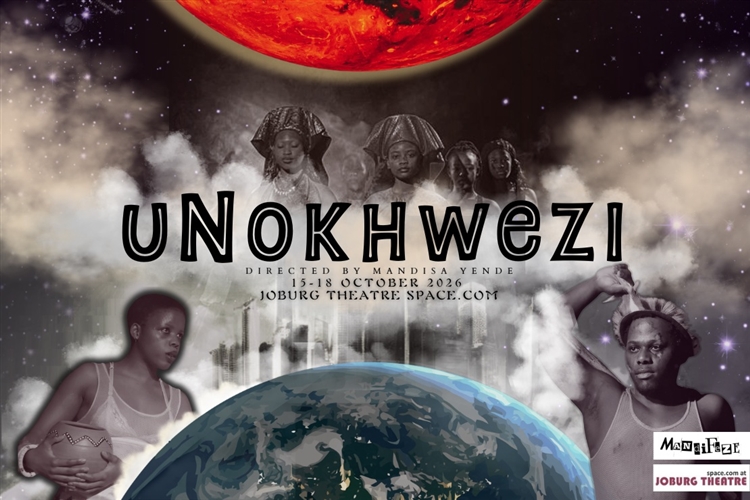
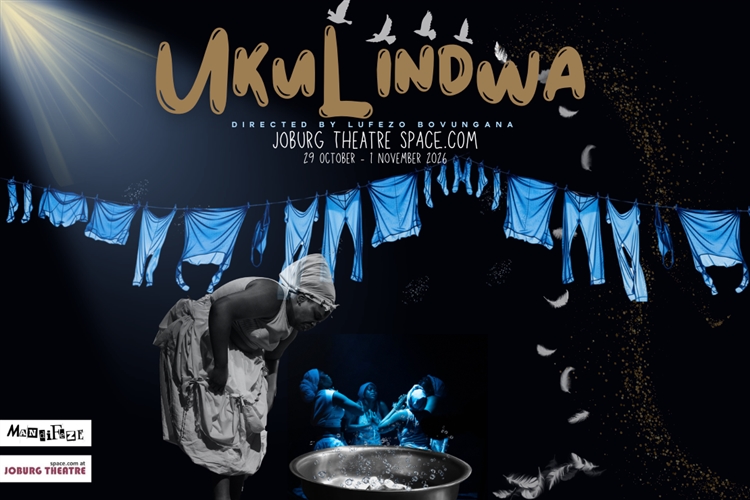
The Music In Africa Foundation (MIAF) is proud of its partnership with the Industrial Development Corporation (IDC) as a Strategic Implementing Partner (SIP) for its Social Employment Fund (SEF). Through this collaboration, MIAF is running a national programme that is creating jobs, addressing skills gaps, and strengthening South Africa's creative industries — in line with the SEF's overarching goal to generate work for the common good and build community value through employment, social contribution, and inclusive economic participation. Operating under the banner NEFCISA (National Employment Facility for Creative Industries in South Africa), the initiative is recruiting and training participants, matching them with host organisations, and has already placed 1 500 workers across the country — surpassing its original target of 1 000. NEFCISA is delivered through a network of 20 host organisations spanning five provinces, who are actively hosting participants and contributing to work for the common good across South Africa's creative and cultural industries. Key Objectives: Support employment and entrepreneurship in the creative industries. Offer skills development and training programmes. Foster partnerships between public and private creative sectors. Promote South African creativity at both provincial and national levels Foster community development through social contribution.

ACCES
ACCES

ACCES Conference and Showcase Festival is Africa's leading music industry gathering, bringing together the people shaping the future of the continent's music business. Artists, entrepreneurs, executives, investors, policymakers and cultural leaders from across Africa and around the world come to ACCES to build partnerships, exchange ideas, discover talent and create new business opportunities. Since its launch in 2017, ACCES has become the continent's premier platform for professional exchange and music market development. Combining a high-level conference with a curated showcase festival, networking, exhibitions and industry programmes, ACCES offers a unique space where creativity meets business and where African music connects with the global industry.

Gender@Work
Gender@Work

Music In Africa Gender @ Work is a three-year training programme aimed at upskilling and increasing the participation of female professionals in the African music sector. Launched by the Music In Africa Foundation (MIAF) in April 2019, the programme is connected to the MIAF’s ACCES music conference – a pan-African event held in a different African country every year. This connection enables the programme to reach new participants in a different African country every year. The programme marks the beginning of a more concerted effort by the Foundation to support the participation and inclusion of women in all facets of its programmes and the music sector in Africa as a whole. Over the three years, the programme will aim to address gender imbalances in the sector through training, lobbying, facilitating knowledge exchange and dialogues that foster the interest of women. The broader objectives of the programme are to: Provide industry training for women on critical music industry skills, focusing on: Stage management Electronic music production and recording Music business management Technical knowledge Provide an opportunity for both professional and aspiring women to benefit from the Music In Africa network and its broad range of activities in 2019, 2020 and 2021. Provide a solution-based platform in the form of a round table at ACCES with a view to identify challenges, discuss opportunities and lobby for the interests of female practitioners. Offer participants the opportunity to benefit from programmes offered by MIAF’s partners. Increase access to educational materials. Integrate participants in the broader ACCES programme to maximise experience and exposure to the industry. Record and present training materials on the www.musicinafrica.net, including but not limited to tutorials, templates and other best-practice materials. Communicate women-based themes that support the initiatives and messages of the programme. MAIN TRAINING ACTIVITIES Training in first country (Ghana): In the first year, participants will be trained on all aspects of stage management by a team of experienced stage managers from 10 to 17 November 2019. The programme will offer robust classroom training as well as practical, hands-on training in which participants will also be given the opportunity to manage various aspects of the ACCES performance programme. Training in second country: The second training iteration will take place at ACCES 2020 when the programme will diversify its course to include music production lessons and training on other music business topics. A round-table platform will also be introduced to coincide with the ACCES programme. Training in third country: The third training iteration will take place at ACCES 2021 in a different country, offering an advanced course. HOW DO YOU GET INVOLVED?  As a participant, facilitator or trainer: The programme enrolls up to 12 trainees every year. All opportunities are advertised publicly on this website, and will be added to this page. Please keep checking this page for new calls (below under UPDATES & CURRENT OPPORTUNITIES). As a partner Please contact Claire Metais at [email protected]. APPLY The call for applications for 2020 will be announced soon. The Music In Africa Gender @ Work programme is made possible with the support of the Prince Claus Fund, Siemens Stiftung and Goethe-Institut.

Sound Connects Fund
Sound Connects Fund

For cultural and creative practitioners and organisations operating in southern Africa, access to funding remains a major challenge. The COVID-19 pandemic has also had a massive impact on government policy, spending and the economy in general, and has seen spending on culture being moved further down the list of priorities. Further, the cultural and creative industries repeatedly cite four main areas where investment is needed for growth, which are increased visibility, mobility including access to new markets, finance and support structures.

Instrument Building And Repair Project

Experience the Vibrations African Instruments Exhibition online in 3D

banner image

5 questions à Ombre Zion

Home/Non classé/5 questions à Ombre Zion

Bonjour Ombre, qu’est-ce que ça vous fait de figurer parmi les nominés pour le prix de l’artiste africain de l’année aux Victoires du reggae, aux côtés de grands noms comme Tiken Jah Fakoly et Burna Boy ?

Bonjour Lamine ; c’est un grand honneur pour moi d’être nominé parmi ces grands artistes. Cela prouve que nous avons bien travaillé la saison écoulée, mon équipe et moi. Je tiens à dire un grand merci à Reggae Fr pour cette reconnaissance.

La catégorie « Artiste africain de l’année », prévue par les organisateurs des Victoires du reggae, traduit bien l’intérêt du public européen pour ce qui se passe sur le continent. Pensez-vous que le business musical en Afrique ait définitivement atteint sa vitesse de croisière ?

Les rythmes et les musiques de l’Afrique font les tendances à travers le monde actuellement, cela est une grande fierté !

Mais pour ma part, je trouve que le secteur professionnel de la musique sur le continent est à parfaire, surtout dans nos régions francophones. Il y a encore des manquements et une certaine lenteur dans des domaines clés comme la promotion des artistes. 

Tout cela nous oblige, nous créateurs, à développer nous-mêmes nos stratégies de commercialisation à l’international. Mais en attendant que les choses s’améliorent, nous devons prendre cette situation comme un challenge.

Je fais sans prétention, partie de ces jeunes artistes africains qui se battent comme ils peuvent, pour présenter ce que nos cultures offrent de mieux au monde. Je crois fermement que le business musical africain se développera encore plus, si tous les acteurs du secteur œuvrent plus sérieusement pour le rayonnement du continent.

[video:https://www.youtube.com/watch?v=BKpqTTy69_o width:853 height:480 align:center autoplay:0]

Vous venez de mettre un EP sur le marché et on remarque que votre proposition est plutôt éclectique ; comment avez-vous travaillé sur ce projet ? Comment se passe la promotion avec la crise sanitaire et les nombreuses restrictions depuis des mois maintenant ?

En fait, j’avais beaucoup de compositions dans mes archives au studio (rires) ; il fallait qu’elles sortent ! Aujourd’hui, les gens sont à moitié confinés donc il leur faut de la bonne musique…

Je devais sortir un album courant 2020 mais avec la crise sanitaire, difficile de faire grand-chose en termes de communication. Nous avons donc décidé, avec mon équipe, de sortir cet Ep histoire de faire plaisir à notre fidèle public, en attendant la parution du grand opus.

Pour dire vrai, les restrictions nous empêchent vraiment de bien promouvoir l’Ep, du coup, nous utilisons les réseaux sociaux pour combler ce manquement. 

Il s’intitule Rude Boy Inna Capital et il est disponible sur ma chaîne YouTube officielle. Vous pouvez aussi l’écouter en playlist sur la plateforme Ziksen. D’ailleurs, des concerts lives digitaux sont prévus très prochainement, afin de continuer la promo de l’œuvre.

Vous êtes l’un des artistes reggae les plus en vue au Sénégal depuis des années, votre style musical a-t-elle la place qu’elle mérite vraiment ici ? 

Je pense que le reggae se porte bien au Sénégal. Nous avons de très grands artistes, des musiciens, des promoteurs et des Selectahs (Sound system) qui sont hyper motivés pour développer le genre. En clair, nous comptons beaucoup d’acteurs qui s’investissent dans cette musique, sans pour autant oublier son public fidèle. Le seul bémol est que nous ne sommes pas bien promus par les médias, tout simplement parce que c’est le mbalakh et le hip-hop qui sont mis en avant. 

[video:https://www.youtube.com/watch?v=0KKHhr7BY8w width:850 height:480 autoplay:0]

Est-ce facile d’être un artiste reggae au pays du mbalakh ?

Comme je l’ai dit, le reggae est une musique que les Sénégalais aiment. Personnellement, j’ai essayé d’amener ma touche singulière pour que ça leur parle davantage. J’ai mélangé le style de chant traditionnel des griots avec le reggae et cela donne vraiment une vibe très intéressante. Aussi, Nous sommes en train de nous concerter entre acteurs du reggae, pour mettre en place une association qui posera les jalons d’un développement certain.

Comment vous en sortez-vous avec la situation causée par la Covid-19 ?

J’avoue que ce n’est pas évident. Mais je me dis que nous ne sommes pas le seul secteur affecté. Croisons les doigts et espérons que tout change très vite. Pour ma part, je profite de ce break forcé pour travailler sur mes projets. Dieu est l’absolu, tout ira mieux pour le mieux InshAllah !

Que faut-il faire pour que la musique reggae soit plus visible et que les reggaemen sortent de cette « ghettoïsation » qui dure depuis trop longtemps ?

Je pense qu’on manque de contenus. Il n’y a pas assez d’albums de reggae qui sortent, ni de clips. Aujourd’hui l’image est primordiale, elle représente 98% du business ; les acteurs des autres genres musicaux l’ont compris très tôt. Il faudra donc que l’on mette les moyens pour nous développer de ce côté-là et surtout, réussir à communiquer pour mieux avancer. Il faut que l’on soit un vrai mouvement !

[video:https://www.youtube.com/watch?v=NFlV90CstXs width:850 height:480 autoplay:0]

newsletter banner

Subscribe to our monthly Newsletter

Follow us on social media