













NEFCISA
NEFCISA

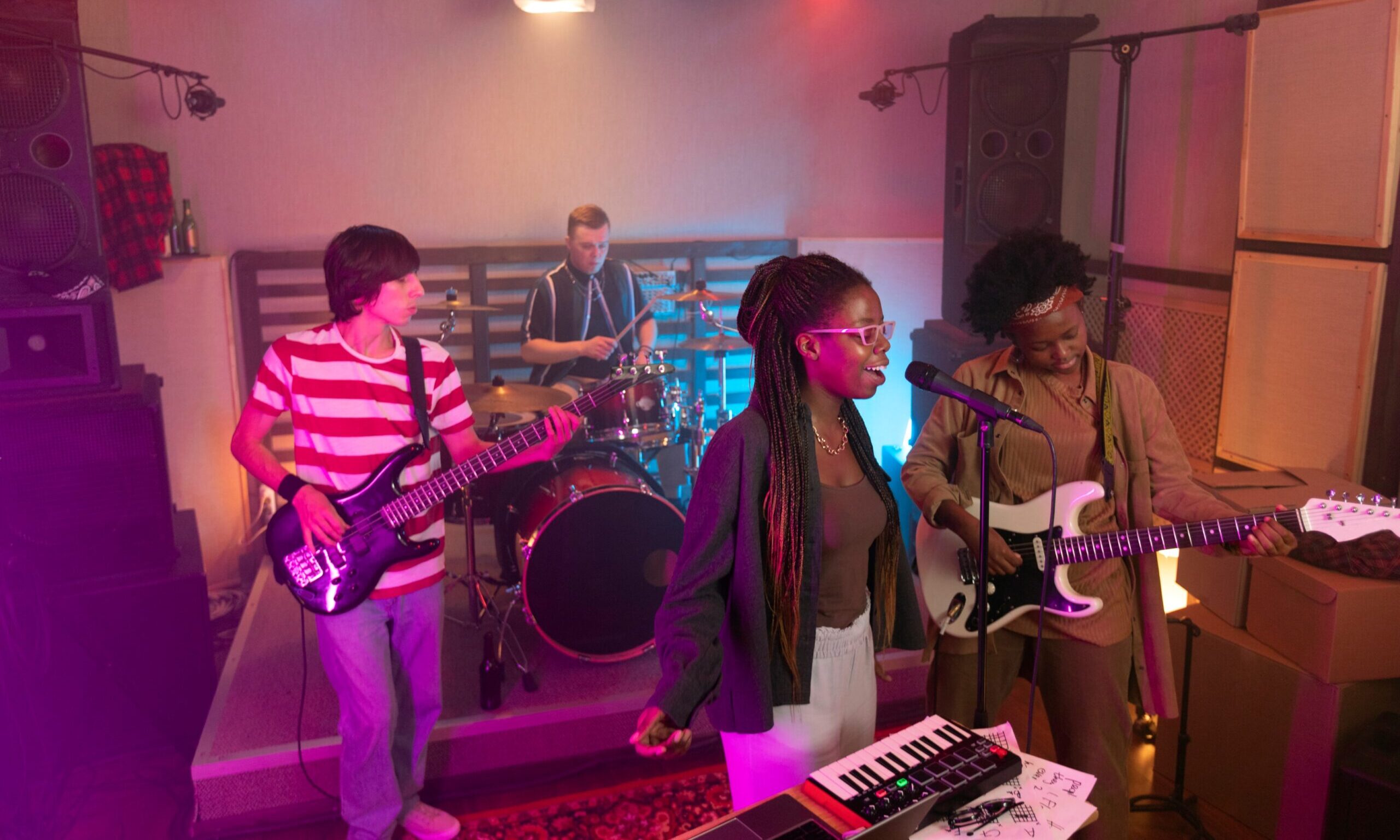
The Music In Africa Foundation (MIAF) is proud of its partnership with the Industrial Development Corporation (IDC) as a Strategic Implementing Partner (SIP) for its Social Employment Fund (SEF). Through this collaboration, MIAF is running a national programme that is creating jobs, addressing skills gaps, and strengthening South Africa's creative industries — in line with the SEF's overarching goal to generate work for the common good and build community value through employment, social contribution, and inclusive economic participation. Operating under the banner NEFCISA (National Employment Facility for Creative Industries in South Africa), the initiative is recruiting and training participants, matching them with host organisations, and has already placed 1 500 workers across the country — surpassing its original target of 1 000. NEFCISA is delivered through a network of 20 host organisations spanning five provinces, who are actively hosting participants and contributing to work for the common good across South Africa's creative and cultural industries. Key Objectives: Support employment and entrepreneurship in the creative industries. Offer skills development and training programmes. Foster partnerships between public and private creative sectors. Promote South African creativity at both provincial and national levels Foster community development through social contribution.

ACCES
ACCES

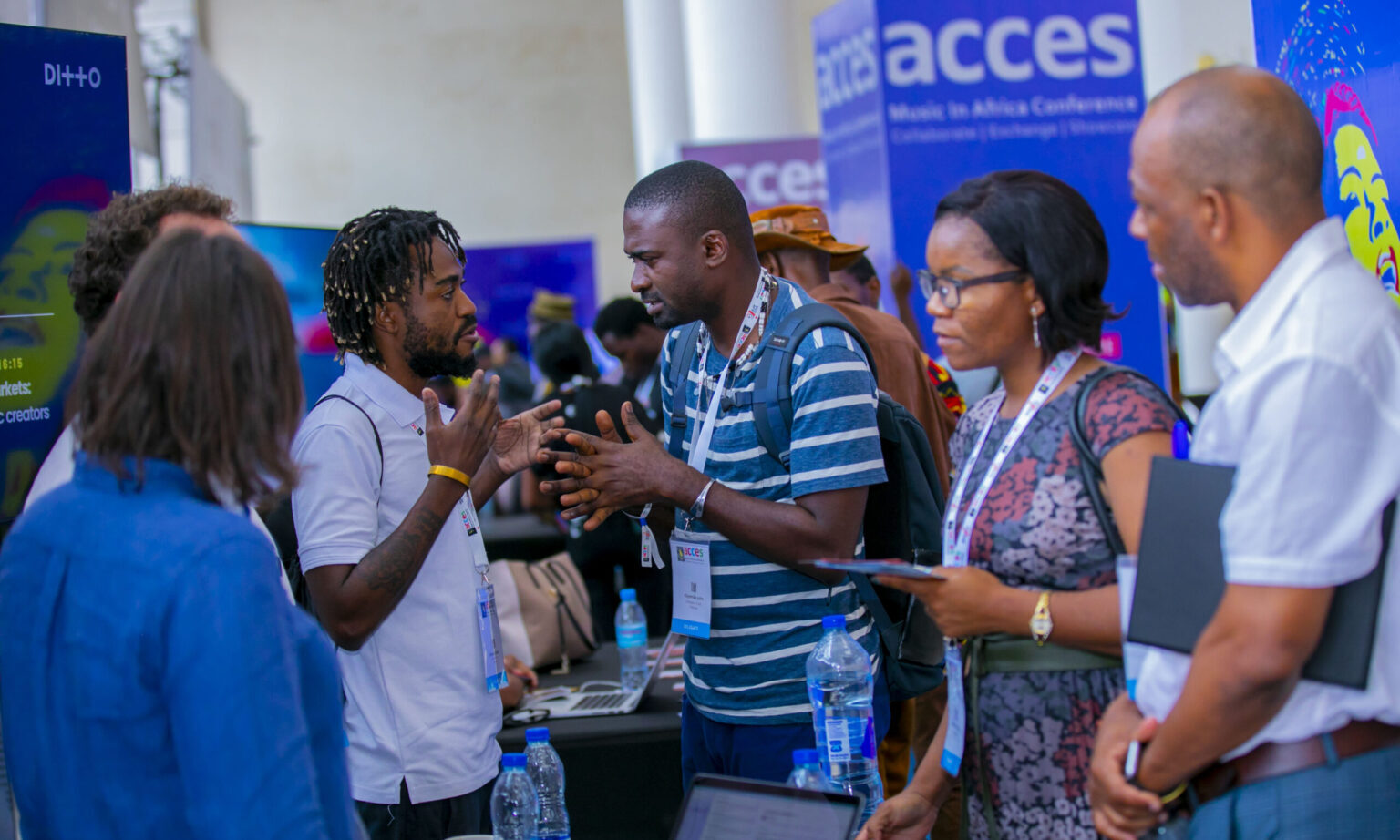
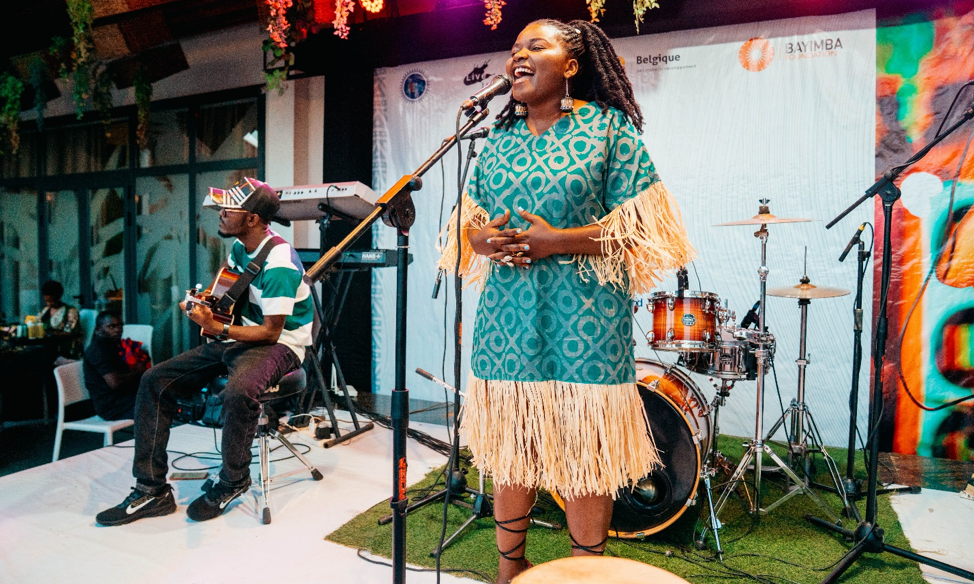
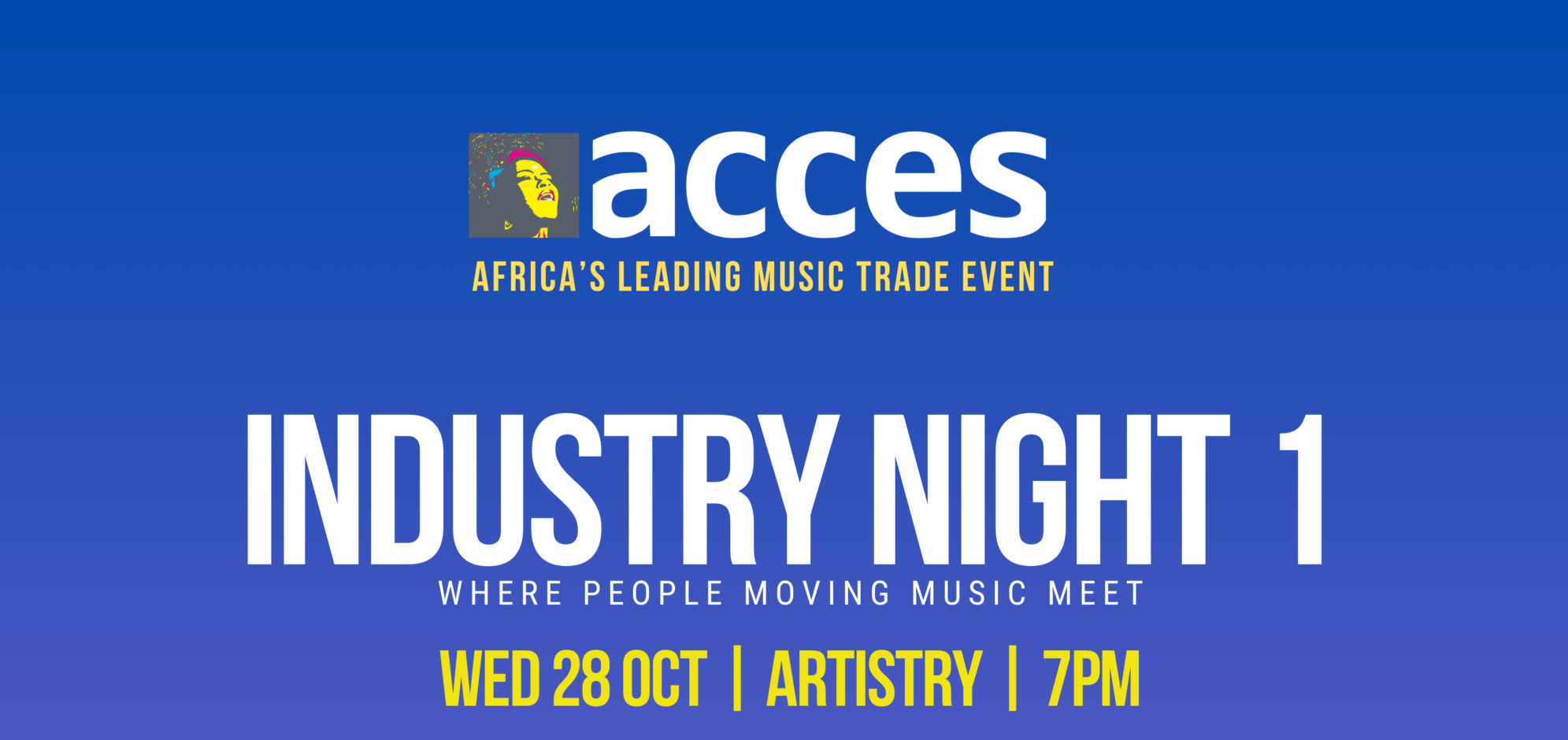
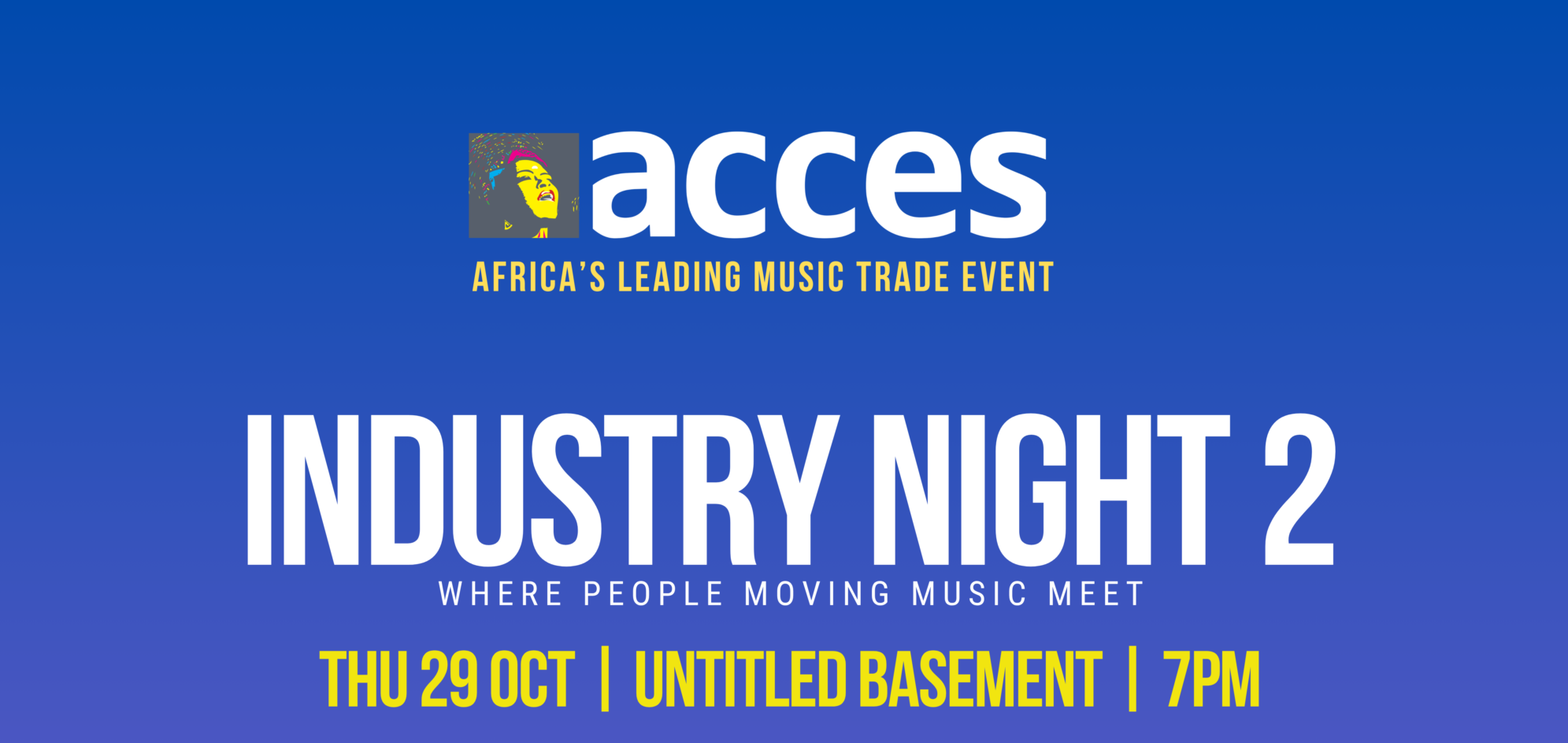
ACCES Conference and Showcase Festival is Africa's leading music industry gathering, bringing together the people shaping the future of the continent's music business. Artists, entrepreneurs, executives, investors, policymakers and cultural leaders from across Africa and around the world come to ACCES to build partnerships, exchange ideas, discover talent and create new business opportunities. Since its launch in 2017, ACCES has become the continent's premier platform for professional exchange and music market development. Combining a high-level conference with a curated showcase festival, networking, exhibitions and industry programmes, ACCES offers a unique space where creativity meets business and where African music connects with the global industry.

Gender@Work
Gender@Work

Music In Africa Gender @ Work is a three-year training programme aimed at upskilling and increasing the participation of female professionals in the African music sector. Launched by the Music In Africa Foundation (MIAF) in April 2019, the programme is connected to the MIAF’s ACCES music conference – a pan-African event held in a different African country every year. This connection enables the programme to reach new participants in a different African country every year. The programme marks the beginning of a more concerted effort by the Foundation to support the participation and inclusion of women in all facets of its programmes and the music sector in Africa as a whole. Over the three years, the programme will aim to address gender imbalances in the sector through training, lobbying, facilitating knowledge exchange and dialogues that foster the interest of women. The broader objectives of the programme are to: Provide industry training for women on critical music industry skills, focusing on: Stage management Electronic music production and recording Music business management Technical knowledge Provide an opportunity for both professional and aspiring women to benefit from the Music In Africa network and its broad range of activities in 2019, 2020 and 2021. Provide a solution-based platform in the form of a round table at ACCES with a view to identify challenges, discuss opportunities and lobby for the interests of female practitioners. Offer participants the opportunity to benefit from programmes offered by MIAF’s partners. Increase access to educational materials. Integrate participants in the broader ACCES programme to maximise experience and exposure to the industry. Record and present training materials on the www.musicinafrica.net, including but not limited to tutorials, templates and other best-practice materials. Communicate women-based themes that support the initiatives and messages of the programme. MAIN TRAINING ACTIVITIES Training in first country (Ghana): In the first year, participants will be trained on all aspects of stage management by a team of experienced stage managers from 10 to 17 November 2019. The programme will offer robust classroom training as well as practical, hands-on training in which participants will also be given the opportunity to manage various aspects of the ACCES performance programme. Training in second country: The second training iteration will take place at ACCES 2020 when the programme will diversify its course to include music production lessons and training on other music business topics. A round-table platform will also be introduced to coincide with the ACCES programme. Training in third country: The third training iteration will take place at ACCES 2021 in a different country, offering an advanced course. HOW DO YOU GET INVOLVED?  As a participant, facilitator or trainer: The programme enrolls up to 12 trainees every year. All opportunities are advertised publicly on this website, and will be added to this page. Please keep checking this page for new calls (below under UPDATES & CURRENT OPPORTUNITIES). As a partner Please contact Claire Metais at [email protected]. APPLY The call for applications for 2020 will be announced soon. The Music In Africa Gender @ Work programme is made possible with the support of the Prince Claus Fund, Siemens Stiftung and Goethe-Institut.

Sound Connects Fund
Sound Connects Fund

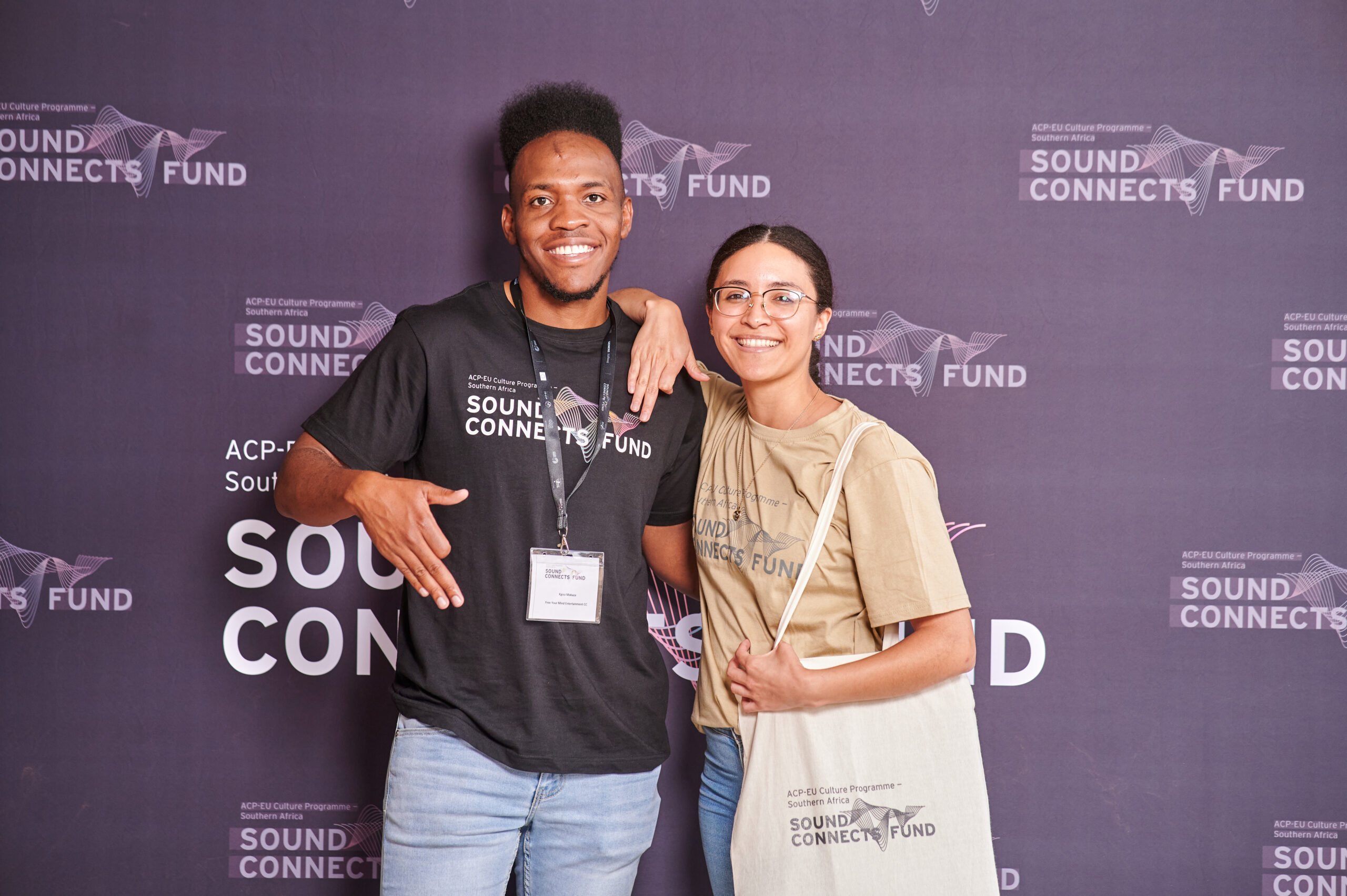
For cultural and creative practitioners and organisations operating in southern Africa, access to funding remains a major challenge. The COVID-19 pandemic has also had a massive impact on government policy, spending and the economy in general, and has seen spending on culture being moved further down the list of priorities. Further, the cultural and creative industries repeatedly cite four main areas where investment is needed for growth, which are increased visibility, mobility including access to new markets, finance and support structures.

Instrument Building And Repair Project

Experience the Vibrations African Instruments Exhibition online in 3D

banner image

5 questions à Aly Bathily directeur de la SODAV

Home/Non classé/5 questions à Aly Bathily directeur de la SODAV

La société sénégalaise du droit d’auteur et des droits voisins (SODAV) a rapidement changé de directeur en février peu après sa création. Quelle était la cause ? Était-ce le symptôme d’un problème ou simplement une question administrative ne dépendant pas de la SODAV ?

Je ne souhaite pas évoquer cette question car elle a été maintes fois traitée par les médias.

Reformulons ! Comment avez-vous accueilli votre nomination au poste de directeur gérant intérimaire de la SODAV ?

En remerciant Dieu, mes parents et le conseil d’administration. Ma nomination est survenue en février 2016, après 15 ans de service au sein des organismes de gestion collective.

Ma nomination fut une décision collégiale. Nous ne sommes plus à l’époque du BSDA où les dirigeants étaient désignés par les autorités gouvernementales. À la SODAV, les dirigeants sont nommés par les artistes membres du conseil d’administration.

Un premier versement des droits a eu lieu en mars 2017. Quand est prévu le prochain ? Une périodicité, tous les 3, 6 ou 12 mois a-t-elle été définie ?

En mars 2017, nous avons fait une première répartition, paiement des droits aux artistes, pour un montant global de 110.000.000 XOF Il s’agissait d’un apurement des arriérés.

En août 2017, nous avons également fait une répartition. Celle-là pour un montant d’environ 160 millions. Elle portait essentiellement sur le répertoire religieux utilisé par exemple comme sonnerie de téléphone portable.

S’il plaît à Dieu, nous ferons une troisième répartition en décembre 2017.

Cependant, il faut dire que les droits d’auteur ne sont pas une tontine ! Avoir une carte de membre ne signifie pas percevoir des droits. Pour percevoir des droits, il faut que le répertoire de l’artiste soit joué.

Par exemple, certains artistes jouent chaque soir, ne sortent pas d’album mais touchent des droits. D’autres sortent des albums mais ne touchent rien parce que leur répertoire n’est pas joué.

En quoi la SODAV s’est améliorée par rapport au BSDA? Qu’a-t-elle de plus? Dans quels domaines ?

D’abord parce qu’elle a fait plusieurs répartitions durant cette seule année ce qui ne s’était jamais fait.

Ensuite parce qu’elle a élargi le type de droits perçus et misé plus sur le numérique.

Enfin parce que désormais, les artistes membres peuvent saisir la SODAV. Elle leur répondra environ quinze jours plus tard si la question porte sur des domaines sur lesquels la loi permet à la SODAV de communiquer.

Par exemple, les montants perçus par les artistes ne peuvent pas être communiqués car la loi l’interdit. Mais, à part cette exception, beaucoup d’informations peuvent être communiquées aux artistes membres.

Avec le conseil d’administration et sa présidente Ngoné N’Dour, nous avons fait de la SODAV une maison de verre. Un organisme qui donne toutes les informations disponibles à moins que la loi s’y oppose.

Lors de la création de la SODAV des artistes espéraient une amélioration de leurs conditions de vie. Est-elle effective ?

Améliorer les conditions de vie des artistes, c’est ce que nous faisons avec plus de répartitions (paiement des droits aux artistes).

Nous améliorons aussi la couverture du territoire sénégalais et grâce au projet SODAV Digital, nous voulons entre autres choses : géolocaliser les salles de spectacle, dématérialiser les procédures, instaurer le paiement en ligne grâce au mobile banking.

Chaque artiste pourra ainsi aller dans son espace personnel et suivre la progression de la collecte de ses droits.

Comment améliorer, s’il y a lieu, la collecte des droits d’auteurs et droits voisins au Sénégal? Cadre juridique, point de vue social/sociétal, médiatique et politique…

L’un des premiers moyens d’améliorer la collecte des droits d’auteur et des droits voisins au Sénégal, c’est que la population prenne conscience qu’il faut payer pour utiliser des œuvres.

Les compagnies aériennes sénégalaises, les compagnies de transport par bus, par bateau doivent payer les droits d’auteur.

Diffuser de la musique dans un bus rend le voyage plus agréable, l’utilisation d’un son ou du clip vidéo d’une chanson doit être rémunérée.

Les acteurs politiques et gouvernementaux peuvent aussi accompagner le recouvrement des droits par la SODAV. Par exemple avec les médias : radio, télévisions, sites internet.

En Algérie par exemple, les médias payaient quasiment jamais les droits d’auteur. Puis, lors d’une rencontre, le ministre de la communication a clairement dit qu’il ferait fermer tout média ne payant pas. Peu après cette déclaration, les premiers chèques sont arrivés au bureau gérant les droits d’auteur en Algérie.

Enfin votre colonne vierge. Quels aspects des droits d’auteur vous paraissent importants et n’ont pas été évoqués ?

Le droit d’auteur ce n’est pas simplement aller dans les rues pour traquer les copies pirates commercialisées. C’est aussi s’assurer que les artistes perçoivent des droits pour les copies privées. Le numérique apporte des opportunités qu’il faut savoir saisir.

Autre chose : les actions de la SODAV ne se limitent pas aux répartitions.

Plusieurs actions sociales existent, elles permettent d’assister des artistes par exemple en cas de maladie grave.

Bien sûr, l’octroi de ces aides se fait aussi sur des bases collégiales. Les dossiers sont transmis au conseil d’administration, l’examen des dossiers se fait en toute transparence.

(De passage pendant l’entretien, la présidente du Conseil d’Administration de la SODAV Ngoné N’Dour a répondu à une question posée par Music In Africa.)

Sur quel aspect du droit d’auteur souhaitez-vous particulièrement attirer l’attention ?

L’amélioration de la remontée des informations relatives au droit d’auteur. Certaines salles de spectacle utilisent le répertoire musical mais restent 2 ans sans communiquer des informations et les paiements qui devraient y être associés. Ce n’est pas normal !

newsletter banner

Subscribe to our monthly Newsletter

Follow us on social media