

























NEFCISA
NEFCISA

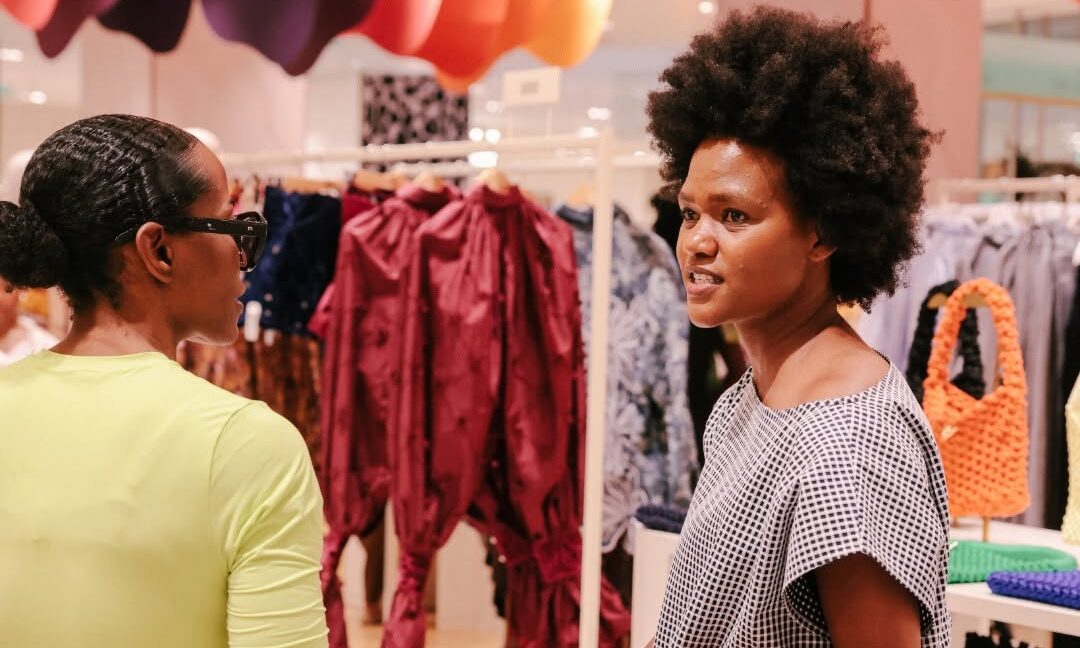
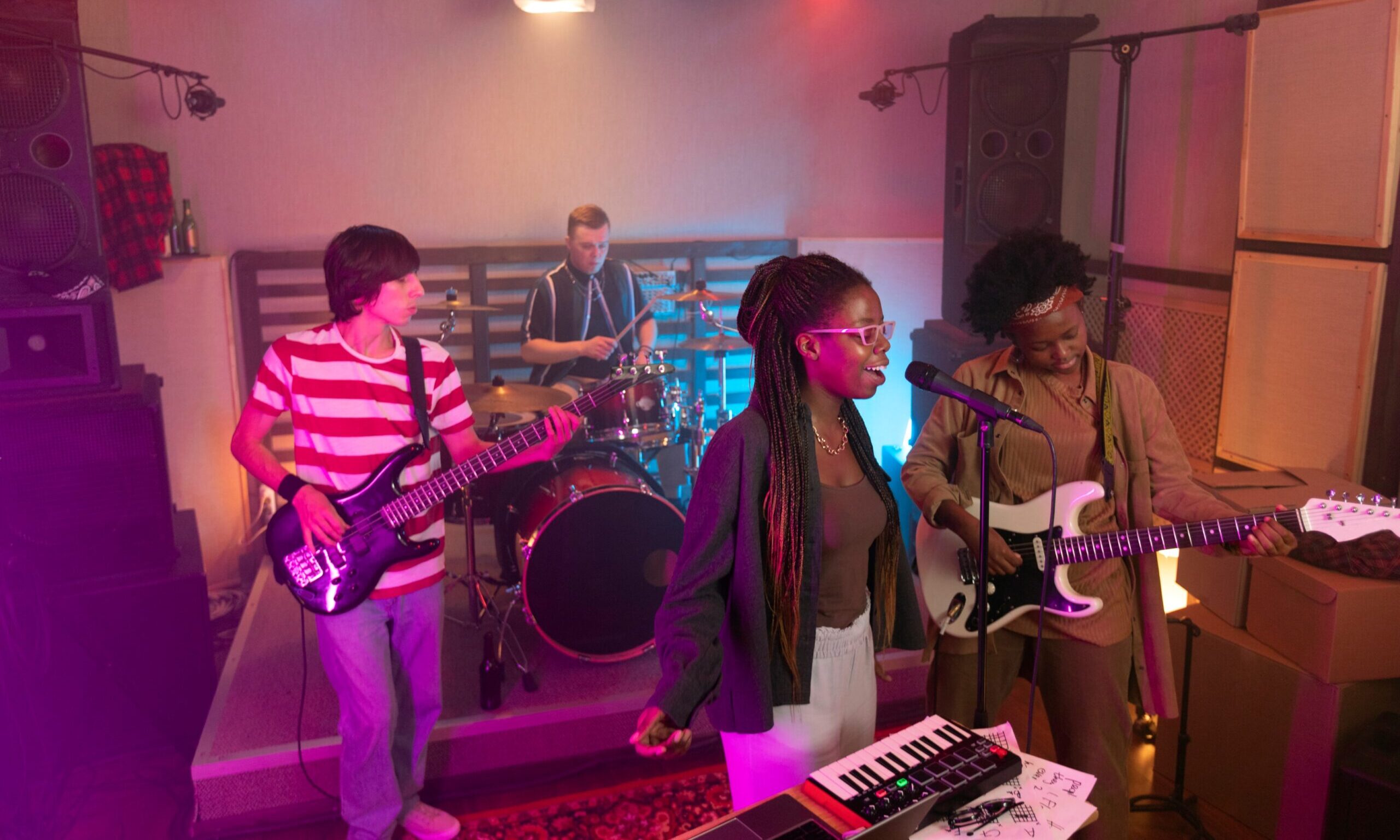
The Music In Africa Foundation (MIAF) is proud of its partnership with the Industrial Development Corporation (IDC) as a Strategic Implementing Partner (SIP) for its Social Employment Fund (SEF). Through this collaboration, MIAF is running a national programme that is creating jobs, addressing skills gaps, and strengthening South Africa's creative industries — in line with the SEF's overarching goal to generate work for the common good and build community value through employment, social contribution, and inclusive economic participation. Operating under the banner NEFCISA (National Employment Facility for Creative Industries in South Africa), the initiative is recruiting and training participants, matching them with host organisations, and has already placed 1 500 workers across the country — surpassing its original target of 1 000. NEFCISA is delivered through a network of 20 host organisations spanning five provinces, who are actively hosting participants and contributing to work for the common good across South Africa's creative and cultural industries. Key Objectives: Support employment and entrepreneurship in the creative industries. Offer skills development and training programmes. Foster partnerships between public and private creative sectors. Promote South African creativity at both provincial and national levels Foster community development through social contribution.

ACCES
ACCES

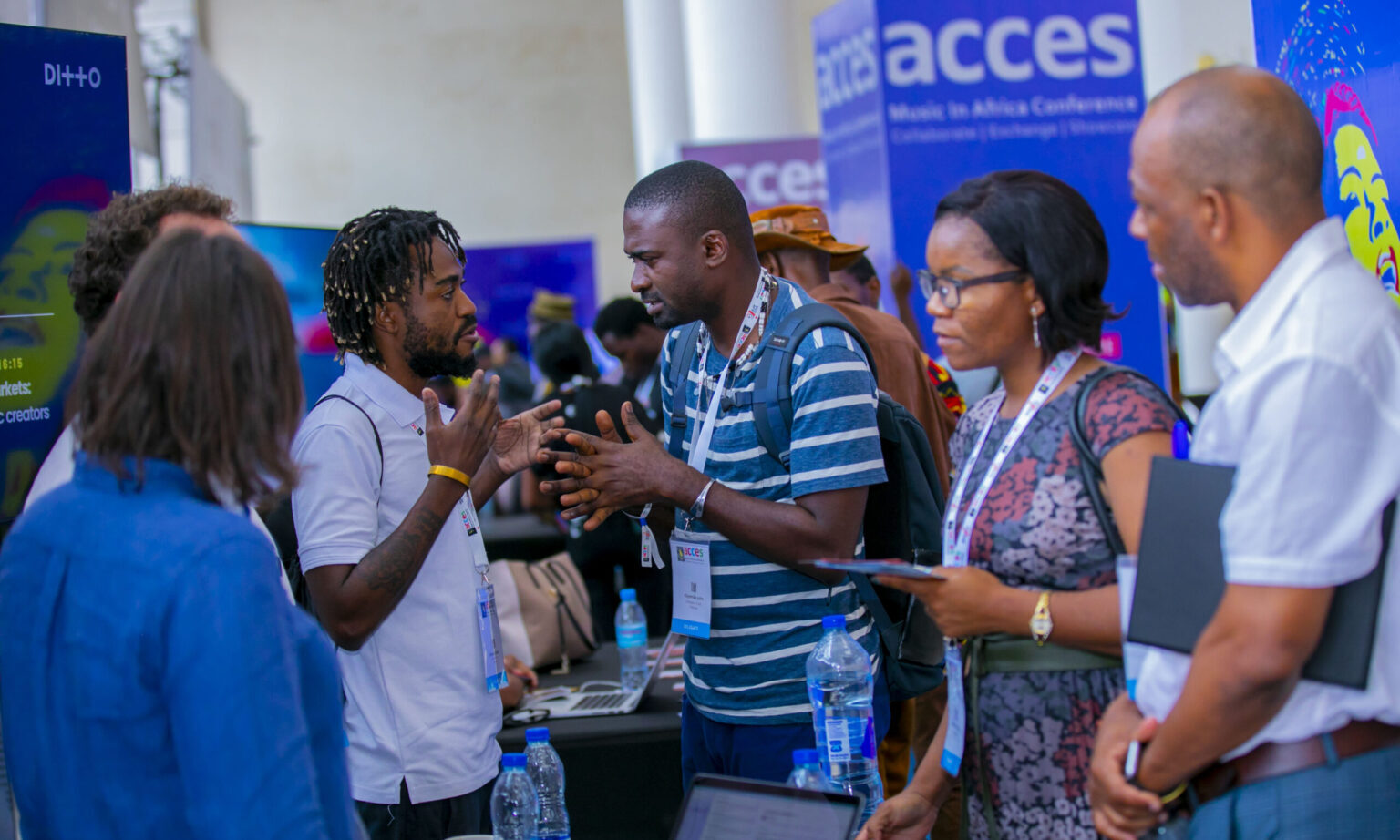
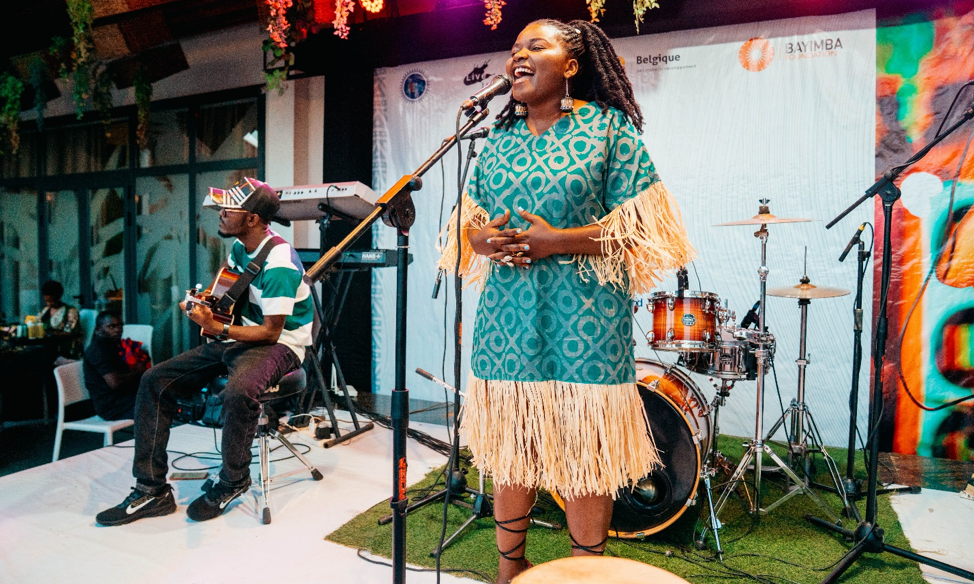
ACCES Conference and Showcase Festival is Africa's leading music industry gathering, bringing together the people shaping the future of the continent's music business. Artists, entrepreneurs, executives, investors, policymakers and cultural leaders from across Africa and around the world come to ACCES to build partnerships, exchange ideas, discover talent and create new business opportunities. Since its launch in 2017, ACCES has become the continent's premier platform for professional exchange and music market development. Combining a high-level conference with a curated showcase festival, networking, exhibitions and industry programmes, ACCES offers a unique space where creativity meets business and where African music connects with the global industry.

Gender@Work
Gender@Work

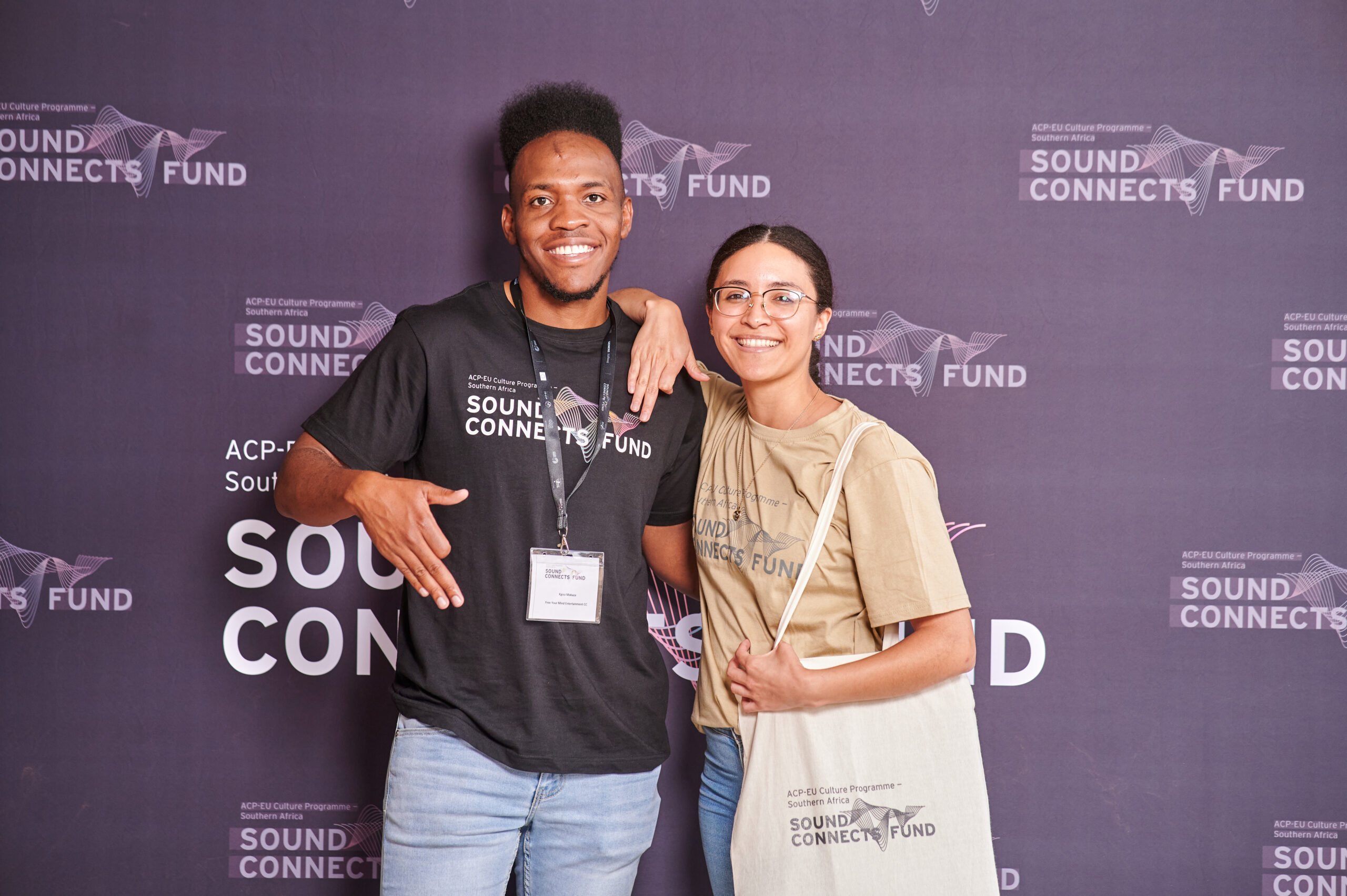
Music In Africa Gender @ Work is a three-year training programme aimed at upskilling and increasing the participation of female professionals in the African music sector. Launched by the Music In Africa Foundation (MIAF) in April 2019, the programme is connected to the MIAF’s ACCES music conference – a pan-African event held in a different African country every year. This connection enables the programme to reach new participants in a different African country every year. The programme marks the beginning of a more concerted effort by the Foundation to support the participation and inclusion of women in all facets of its programmes and the music sector in Africa as a whole. Over the three years, the programme will aim to address gender imbalances in the sector through training, lobbying, facilitating knowledge exchange and dialogues that foster the interest of women. The broader objectives of the programme are to: Provide industry training for women on critical music industry skills, focusing on: Stage management Electronic music production and recording Music business management Technical knowledge Provide an opportunity for both professional and aspiring women to benefit from the Music In Africa network and its broad range of activities in 2019, 2020 and 2021. Provide a solution-based platform in the form of a round table at ACCES with a view to identify challenges, discuss opportunities and lobby for the interests of female practitioners. Offer participants the opportunity to benefit from programmes offered by MIAF’s partners. Increase access to educational materials. Integrate participants in the broader ACCES programme to maximise experience and exposure to the industry. Record and present training materials on the www.musicinafrica.net, including but not limited to tutorials, templates and other best-practice materials. Communicate women-based themes that support the initiatives and messages of the programme. MAIN TRAINING ACTIVITIES Training in first country (Ghana): In the first year, participants will be trained on all aspects of stage management by a team of experienced stage managers from 10 to 17 November 2019. The programme will offer robust classroom training as well as practical, hands-on training in which participants will also be given the opportunity to manage various aspects of the ACCES performance programme. Training in second country: The second training iteration will take place at ACCES 2020 when the programme will diversify its course to include music production lessons and training on other music business topics. A round-table platform will also be introduced to coincide with the ACCES programme. Training in third country: The third training iteration will take place at ACCES 2021 in a different country, offering an advanced course. HOW DO YOU GET INVOLVED?  As a participant, facilitator or trainer: The programme enrolls up to 12 trainees every year. All opportunities are advertised publicly on this website, and will be added to this page. Please keep checking this page for new calls (below under UPDATES & CURRENT OPPORTUNITIES). As a partner Please contact Claire Metais at [email protected]. APPLY The call for applications for 2020 will be announced soon. The Music In Africa Gender @ Work programme is made possible with the support of the Prince Claus Fund, Siemens Stiftung and Goethe-Institut.

Sound Connects Fund
Sound Connects Fund

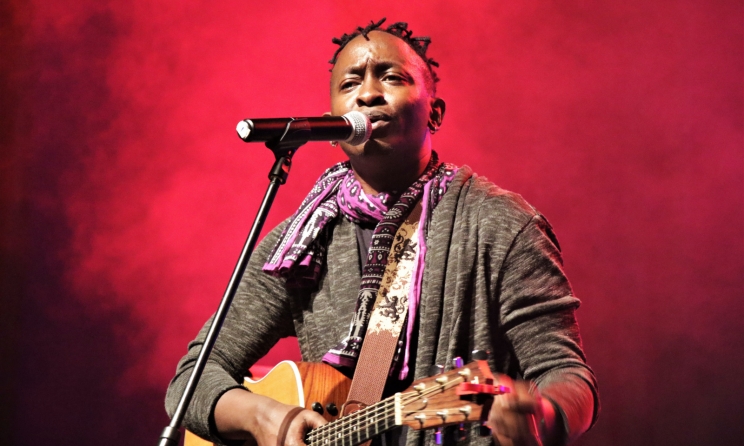
For cultural and creative practitioners and organisations operating in southern Africa, access to funding remains a major challenge. The COVID-19 pandemic has also had a massive impact on government policy, spending and the economy in general, and has seen spending on culture being moved further down the list of priorities. Further, the cultural and creative industries repeatedly cite four main areas where investment is needed for growth, which are increased visibility, mobility including access to new markets, finance and support structures.

Instrument Building And Repair Project

Experience the Vibrations African Instruments Exhibition online in 3D

banner image

Cap-Vert : la musique priorité nationale

Home/Non classé/Cap-Vert : la musique priorité nationale

Très présente dans tout l’archipel, la musique est au cœur de la vie des Capverdiens. On dit dans l’archipel que c’est un des pays au monde où il y a le plus de musiciens au kilomètre carré.

Omniprésente, la musique vit d’abord à travers les bals animés par les groupes amateurs qui jouent de la morna, de la coladeira et du funana, à l’aide de cuivres, de cavaquinos (petites guitares capverdiennes), de pandeiros (percussions) et d’accordéon. À partir des années 1950, ces musiques sont relayées par les radios naissantes, comme Radio Club Mindelo et Radio Barlovento.

La production a été longtemps absente de l’archipel et, les premiers artistes sont produits à l’étranger comme le chanteur Pedro Morais qui enregistre son premier 78 tours de morna en 1950 en Argentine et la chanteuse Titina qui signe son premier 45 tours Standinha en 1953 à Lisbonne.

Dans l’archipel, ce sont d’abord des maisons de commerce, vendant des tissus et du matériel électroménager comme la Casa Leao, qui se lancent dans la production signant notamment les premières œuvres de Titina et de Bana.

À partir des années 1960/1970, beaucoup de musiciens s’exilent à Dakar, aux USA (New Bedford, Massachusetts), à Lisbonne (Portugal) et à Rotterdam (Pays-Bas) et sont enregistrés à l’étranger.

La diaspora ouvre des boîtes de nuit où se produisent les artistes comme le Rabanbera à Rotterdam (Pays-Bas) ou le Monte Cara à Lisbonne (Portugal) et crée des maisons de disque comme Morabeza Records fondée par Carlos Martin qui produira le groupe Voz Di Cabo Verde.

Il sera suivi dans les années 1990 par des musiciens et des compatriotes (Espace music Tropica et Cap-Vert Music basés à Paris (France) sans oublier Lusafrica fondé par Jose Da Silva, le producteur de Cesaria Évora), MB productions des Mendes Brothers aux USA qui élargissent leurs activités et organisent aujourd’hui la promotion et les tournées internationales d’artistes avec leur structure MB Artist Management.

[video:https://www.youtube.com/watch?v=LLsg_Lk819s width:853 height:480 align:center autoplay:0]

De nombreux groupes se forment ainsi dans les capitales européennes comme le Cabo Verde Show formé à Paris (France) dans les années 1980 qui accueille la célébrissime Cesaria Évora.

Depuis le succès planétaire de la diva aux pieds nus, la musique est devenue une priorité nationale et de nombreux musiciens de la diaspora sont revenus au pays ouvrir un studio ou un club. Un des principaux labels basé à Praia est aujourd’hui Harmonia fondé en 1998 : il a produit des artistes comme Ferro Gaita, Cesaria Évora, Lura, Elida Almeida.

En 2012, le gouvernement capverdien s’est lancé dans une politique d’encouragement de l’industrie musicale. C’est devenu une priorité, nationale expliquait le ministre de la Culture, M. Mario Lucio Sousa. Si le pays investit dans l’économie de la création, c’est parce que l’immatériel revêt une valeur particulière.

Parmi ces mesures, la plus emblématique est la mise en place d’une banque de la culture, un établissement de microcrédit – pour aider les créateurs et les petits entrepreneurs de l’archipel à accéder au financement. Il s’agit d’une sorte de fonds de garantie qui permet au petit entrepreneur de s’adresser directement à la banque pour lui soumettre un projet qui sera évalué en fonction de sa valeur immatérielle. Les petites entreprises peuvent imprimer un nouvel élan à l’économie nationale, ce qui pousse à attribuer des ressources directement aux individus capables d’innover.  Encourageant ainsi tous les types d’innovation.

[video:https://www.youtube.com/watch?v=0jceH1CUHxc width:853 height:480 align:center autoplay:0]

La seconde mesure est l’établissement de réseaux entre les iles, réseaux de musées, de lieux et de festivals pour faciliter la promotion de la culture auprès des touristes. Par l’intermédiaire de ces réseaux, ils travaillent avec de petites communautés et leur donnent les ressources nécessaires et la possibilité de tirer leurs propres revenus de la culture. La culture fut l’un des fondements du commerce et des échanges dans le monde et elle demeure un socle majeur de développement, raison pour laquelle elle est au cœur des efforts déployés par le Cap-Vert pour parvenir à un développement durable.

Cet environnement favorable a vu l’éclosion de nombreuses initiatives comme l’apparition de festivals (le kriol jazz festival), d’un concours national, Cabo Verde music Awards et la création sous l’impulsion de Jose Da Silva et de sa fille Elodie, d’un salon professionnel, Atlantic Music Expo. Cette initiative qui a drainé en 2018 350 professionnels venus de 30 pays a pourtant vu le désengagement récent de l’État.

Pour sauver une des initiatives les plus encourageantes pour l’ensemble de l’industrie musicale du pays, les artistes n’ont pas baissé les bras : ils se sont mobilisés et ont créé une association visant à soutenir l’initiative. La réduction de moitié du budget du festival a été très dur pour le directeur de l’association, Augusto Veiga, le gouvernement a simplement changé un peu la philosophie et les fonds sont essentiellement privés maintenant. L’État maintient néanmoins une présence très engagée, à travers une participation importante du fonds de tourisme.

Sources : 

Livres : Les grandes figures des musiques urbaines africaines , Edition Afriques en Création, 1993, par Sylvie Clerfeuille et Nago Seck 
Les musique du Cap-Vert de Vladimir Monteiro , Editions Chandeigne, 1998
Articles : Catalyser la créativité au Cap-Vert, Septembre 2013, OMPI Magazine https://www.wipo.int/wipo_magazine/fr/2013/05/article_0003.html
Cap-Vert, 11 Mai 2007,  Afrisson.com : https://www.afrisson.com/Cap-Vert-1591.html
Cap-Vert : l’Atlantic Music Expo est bien lancé, RFI, 17/4/2018, http://www.rfi.fr/afrique/20180417-cap-vert-atlantic-music-expo-bel-bien-lance
Interview : Teofilo Chantre

Avertissement/Clause de non-responsabilité

Les aperçus de Music In Africa fournissent des informations générales sur les scènes de musique dans les pays africains. Music In Africa comprend que l’information contenue dans certains de ces textes pourrait devenir dépassée avec le temps. Si vous souhaitez fournir des informations plus récentes ou des corrections à l’un de nos textes, veuillez nous contacter sur [email protected].

Édité par Lamine BA

newsletter banner

Subscribe to our monthly Newsletter

Follow us on social media