













































By Uchenna Ikonne
The following text presents an overview of the origins and growth of the hip-hop genre in Nigerian music.
Beginnings
The idea that the voice of modern Nigeria would be a music genre almost inextricably associated in the popular imagination with the mean streets of urban America may appear, understandably, somewhat absurd. But at the time of writing—halfway through the second decade of the 21st century—the most popular, most ubiquitous, and most commercially successful sound the country has witnessed in fifty years or more… is hip-hop. But this state of affairs did not come to be overnight; hip-hop has travelled a long road to mainstream acceptance and proliferation, a journey that spans four decades of growing pains.
Rap music and its attendant hip-hop culture had been developing in various black and Latino neighbourhoods in New York City since the early nineteen seventies but Nigeria (like most of the world outside of the Big Apple) only got its first taste of the new sensation in 1979, with “Rapper’s Delight.” The Sugar Hill Gang’s disco-driven dance anthem has since been recognized as the first major hip-hop record, the launching point of a genre that would come to mark a new epoch in popular music. At the time, though, it was mostly viewed as an ephemeral trend that for was fun and catchy enough to inspire knock-offs, take-offs and reply records from around the globe. Nigeria was not left out of the dialogue, getting its own answer to the rap craze in 1981 with “The Way I Feel Rap,” recorded by popular Lagos disc jockey Ronnie Ekundayo.
Over the next ten years, several more Nigerian artists would follow Ronnie’s lead in experimenting tentatively with the occasional novelty hip-hop track. The very act of “rapping” retained its strict identification with funk and disco rhythms and black American expressive style; as a result, Nigerian attempts at hip-hop tended to adhere to the accents and inflections of their US inspirations. But unlike the Americans MCs, who regaled in cleverly rhymed lyrics, witty wordplay, picturesque storytelling and vivid messages, Nigeria’s rap wannabes were not particularly concerned with communicating with the audience—they rapped for sound rather than content. Their verses were usually barely decipherable, composed of gibberish words and sounds that often didn’t even rhyme; so long as they approximated the gruff tone and staccato triplet cadence of the “old school” New York rap style, they were adjudged to be relatively successful.
The progression
All of this started to change as Nigerian rap entered its second decade. 1991 saw the introduction of a generation of Nigerian hip-hop artists who brought a new sense of localization to the style. “Which One You Dey?” by the trio Emphasis, “Monika” from the duo Junior & Pretty and the four-man Pretty Busy Boys’ “Big Belle” all eschewed the established practice of mimicking American accents, rhyming instead in the common West African patois of pidgin English, weaving humourous narratives about love and life from a contemporary Nigerian perspective with a relaxed, easy-to-understand lyrical flow. They also moved away from the reliance on recycled American funk rhythms, fitting their verses to musical accompaniment informed by afrobeat and highlife. (Junior & Pretty in particular underlined their redefinition of hip-hop away from the intrinsically American standard by frequently dressing in Hausa daishikis and Igbo chieftaincy tunics and compared their style of hip-hop to the staple foodstuff of Nigeria, dubbing it “Fufu Flavour.”)
Neither Junior & Pretty, Emphasis nor the Pretty Busy Boys would remain on the scene for long, but their paradigm-shifting example would influence the development of a sui generis “Naija” hip-hop style for the rest of the decade. The nineteen nineties were marked by the emergence of acts such as Ruff, Rugged & Raw, The Remedies, The Trybesmen (hailed as “the Run-DMC of Africa”), androgynous female rapper Weird MC, and Plantashun Boiz (featuring vocalist 2Face Idibia, who would go on to become the genre’s biggest star). Ultimately, though, hip-hop remained a niche taste, not a pop genre with a broad-based appeal for Nigerians of all stripes.But by the early 2000s, most of the mainstream popular styles such as highlife, juju and reggae were in decline. Nigerians had taken to importing dance music from other points in Africa, such as the electrifying soukous of Congolese singer Awilo Longomba. There was also South African kwaito, which Nigerians were exposed to via the newly-available cable music network Channel O. The channel also featured Nigerian music clips, favouring mostly hip-hop acts whose tendency towards visual flamboyance—flashy fashions, inventive dances and a unique sense of swagger—made them natural video stars. Channel O and the other video channels that followed it did much to elevate hip-hop’s profile in Nigeria, and for a country desperately in need of an indigenous sound to call its own, hip-hop stepped up to fill the void of for consensus pop genre.
Triumph and criticism
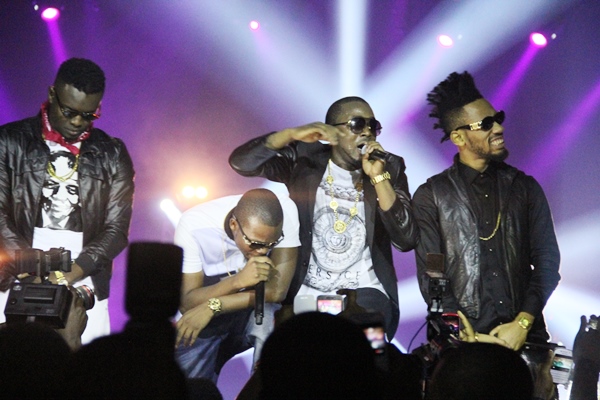
Since then, there has been no stopping Naija hip-hop as its influence snakes across Africa and beyond. It sells millions of CDs and DVDs, and its artists command astronomical fees to endorse major brands, both domestic and international. The Nigerian hip-hop duo P-Square incites Beatlemania-style mass hysteria whether appearing in Lagos or Nairobi or Paris. 2Face’s “African Queen” is a generational anthem among teens in the faraway Philippines. D’banj collaborates with international superstar Kanye West. American R&B bad boy Chris Brown flaunts Naija dance moves he admits to cribbing from Wizkid. Naija hip-hop rivals the Nigerian movie industry Nollywood as the country’s most recognizable and effective cultural export.
But through all this, Naija hip-hop remains a lightning rod for furious criticism—particularly from commentators who came of age before the last millennium and view hip-hop as representing all that is creatively, morally and spiritually bankrupt about today’s Nigerian youth. No lesser pundit than Benson Idonije—the legendary dean of Nigerian music criticism—regularly attacks hip-hop with the intensity of a Zealot, decrying it as a show of cultural dereliction; a terminally shallow generation mindlessly aping a musically insignificant foreign fad. “Just now hip-hop is the contemporary thing—you find Nigerians imitating the American style,” Idonije grumbles. “We don’t have [an identity] in Nigeria because young Nigerians are looking up to America for their future.”
Such declarations from the critics belie an unfortunate tone-deafness on their part, however: even the most perfunctory analysis of Nigerian hip-hop against its eponymous US counterpart attests that apart from their shared digital production aesthetic, they sound almost nothing alike. The fundamental rhythm at the root of Naija hip-hop is not funk but the timeless, lopsided clave of good old West African highlife. (The hip-hop scene in Ghana—where the music has developed in parallel—more directly underscores this lineage by labeling its music “hip-life.”)
So perhaps, Nigerian hip-hop’s greatest liability is its name, which perpetuates the perception that it is nothing more than a pale copy of American rap records. Attempts have been made to remedy this state of affairs, though. In the UK, where a vibrant club scene thrives around the sound, it is called afrobeats (the ‘s’ at the end doing little to ward off confusion with a different genre altogether), while back home some have taken to referring to it as Gbedu, or Naija beatz, or just Naija. But whatever you call it, there’s no denying that it’s a sound that has grabbed the soul of Nigerians, made them view their nationality as a source of pride and coolness… and gingered their swagger.


Most popular

Top Naija songs of 2026
31 Mar 2026

Top Afrobeats songs of 2026
19 Mar 2026

Top amapiano songs of 2026
16 Feb 2026
Ghana: Mr Eazi and MOLIY’s ‘Comfort’ earns Urban Music Awards nomination
21 Oct 2026
Open call: CANEX Music Business Lab and Songwriting Camp
15 Oct 2026
Nigeria: CANEX WKND unveils 2026 programme
21 Oct 2026
Disclaimer: Music In Africa provides a platform for musicians and contributors to embed music and videos solely for promotional purposes. If any track or video embedded on this platform violates any copyrights please inform us immediately and we will take it down. Please read our Terms of Use for more.

Subscribe to our monthly Newsletter
Follow us on social media


Please log in to post a comment.