























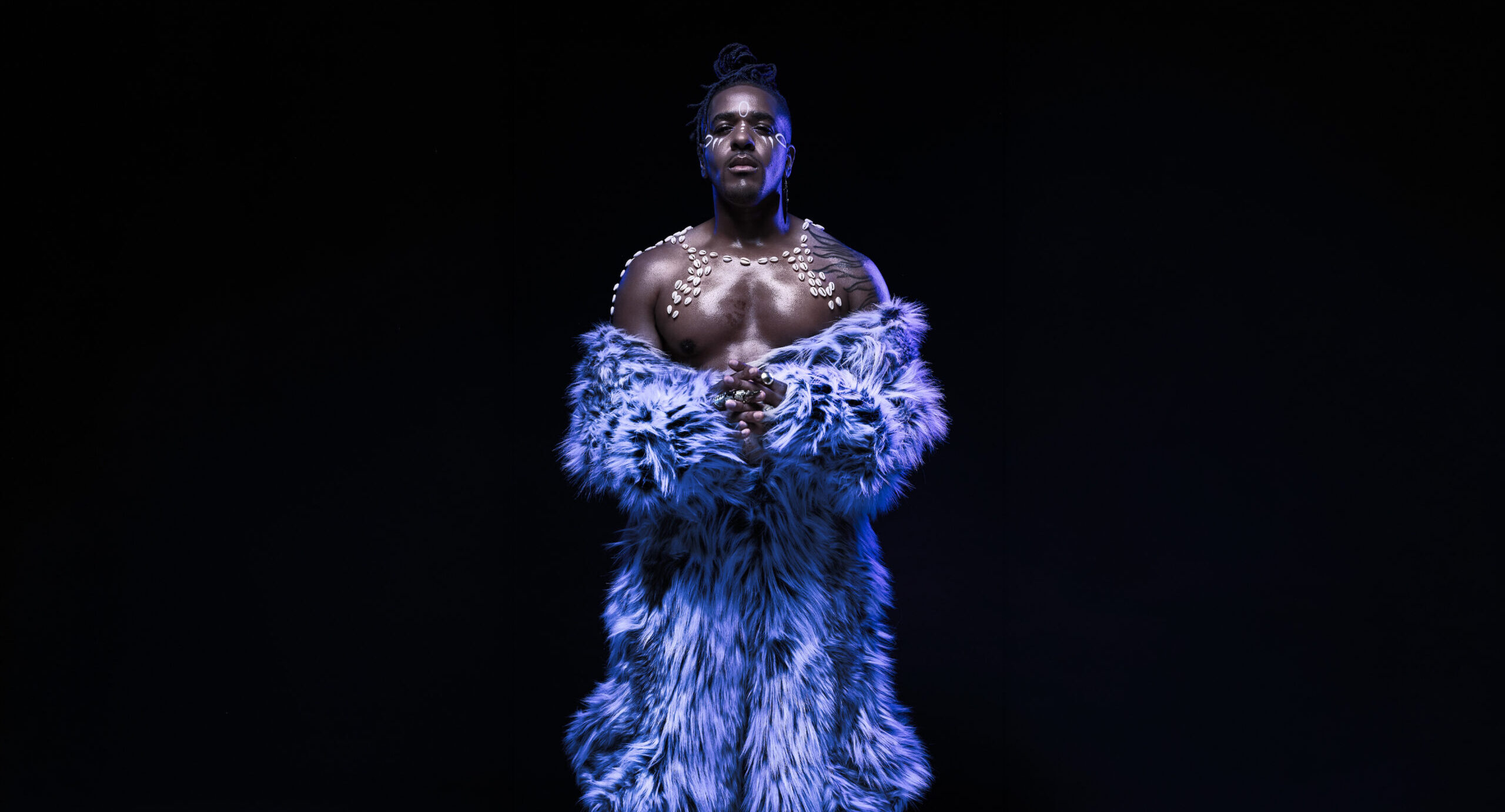
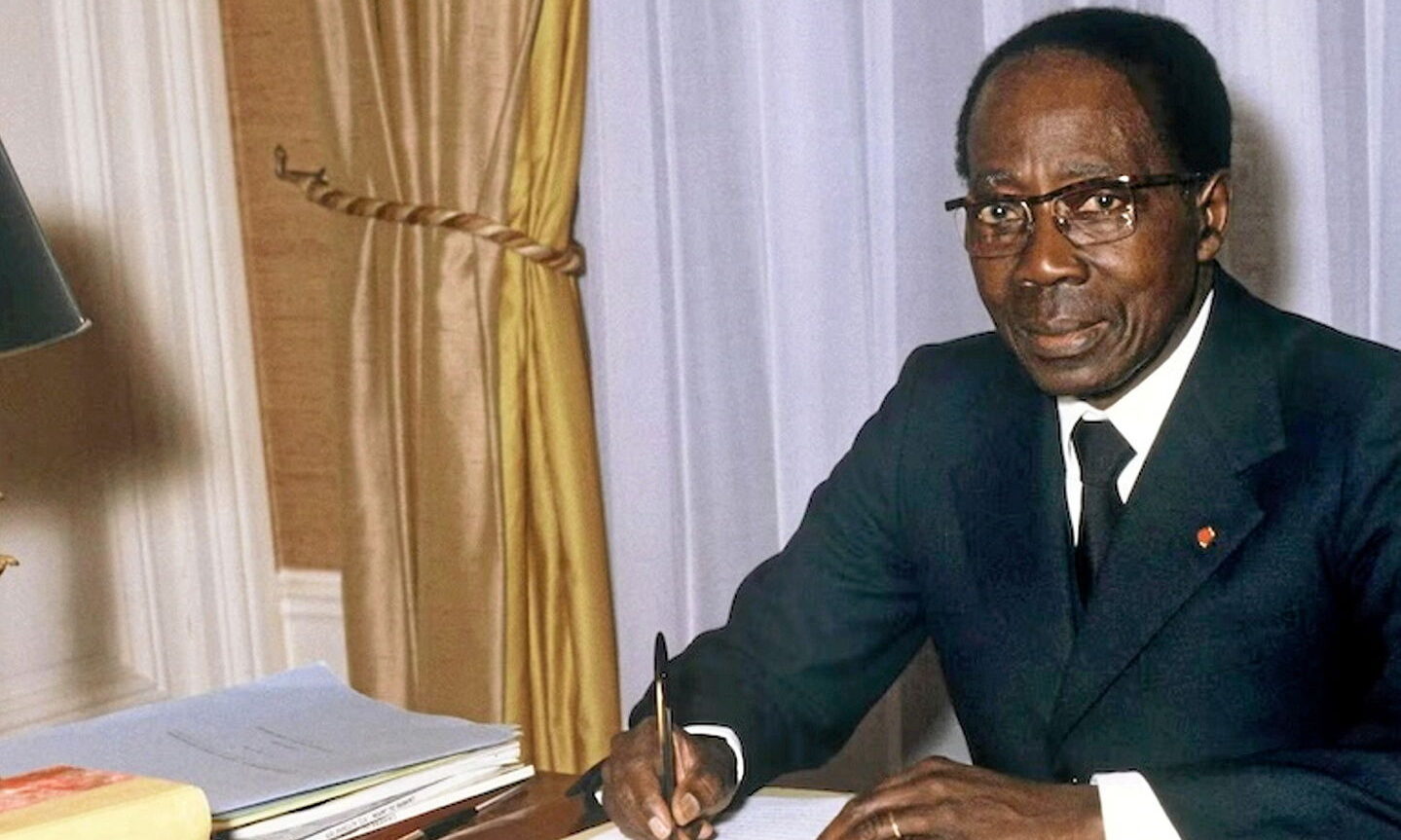
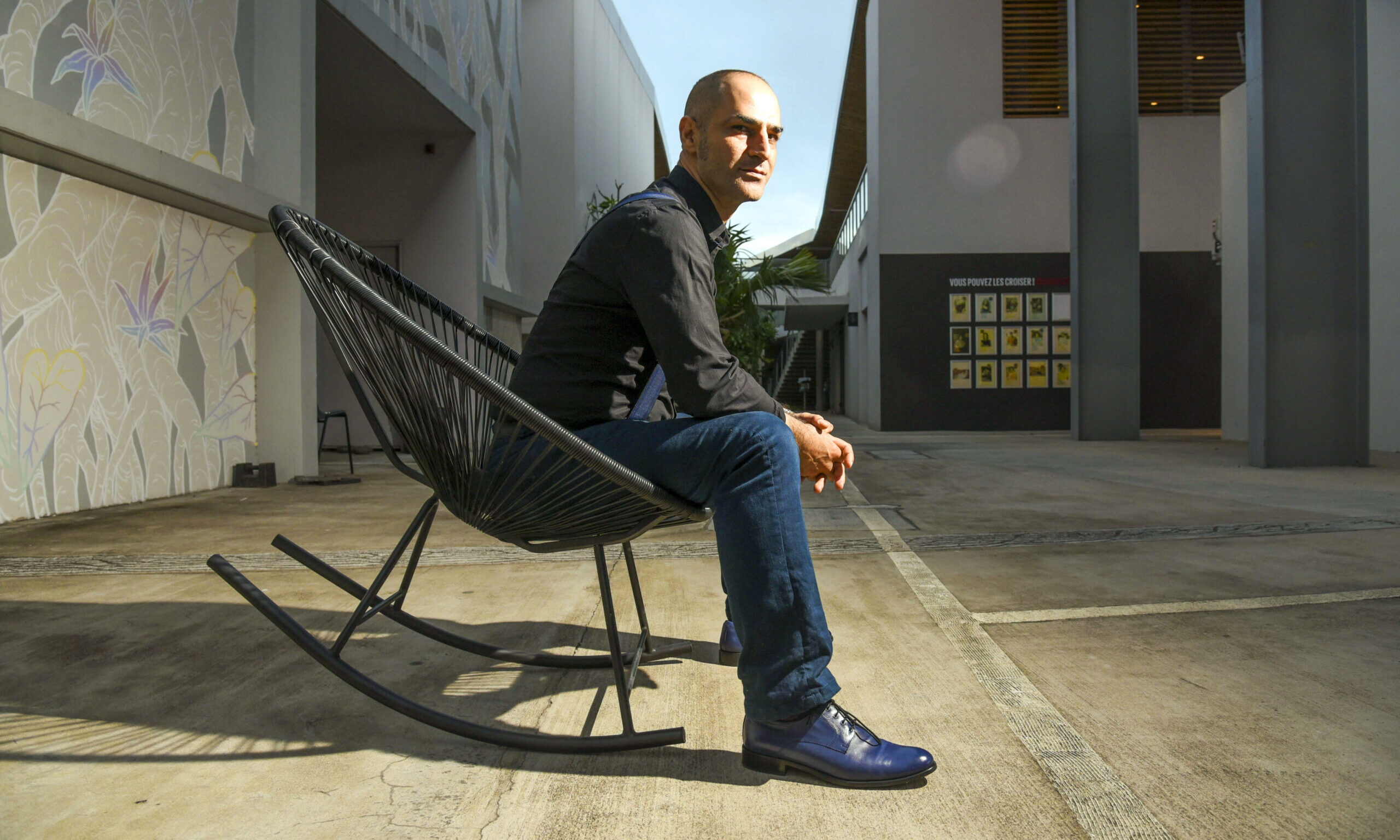
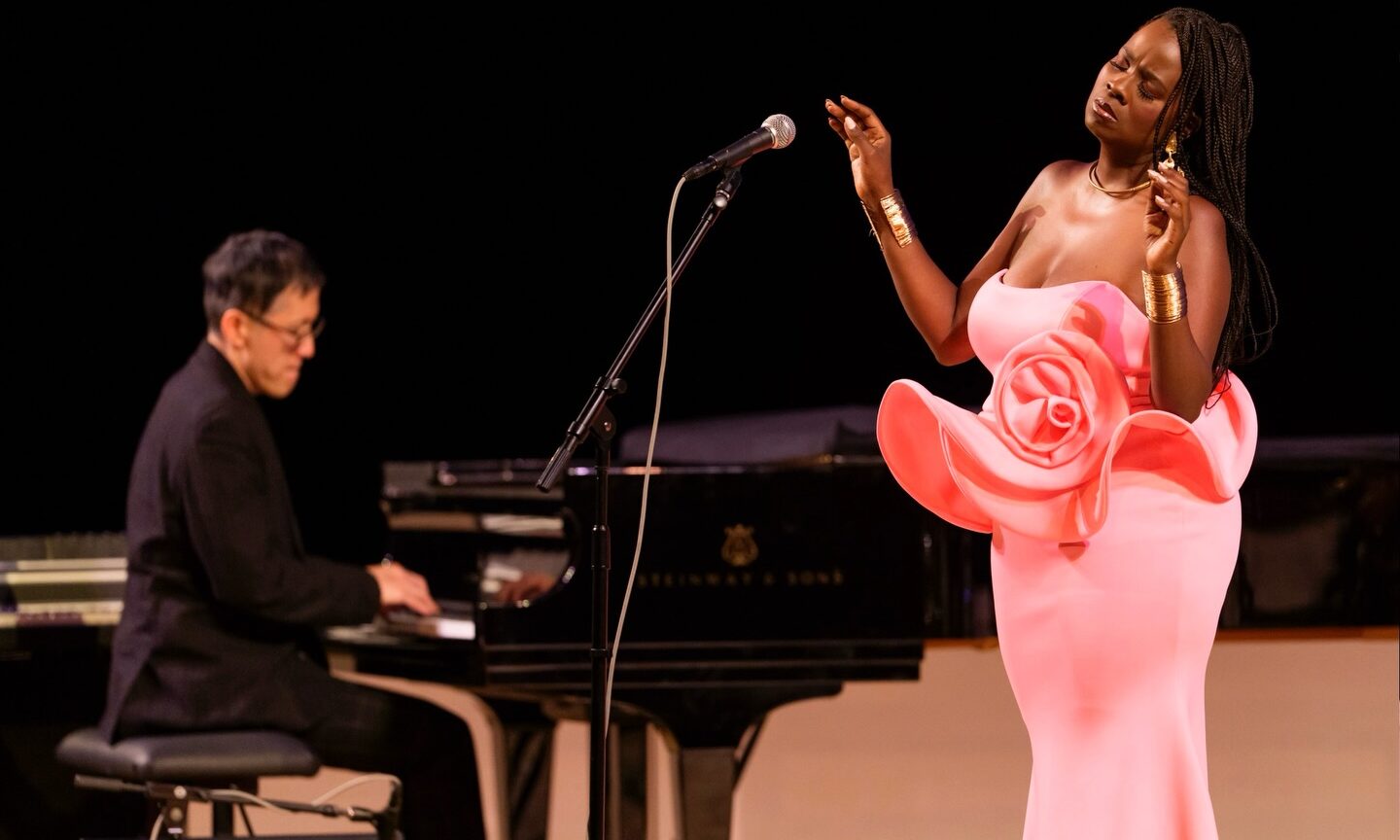




























The Mozambican capital of Maputo rocked to Africa’s freshest sounds when the sixth edition of Azgo Festival came to town on 20 and 21 May.
Well-known for striking just the right balance between local pop and traditional talent, continental stars and more experimental acts from all over the world, this year’s edition at the Eduardo Mondlane University campus was by all accounts the festival’s biggest to date.
Azgo’s first night kicked off with a shortened set by local favourite Mr Bow, the only artist to rely on playback during the entire festival. He was followed by a succession of female talent from every corner of the continent. Maya Kamaty from Reunion and her new-look band served up her signature brand of dreamy French pop and maloya, before Cape Verdean star Lura staged a well-paced set, starting with ballads and building up to more uptempo numbers, charming the audience with her infectious smile and elegance.
She was followed by Somali-Canadian artist Cold Specks, performing for the first time in Africa ahead of upcoming gigs in Johannesburg and at Bushfire, Zakifo and Sakifo festivals. Her unique ‘doom-soul’ sound saw her performing accompanied only by a DJ, with her powerful, soulful voice taking centre stage. After her it was back to the main stage, where local pop star Neyma put on a high-energy performance that had the crowd singing along and belied the fact that she is celebrating 15 years in the industry.
After experimental Spanish duo Za! surprised many with their chaotic multi-instrumental virtuosity, it was the turn of Angolan crooner Paulo Flores, an icon of the semba sound that enjoys many fans in Mozambique. In his band was guitarist Manecas Costa from Guinea-Bissau, ensuring that all of Africa’s Portuguese-speaking countries (except for São Tomé and Príncipe) were represented at Azgo. As the night passed 3am, the local crowd showed little sign of tiring (despite the unusually cold weather) as Portugal’s HMB took to the stage ahead of the star-studded tribute to the late Mozambican legend Alexandre Langa, featuring a host of leading local acts like Roberto Chitsondzo, Muzila, Yolanda Kakana and Sizaquel, many of whom featured on a recent tribute album for Langa.
Azgo’s second night was even better attended, with crowds well in excess of 5000 people. After an afternoon full of local traditional music and dance acts, including Timbila Muzila, the night kicked off with local dub/reggae favourites Gran’Mah, whose infectious energy spilled over into the audience.
Next it was the turn of Swaziland’s soul star Bholoja, whose powerful vocals draw on influences from across the continent, noticeably Mali. His tight band meanwhile turned his songs in internationally radio-friendly tracks, thanks to some tasteful solos from his guitar and alto sax players (move over, Kenny G!). Bholoja set the stage for one of the festival’s main headliners, South African diva Zahara, who already enjoys a loyal following after numerous performances in Maputo in recent years. Singing most of her hits from her three albums, Zahara moved herself to tears at one point, also endearing herself by singing in Portuguese.
Another diaspora act touring Africa for the first time, New Zealand’s Estère impressed many with her funky, bass-heavy one-woman show. Next it was the turn of three local favourites, guitarist Xidimingwana representing Mozambique’s old school ahead off young singer Deltino Guerreiro. Arguably the highlight of the entire festival was the performance by rapper Azagaia and his band Os Cortedores de Lenha. Famous for his conscious lyrics that have often landed him in hot water with local authorities, Azagaia put his heart and soul into the performance, earning calls for an encore at the end of the set, the only act to get this honour during a schedule that was far more tightly controlled than in previous years.
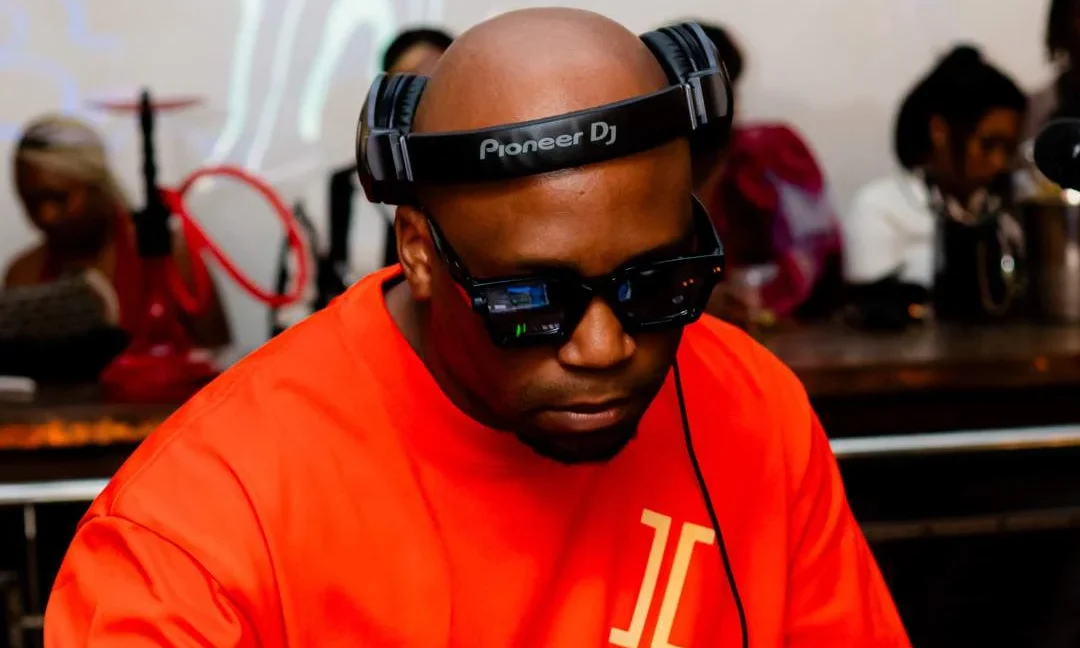
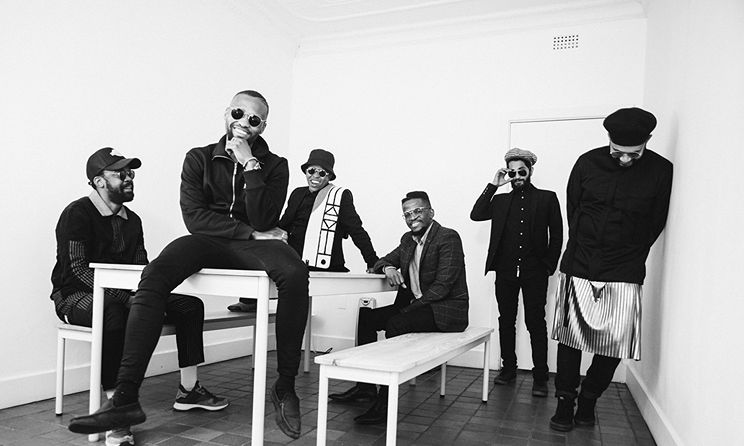
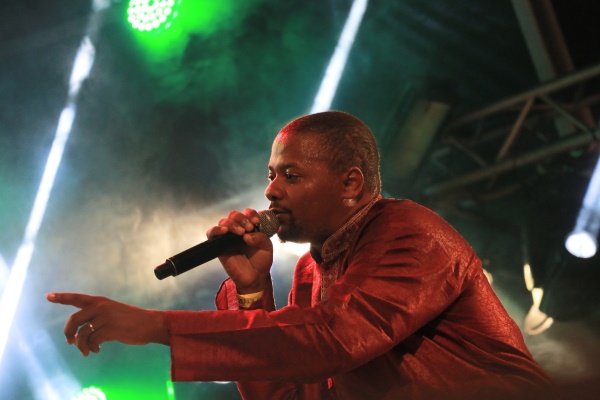
Touring Australian band Kingfisha cooled down the pace with their authentic roots reggae sounds, giving the audience some room to breathe ahead of the festival’s other main headline act, Kenyan band Sauti Sol, performing in Mozambique for the first time. Kicking off with the latest hit ‘Live and Die in Afrika’, they proceeded to belt out their hits, backed by an impressively tight band, working up a sweat with the carefully choreographed dance moves and steadily disrobing, much to the delight of the ladies in the audience. As the crowd dispersed, most exhausted after two night of incredible African music, DJ Kenzhero from South Africa and other local DJs closed out the night.
Earlier in the week, Azgo was preceded by a two-day conference dubbed the Azgo Dialogar, an initiative to help promote networking and knowledge exchange in the Mozambican music industry. The Dialogar kicked off on Tuesday 17 May with debates on how to strengthen the local cultural industry and the impact of arts on the local economy. Delegates included various Mozambican promoters, a representative of Mozambique’s ministry of Culture and Tourism, as well as Yusuf Mahmoud, director of Sauti za Busara festival in Zanzibar, who provided invaluable regional perspective. Tuesday’s sessions ended with a discussion that attempted to shed some light on the various laws and tax incentives affecting the arts in Mozambique.
The Azgo Dialogar continued the following day with a discussion on career development, covering artist management, marketing and promotion. The panel featured locally based musician Milton Gulli, head of independent label Kongoloti Records (and Azagaia’s guitarist), Gran’Mah manager Kiuri Negrao, as well as Lura and Mingas, one of Mozambique’s most talented female voices since the late 1980s.
The Dialogar ended with a presentation of Music In Africa, which was met with plenty of interest from local musicians and other in attendance. Music In Africa plans to begin its work covering Mozambique from mid-2016.
Mahmoud from Sauti za Busara, visiting Azgo for the first time as a guest of Music In Africa (in line with the foundation’s mission to build bridges between Africa’s music industry), was suitably impressed by everything he saw and heard in Maputo. “Azgo Festival is a must for African music lovers,” he said. “The organisers clearly have a passion for great music, with an exciting and diverse line-up”. Among his highlights were Azagaia & Os Cortadores de Lenha, Paulo Flores, Lura, Bholoja and Cold Specks.
“It was great to see Mozambican music is alive and strong, though sadly almost invisible in the so-called ‘world music’ industry,” continued Mahmoud. “Maybe the country needs more arts managers to help promote their music internationally. Meanwhile Azgo was well-organised, on time, with high technical standards and last but not least, a warm and super-friendly audience. I look forwards already to visiting Maputo again, for Azgo 2017!”
All photos © Dave Durbach / Music In Africa
Congratulations to the winners of Music In Africa’s Azgo competition, who each won double tickets to the festival: Mélodie Ounda Meybi, Emanuel Pereira, Amade Tajú, Marta Botelho, Inercio Pene, Denise Arnaldo and Kirill Kuzmin.


Most popular
Open call: 2026 Gender@Work music industry training in Johannesburg
09 Oct 2026

Top amapiano songs of 2026
16 Feb 2026

Top Naija songs of 2026
31 Mar 2026

Top Afrobeats songs of 2026
19 Mar 2026
Gambia: Suntou Susso announce UK tour for ‘The Path of a Griot’
09 Oct 2026

Call for applications: ACCES 2026 Emerging Artist Spotlight Competition
01 Oct 2026
Disclaimer: Music In Africa provides a platform for musicians and contributors to embed music and videos solely for promotional purposes. If any track or video embedded on this platform violates any copyrights please inform us immediately and we will take it down. Please read our Terms of Use for more.

Subscribe to our monthly Newsletter
Follow us on social media


Please log in to post a comment.