
























































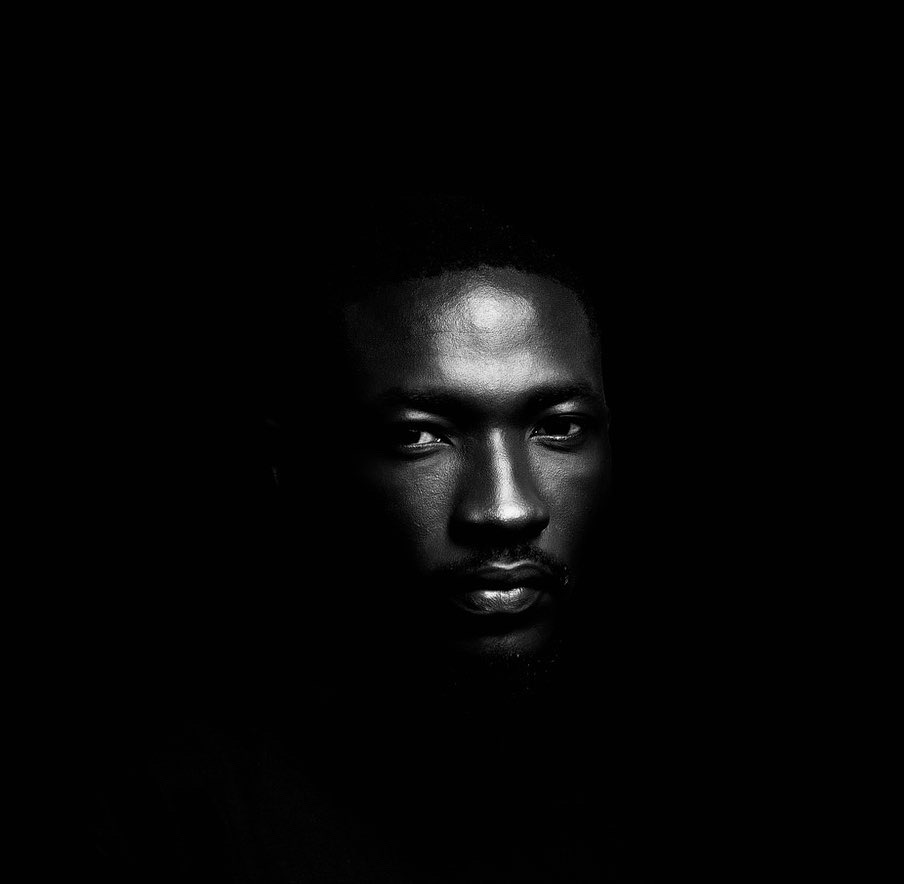
Is Sarkodie the best African rapper now working?
21 Mar 2018 - 15:34


As a recording artist, Sarkodie has proven remarkable across genres. While he is considered a hip-hop god, he is perceived in a similar light within the Afropop circle.
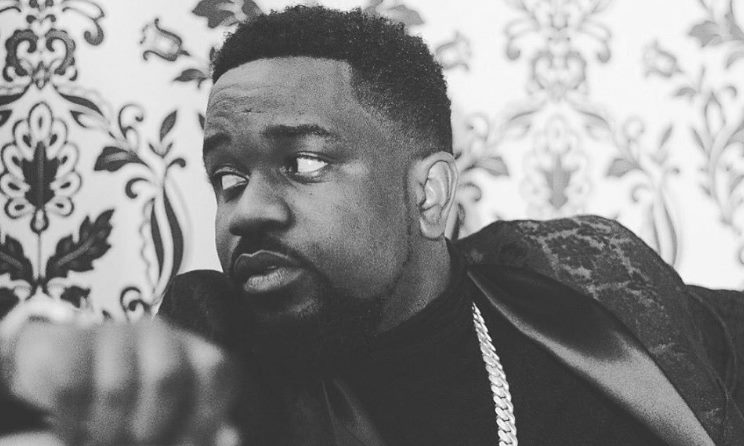
Seamlessly, he moves from rap, to pop, and back: the dance-ready 'Painkiller' with Runtown, and the hard-hitting 'Light It Up' with Jayso and Big Narstie.
The SarkCess man’s adaptability to rhythm, coupled with the fact that he ranks among the most decorated performers from these parts, has made him a constant presence in debates pertaining to true greats of his generation. In a terrain dominated by Nigeria, and South Africa to an extent, the rapper (born Michael Owusu Addo) has on numerous occasions, defiantly and single-handedly, kept Ghana’s flag high, and made an important case for art from the West African nation.
Over five albums and with smooth charm, Sarkodie has cemented his place as Ghana’s most influential rapper in this new millennium, but does this reputation extend to the rest of the continent?
In other words, is Sark the greatest African rapper now working?
While there may not be a straightforward answer to this question (because of the likes of MI, Nasty C, Cassper Nyovest, Olamide, AKA, Kaligraph Jones and others), it is hardly erroneous to include Sarkodie in any “Top 5” list worthy of the name.
Choosing to rap in his native Twi (periodically augmenting it with English and/or Pidgin), Sarkodie has constantly fashioned memorable auditory experiences employing a brisk, engaging flow. When he first began, it was feared, despite numerous precedents, and the overall perception of music as a “universal language”, that Twi would prove a disadvantage for him. But staunch support from the diaspora, and the world’s inquisitive palette toward African pop (via Ghanaian sub-genre Azonto, which Sarkodie pioneered), ensured that he became a bona fide superstar.
Really, no other rapper has affected modern African rhythm quite like Sarkodie has—Wizkid, Tekno, Mr Eazi, and Davido’s contributions have arrived through singing; Juls, Masterkraft, and Legendury Beatz achieved it playing beats. This is a key component that sets the ‘U Go Kill Me’ man apart from his contemporaries.
In his polemic 2017 offering, ‘You Rappers Should Fix Up Your Lives’, MI Abaga courted flak for suggesting that African hip-hop was now being headed by South Africa. Music debates around here tend to be very political, and assertions like MI’s quickly festered rivalry like you would find among siblings, and so, whether it is deeply-founded in fact or not, it is not something everybody would readily accept.
Not long after filling up the FNB stadium in a historic hip-hop concert, South African colleague and fellow contender for the accolade of “greatest African rapper today” Cassper Nyovest made observations that corroborate the MI’s argument on ‘You Rappers Should Fix Up Your Lives’. Within those statements which ultimately saw him discuss the state of hip-hop on the continent, he also acknowledged Sarkodie’s excellence.
“South African Hip-hop is in the forefront of African hip-hop in general,” said Cassper. “It might not be as popular as it is in South Africa in Nigeria. But I know for a fact that rappers from Nigeria are kinda unknown in SA, he told Pulse in an interview. “If we talk about crossing over, I know that a lot of people in Nigeria know about my music. I know that in Kenya and Ghana, it’s the same thing.
“I'm not just talking about me; I’m talking about a movement. Sarkodie is big in Ghana, but are there other rappers who are as big as Sarkodie from Ghana? The South African hip-hop movement is big across, also in London, New York…we are out there performing in different countries”.
Now, when an act who has drawn crowds of nearly 70 000 in a hip-hop show makes such a pronouncement, it must be taken seriously. And his point is valid to a point. As a collective, South African acts generally do hold the fort today, followed by Nigeria.
Cassper’s also right when he suggests that Sarkodie lead’s Ghanaian hip-hop by a decent stretch. With over 60 local and international awards in his cabinet, the Tema native also stands as among Africa’s most decorated hip-hop performers. Indeed, in an October 2017 tweet reacting to Sarkodie’s list of laurels (consisting honours from the Vodafone Ghana Music Awards, BET Awards, MOBO Awards, EMYs, MAMAs, AFRIMMAs among others), Cassper deemed Sarkodie’s feats “inspiring”.
Similar messages have come from English grime act Stormzy. “Legend in this ting,” he said. Despite clear dominance by South Africa and Nigeria as premium hip-hop nations, Sarkodie’s efforts have raised Ghana as an impressive third force.
For the school that holds that Sark is the greatest African to do it, the judgment is rooted in something more than mere fanatic exuberance. In Ghana, the distance he gives other hip-hop acts is so glaring, it makes little sense to contest it. Most rap acts in this town pale against his brand in terms of the vastness of his catalogue, his consistency and his overall craft. These have culminated in his default nomination for the coveted Artist of the Year category at the Ghana Music Awards for the greater part of a decade.
An impartial comparison of Sarkodie and say, Olamide, would prove that the Ghanaian rapper has made greater inroads with an indigenous language. Rendezvous, MI Abaga’s latest project, could be the most influential hip-hop work published by a Nigerian this year. But really, that’s it. Much of the glory MI Abaga enjoys currently is as a result of previous work. And so truthfully, Sarkodie occupies today, the level that MI used to be at.
Of course, that is not to take anything away from Mr. Abaga’s place as an African legend. Cassper’s milestones are as a result of South Africa's efficient infrastructure, still, he’s not as popular, frankly. There’s no question about Khaligraph’s mettle as lyricist, only, he's too obscure.
This very moment, Sarkodie does stand tall among his peers on the continent. It may not be by such a stretch as compared to his distance from his Ghanaian colleagues, but he is indeed the highest, as his latest album claims. His quality, consistency, awards and material rewards attest to his greatness. Posterity will too.


Most popular

Top amapiano songs of 2026
16 Feb 2026

Top Afrobeats songs of 2026
19 Mar 2026
Open call: 2026 Gender@Work music industry training in Johannesburg
09 Oct 2026

Top Naija songs of 2026
31 Mar 2026
Gambia: Suntou Susso announce UK tour for ‘The Path of a Griot’
09 Oct 2026
R&B collective Both Worlds targets SA market
16 Oct 2026
Disclaimer: Music In Africa provides a platform for musicians and contributors to embed music and videos solely for promotional purposes. If any track or video embedded on this platform violates any copyrights please inform us immediately and we will take it down. Please read our Terms of Use for more.

Subscribe to our monthly Newsletter
Follow us on social media


Please log in to post a comment.