







































NEFCISA
NEFCISA

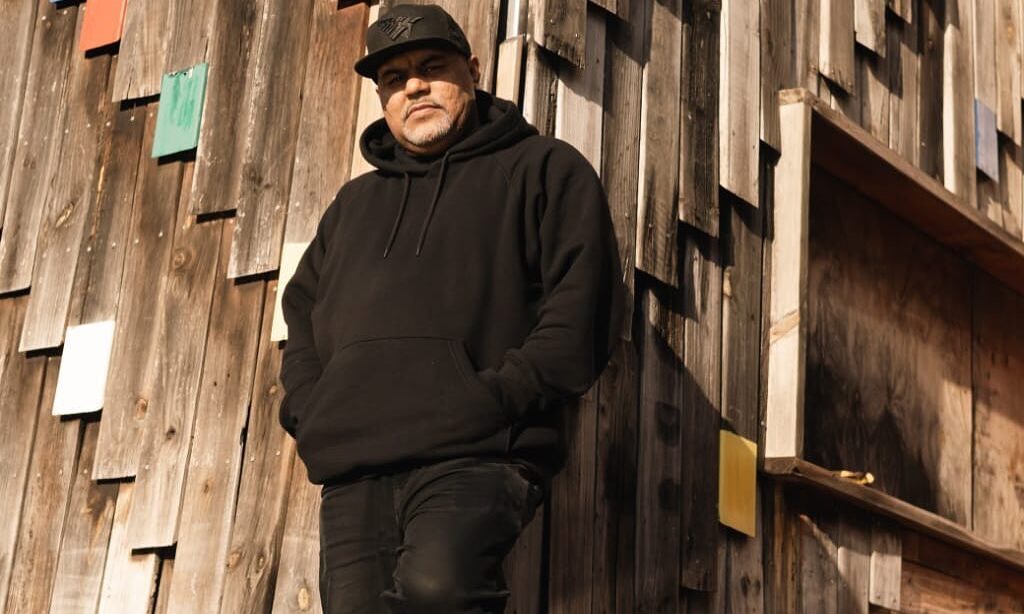
The Music In Africa Foundation (MIAF) is proud of its partnership with the Industrial Development Corporation (IDC) as a Strategic Implementing Partner (SIP) for its Social Employment Fund (SEF). Through this collaboration, MIAF is running a national programme that is creating jobs, addressing skills gaps, and strengthening South Africa's creative industries — in line with the SEF's overarching goal to generate work for the common good and build community value through employment, social contribution, and inclusive economic participation. Operating under the banner NEFCISA (National Employment Facility for Creative Industries in South Africa), the initiative is recruiting and training participants, matching them with host organisations, and has already placed 1 500 workers across the country — surpassing its original target of 1 000. NEFCISA is delivered through a network of 20 host organisations spanning five provinces, who are actively hosting participants and contributing to work for the common good across South Africa's creative and cultural industries. Key Objectives: Support employment and entrepreneurship in the creative industries. Offer skills development and training programmes. Foster partnerships between public and private creative sectors. Promote South African creativity at both provincial and national levels Foster community development through social contribution.

ACCES
ACCES

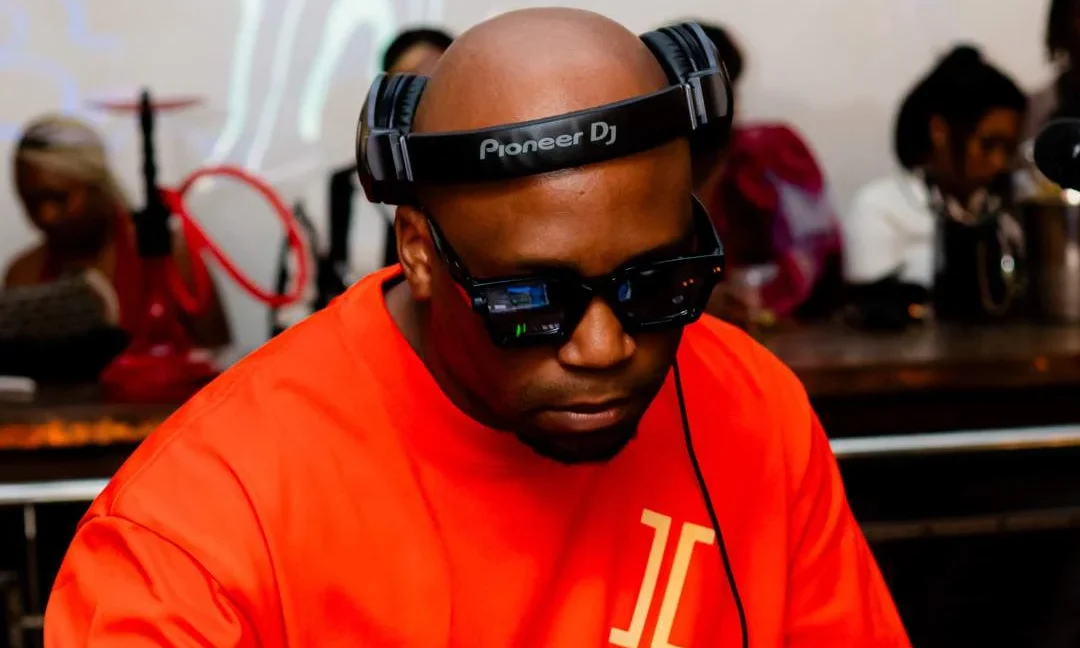
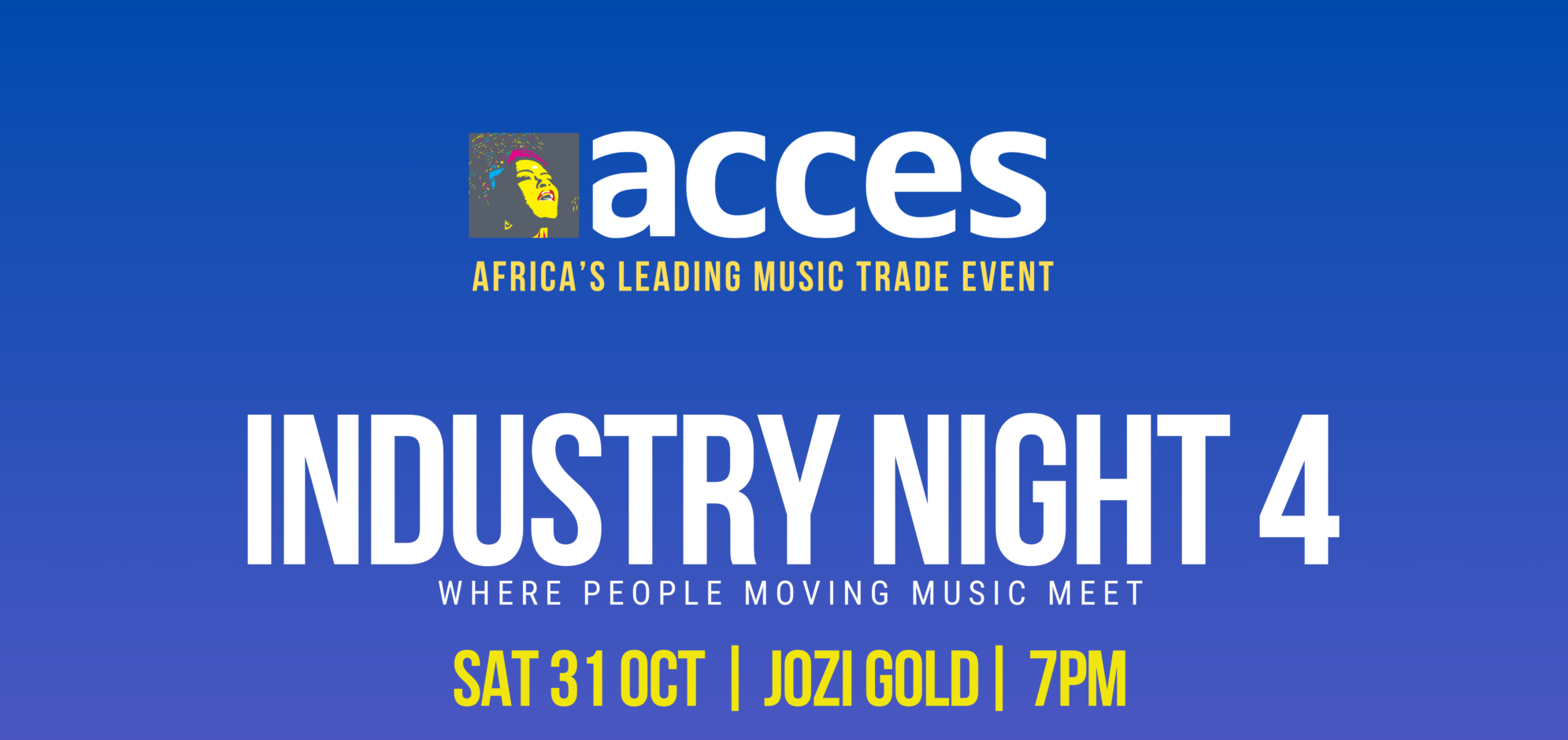
ACCES Conference and Showcase Festival is Africa's leading music industry gathering, bringing together the people shaping the future of the continent's music business. Artists, entrepreneurs, executives, investors, policymakers and cultural leaders from across Africa and around the world come to ACCES to build partnerships, exchange ideas, discover talent and create new business opportunities. Since its launch in 2017, ACCES has become the continent's premier platform for professional exchange and music market development. Combining a high-level conference with a curated showcase festival, networking, exhibitions and industry programmes, ACCES offers a unique space where creativity meets business and where African music connects with the global industry.

Gender@Work
Gender@Work

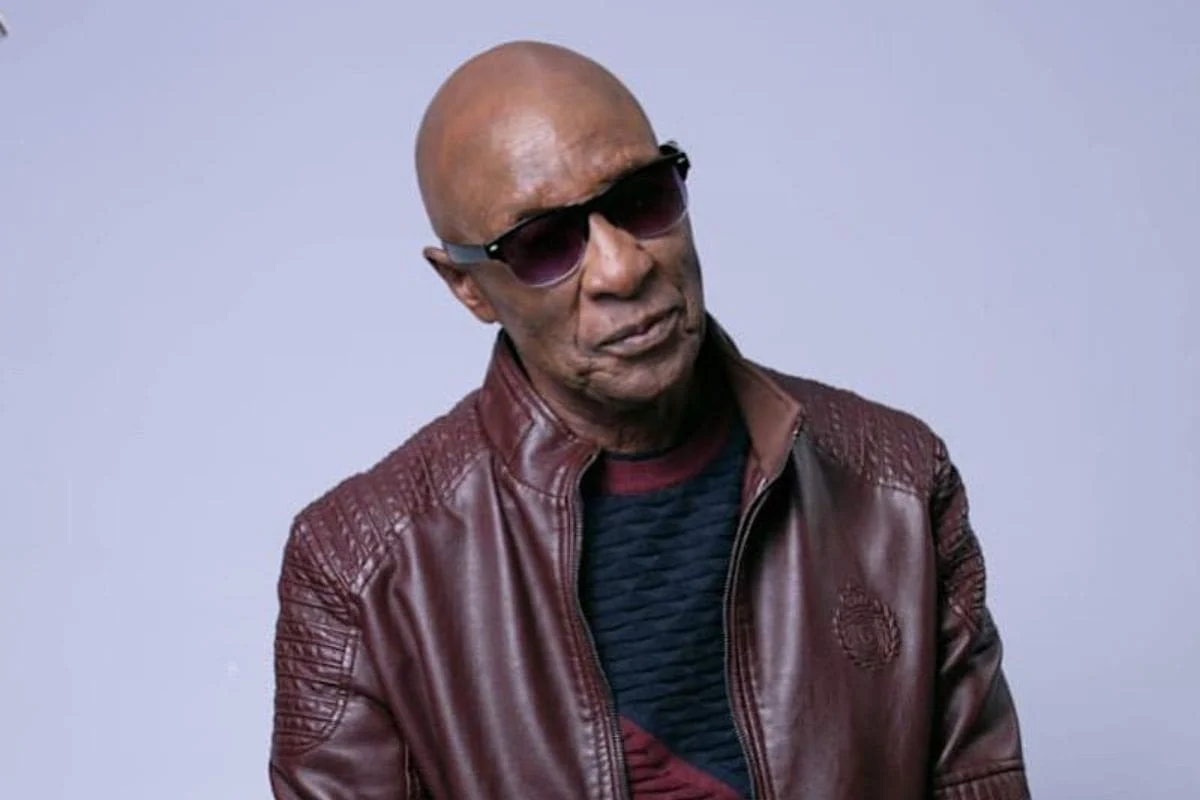
Music In Africa Gender @ Work is a three-year training programme aimed at upskilling and increasing the participation of female professionals in the African music sector. Launched by the Music In Africa Foundation (MIAF) in April 2019, the programme is connected to the MIAF’s ACCES music conference – a pan-African event held in a different African country every year. This connection enables the programme to reach new participants in a different African country every year. The programme marks the beginning of a more concerted effort by the Foundation to support the participation and inclusion of women in all facets of its programmes and the music sector in Africa as a whole. Over the three years, the programme will aim to address gender imbalances in the sector through training, lobbying, facilitating knowledge exchange and dialogues that foster the interest of women. The broader objectives of the programme are to: Provide industry training for women on critical music industry skills, focusing on: Stage management Electronic music production and recording Music business management Technical knowledge Provide an opportunity for both professional and aspiring women to benefit from the Music In Africa network and its broad range of activities in 2019, 2020 and 2021. Provide a solution-based platform in the form of a round table at ACCES with a view to identify challenges, discuss opportunities and lobby for the interests of female practitioners. Offer participants the opportunity to benefit from programmes offered by MIAF’s partners. Increase access to educational materials. Integrate participants in the broader ACCES programme to maximise experience and exposure to the industry. Record and present training materials on the www.musicinafrica.net, including but not limited to tutorials, templates and other best-practice materials. Communicate women-based themes that support the initiatives and messages of the programme. MAIN TRAINING ACTIVITIES Training in first country (Ghana): In the first year, participants will be trained on all aspects of stage management by a team of experienced stage managers from 10 to 17 November 2019. The programme will offer robust classroom training as well as practical, hands-on training in which participants will also be given the opportunity to manage various aspects of the ACCES performance programme. Training in second country: The second training iteration will take place at ACCES 2020 when the programme will diversify its course to include music production lessons and training on other music business topics. A round-table platform will also be introduced to coincide with the ACCES programme. Training in third country: The third training iteration will take place at ACCES 2021 in a different country, offering an advanced course. HOW DO YOU GET INVOLVED?  As a participant, facilitator or trainer: The programme enrolls up to 12 trainees every year. All opportunities are advertised publicly on this website, and will be added to this page. Please keep checking this page for new calls (below under UPDATES & CURRENT OPPORTUNITIES). As a partner Please contact Claire Metais at [email protected]. APPLY The call for applications for 2020 will be announced soon. The Music In Africa Gender @ Work programme is made possible with the support of the Prince Claus Fund, Siemens Stiftung and Goethe-Institut.

Sound Connects Fund
Sound Connects Fund

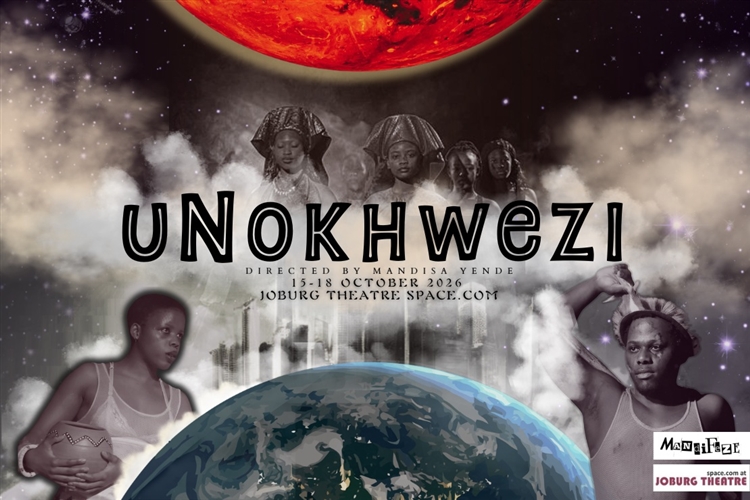
For cultural and creative practitioners and organisations operating in southern Africa, access to funding remains a major challenge. The COVID-19 pandemic has also had a massive impact on government policy, spending and the economy in general, and has seen spending on culture being moved further down the list of priorities. Further, the cultural and creative industries repeatedly cite four main areas where investment is needed for growth, which are increased visibility, mobility including access to new markets, finance and support structures.

Instrument Building And Repair Project

Experience the Vibrations African Instruments Exhibition online in 3D

banner image

Afrobeat, afrobeats : un « s » qui change tout

Home/Non classé/Afrobeat, afrobeats : un « s » qui change tout

Contexte d’émergence de l’afrobeat 

Pour parler d’afrobeat, il faut nécessairement faire un tour dans le Nigeria des années 70, à la rencontre d’une figure emblématique : Fela Kuti !

Alors que le pays sort de la guerre sanglante du Biafra (1967 – 1970) et que son économie connaît un boom avec l’exploitation du pétrole, le régime autoritaire alors aux commandes, met en place un système de corruption avantageant les puissantes multinationales au détriment d’un peuple abandonné à son triste sort.

Le Black President (surnom que l’on attribuait à Fela) décide de se lever contre cette injustice. À la place des machettes et mitraillettes utilisées peu avant par les insurgés du Biafra, il choisit le saxophone et la batterie comme symboles de son engagement.

Aidé par des musiciens talentueux dont le batteur nigérian Tony Allen, récemment disparu, Fela créa un alliage de funk, de jazz et de rythmes traditionnels yoruba, qu’il mit au cœur de son combat. Ce style musical à l’ADN militant fut alors baptisé afrobeat !

Le style est très peu pratiqué aujourd’hui, si ce n’est par Femi Kuti, fils de Fela, qui préserve l’héritage.

[video:https://www.youtube.com/watch?v=Z7OB9W0cAzs width:850 height:480 autoplay:0]

Qu’est-ce que l’afrobeats ?

Quand le nom « afrobeat » est employé sous sa forme plurielle, soit « afrobeats », il renvoie à une tout autre tendance.

En effet l’afrobeats qui a également émergé au Nigeria au début des années 2000, correspond à une musique pop contemporaine qui s’est construite en s’appuyant sur des rythmes locaux ouest-africains comme le hiplife, la musique Jùjú ou encore le highlife. La forme plurielle indique qu’il y a une grande diversité d’afrobeats, selon le pays où l’on se trouve et les différentes influences.

L’afrobeats n’est  pas spécialement engagé ; il traite le plus souvent d’amour, avec des clips à l’eau de rose.

Difficile d’attribuer la paternité de ce style à un seul artiste comme ce serait le cas pour l’afrobeat et Fela Kuti. Mais beaucoup disent que le premier à avoir employé le terme est le DJ londonien Abrantee.

L’afrobeats a été propulsé au top des charts mondiaux par des artistes comme P-Square et 2Face Idibia.

[video:https://www.youtube.com/watch?v=WjIbIjgn1fo width:850 height:480 autoplay:0]

Différence au niveau de l’instrumentation

Comme beaucoup d’autres styles des années 70, l’afrobeat de Fela Kuti repose sur une instrumentation complexe avec du cuivre et des percussions africaines. C’est une musique essentiellement acoustique, conçue en soi pour être jouée par un orchestre.

L’afrobeats est quant à lui produit le plus souvent par un beatmaker, à la façon des morceaux hip hop modernes. Il est élaboré grâce à des outils électroniques, notamment des séquenceurs, des claviers maîtres et sampleurs live, pour obtenir des sons quasi parfaits, qu’il n’est pas toujours évident de reproduire en live.

Toutefois, que l’on soit dans de l’afrobeat ou l’afrobeats, on a toujours une une musique rythmée à 4 temps, qui devrait plaire à ceux qui aiment les sonorités du continent.

Quelques variantes de l’afrobeats

On a dit plus haut que l’afrobeats prend une forme plurielle à cause de la multiplicité de ses influences. Quand on est au Sénégal par exemple, on peut découvrir une variante intéressante de ce style qui s’appelle le jolofbeats. Il est pratiqué par des artistes comme le couple Maabo ou encore le talentueux Bril, qui proposent une musique pop embellie par les vibrations du mbalakh, un rythme local.

Plus loin au centre de l’Afrique, plus précisément au Congo, le prodigieux Innoss’B fait un carton avec son afro-congo, qui est une musique originale qui allie la pop à des airs de ndombolo, une musique locale ; illustration avec le vibant « Yo P ».

[video:https://www.youtube.com/watch?v=uJpjHW07mwE width:850 height:480 autoplay:0]

newsletter banner

Subscribe to our monthly Newsletter

Follow us on social media