

























Djibouti : une industrie musicale qui cherche encore ses marques

10 Août 2020 - 17:56


Longtemps cantonnée aux fêtes privées, la musique djiboutienne tente de s’organiser régionalement et internationalement, mais cherche encore ses marques.
Fêtes privées et clubs musicaux
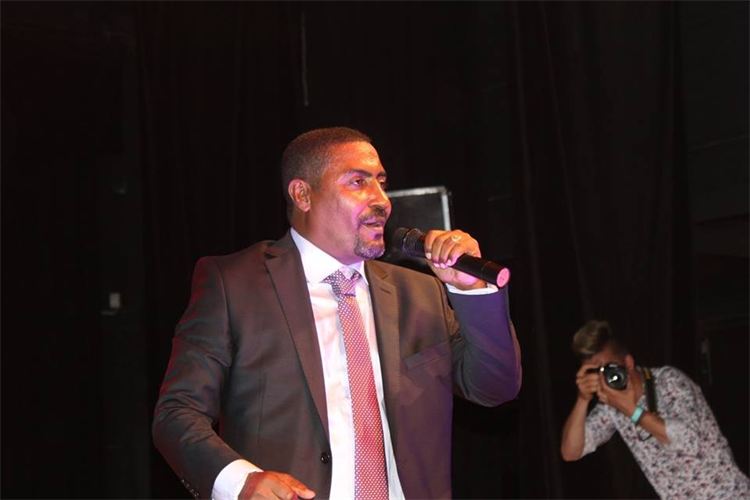
Traditionnellement et de manière encore vivace, la musique s’organise à Djibouti à travers les fêtes privées, mariages et baptêmes, sans oublier l’incontournable fête de l’indépendance. Pour se faire connaître, les artistes chantent à la radio comme Ahmed Al Gohari, le premier artiste à chanter à la SORAFOM (Radio France d’Outre mer) en 1955.
Dans les années 1960, des artistes tentent de structurer une scène contemporaine en créant des clubs musicaux sur le modèle des clubs éthiopiens. Ainsi, Laqdé fonde en 1962 le club Date Mao et Ahmed Al Gohari le Club Mer Rouge en 1964. Tous deux programment alors dans ses nouvelles structures de la capitale des artistes comme Dimis Doulla, Mohamed Gabasse (Hasoba), Abdo Koré (Missixing) Hassan Dalga (Adagali) Mohamed Moussa, Youssouf Abdillahi, Helem Ahmed Mohamed Eebo et Haroun Daoud, auteur de l’hymne national.
Mohamed Ali Talha fonde lui aussi un club où se produit en 1963 son fils, le compositeur Hamadou Dabaleh lorsqu’il chante à l’âge de 15 ans « Bukku’t’ayro », une chanson d’amour qui deviendra un classique de la musique nationale. Certains artistes organisent quant à eux des concerts privés. En 2019, l’auteur compositeur Houmed Gaba Awal a ainsi donné un concert à domicile qui a réuni 80 personnes.
L’Association Adagio et le Théâtre des Salines
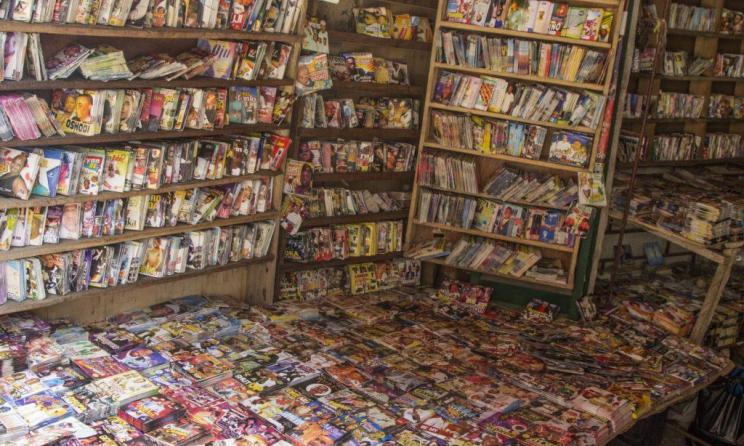
La production musicale est apparue dans les années 1980/1990, sous forme de cassettes. La plupart des artistes composent alors les chansons à partir de boîtes à rythme et les enregistrent en live avec des magnétophones.
Il faut attendre 1997, soit trois ans après la fin de la guerre civile qui a ravagé le pays pour voir les artistes s’organiser de manière professionnelle avec la naissance de structures de promotion et d’enregistrement comme l’Association Adagio. L’idée alors est de collecter, produire et diffuser les musiques, traditionnelles ou modernes de la Corne de l’Afrique. Le Centre culturel français de Djibouti soutient cette initiative et programme de temps à autre dans son auditorium des artistes comme le groupe Dinkara en 1996 et Aïdarous en 2019. « Mais les horaires de concert ne correspondent pas aux habitudes du public Djiboutien, précise Père Robert, et l’Institut Français a tendance à programmer des artistes venus d’ailleurs.
« Dans les années 2000, il y avait au centre culturel français de Djibouti, un passionné de musique, Jean-Michel Roux, se souvient du producteur Dilleyta Tourab, un des acteurs majeurs de la production musicale, il mettait à disposition un studio de répétition une fois par semaine. J’ai pu enregistrer un super album, Tagra (le seau en djiboutien) avec des artistes d‘Ethiopie, d‘Allemagne, d’Afrique de l’ouest et du Somaliland, le groupe Blues Nomade ».
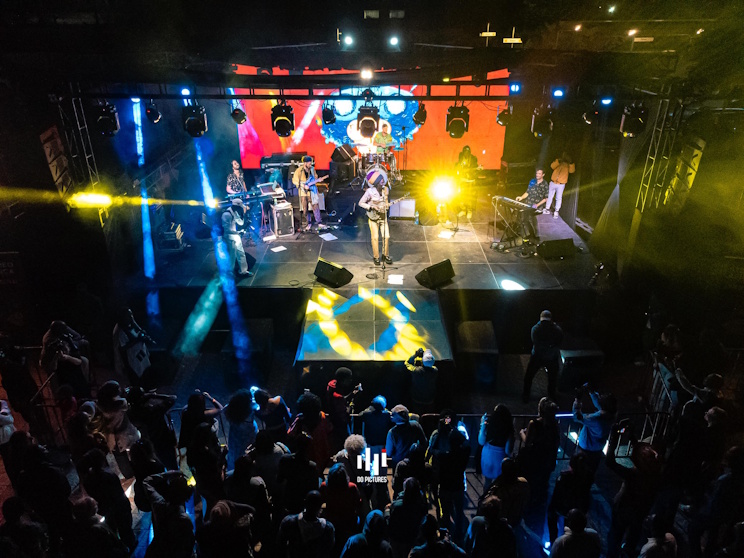
Sur la scène nationale, le lieu le plus actif jusqu’à ce jour est le Théâtre des Salines. Créée et financée par l’Etat, présidée dans les années 1990 par l’artiste Mohamed Moyalé et aujourd’hui dirigée par l’artiste Saïd Ali Houmed dit Saïd Helaf, cette structure accueille alors les initiatives de l’association Adagio.
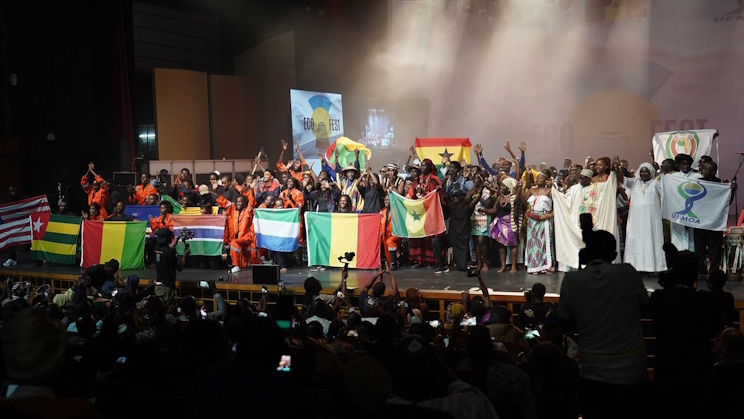
En 2010, l’Etat a mis en place un petit fonds de développement qui a permis d’équiper les artistes en matériel et instruments de musique et en 2019, il a soutenu la troupe « Djib Arho Acoustique » présente au festival Afrique Créative de Tunisie. Le groupe comprenant de grandes figures de la scène nationale comme Mohamed Ali Houmed, Mouhsein Ali Ahmed dit Nahari, Youssouf Houmed Youssouf, Amin Daoud Adou, Anwar Idriss Mohamed, Goumati Ali Mohamed, Abdoulhakim Charaf, Fatouma Haroun Helen et Abayazid Ali, leader de Nomad Blues a pu tourner à cette occasion dans plusieurs villes tunisiennes.
Soutiens officiels et initiatives de la diaspora
Pourtant, les occasions sont rares de tourner à l’international pour les artistes djiboutiens. La plupart des artistes installés au pays se produisent dans le cadre officiel et à l’international le font avec un soutien du gouvernement djiboutien comme la troupe du 4 mars qui a été programmée au MASA (Marché des Arts et du Spectacles) à Abidjan.
Beaucoup d’artistes djiboutiens sont des fonctionnaires de la radio télévision ou travaillent au Palais du Peuple. Les aides sont ponctuelles et jugées trop ciblées par certains artistes. Beaucoup d’artistes sont en fait installés à l’étranger comme Père Robert, Abayaziz, Haroun Doud basés en Belgique, Ahmed Zaki Mahamoud résidant en Suisse, Kalthoum Bacado, Xanateye et Hassan Fourshed installés à Londres sans oublier Abdi Ndour, Nima Djama, Caawale Adan et Deka Ahmed résidant au Canada.
Ces artistes ont pu développer leur carrière grâce aux associations de leurs communautés comme DjibProd à Paris qui monte régulièrement des évènements et a notamment réuni au palais des Congrès de Montreuil en 2013 trois artistes majeurs, Abdifatah Yare, Xananteye et Père Robert.
« Je les ai fait venir de Londres et de Bruxelles à mes frais. La communauté Djiboutienne est petite, entre 3 et 4 000 personnes à Paris et nous essayons de déplacer les gens de province et parfois de l’étranger pour ce genre de manifestation. Ce n’est pas très rentable », avoue Keyre, le directeur de DjibProd. Certains artistes comme Père Robert ont monté leur propre structure dans leur pays d’accueil. « J’ai créé Sidihamo à Bruxelles pour monter des projets à caractère social et les concerts appuient des actions de solidarité, soutien à la construction d’un dispensaire, lutte contre l’excision, conférence », explique ce dernier.
Dilleyta Tourab, un acteur incontournable de la scène nationale
Depuis les années 2000, des professionnels ont décidé de structurer le secteur comme Dilleyta Tourab, acteur majeur de l’industrie musicale. « Dans les années 1980, j’étais lycéen à Poitiers et j’ai organisé les premières soirées Djiboutiennes de France (Toulouse, Bordeaux, Tarbes, Paris) sous le nom de « Dooma night club » puis quand j’ai terminé mon master en commerce et finances à Ottawa, j’ai fondé en 2001 Arhobata, une structure de production au Canada. Je masterisais et ré-arrangeais les cassettes enregistrées au pays, pour donner un son plus international et j’ai produit un certain nombre d’artistes. J’ai pu ainsi sortir à cette période 5 albums, des œuvres d’Abdallah Leh, un artiste qui joue du qaâci, une forme de soul aux accents somaliens et des albums de Dinkara. J’ai également ouvert un restaurant, salle de spectacles à Ottawa, Arta Entertainment, où j’ai pu programmer des artistes comme Dinkara, Abdi Nour Allaleh, une légende de la musique djiboutienne ».
En 2004, ce passionné décide de rentrer au pays où il tente de professionnaliser tant la production que la distribution et la diffusion internationale. « Nous nous efforçons en premier lieu de diffuser la musique djiboutienne dans les bars de la capitale comme l’Ambassadeur qui passe aujourd’hui 50 % de musique Djiboutienne, le Casanova (70 %) et le Ménélik (25 %), ce qui permet à une clientèle nationale et internationale (européenne, chinoise) de s’intéresser à notre musique. Ensuite, le second objectif est de favoriser la distribution car depuis les années 2000, les artistes s’autoproduisent grâce aux home studios, ils enregistrent leurs titres sur ordinateur, les mettent sur des clés, font des clips qui sont diffusés à la télévision ou sur le net (réseaux sociaux, web TV comme Assjog studio live et Afar Vision TV en Belgique). Un concours, Djibouti Jeunes Talents existe depuis 2014 à la RTD (Radio Télévision Djiboutienne) qui rencontre un grand succès. Mais tout cela ne rapporte rien, permet juste de se faire connaître. J’essaye de mettre en place un réseau de distribution de 4 à 5 magasins ici, au Somaliland et en Ethiopie dans la région afar à Samra, avec un partenaire éthiopien, Hassan Gangaytu , président de l’association des artistes afars. Nous avons une centaine de disques afar à distribuer et nous cherchons actuellement un financement pour monter un réseau de distribution, car nous retrouvons les titres piratés localement. Djibouti a mis en place une société de droits d’auteur depuis 2015, l’Office Djiboutien du droit d’auteur qui regroupe 475 membres, mais ce dernier n’a aucune action réelle de protection pour le moment. Les artistes qui créent, tradition oblige à Djibouti, 5 nouvelles chansons à chaque mariage, ne voient pas leurs droits protégés ».
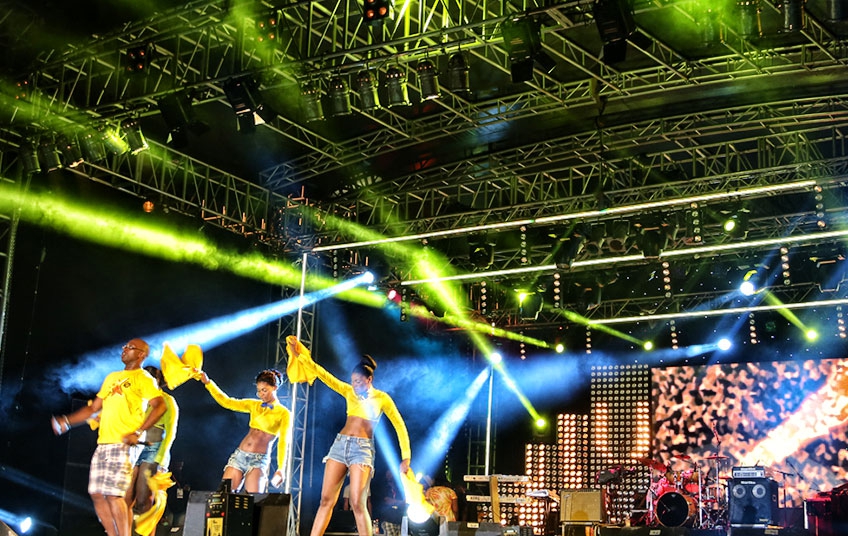
Depuis son retour au pays, Dilleyta Tourab s’est également instauré l'organisateur de spectacle et tourneur à travers sa société Dil Tourab Entertainment (DTE), et a pu ainsi amener des artistes en Chine (à l’exposition de Shanghai en 2010) et aux Francofolies à Diredawa en Ethiopie en 2007. Il a surtout décidé de s’attaquer à la sous-région en montant l’Arho Tour, une caravane d’artistes qui existe depuis 2018, tourne pendant une semaine à Djibouti et en Ethiopie et compte des artistes comme Aidarous et la star montante du RnB djiboutien Saad Koolio. « En 2020, nous projetons de mener notre caravane au Somaliland », rêve ce passionné. Nul doute qu’il aille au bout de son projet et entraîne avec lui les créateurs de tout un pays.
Ressources :
[1] https://www.afrisson.com/Djibouti-1597.html https://www.jeuneafrique.com/165342/societe/jeunes-talents-l-mission-de-t-l-r-alit-qui-a-passionn-djibouti/
[2] https://www.facebook.com/djibparisprod
[3] https://en.unesco.org/creativity/policy-monitoring-platform/office-djiboutien-des-droits
[4] https://www.lorientlejour.com/article/356248/%253C%253C_Fest%2527Horn_%253E%253E_a_Djibouti.html
[5] https://www.lanation.dj/djib-arho-accoustique-ou-la-diversite-culturelle-de-djibouti-au-festival-afrique-creative-de-tunisie/
Avertissement/Clause de non-responsabilité
Les aperçus de Music In Africa fournissent des informations générales sur les scènes de musique dans les pays africains. Music In Africa comprend que l'information contenue dans certains de ces textes pourrait devenir dépassée avec le temps. Si vous souhaitez fournir des informations plus récentes ou des corrections à l'un de nos textes, veuillez nous contacter sur [email protected].
Édité par Walter Badibanga


Most popular
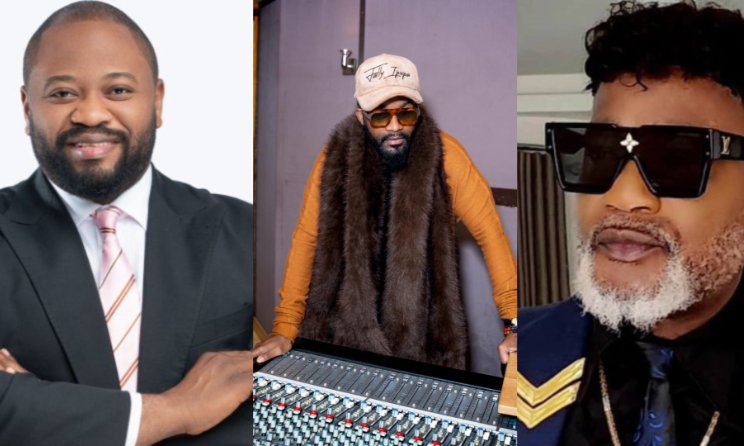
Top 10 des artistes congolais les plus streamés en France en 2026
05 Mai 2026
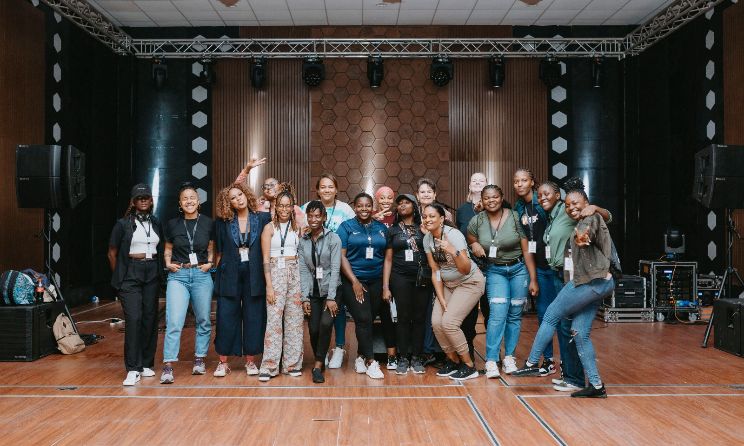
Appel à candidatures : formation Gender@Work 2026 aux métiers de l’industrie musicale à Johannesburg
06 Oct 2026
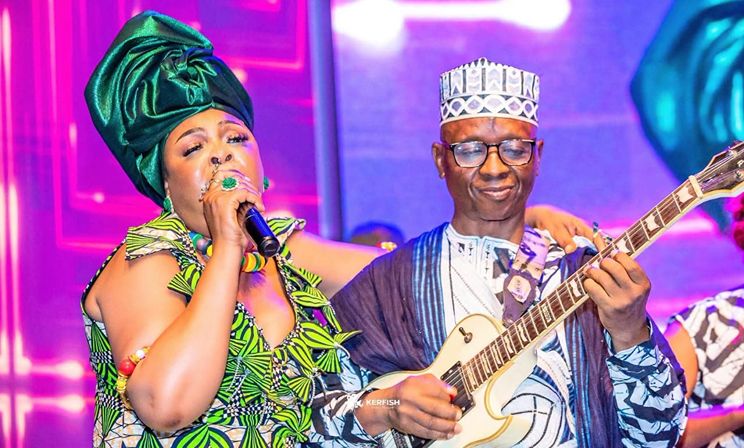
Sayon Camara, une voix mandingue entre héritage et nouveau départ
02 Oct 2026
À Tunis, Jaou fait dialoguer les nouvelles scènes musicales du monde arabe et au-delà
02 Oct 2026
Appel ouvert : Artistes internationaux pour le CUEW Showcase & Conference 2027 au Japon
18 Sep 2026
Appel à candidatures : programme de résidence Camargo Fellowship 2027-2028 en France
17 Sep 2026
Disclaimer: Music In Africa provides a platform for musicians and contributors to embed music and videos solely for promotional purposes. If any track or video embedded on this platform violates any copyrights please inform us immediately and we will take it down. Please read our Terms of Use for more.

Abonnez-vous à notre newsletter
Retrouvez-nous sur les réseaux sociaux


Please se connecter to post a comment.