



















































East African refugees use music to address critical issues

07 Mar 2016 - 06:07


Given that cultural activity and creative expression is key to identity formation at both an individual and community level, refugees or asylum seekers bring with them a rich fabric of cultural expression and talent that can enrich the rest of society.
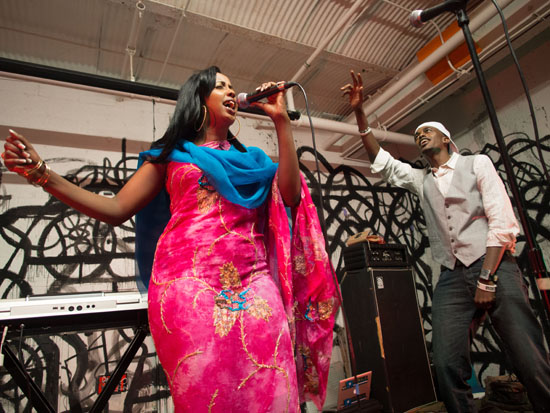
Kenya is host to a large population of refugees, some of whom fled their homelands as early as the the mid-1990s. While most struggle to make ends meet in Kenya’s refugee camps, several have decided to embrace various forms of art to tell their stories. Some have even managed to make an impact on the local and regional music scene.
Waayaha Cusub (meaning 'The New Dawn') is one successful group that has emerged out of Kenya's refugee community. After witnessing the appalling conditions in which Somali refugees lived in the Nairobi suburb of Eastleigh, the band's founders Shiine Akhyaar Ali and Falis Abdi Mohamud decided to promote rap music among the refugee youths in the estate. The 11-member band was set up in 2004 by young boys and girls living in Eastleigh. Waayaha Cusub built a loyal following among young Somali refugees in the neighborhood, as well as Kenyans, who appreciated their music and their cause.
Initially starting out with 20 members, some members of Waayaha Cusub subsequently fled to Uganda, fearing retaliation from the community as the band faced opposition from conservative members of the Somali community, who objected to the subject matter of the band's songs, such as HIV/Aids and political atrocities in Somalia, denouncing al-Shabaab and promoting reconciliation. For example, the band's song ‘Somalia’, released in 2006, rebukes the country's leadership for sacrificing the Somali people in their quest for power.
In 2013 the ensemble organized the Reconciliation Music Festival in Mogadishu, the first international music festival to be held in Somalia's capital since the start of the civil war in the early 1990s. In 2014 BBC News reported that members of Waayaha Cusub applied for asylum in the Netherlands, where they had been performing a show in Amsterdam, after Kenyan officials allegedly revoked their immigration cards. Today the band is based in the Netherlands, with the exception of Shiine, who is still in Kenya.
While Waayaha Cusub are bold and tackle tough issues of governance, up-and-coming artists in the sprawling Kakuma refugee camp in north-western Kenya are using day-to-day life experiences to create their songs. Since its formation in the early 1990s, Kakuma refugee camp has grown steadily. It now hosts more than 185 000 refugees from various nations in the region (including South Sudan, Sudan, Rwanda, Burundi, Ethiopia, Eritrea, the DRC and Uganda) and has become more like a town than a temporary camp. Among its residents are budding artists in both secular and gospel music.
Juma Gabriel - popularly known as Mr. Jay - is a citizen of the Democratic Republic of Congo who has lived at the Kakuma camp for eight years. Through the support of FilmAid International, a US-based organisation working with refugees in the camp, Mr. Jay has been able to record six songs. His latest, ‘Barua Pepe’ (meaning 'email'), released in 2015, warns young people about love brewed on the wide world web. Mr. Jay told Music In Africa about the motive for the song: “We have heard of young people who have been murdered by their lovers. It is a pity that young people go to an extent of meeting strangers online and believe them right away. My song ‘Barua Pepe’ urges young people to take more precaution when meeting new people, whether it is online or in person."
Mr. Jay has written over 25 songs, with titles such as ‘Uje Kwangu Milele’ (come to me) and ‘Kwanini Wanitesa’ (why do you mistreat me?). He strives to help young people through his music. Faced with numerous challenges, including a lack of proper recording facilities, the singer hopes that he will be able to find an avenue to promote his own work.
Acknowledging that recording remains a major challenge for most musicians in the area, Tom Aduwa, a youth protection and development officer at Kakuma, says that a small, amateur studio is run by FilmAid. The studio was established in late 2014 but still lacks the requisite facilities and personnel to do quality recordings, thus forcing artists to go elsewhere to record, either in Nairobi or other towns. Tom adds that so far only gospel artists have been lucky enough to get a chance to record in Nairobi, specifically the Tueneze Injili Choir, who recorded an album dubbed Yeye Ashindaye.
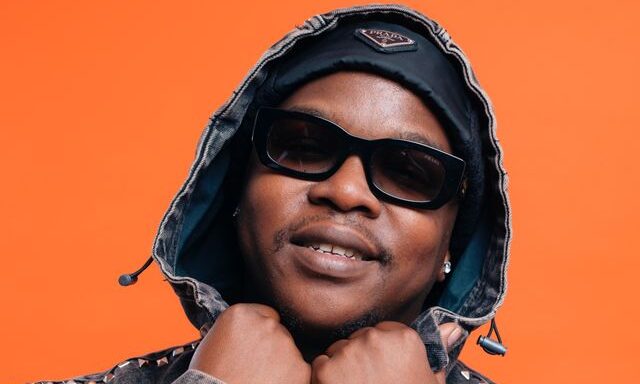
To support and motivate the musical talent in the camp, various established artists have visited Kakuma. For example, working with the United Nations High Commissioner for Refugees (UNHCR) office in Kenya, one of Kenya’s best-known hip-hop artists, Octopizzo, has since 2015 visited the camp on numerous occasions. Posting on his Facebook page earlier this year, Octopizzo promised to help develop the careers of at least five burgeoning artists who come out to work closely with refugee musicians.
Beyond these mentorship efforts, the camp also hosts Kakuma Got Talent, an annual showcase for the musicians living in the camp, with the support of the UNHCR. The competition held its second annual event in December 2015.
In 2014 musicians from the camp united as the Kakuma All Stars to release a video for 'Kakuma Rocks' in collaboration with Sudanese refugee musician Emmanuel Jal and producer Silvastone, who was born in the UK to Sierra Leonean and Ghanaian parents. The video was supported by FilmAid and released to mark World Refugee Day on 20 June.
Elsewhere in Africa, similar musical programmes have been developed at the Dzaleka Refugee Camp in Malawi, where many promising refugee musicians also reside, including Congolese artist Menes La Plume. The current refugee crisis in Europe was also a central theme during the last edition of the World Music Expo (WOMEX) in Hungary in October 2015.
Together these artists and programmes are helping to show the world that asylum seekers do not need to be a burden on society. Given the right opportunities, they can be instrumental in educating people and spreading awareness of important social issues, as well as simply bringing joy to many through their songs. Thanks to the efforts of refugee musicians like Waayaha Cusub, Mr. Jay, Tueneze Injili and Menes, it's clear that music is a powerful tool that can give hope to many in a seemingly hopeless situation.


Most popular
Gambia: Suntou Susso announce UK tour for ‘The Path of a Griot’
09 Oct 2026
Open call: 2026 Gender@Work music industry training in Johannesburg
09 Oct 2026

Top amapiano songs of 2026
16 Feb 2026

Top Afrobeats songs of 2026
19 Mar 2026

Call for applications: ACCES 2026 Emerging Artist Spotlight Competition
01 Oct 2026

Top Naija songs of 2026
31 Mar 2026
Disclaimer: Music In Africa provides a platform for musicians and contributors to embed music and videos solely for promotional purposes. If any track or video embedded on this platform violates any copyrights please inform us immediately and we will take it down. Please read our Terms of Use for more.

Subscribe to our monthly Newsletter
Follow us on social media


Please log in to post a comment.