
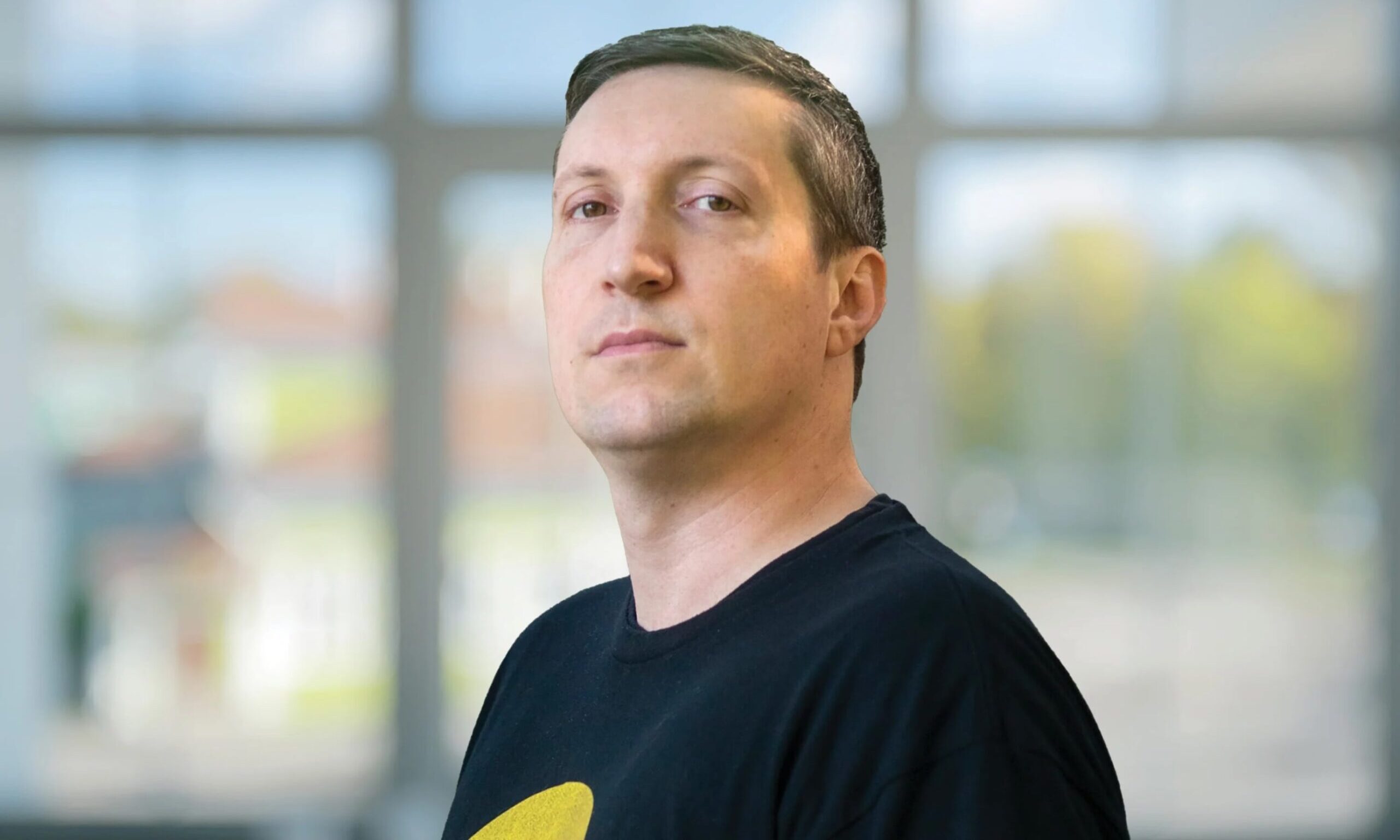




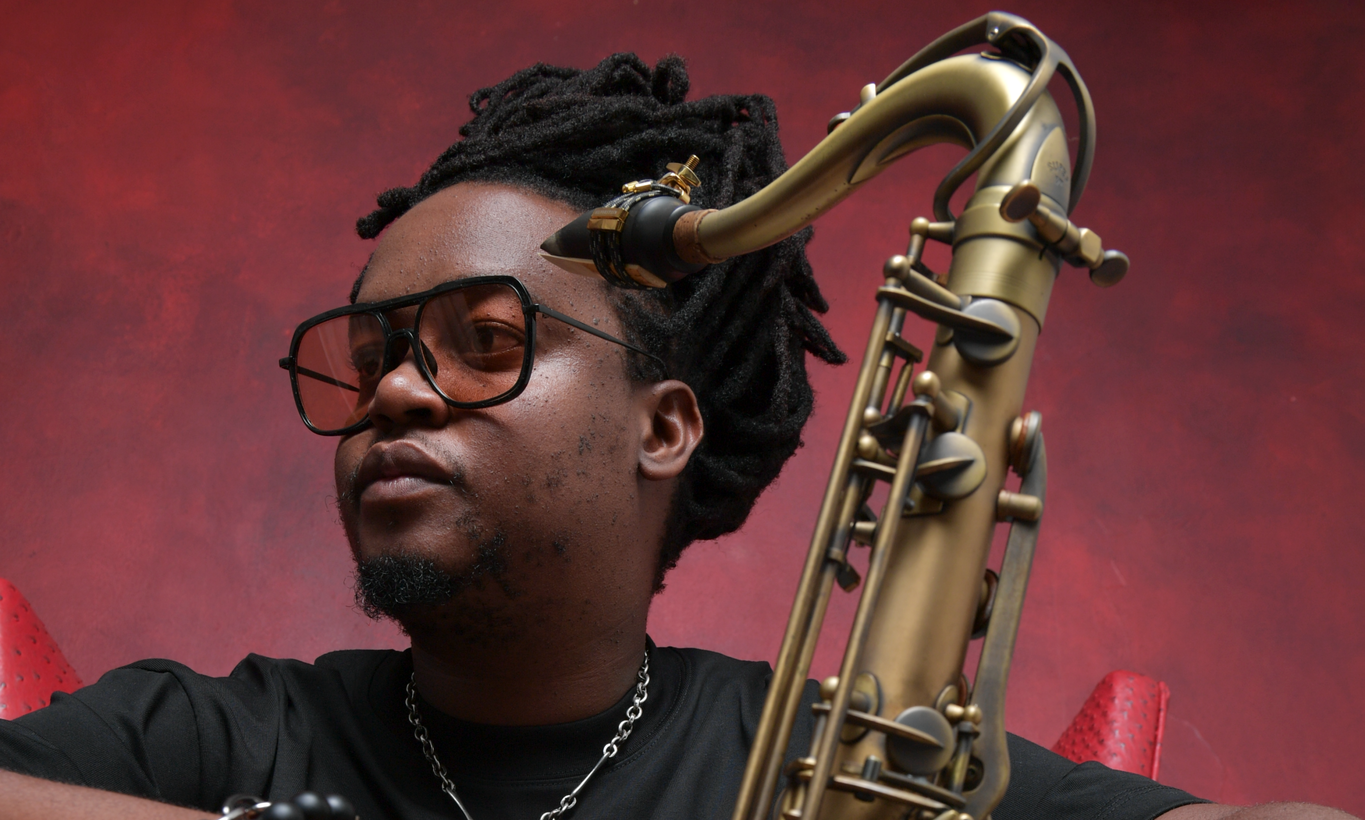
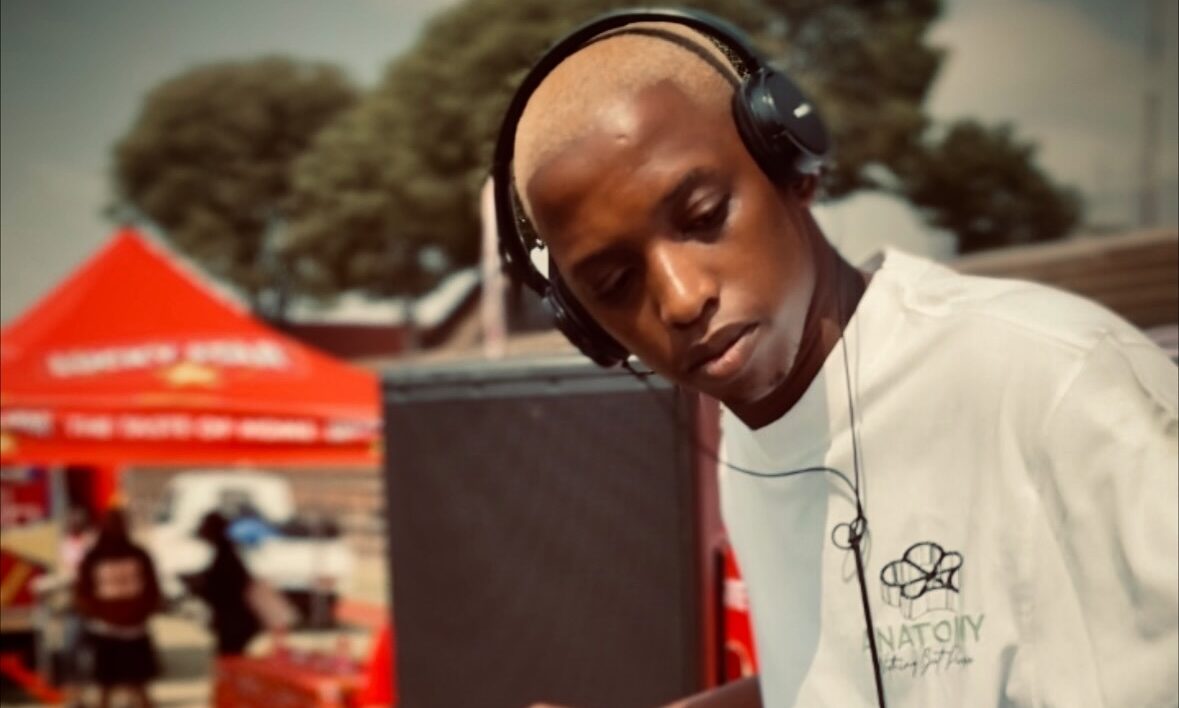

















































Soldiers of the microphone have sown the seeds of social and political transformation in various parts of Africa. In Senegal, the Y'en A Marre ('Enough is Enough') movement in the Senegalese hip hop scene helped put an end to the presidency of Abdoulaye Wade in 2012. In Mali, a group of nearly 40 Malian musicians led by Fatoumata Diawara united against Sharia law in Northern Mali in 2013. In Burkina Faso, the Sankarist musicians of Le Balai Citoyen ('The Civic Broom') movement in 2014 toppled the regime of Campaoré after 27 years in power.
In Kenya, society has been shaken by attacks by Al-Shabaab, most famously at Westgate shopping mall in September 2013 and the recent massacre at the University of Garissa. In response, on 14 April the Nairobi ‘artivism’ hub Pawa 254 organized the Garissa Memorial Concert in Uhuru Park, where a large number of Kenyan musicians participated, such as Sarabi Band, Juliani and Eric Wainaina. However, not all Kenyan musicians are in agreement. There is a broad range of opinions on the mobilization of the local music scene to address terrorism and its social and economic consequences.
“Music is a uniting force that Kenyans pay attention to”
Kenyan hip-hop artist Abbas Kubaff, who was unable to assist at the concert, welcomed the initiative. He supports the idea of music as a tool for social and political change. “Concerts like this are important because there is no greater group of people than musicians for reaching out to large numbers of people, across age groups and tribal boundaries,” he said. “Musicians are able to set an example of unity to the rest of Kenya and show that tragedies such as Garissa can be mourned in a way that does not cause further divisions within Kenya's diverse ethnic communities. When terrorist attacks occur in Kenya, there is often a wave of anti-Muslim or anti-Somali sentiment that spreads throughout the country. Musicians are able to remind Kenyans that whilst terrorism is abhorrent, it is not the Muslim or Somali community as a whole who is responsible for such evil acts. There is a deep mistrust of politicians and other leading figures within Kenya, but music is a uniting force that Kenyans pay attention to.”
Abdi Rashid, curator of the Garissa Memorial Concert, founder of Roots International and programmer of live music shows at the pub Choices, emphasizes the sensitivity of the artists who participated in the event. “There is an overwhelming understanding by artists that attacks on civilians by armed actors is a crime. Many express their shock, horror and sadness at what has befallen our fellow Kenyans - both at the memorial concert and also in private conversations and at other public forums”.
Looking back, Kenyan music has a long history of protest music. In the compilation album Retracing Kenya's Songs of Protest, Ketebul Music recently traced the history of the country through its protest music during the 50 years from independence until 2013. According to Kubaff, “There are many musicians in Kenya that sing against corruption, terrorism and violence. One of the strongest responses from artists was in the wake of the post-election violence in 2007. A group was set up called Pamoja Amani Upendo (PAU), which translates as Togetherness Peace Love. PAU is a community-based organization which utilizes music, musicians and dance to promote peace and unity within Kenya, and regularly puts on concerts and shows to spread this message to the people.”
“Artists have no united voice to create a strong movement”
However, while acknowledging the unifying force of events like the Garissa memorial, some in the industry remain sceptical. Tabu Osusa, veteran producer and head of Ketebul Music, who has worked with some of the participating musicians in the past but was not directly involved in the event, had this to say: “As much as I appreciate that the bereaved families deserve all the emotional support they can get, I don't believe in using other people's misfortune to gain mileage. Musicians need to write songs that address the root cause of these issues and offer solutions to them.”
Kubaff explains that mainstream artists seldom address political or social issues; instead it tends to be hip-hop musicians. “Many Kenyan hip-hop artists come from low-income areas of Nairobi, where they have been most affected by the corruption and poor governance that has slowed development in Kenya. For this reason many hip-hop artists feel a responsibility to use music to secure a better future and open people's eyes to the reality of everyday life in Kenya. Some of the more mainstream artists would be afraid to speak out in such a way against corruption or the government, for fears of repercussions or that prominent people could begin to interfere in their careers. In general hip-hop artists are not afraid to speak out and would rather suffer the consequences of their actions if they are speaking out for the right reasons,” he said.
Similarly, Makadem believes that most Kenyan musicians don't speak clearly enough about corruption or violence, and therefore about how the government is combatting Al-Shabaab. “Kenyans hate vocal musicians like me,” he says. “They think a musician should just entertain people, not voice issues. I have been victimized. I rarely get corporate gigs because of my stance.”
Osusa, whose company Ketebul has produced Makadem’s albums in the past, agrees that most Kenyan artists are afraid to address political issues in their music. “Unfortunately most Kenyan musicians don't think regionally. The lyrical content of most of their songs is about ‘boy loves girl’ and not about socio-economic and political issues. Apart from Eric Wainaina, Makadem, Juliani, Sarabi and a few others, there are hardly any conscious musicians in Kenya. There are very few musicians in Kenya comparable to Nigeria's Fela Kuti or Congo's Franklin Boukaka, who were able to engage the government on serious matters related to insecurity, corruption, tribalism and good governance in general. Artists have no united voice to create a strong movement against the likes of Al Shabaab or Boko Haram.”
Most musicians agree that Kenya’s situation is unique, and the role of the musicians in addressing the country’s political issues cannot necessarily be compared to other African countries. According to Makadem, “Mali cannot be compared to Kenya musically, it's like comparing the US to Bangladesh economically. Mali is way ahead, with structures for centuries. Kenyan musicians are still struggling with what to sing, how to sing, to whom to sing to, and when to sing.”
Abdi says he was inspired by what the youth and artists of Burkina Faso, who were able to overthrow Blaise Campaoré. “I had some faint hope that it would spread, but the facts up to the present show that my hopes were naive at best,” he says. “So we are left to our own devices and will continue to work in our own context, while taking lessons and inspiration from what others have done and continue to do around the continent.”
Originally published in Spanish at http://elpais.com/elpais/2015/06/03/planeta_futuro/1433340199_508040.html


Most popular
Call For Applications : ACCES seeks a UK-based performer
10 Sep 2026

Top amapiano songs of 2026
16 Feb 2026

Top Afrobeats songs of 2026
19 Mar 2026

Open call: Goethe-Institut grants for Southern African creatives
08 Sep 2026
AFRIMA 2026: All the winners
12 Jan 2026
Open call: Ernst von Siemens Music Foundation 2026 funding programmes
04 Sep 2026

Open call: FAME Week Africa, Pressure Cooker Studios songwriting camp
09 Sep 2026
Disclaimer: Music In Africa provides a platform for musicians and contributors to embed music and videos solely for promotional purposes. If any track or video embedded on this platform violates any copyrights please inform us immediately and we will take it down. Please read our Terms of Use for more.

Subscribe to our monthly Newsletter
Follow us on social media


Please log in to post a comment.