




























































SAMAs 2026 celebrates South Africa’s musical legacy while looking to the future

17 Aug 2026 - 07:14


South Africa’s music industry gathered at Sun City in the North West province on 14 and 15 August for the 32nd South African Music Awards (SAMAs), a two-day celebration that combined industry recognition, live performances and a strong emphasis on the country’s evolving musical identity.
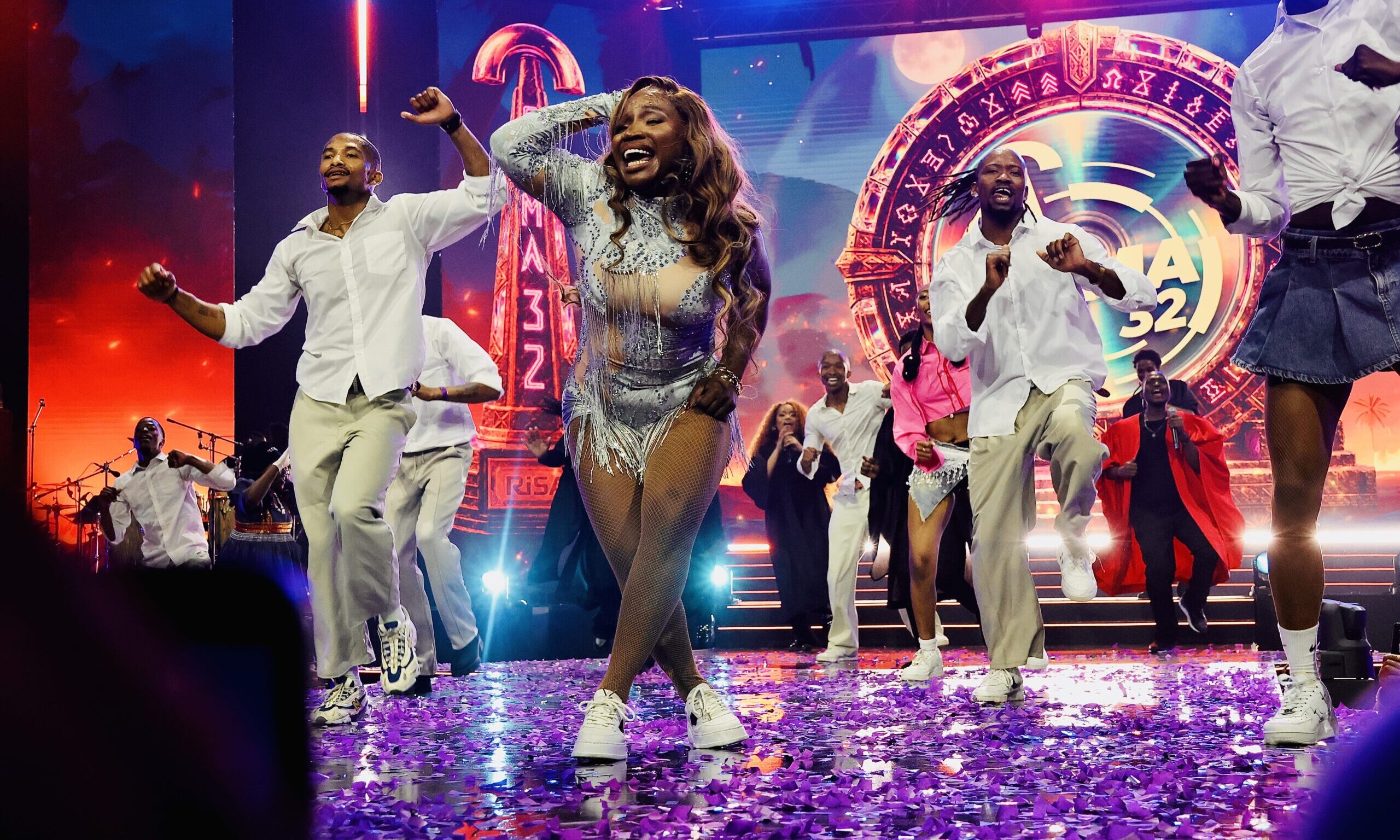
Makhadzi performs at the 2026 South African Music Awards (SAMA32) at Sun City. Photo: Lebogang Leteane
Held under the theme The Future Sounds Like Now Now, the 2026 edition, dubbed the Homecoming Edition, returned to the Sun City Superbowl, bringing together established artists, emerging talent and the industry professionals responsible for creating, recording and presenting South African music.
The event opened on 14 August with the non-televised industry awards, hosted by rapper and television personality Anele Zondo. The first night focused largely on the people working behind the music, including producers, engineers and other technical and creative professionals whose contributions often receive less public attention. It also provided an opportunity for industry peers to network and discuss developments within the country's music economy.
Among the night’s major winners were Nasty C, who took Best Hip Hop Album for Free; Sjava, who won Best Afro Pop Album for Inkanyezi 2.0 (Live); and Lordkez, whose You, Me & The 90’s won Best R&B/Soul Album. Kabza De Small won Best Collaboration alongside DJ Maphorisa, XDuppy, Thatohatsi, Young Stunna and Nkosazana Daughter for ‘Abantwana Bakho’, while the same collaboration later received the Most Streamed Song of the Year award.
The first night also recognised technical and production work. Guy Buttery won Best Engineered Album for Orchestrations, while Langa Mavuso’s Therapy: The Other Side took Best Produced Album. Msaki, Jesse Clegg and Sjava won Best Produced Music Video for ‘Wayside Lover’, directed by Marty Bleazard and produced by Nombuso Ngcobo.
Other category winners included Jazzwrld and Thukuthela for Best Dance Album, Mars Baby for Best Alternative Album, Mandisi Dyantyis for Best Jazz Album, Ras Canly for Best Reggae Album and Simphiwe Dana for Best African Adult Contemporary Album. Tutu Puoane, Metropole Orkest and Jacome Bairos won Best Adult Contemporary Album for Wrapped in Rhythm, Vol. 2.
The second night opened with a red carpet centred on Afro Dandyism, encouraging guests to reinterpret classic dandy fashion through an African perspective. The styling drew on tailored silhouettes, township street fashion and references to the Sophiatown era before the ceremony moved into its main awards and performance programme.
HLE emerged as one of the night's biggest winners, taking Female Artist of the Year and Album of the Year for The Ground We’re On. The project had already won Best Contemporary Faith Album on the first night, making HLE one of the most successful artists across the two-day ceremony.
Kabza De Small was another major winner, with Bab’Motha taking Best Amapiano Album. The producer also featured prominently in the night's recognition of ‘Abantwana Bakho’, while his remix of ‘Eningi’ won Remix of the Year.
Mzukulu won Male Artist of the Year and Best Maskandi Album for Ng’Funa Intozami, while Amadodana Ase Wesile won Duo/Group of the Year and Best African Indigenous Faith Album. Makhadzi won Best Traditional Music Album for Sesi Ka Rose, and Will Linley took Best Pop Album for Don’t Cry Because It’s Over. Brendan Peyer won the Afrikaans-language Beste Pop Album category for Troumateriaal.
The awards also recognised contributions beyond South Africa. Nigerian singer Tiwa Savage received the Rest of Africa Award for This One Is Personal, while Tanzanian-born South African star Tyla received the International Achievement Award. The honour marked Tyla’s second International Achievement Award, placing her alongside Black Coffee as the only other artist to have received the accolade twice.
Tyla used the occasion to celebrate South African music more broadly, inviting fellow local artists on stage as part of her acceptance, turning the individual recognition into a wider celebration of the country's global musical influence.
Kwaito and house music pioneer Oskido received the Lifetime Achievement Award, recognising his longstanding contribution to South Africa's music industry.
The ceremony’s live programme brought together artists from across generations and genres. Performances included appearances by Focalistic, Maglera Doe Boy, The Northmob, Babalwa M, Dladla Mshunqisi, Nia Pearl, Stoan, Tuks Senganga, Mo Molemi and Will Linley, as well as SAMA winner Lordkez.
Langa Mavuso delivered one of the more reflective performances of the evening, focusing on themes of grief, healing and remembrance while paying tribute to music industry figures who have died.
The production itself adopted a futuristic aesthetic, with metallic, industrial-inspired elements forming the backdrop for the performances. Hip hop artist Cassper Nyovest and radio and television presenter Zanele Potelwa hosted the main ceremony.
SAMA32 also marked a significant change behind the scenes, with an all-women executive production team led by Audrey Lummis and Beverly Moubane overseeing the ceremony. The leadership structure was particularly notable as the event coincided with Women’s Month in South Africa.
The organisers framed the change around the slogan ‘Less Noise, More Music’, placing greater emphasis on musical performance, technical production and the work of creators.
Beyond the major awards, the SAMAs reflected the breadth of South Africa's music industry, with recognition spanning amapiano, hip hop, maskandi, gospel, jazz, gqom, Afropop, rock, reggae, traditional music and contemporary pop.
The ceremony ultimately offered two contrasting perspectives on the country's music industry: a celebration of the artists who have established South Africa's musical reputation and a platform for newer voices shaping where that music goes next. With HLE, Kabza De Small and Mzukulu among the strongest performers across the awards, while Tyla and Oskido represented different generations of international and historical influence, SAMAs positioned South African music's past, present and future within the same celebration.
Contributors: Amahle Mkungela, Lerato Ramogase, Lebogang Leteane, Keamohetswe Mokoena


Most popular

Top Naija songs of 2026
31 Mar 2026

Top Afrobeats songs of 2026
19 Mar 2026

Ghana: Mr Eazi and MOLIY’s ‘Comfort’ earns Urban Music Awards nomination
21 Oct 2026

Top amapiano songs of 2026
16 Feb 2026

Open call: CANEX Music Business Lab and Songwriting Camp
15 Oct 2026

Nigeria: CANEX WKND unveils 2026 programme
21 Oct 2026
Disclaimer: Music In Africa provides a platform for musicians and contributors to embed music and videos solely for promotional purposes. If any track or video embedded on this platform violates any copyrights please inform us immediately and we will take it down. Please read our Terms of Use for more.

Subscribe to our monthly Newsletter
Follow us on social media


Please log in to post a comment.