
















































IFPI’s Angela Ndambuki urges Africa to unlock music copyright revenue

12 Nov 2026 - 11:12


Africa has significant untapped potential to generate revenue from its music industry, but weak copyright administration, inadequate enforcement and institutional challenges continue to prevent creators and other rights holders from benefiting fully from their intellectual property (IP).

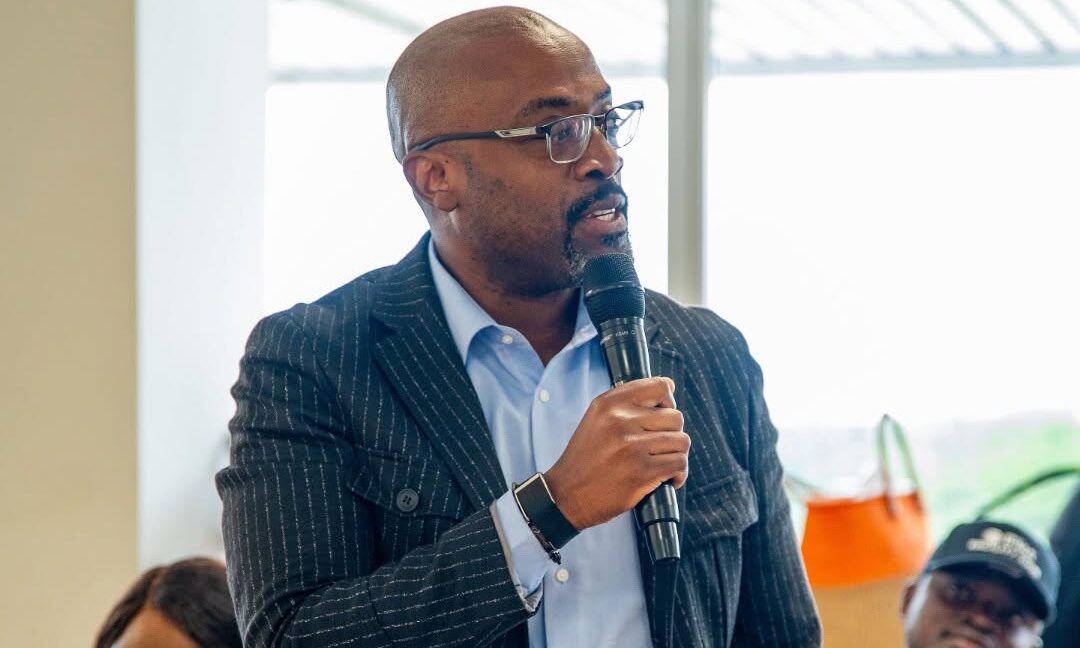
IFPI regional director for Sub-Saharan Africa Angela Ndambuki.
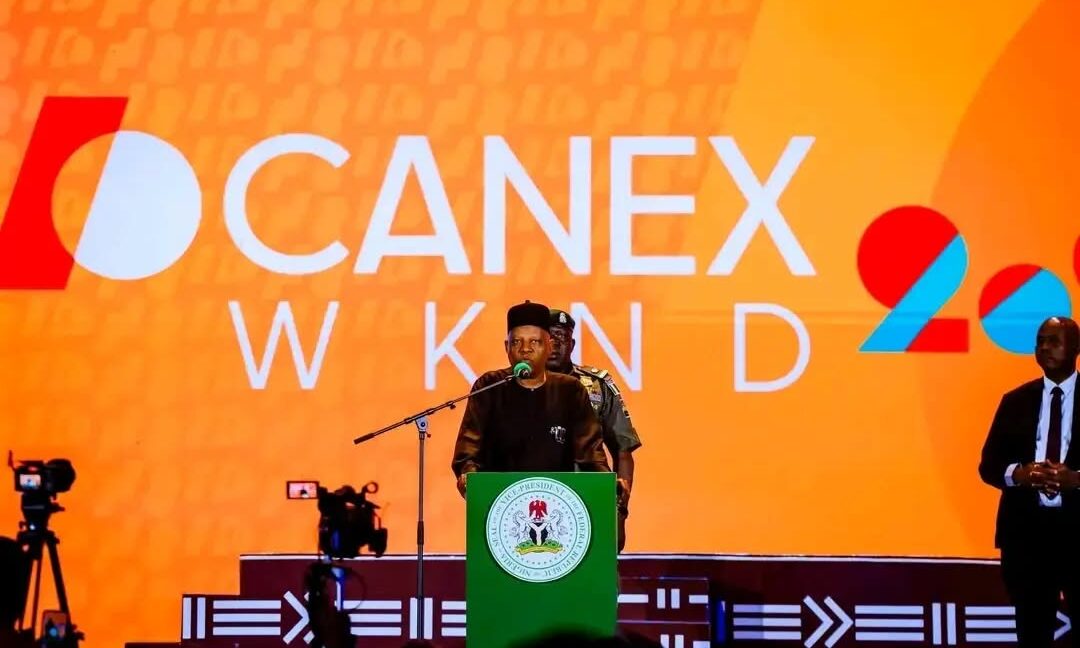
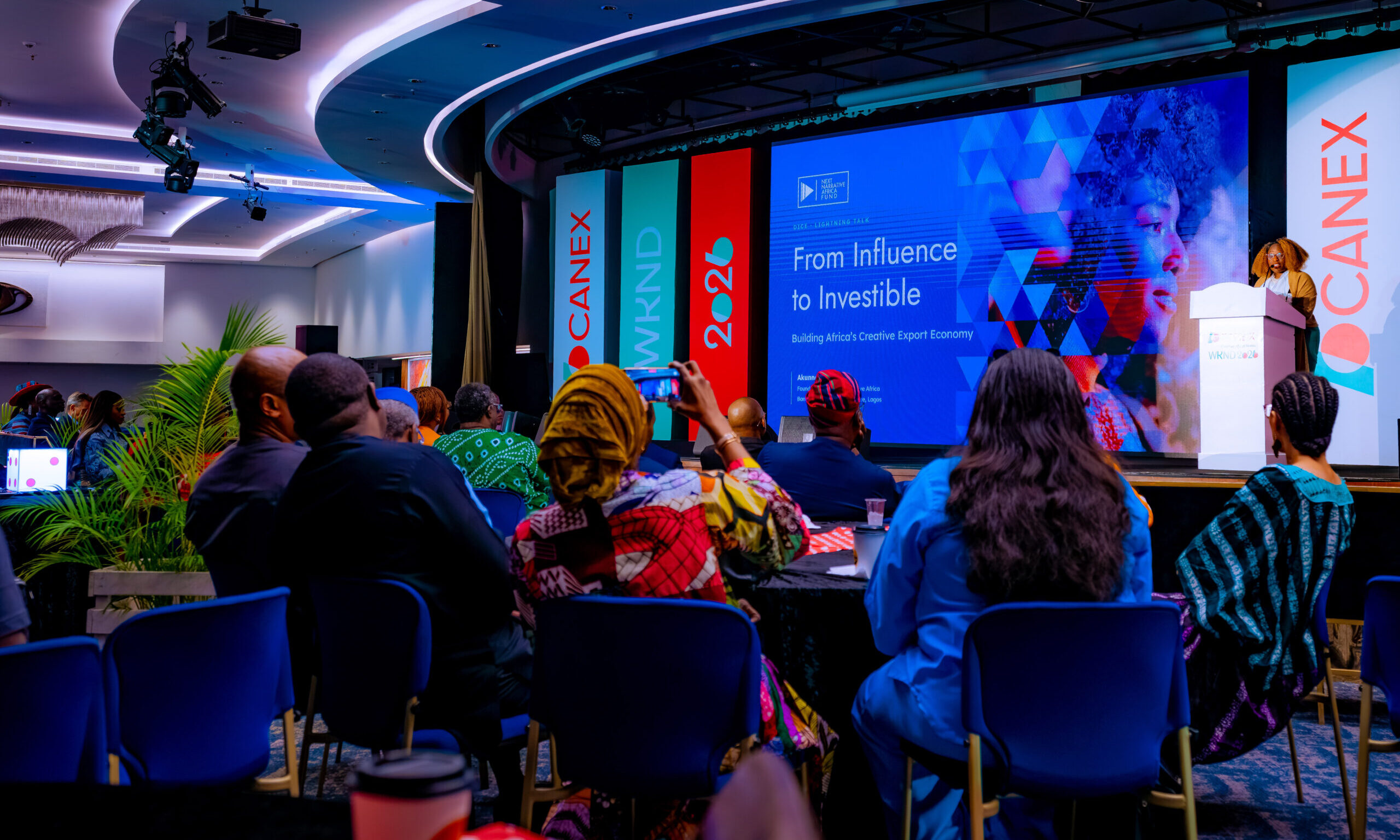
This was the view of International Federation of the Phonographic Industry (IFPI) regional director for Sub-Saharan Africa Angela Ndambuki during an interview with Music In Africa Foundation (MIAF) head of content Ano Shumba on the side-lines of CANEX WKND 2026 in Lagos, Nigeria.
Ndambuki spoke to MIAF following a panel discussion titled Music Roundtable – Rights, Royalties and Revenue in African Music, which brought together Nigeria’s National Council for Arts and Culture (NCAC) director-general Obi Asika, Chocolate City Music executive vice-president Aibee Abidoye, SACEM director of International Development for Africa Akotchayé Okio, and Music Economy Development Initiative (MEDI) researcher and consultant Ieva Oxenbury.
The discussion examined the challenges affecting copyright management and revenue generation across the continent, as well as opportunities to strengthen the systems through which music creators and other rights holders earn from their work.
According to Ndambuki, the African music industry has considerable room for growth, but countries are failing to capture much of the value generated by the use of music. She pointed to figures discussed during the session, which highlighted a significant revenue shortfall in Nigeria and Kenya.
She argued that improving the administration and collection of music rights could substantially increase the income flowing into the sector.
“There is still so much potential, but we are not really getting active,” she said, stressing the need for countries to address weaknesses in their copyright systems and ensure that rights are properly managed.
Ndambuki noted that effective rights management requires more than having legislation in place. Countries also need functional institutions, adequate resources and the technical expertise to identify, license and collect royalties from the use of music.
However, progress across Africa remains uneven. While some countries have made improvements, others have experienced setbacks, particularly in the governance and operational capacity of their collective management organisations (CMOs).
Using Kenya as an example, Ndambuki said the country had previously made progress in strengthening its copyright administration but had subsequently experienced difficulties that undermined those gains.
“I always use the example of Kenya because that's where I'm based, and it's a very sad story,” she said. “We were on the right track a couple of years back, but something happened along the way. Now we have actually backtracked.”
She identified inadequate funding and difficulties in attracting qualified personnel as some of the obstacles facing rights management institutions. Without sufficient resources, organisations struggle to recruit skilled professionals and establish the systems needed to manage and distribute royalties effectively.
Ndambuki said governments could play a more active role by providing initial financial support to help build institutional capacity. However, she also acknowledged that CMOs with the necessary resources often face separate challenges, including governance concerns and leadership changes.
She called for greater regional cooperation and sustained engagement between governments and music industry stakeholders to address these issues.
Through its annual Performance Rights Conference, IFPI brings together stakeholders, including representatives of African governments, to discuss the development of performance rights and the wider music industry. Ndambuki said such engagements were important for securing commitments that could translate into practical improvements.
“It's a difficult journey,” she said, emphasising the need for governments and industry organisations to work together rather than treating copyright administration as an isolated national concern.
Looking ahead to CANEX WKND 2027, which organisers have confirmed will return to Lagos, Ndambuki said intellectual property should remain central to discussions about Africa's creative economy.
She described CANEX as an important trade platform for addressing the commercial realities of the creative industries, arguing that discussions about music business development must also consider the rights that underpin revenue generation.
“IP is at the heart of it because culture gives us our identity, and IP gives us that ownership and therefore the ability to gain from its use,” she said.
While rights and royalties should remain key subjects, Ndambuki suggested that future editions should also address emerging issues such as artificial intelligence (AI), copyright policy and the impact of new technologies on the music business.
She called for more direct engagement between industry stakeholders and policymakers, arguing that discussions should move beyond identifying challenges to developing practical solutions that reflect the realities of African markets.
She also highlighted the importance of involving government representatives in these conversations, including through ministerial engagements, to ensure that industry concerns inform policy decisions.
Among the issues that could receive greater attention are the development of appropriate regulatory frameworks, the treatment of music rights in emerging technologies and the economic policies affecting the creative sector.
Reflecting on the report presented by MEDI’s Ieva Oxenbury, which examined music rights and revenue opportunities in Kenya and Nigeria, Ndambuki said research was important in identifying the income that African markets were failing to collect.
She said the findings should provide a basis for action, particularly through collaboration between governments, rights management organisations and other industry stakeholders.
“Now that we know that we're missing this, how do we work together with government and get this money from the table and to the rights holders?” she said.
Ndambuki stressed that royalties generated through the use of music should primarily benefit the people and organisations that own the rights, rather than being diverted to unrelated government expenditure.
She raised concerns about the proportion of collections that some governments seek to retain, arguing that such arrangements could undermine the interests of rights holders and weaken confidence in the copyright system.
While acknowledging that governments have a role in supporting enforcement, she suggested that a portion of collections could be allocated towards this purpose, provided the arrangement was transparent and did not compromise the primary beneficiaries.
She also pointed to gaps in copyright enforcement across some African markets, where rights may be recognised in law but are not adequately protected in practice. This, she said, limits the ability of creators and rights holders to earn from the commercial use of their work.
For Ndambuki, addressing these challenges requires governments to demonstrate a sustained commitment to the creative economy, supported by effective regulatory agencies and properly resourced institutions.
She welcomed signs that some governments were beginning to recognise the economic importance of the sector but said these commitments needed to result in meaningful action.
Ultimately, Africa's music industry will struggle to realise its full commercial potential unless the systems governing copyright, royalty collection and distribution work effectively. As the continent's music continues to reach wider international audiences, ensuring that the financial benefits reach the rightful owners remains a critical part of building a sustainable industry.


Most popular

Top Afrobeats songs of 2026
19 Mar 2026
Afrofest and StageVibes offer ACCES-affiliated artists performance opportunities in Toronto
06 Nov 2026

Top amapiano songs of 2026
16 Feb 2026

Top Naija songs of 2026
31 Mar 2026
IFPI’s Angela Ndambuki urges Africa to unlock music copyright revenue
12 Nov 2026

Zim: Young Gemini collaborates with Fifi Cooper on new single ‘What’s Happening’
12 Nov 2026
Disclaimer: Music In Africa provides a platform for musicians and contributors to embed music and videos solely for promotional purposes. If any track or video embedded on this platform violates any copyrights please inform us immediately and we will take it down. Please read our Terms of Use for more.

Subscribe to our monthly Newsletter
Follow us on social media


Please log in to post a comment.